World
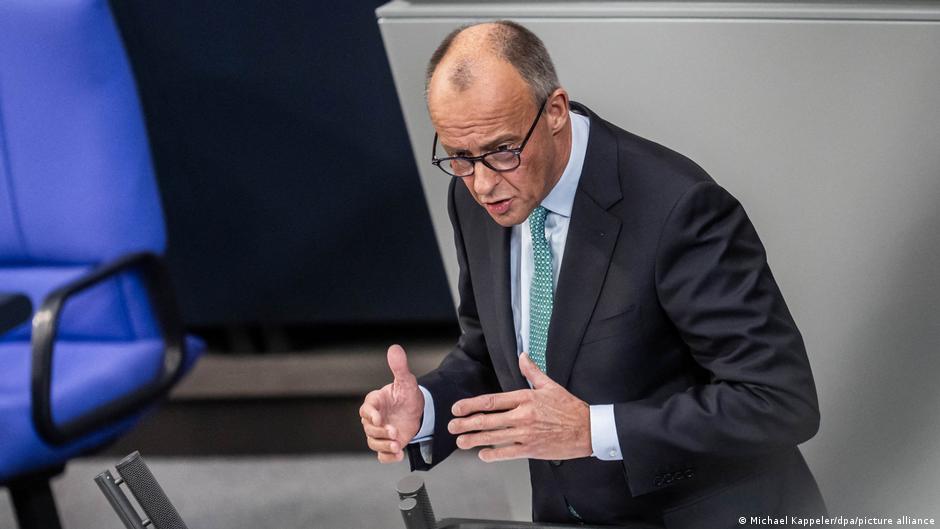
Germany news: Merz attacks extremes for fueling division
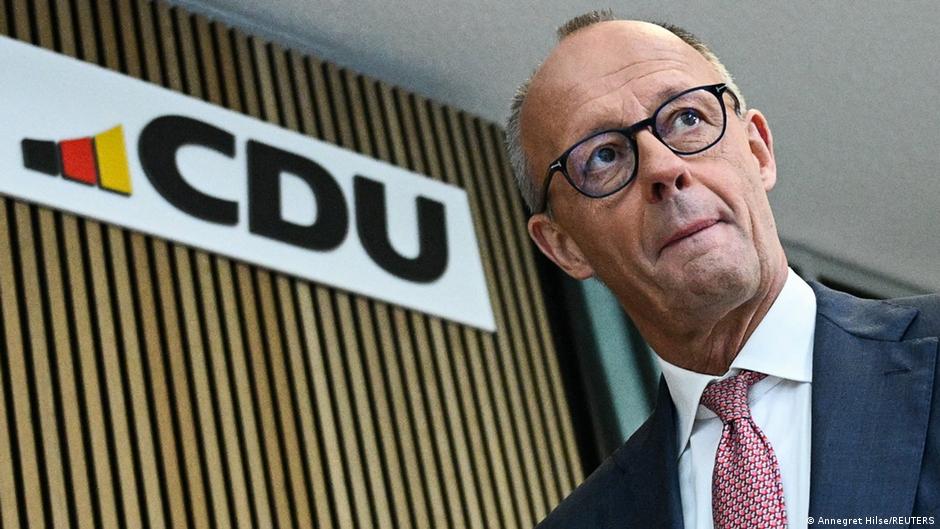
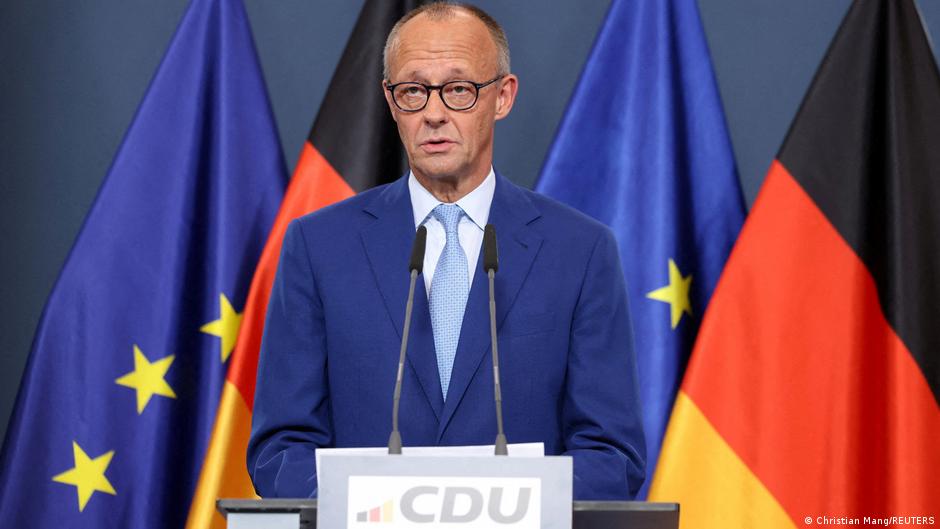
German Chancellor Friedrich Merz accuses the far-right AfD and the socialist Left Party of deliberately fueling division and seeking political advantage from chaos.
International news in seven languages
Topic
German Chancellor Friedrich Merz accuses the far-right AfD and the socialist Left Party of deliberately fueling division and seeking political advantage from chaos.
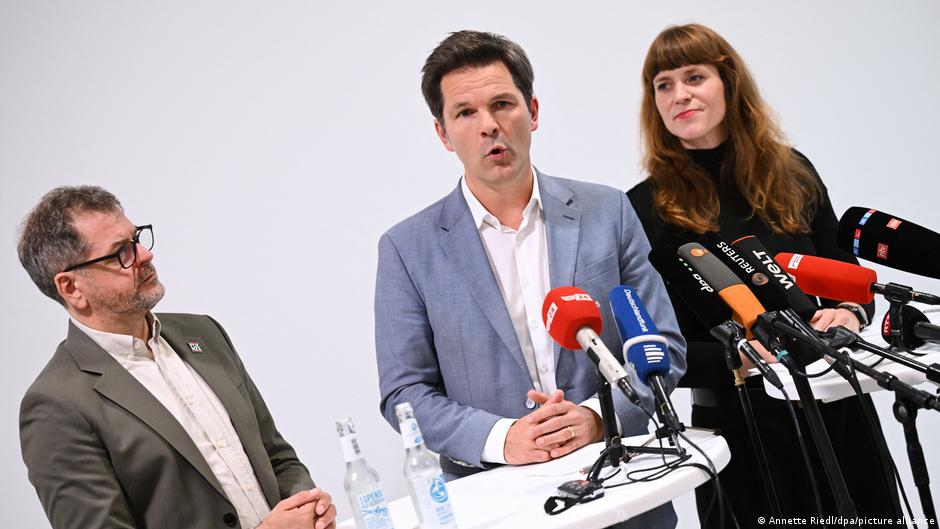
The SPD and Greens in Berlin have halted exploratory coalition talks with the Left Party amid a dispute over Israel policy and antisemitism. DW has more.
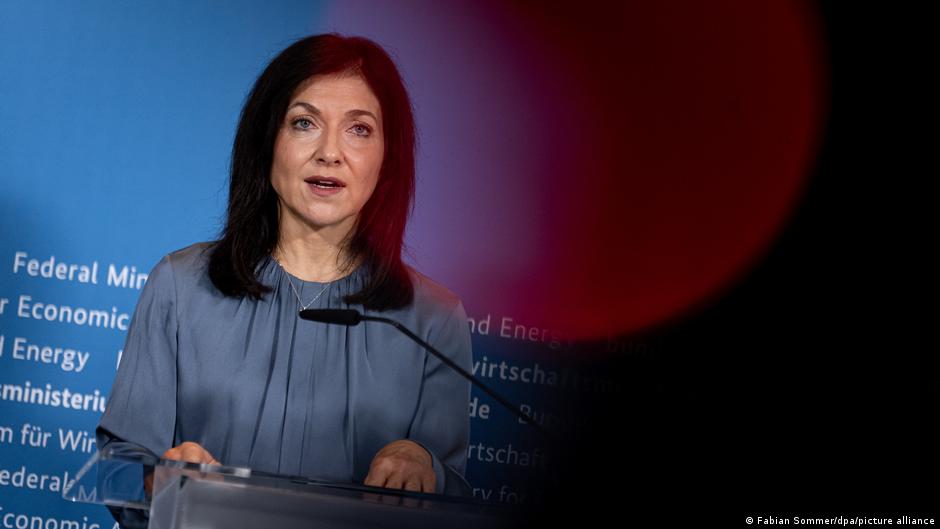
The Left Party is taking a case over remarks by the CDU's Katherina Reiche to the Constitutional Court. The coalition could face a new row over working hours reforms. DW has more.
The Central Council of Jews in Germany thinks the Left Party is dangerous. Other Jews, however, are showing solidarity with the party. How does that add up?
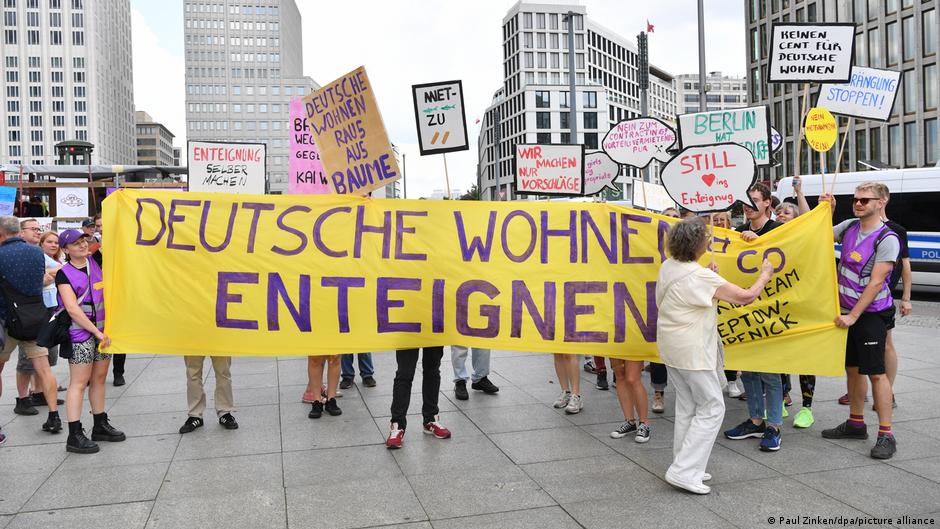
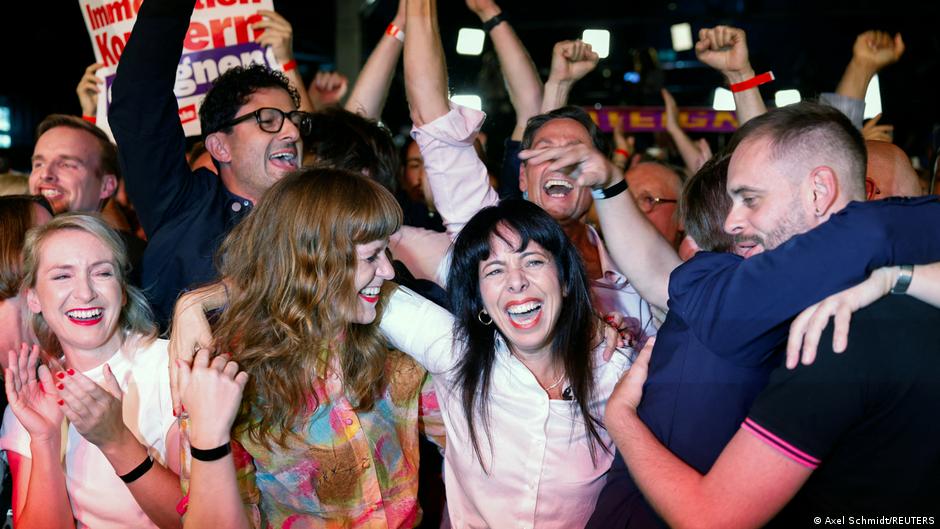
The socialist Left Party won the Berlin election partly on the promise to implement the city's 2021 expropriation referendum as a way to solve the city's rent crisis. But can it really happen?
Germany's far-right AfD and the socialist Left Party gained ground in recent state elections, while the centrist parties lost support. The biggest loser is Chancellor Friedrich Merz.
Berlin's young voters overwhelmingly supported the victorious socialist Left Party. Are the young more radical? Or are the election results just a reflection of current German politics?
Germany's far-right AfD and the socialist Left Party gained ground in recent state elections, while the centrist parties lost support. The biggest loser is Chancellor Friedrich Merz.
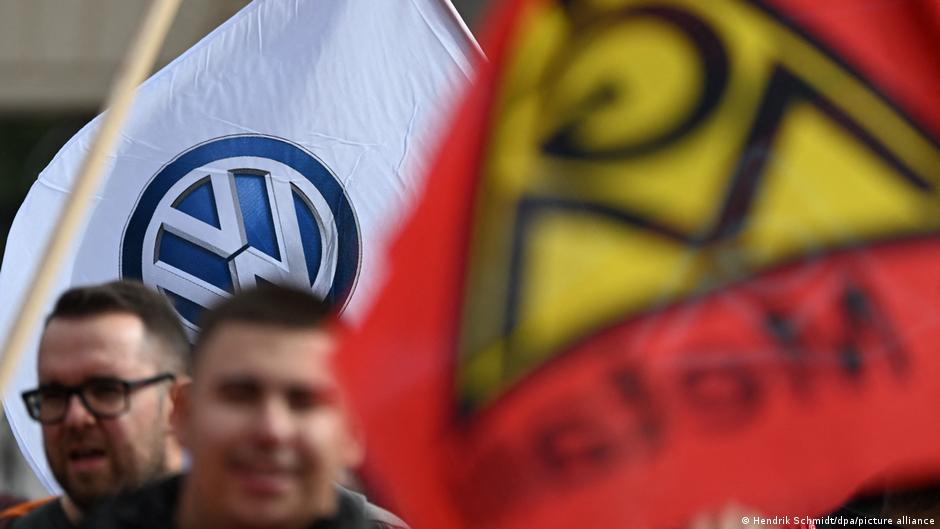
Volkswagen's chief says the carmaker will accelerate its streamlining measures as workers protest. The Israeli ambassador says the Left Party win in Berlin polls poses a risk to the city's Jewish community. DW has more.
The far-right AfD and the socialist Left Party have grown their vote in recent state elections, while the centrist parties see their support wane. The biggest loser is Chancellor Friedrich Merz.
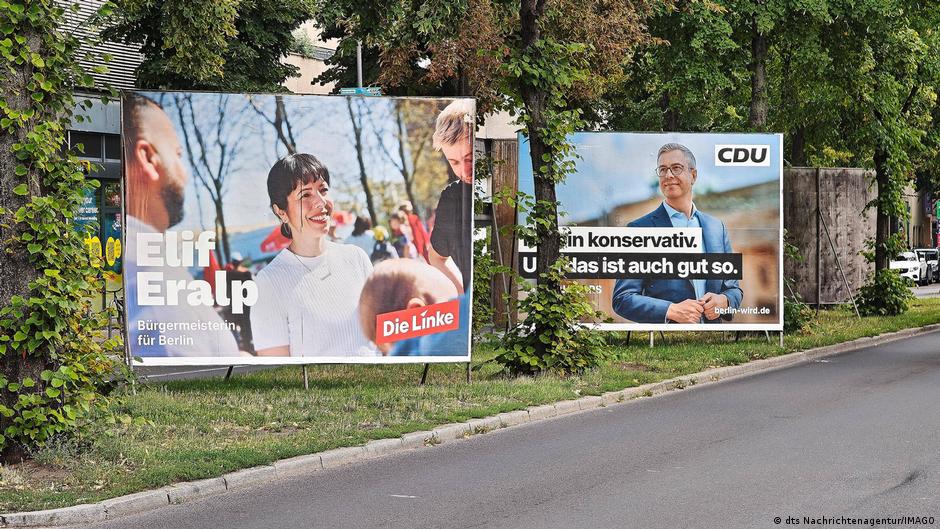
One candidate has been making headlines in Berlin in recent weeks: Elif Eralp of the left-wing Die Linke party. Her campaign methods and rhetoric have drawn comparisons with New York Mayor Zohran Mamdani. Anne Mailliet, Paul-Louis Godard and Leyla Sobler report.
Germany’s regional elections delivered mixed results for the country’s major parties. In Mecklenburg-Western Pomerania, the far-right AfD won the largest share of the vote, but remains isolated as other parties have ruled out coalition talks, leaving incumbent SPD premier Manuela Schwesig with a realistic path to forming a government. In Berlin, meanwhile, the Left Party came out on top and could potentially form a coalition with the Greens and SPD. The CDU, however, performed poorly in both elections, putting additional pressure on Chancellor Friedrich Merz and his conservative bloc. Speaking
The far-right AfD has come first in the state election in Mecklenburg-Western Pomerania, with Chancellor Merz's CDU failing to enter parliament. Meanwhile the Left Party took first place in Berlin. DW has more.
The far-right AfD has come first in the state election in Mecklenburg-Western Pomerania, with Chancellor Merz's CDU failing to enter parliament. Meanwhile the Left Party took first place in Berlin. DW has more.
Exit polls have the far-right AfD leading the Social Democrats in Mecklenburg-Western Pomerania and the Left Party ahead in Berlin. Merz referred to the outcome as "a disaster". DW has more.
The results of the Berlin election are as hard to predict as ever. Three parties are vying for first place, including the socialist Left Party and the far-right AfD. But one issue is most important to Berliners.
The results of the Berlin election are as hard to predict as ever. Three parties are vying for first place, including the socialist Left Party and the far-right AfD. But one issue is most important to Berliners.