World
Kenya confirms first Ebola case as man dies in Nairobi after DRC return
More than 4,000 people have died in the worst outbreak in the DR Congo's history, with confirmed cases surpassing 8,300.
International news in seven languages
Topic
More than 4,000 people have died in the worst outbreak in the DR Congo's history, with confirmed cases surpassing 8,300.
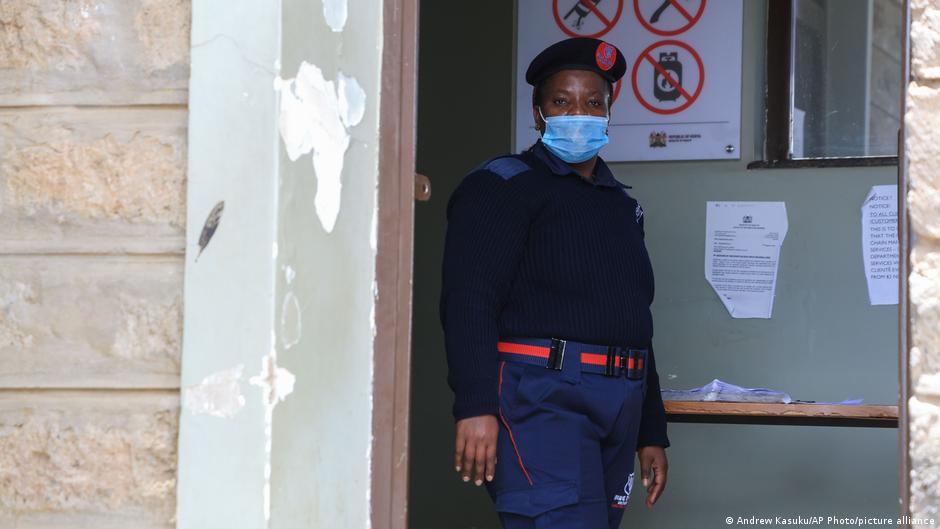
Kenya on Tuesday reported its first-ever Ebola death after a Kenyan national who had been living in the Democratic Republic of Congo (DR Congo) died after returning to the country. Kenya is the fourth country to record an Ebola case in the current outbreak, which was declared in eastern DR Congo in mid-May.
A Kenyan living in DR Congo died of Ebola on Monday in a hospital in Nairobi, announced on Tuesday the Kenyan authorities. According to the Kenyan Minister of Health Aden Duale, the victim had become ill about a month ago and had been treated in several hospitals, before crossing the border with Uganda by road, and then flying to Nairobi.
The patient arrived in Kenya over the weekend from the Democratic Republic of Congo before testing positive for the virus. Health authorities are on high alert and monitoring for more cases.
The first imported case of Ebola has been recorded in Kenya.
The patient had been living in DR Congo, where more than 4,000 people have died from the disease this year.
The multi-vehicle crash occurred in the Salama area, 90km southeast of Nairobi, killing mostly Catholic pilgrims.
Kenyan survivors are challenging the UK military over decades of alleged abuses — and the immunity that has shielded it.
A voter mobilisation campaign has registered huge numbers of young people but it is not clear who they are backing.
The filmmaker taking on Kenya’s colonised tea plantations
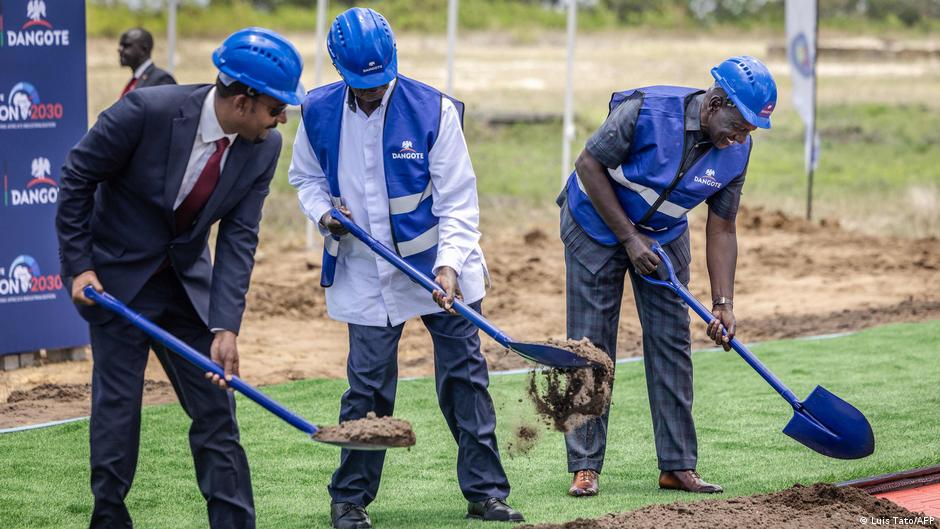
In Kenya, Nigerian billionaire Aliko Dangote is launching a new mega-refinery project, presented as a step towards Africa's self-sufficiency in fuel. But local communities are already challenging the project in court.
Kenya, Uganda and Tanzania have less than nine months to prepare for AFCON 2027.
In tonight's edition: Africa's richest man breaks ground on a $16 billion oil refinery in Kenya. Also, at universities across Cameroon, programming is overshadowed with uncertainty amidst an indefinite strike by lecturers. Plus we speak to Ethiopian-born computer scientist and pioneering AI ethicist Timnit Gebru as she is honoured with the Swedish Right Livelihood Award for her work on how AI is influenced by biases.
An oil refinery on Kenya's coast is expected to be completed in 40 months, and will process an estimated 700,000 barrels of oil per day. Africa's richest man, Aliko Dangote, will lead the project.
The Kenya refinery is part of Dangote's ambitious bid to expand and help industralise Africa by 2030.
The first day of the CAN 2027 playoffs ended on Saturday 26 September with South Africa's victory over Guinea (2-1) and the draw between Kenya and Eritrea (1-1). Back on the first day of these playoffs and the successful debuts of several African cadors, but also the missed appointments of Senegal and Egypt before a second day already capital on September 28.
At UNGA, Iran, Syria and Kenya have highlighted how war and injustice have skewed global development.
A century-old industry faces a reckoning over regulation, jobs and local benefits.
The 2027 Africa Cup of Nations will be held in Kenya, Uganda and Tanzania, with 24 qualification spots up for grabs.
The playoffs for the next African Cup of Nations (CAN) in Kenya, Uganda and Tanzania begin on Thursday. New players, new breeders, new era... Here are seven stories to follow among the upcoming posters of African football