Advertisement
Advertisement

Topic

James Webb

Science

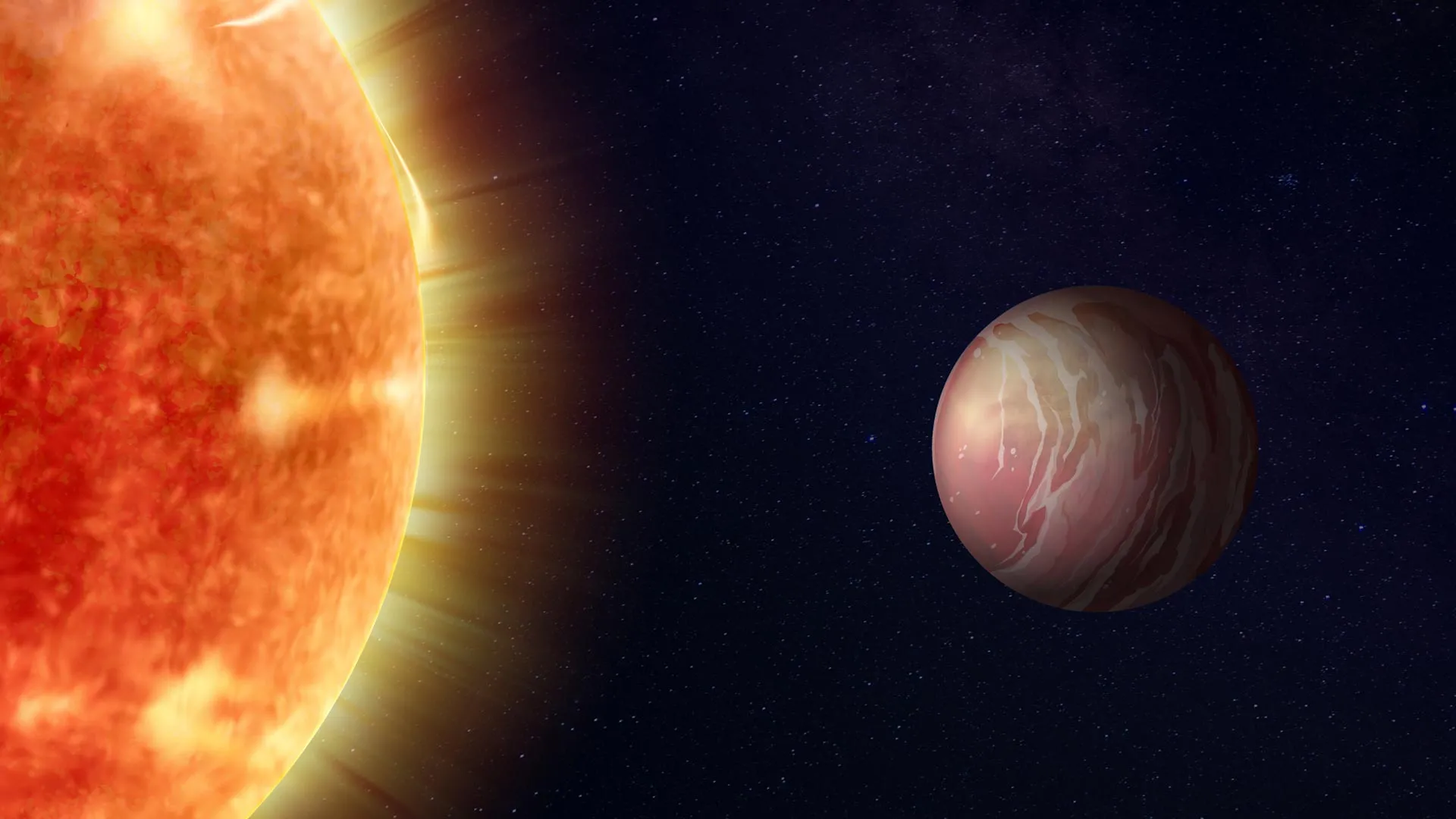
James Webb discovers a scorching lava planet with a “giant sunscreen”

A scorching lava planet 280 light-years away has surprised astronomers by apparently maintaining a thick atmosphere despite conditions that should have stripped it away billions of years ago. James Webb Space Telescope observations suggest that TOI-561 b reflects about 75% of incoming starlight, possibly because of mineral clouds that act like a giant sunscreen. The planet may also be continually replenishing its atmosphere through gases released from a global ocean of molten rock.


Science

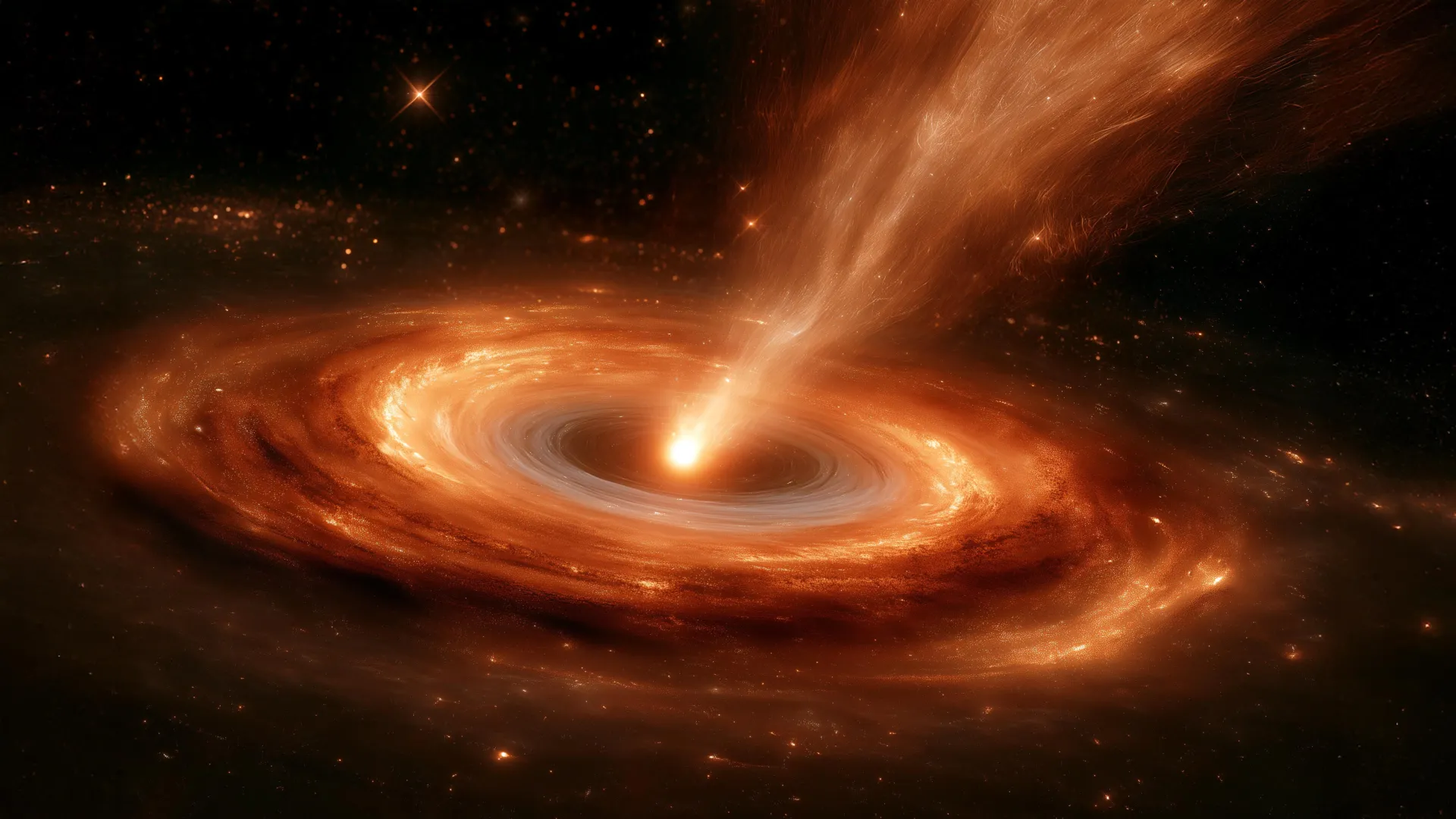
NASA reveals 16 stunning galaxies hiding cosmic chaos

NASA's stunning new gallery of 16 galaxies reveals colossal black hole jets, explosive star formation, and spectacular cosmic collisions through the combined power of Chandra, James Webb, Hubble, and other telescopes. These extraordinary images expose the hidden forces shaping galaxies across the universe and offer clues about the Milky Way's own past and future.

Science

James Webb reveals a strange bulge in an alien planet's atmosphere

Astronomers using the James Webb Space Telescope have discovered that a distant alien planet's atmosphere is surprisingly lopsided. Located 1,300 light-years away, the scorching gas giant WASP-17b experiences powerful winds that redistribute heat, causing one side of its atmosphere to bulge outward. A groundbreaking new mapping technique revealed these hidden distortions, confirming predictions about how extreme temperatures and winds shape alien worlds.

Science

James Webb reveals why planet formation is a race against time

JWST has revealed that young planetary systems lose their planet-building gas through a changing mix of powerful jets, molecular winds, and radiation-driven outflows. As the disks age and their gas disappears, giant planets face a shrinking window to build massive atmospheres.

Science

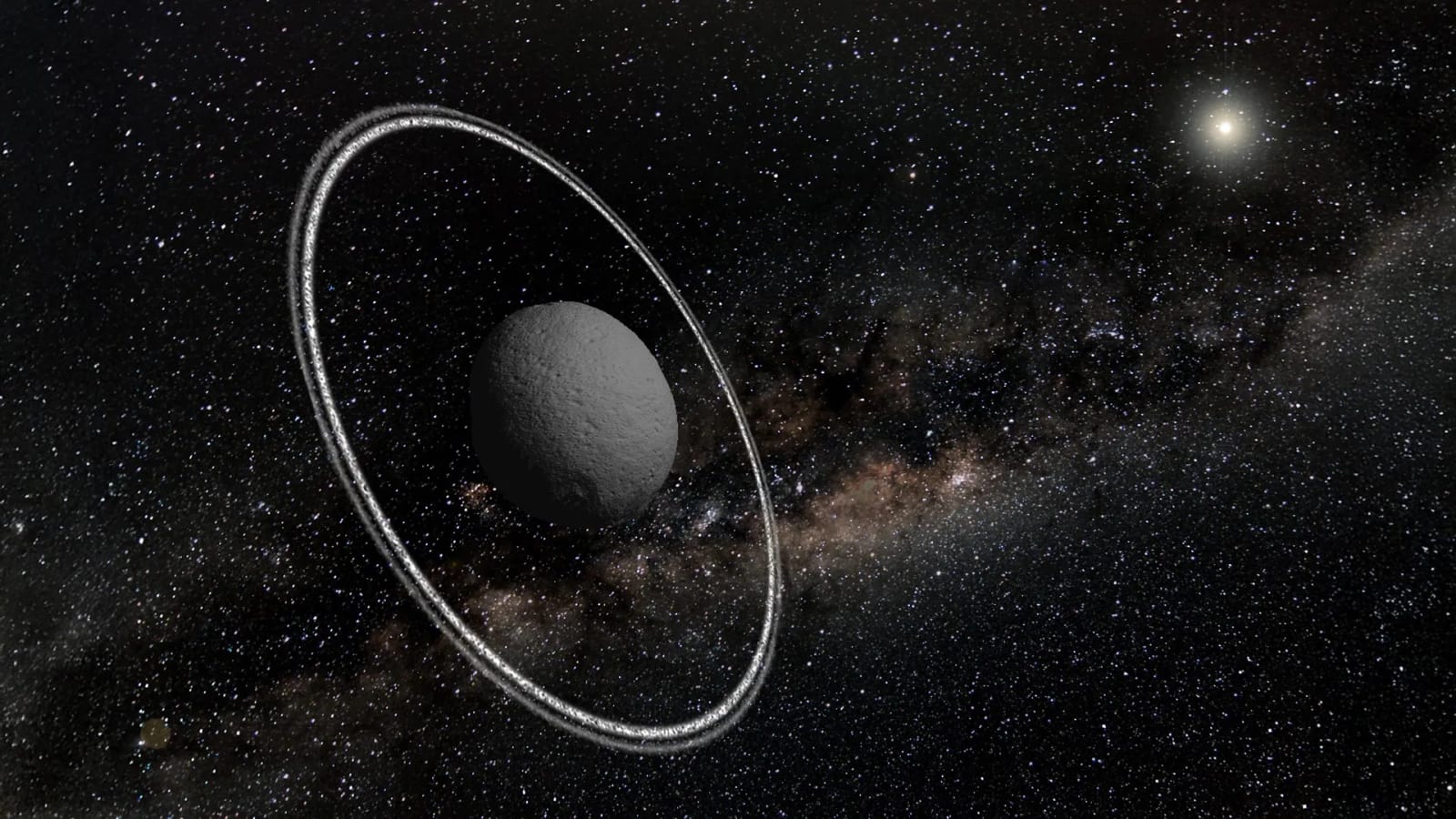
James Webb reveals Chariklo’s mysterious rings are changing faster than expected

The James Webb Space Telescope has revealed surprising changes in the rings around Chariklo, a small object orbiting between Saturn and Uranus. Over just a few years, its inner ring became more opaque while its outer ring became less opaque. The results suggest that rings around small Solar System bodies may be much more dynamic than scientists previously believed. What is causing the changes remains a mystery.

Topic: James Webb | RocksNews