Politics
Israel’s election: The battle between change and anti-Palestinian sentiment
With both blocs short of a majority, parties face a choice: to break the taboo on Arab allies or return to the polls.
International news in seven languages
Topic
With both blocs short of a majority, parties face a choice: to break the taboo on Arab allies or return to the polls.
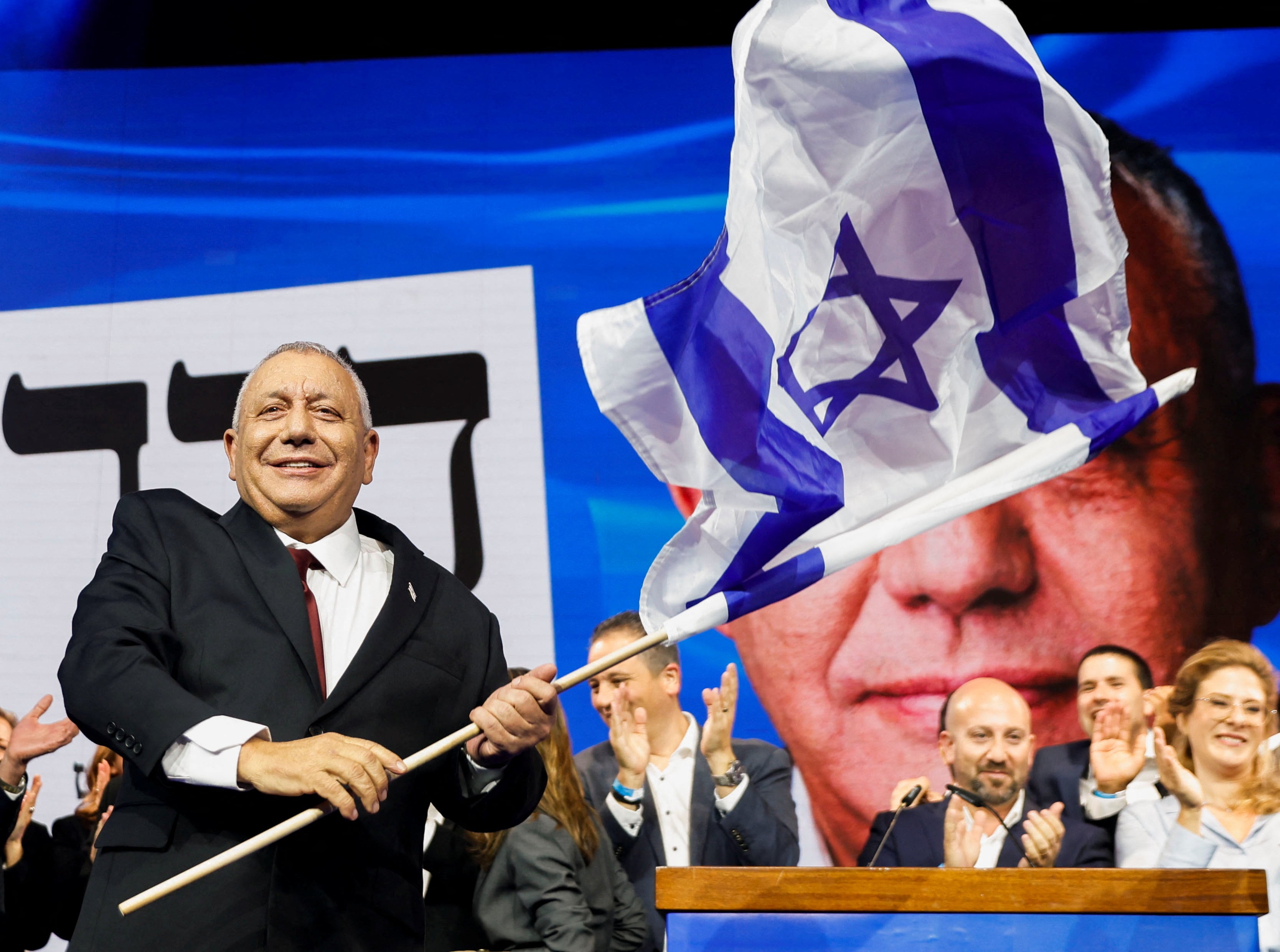
After an electoral blockade in which neither the Israeli Prime Minister, Benjamin Netanyahu, nor his rival, Gadi Eisenkot, achieved a majority for their respective blocks, Netanyahu has promised to form a new government, stating that no leader should rule with the support of the Israeli Arabs, whose parties made significant progress. The extreme left-wing opposition leader, Yousef Jabareen, responded by advocating a "true Jewish-Arab association" to unbank Netanyahu. Follow our live website to get to know the latest news.
Israel was counting votes on Wednesday after pivotal elections in which exit polls showed no clear winner. Prime Minister Benjamin Netanyahu’s bloc appears to have lost a significant number of seats compared with the previous election in 2022. France 24’s International Affairs Editor Angela Diffley shares further insights.
In this edition of Perspective, we focus on the results of the election in Israel. For analysis, we speak to Yossi Mekelberg, senior consulting fellow at Chatham House's Middle East and North Africa Programme. He tells us there is "no clear winner" from the country's pivotal vote.
A historic turnout among Palestinian citizens of Israel positions Arab parties as kingmakers against the far right.
The Israeli parties open an arduous, week-long negotiation in which Arab formations will play a key role
Arab-led parties appear to have made a historic showing in the Israeli election, but it’s not clear if other opponents of Netanyahu's government would form a coalition with them for a majority in the next parliament. Issues around the Palestinians and their descendants remain incredibly sensitive in Israel. France 24 24's International Affairs Commentator Douglas Herbert shares further insights.
PRESS REVIEW – Wednesday, October 28: Papers react to the ongoing election results in Israel. Next: Macklemore's Free Palestine tour is coming to Paris. Also: antidepressants don't work the way we thought. Finally: a sneak peek into boomer divorcées' dating lives.
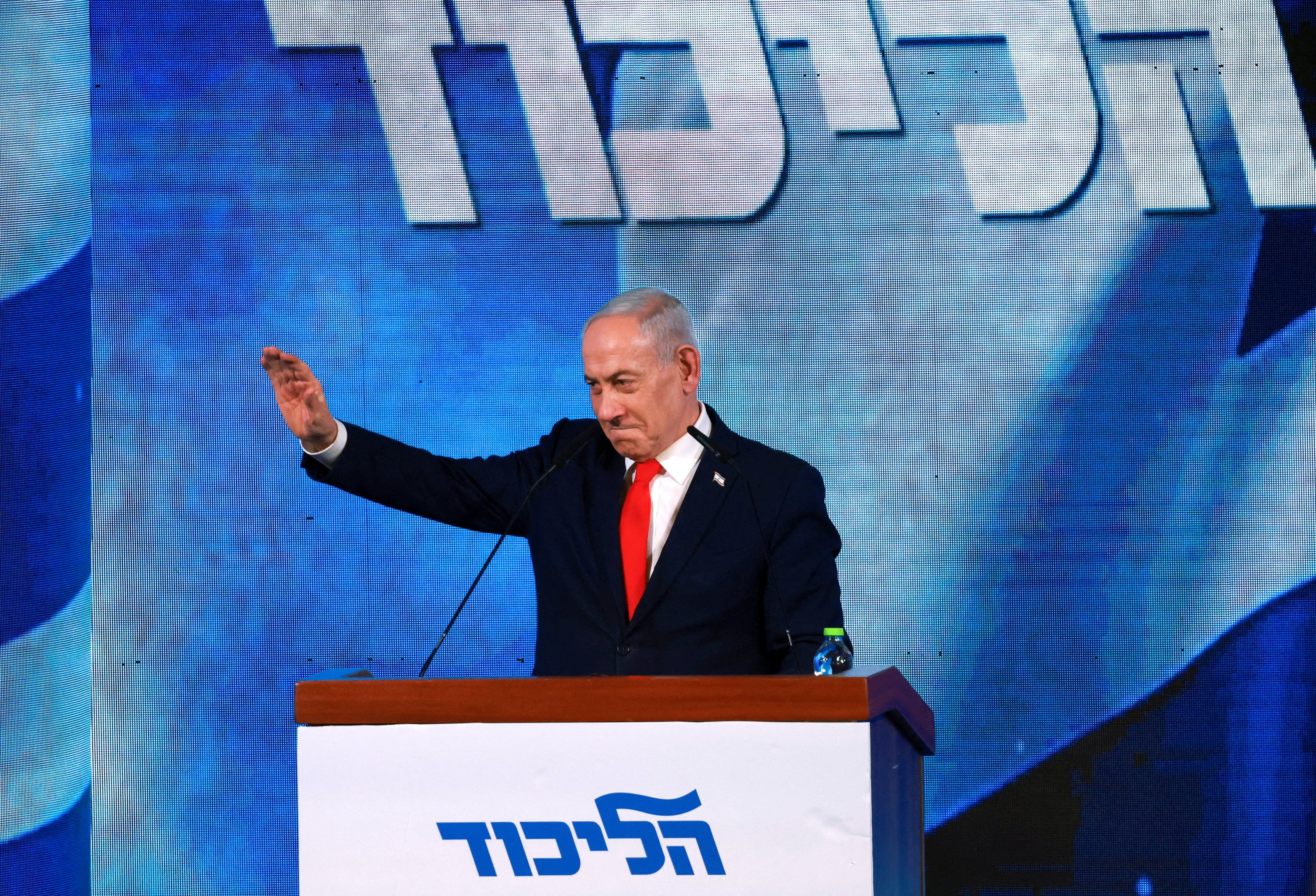
The final results are expected tonight or tomorrow morning. For now, the picture is looking increasingly favourable for Benjamin Netanyahu and his bloc, but the Israeli prime minister is still short of a clear victory, as he needs 61 seats to secure a parliamentary majority. He addressed his supporters at the National Congress Centre at around 3 a.m. local time. France 24’s Clovis Casali joins us live from Jerusalem with the latest.
Benchmark Tel Aviv 125 index falls more than 3 percent amid uncertainty over who will lead the next government.
Israel has only ever been governed by coalitions. Can you put one together that reaches 61 of the Knesset's 120 seats?
While partial results show the pro-Netanyahu bloc ahead of the anti-Netanyahu bloc, the final tally could take days. Neither grouping is expected to win a majority, with tough coalition talks ahead. Follow DW.
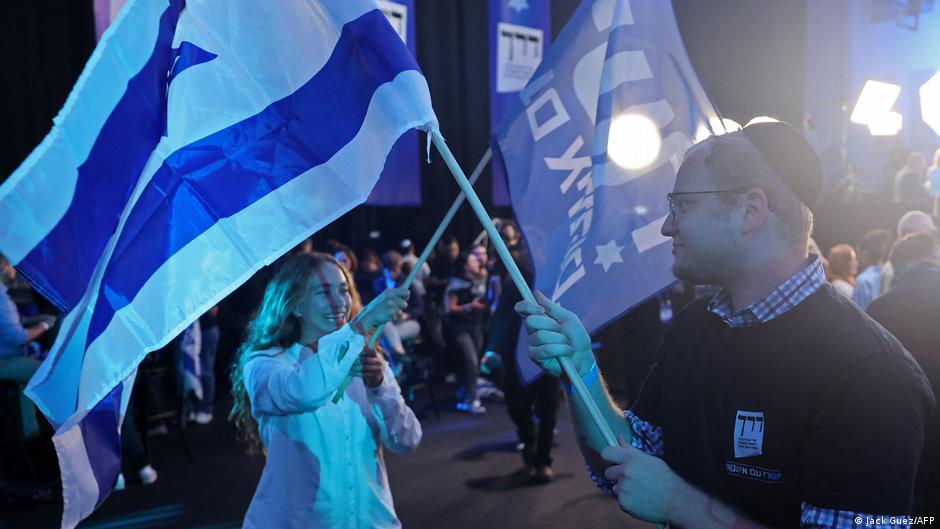
🗳️ Both Israeli Prime Minister Benjamin #Netanyahu and rival Gadi #Eisenkot pledged to form a government as the two are projected to finish neck and neck in #Israel's critical election Tuesday. Exit polls show both blocs falling short of a parliamentary majority.
The path ahead remains uncertain in the Knesset in Jerusalem, as the Central Elections Committee continues to count the votes. With more than 60% of ballots tallied, Prime Minister Benjamin Netanyahu’s camp is narrowly ahead of the opposition, but still short of a clear majority. These are still partial results and could change, meaning no clear winner has emerged so far. Both leading candidates for the prime minister’s office traded barbs in their respective speeches after polls closed. Antonia Kerrigan reports.
Questions over the future of Israel’s economy are looming in the wake of the elections. With one of the highest costs of living in the region, and defence spending continuing to rise, households are facing growing financial pressure. Caitlin Brown reports.
Rami Khouri challenges the idea that a strong IsraelI-Arab bloc result signals any positive shift in Israeli society.
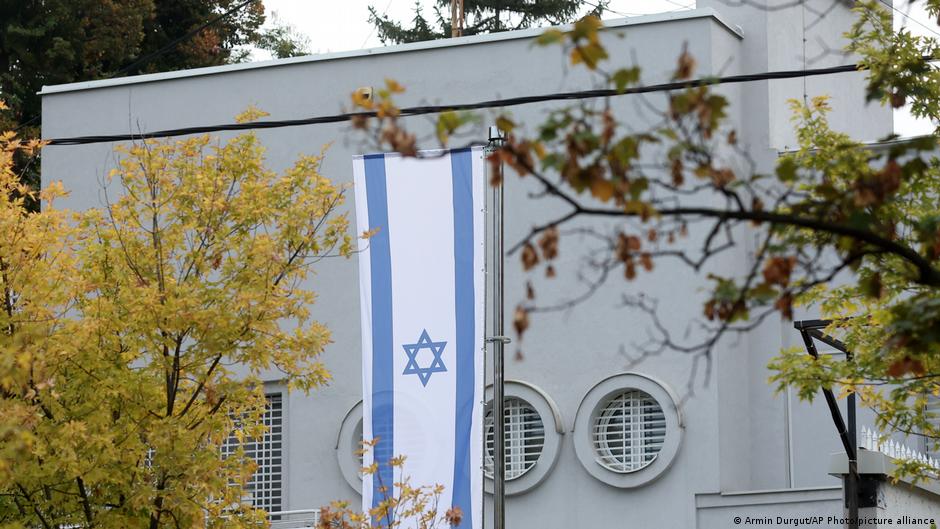
A "minor" has been killed by police after attacking a guard at Israel's embassy in Belgrade with knives, the interior minister says. Ivica Dacic said police had declared the highest terror alert after the incident.
Pro-Israel lobby, AIPAC, is changing its strategy, ending candidate endorsements and direct campaign contributions.
While partial results show the pro-Netanyahu bloc ahead of the anti-Netanyahu bloc, the final tally could take days. Neither grouping is expected to win a majority, with tough coalition talks ahead. Follow DW.
Both the block headed by Netanyahu and that of its rivals, led by Gadi Eisenkot, do not reach the majority to form a government without the support of Arab lists