Can Iran replace sea trade with land routes?
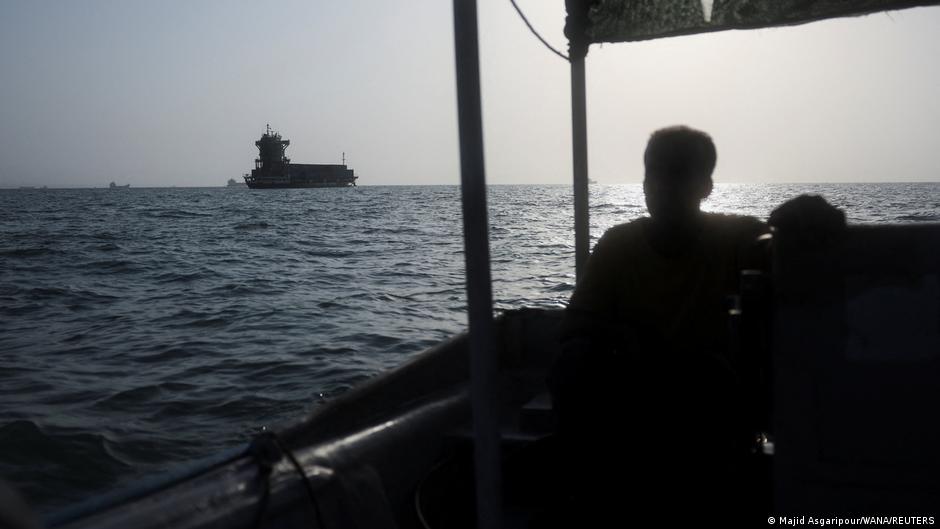
Iran is shifting trade toward northern ports and land routes as its southern shipping faces a US blockade. Analysts say the corridors can keep essential goods moving, but cannot replace maritime trade.
International news in seven languages
Topic
Iran is shifting trade toward northern ports and land routes as its southern shipping faces a US blockade. Analysts say the corridors can keep essential goods moving, but cannot replace maritime trade.
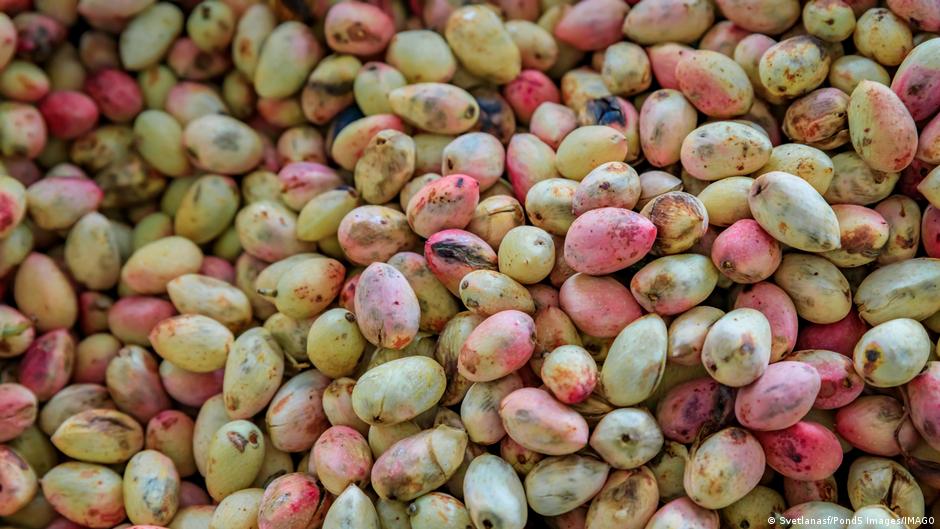
The pistachios sold across the United States have a surprising history: California's trees trace their roots to Iran. Now, both regions face the same threat — their farmland is sinking as groundwater disappears.
The UN mission pointed out the missile strike on a primary school that killed over 150 people, as well as another airstrike which killed 22 civilians.
The deal comes as Iran-backed Houthis escalate attacks on Saudi Arabia and seek control of the strategically important Bab el-Mandeb Strait.
A United Nations fact-finding mission said it found "reasonable grounds" to believe that the United States committed war crimes in two airstrikes in Iran.
French fishermen have agreed to lift their blockades at fuel depots and ports including Nice, after talks with the government over financial aid. They say soaring fuel prices since the start of the war with Iran are pushing them to the brink. Also in the segment - India could be hit by fresh US tariffs if it keeps buying Russian oil, after US lawmakers approved a new sanctions package that ratchets up the economic pressure on Moscow and its trading partners.
South Korean president will facilitate US-North Korea talks but will not deploy troops in US war on Iran.
An estimated 125,000 people, including more than 57,000 children, have fled since hostilities erupted in July between the Iran-backed Houthi rebels, the Yemeni government and its ally Saudi Arabia, with the UN calling it one of the most rapid and volatile waves of displacement in Yemen in years. Thousands have even been making the dangerous crossing across the Bab el-Mandeb strait to Djibouti, many of them children, travelling in extreme heat, often without enough water.
A UN fact-finding mission on Iran said on Thursday it had reasonable grounds to believe the United States was behind two military strikes on a school and sports facility in Iran in February, and that these constituted war crimes. It also found that Iranian authorities committed crimes against humanity during their deadly crackdown on anti-government protests. France 24’s Kethevane Gorjestani takes a closer look at the report’s findings.
The BBC understands Iranian President Masoud Pezeshkian and Foreign Minister Abbas Araghchi are among the delegates allowed to enter the US.
The US has not acknowledged carrying out February's deadly strikes on a primary school in Minab and a sports complex in Lamerd.
As the Lee administration said that it would seek public consensus, the anti-war network will continue roaring to stop the country from being dragged into the Iran war.