The United States had yet to publicly respond on Saturday after Iran offered a plan to reopen the strategic Strait of Hormuz, though reports indicated that President Donald Trump had rejected the proposal. The waterway key to the world's oil supply is central to the conflict between the US and Iran, which is at a stalemate after nearly seven months, though new mediation efforts took place this week.
Donald Trump rejected Iran's plan to reopen the Strait of Ormuz within seven days, said the Wall Street Journal on Friday, citing American officials. The President would also consider a resumption of bombings in Iran after the mid-term elections in November, according to the financial daily.
US President Donald Trump has reportedly rejected an Iranian plan to reopen the Strait of Hormuz on Saturday. Iran's Foreign Minister Abbas Araghchi presented the proposal to Trump’s envoy Steve Witkoff a day earlier on the sidelines of a UN gathering in New York. The plan stipulated that the important waterway would reopen seven days after an agreement was reached.
Amid military escalation with the Iran-backed Houthis, the Saudi-backed head of Yemen's governing body urged his compatriots to join the government forces.
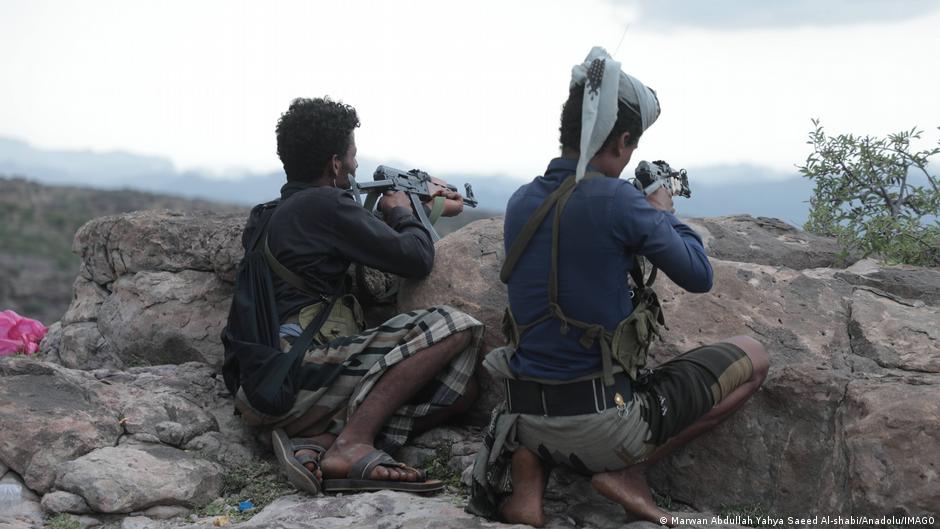
Yemen’s Riyadh-based President Rashid al-Alimi on Friday called on his people to mobilise and join the armed forces while offering a general amnesty to the Iran-backed Houthi rebels who have seized swaths of Yemen's Red Sea coast and imposed a naval blockade on Saudi Arabia.
President Trump and Chinese leader Xi went heavy on the ceremony and light on deliverables as they danced around Taiwan and Iran during two days in Washington.
It’s been a week of walkouts, power plays and diplomatic theatre — from a battle over press freedom in Washington, to a United Nations General Assembly marked by protests and departures, as leaders clashed over Iran, Cuba and Venezuela. There was also a rare red-carpet meeting between Donald Trump and Xi Jinping, as the US and China extended their trade truce and turned their attention to the race for dominance in artificial intelligence. And from the geopolitical to the spiritual, Pope Leo brought his call for restraint and regulation of AI to France, as he sought to position the Vatican as a