World
There’s a ‘New Middle East’, but not the one Israel planned
Instead of redrawing the region, Israel's wars of expasion pushed the region to work together against it.
International news in seven languages
Topic
Instead of redrawing the region, Israel's wars of expasion pushed the region to work together against it.
Scientists in Vienna have achieved a major breakthrough in timekeeping by creating the world’s first self-stabilizing nuclear clock, a technology that could eventually surpass even the most precise atomic clocks. Instead of relying on electrons in atoms, the clock uses the tiny nuclei of thorium atoms, which are far less sensitive to outside disturbances.
Scientists have developed a powerful new way to calculate the Kondo effect, a strange quantum phenomenon that appears when magnetic atoms are embedded in metals. Instead of relying on simplified models, the method uses the real atomic and electronic structures of materials, allowing researchers to predict their behavior with far greater accuracy.
A meteor crater buried beneath Oklahoma has turned out to be nearly 100 million years younger than scientists thought. Zircon crystals show the Ames impact occurred about 370 million years ago, meaning it was not part of the mysterious Ordovician bombardment once linked to a possible ring of debris around Earth. Instead, the impact coincided closely with a major mass extinction that devastated marine life.
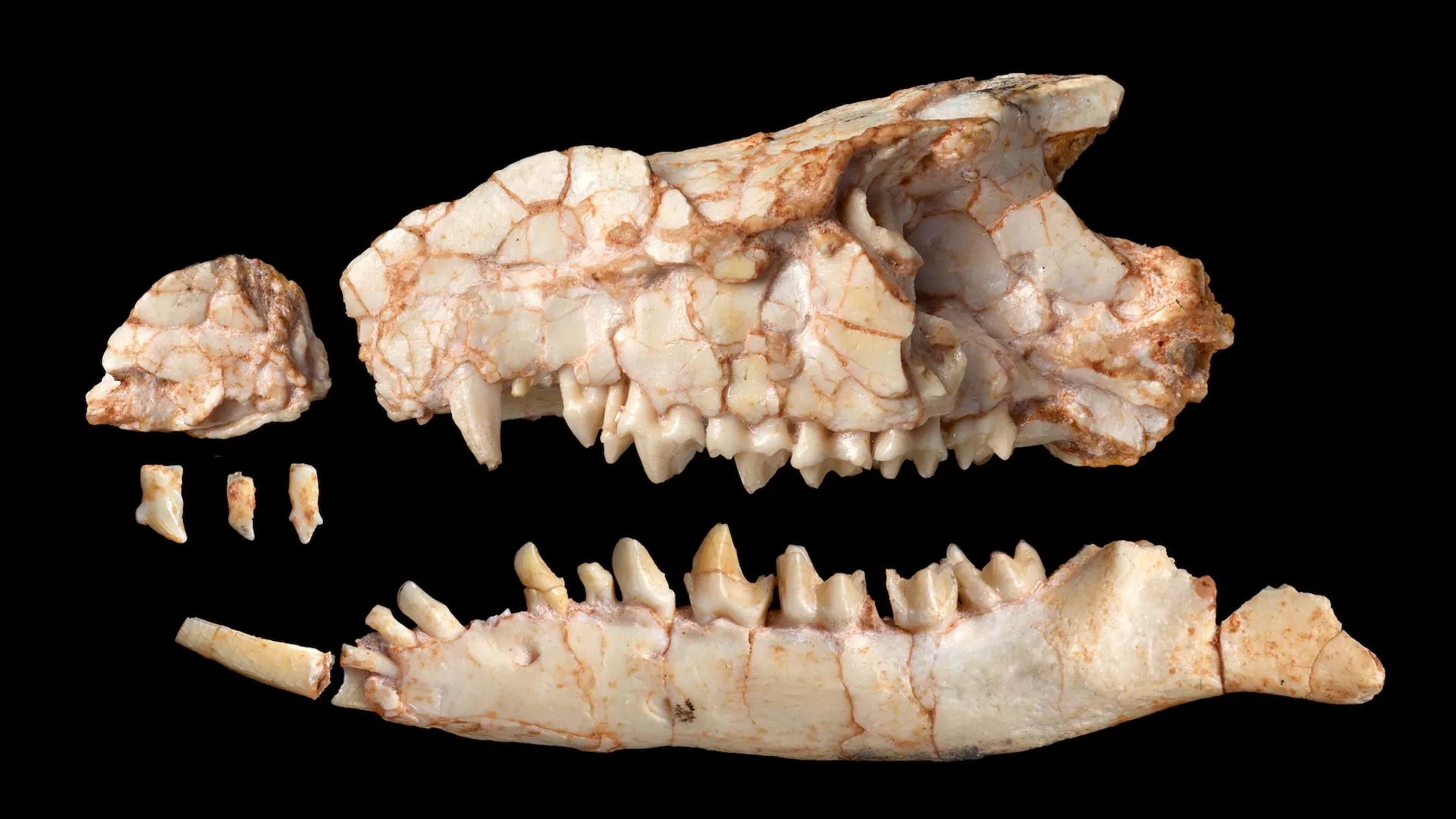
A beautifully preserved fossil from Mongolia’s Gobi Desert has solved a mystery that puzzled paleontologists for nearly 40 years. Tamirkhan balcarceli shows that zhelestids were not early relatives of modern placental mammals, despite having teeth that seemed to suggest they were. Instead, the rabbit-like animal belonged to a separate lineage of small Cretaceous mammals.
President Donald Trump vowed to campaign in 35 of the most competitive battleground races in the final sprint to November's midterm elections. Instead, he will begin October by stumping in Alabama and Oklahoma, two of the most Republican states in the nation. France 24's Fraser Jackson takes a closer look.
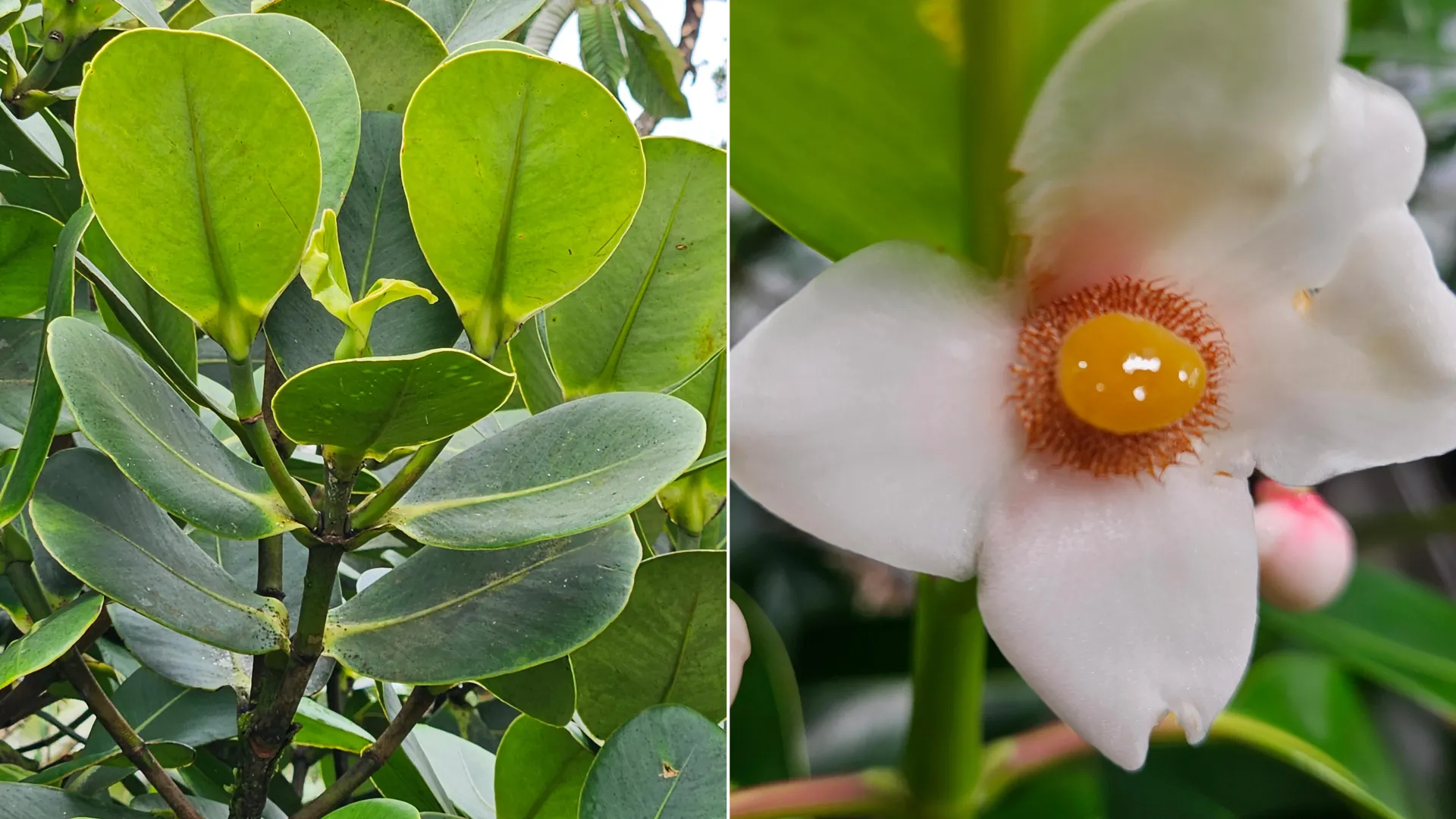
Some tropical trees have evolved a clever way to survive drought by taking in carbon dioxide at night, allowing them to keep their pores closed during the hot daytime and conserve water. By comparing three Clusia species, researchers discovered that this water-saving form of photosynthesis, known as CAM, did not arise through a single evolutionary change. Instead, ancient genome duplications followed by millions of years of genetic reshuffling produced strikingly different strategies, from strong CAM to stress-triggered and hybrid forms.
The ‘dad’ look favours straight lines and muted colours, while ‘dudes’ prefer baggier clothes with adornments There is a competition going on at the US Open this week and it’s not the one involving rackets and balls. Instead, leading men who are not entered into this year’s draw are serving looks rather than aces. Tennis legend Roger Federer took to the court on Tuesday in navy blue polo shirt and shorts, navy blue sweatbands and navy blue socks. The cuts were trim and the top was tucked in. The young Spanish player Carlos Alcaraz wore a Nike vest, untucked and the colour of Ribena, maroon sho