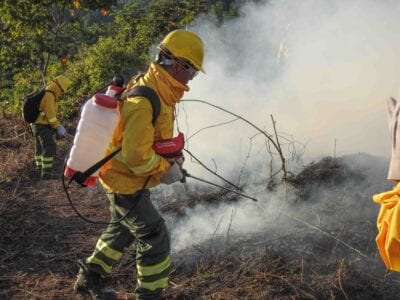
Peru’s Indigenous people in Cutivireni and Oviri take the front line against Amazon wildfires
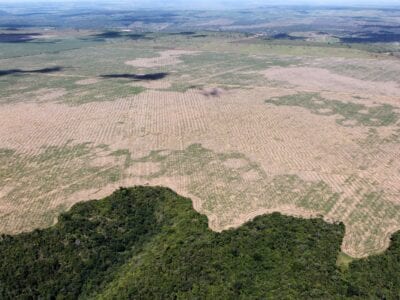
As El Niño worsens dry conditions, Peru’s indigenous people in Cutivireni and Oviri are taking action to protect their Amazon territory from wildfires.
International news in seven languages
Topic
As El Niño worsens dry conditions, Peru’s indigenous people in Cutivireni and Oviri are taking action to protect their Amazon territory from wildfires.
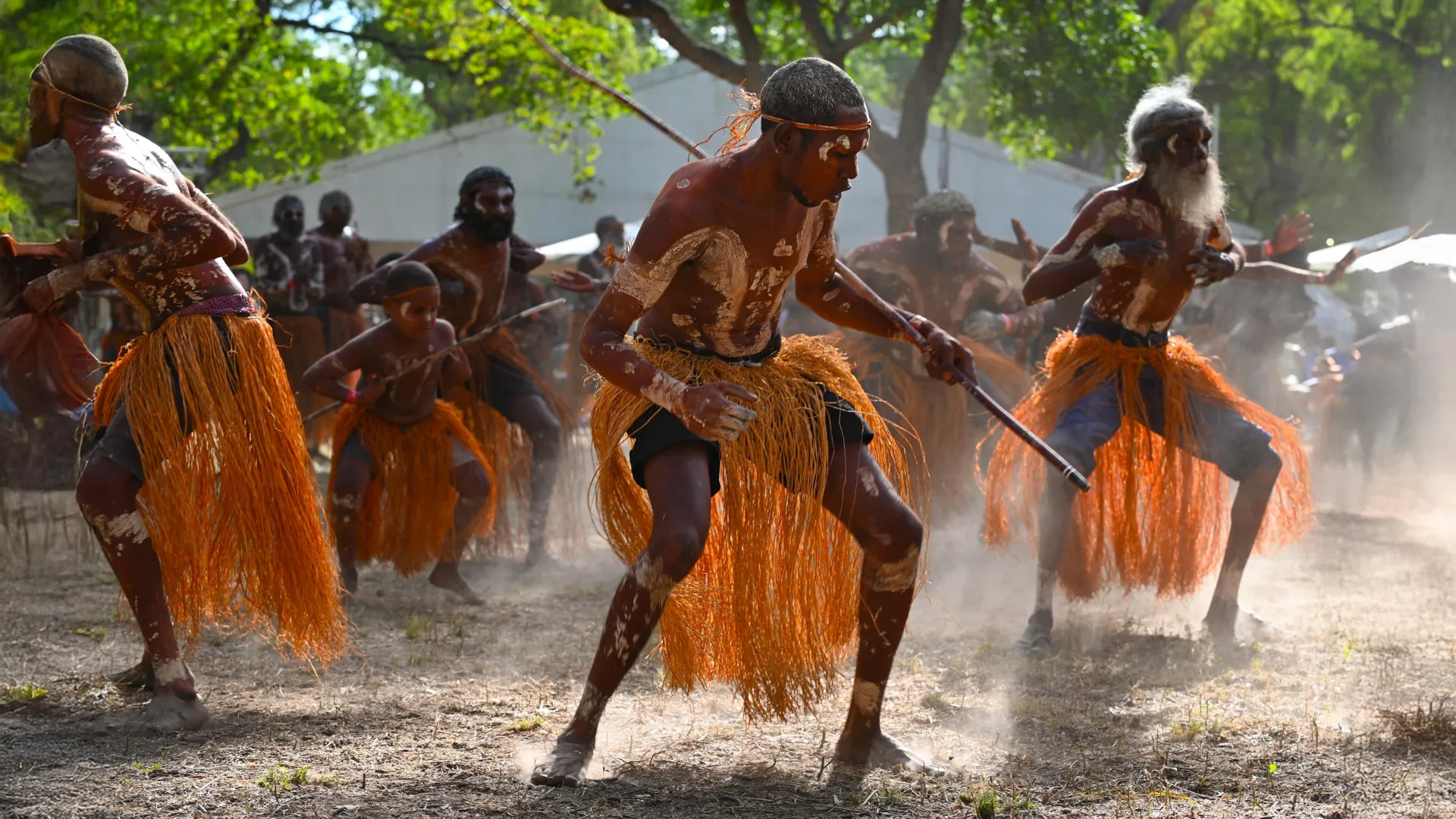
A groundbreaking study suggests that 2.22 million Indigenous Australians lived on the continent before European colonization, far more than previously believed. Researchers estimate that 93% of this population was lost within 73 years, revealing a demographic catastrophe on a scale that dramatically changes our understanding of Australian history.
The former rebels are accused of abuses such as torture, murder and the displacement of Indigenous communities.
Ballot boxes reach remote Indigenous communities by boat as Brazil votes, with Amazon conservation a key issue.
Too often, resources and meaning flow outward from the community that created them and enrich outsiders — often the same groups that have been oppressing them for centuries.
As I read through the pieces Global Voices’ authors contributed to the August 2026 Spotlight series, “Indigenous Rights,” one common question stands out for me: Who gets to decide?
The word Indigenous today belongs, above all, to history. “Mozambican” is the word that was born of the new sovereignty. But understanding the meaning of this citizenship requires remembering the journey that came before.
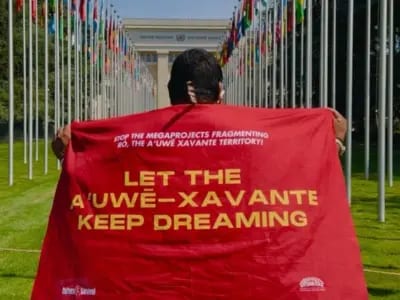
An Indigenous-led campaign denounces the impacts of a mega railway project and demands respect for territory, self-determination, and the right to live and dream.