Science
Scientists discover new 'immune hubs' in skull bone marrow
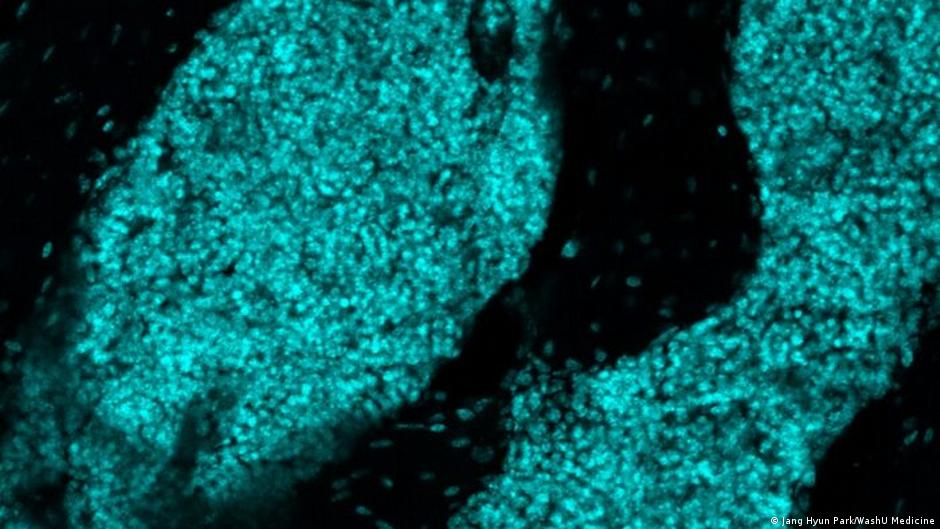
"Immune hubs" that actively defend the brain have been discovered in mouse skull marrow. Similar cells exist in human skulls, but their role remains unclear.
International news in seven languages
Topic
"Immune hubs" that actively defend the brain have been discovered in mouse skull marrow. Similar cells exist in human skulls, but their role remains unclear.
Scientists have discovered that some severe genetic disorders linked to rapid aging may be driven not just by damaged DNA, but by the body’s overreaction to that damage. When broken DNA fragments leak into the wrong part of a cell, an immune sensor called cGAS can mistake them for signs of a viral infection, triggering chronic inflammation and even interfering with DNA repair itself.
Scientists discovered a hidden “immune organ” inside the skull that acts as a rapid first responder against brain cancer in mice. Strengthening this local immune defense improved tumor rejection and survival, raising the possibility of new treatments that target the skull directly.