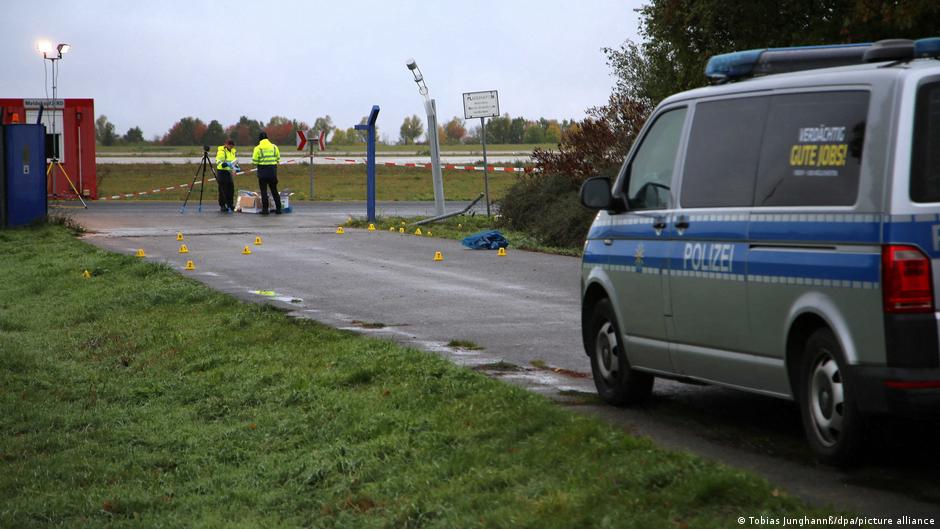
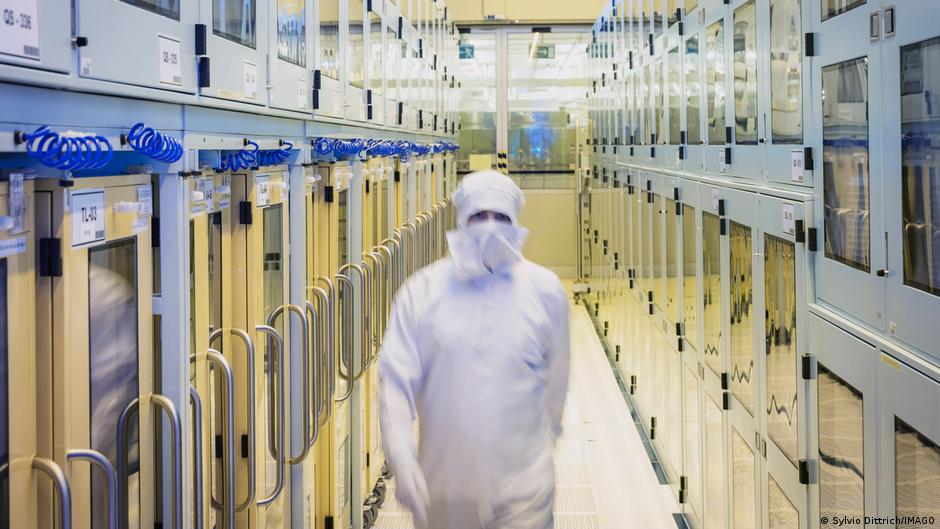
Two men breached a fence at the Leipzig/Halle airport while practicing for a driving test. Meanwhile, German Chancellor Friedrich Merz announced an industrial AI partnership with Nvidia. DW has more.
Would you work 12 hours straight? The CDU/CSU and SPD are locked in a dispute over reforms to the Working Hours Act. Workplace flexibility, collective bargaining agreements and worker protection rules are at stake.
A fence breach at the Leipzig/Halle airport has triggered a major police operation. And, Christian Social Union leader Markus Söder calls for a "firewall" against leftists at a conservative youth conference.
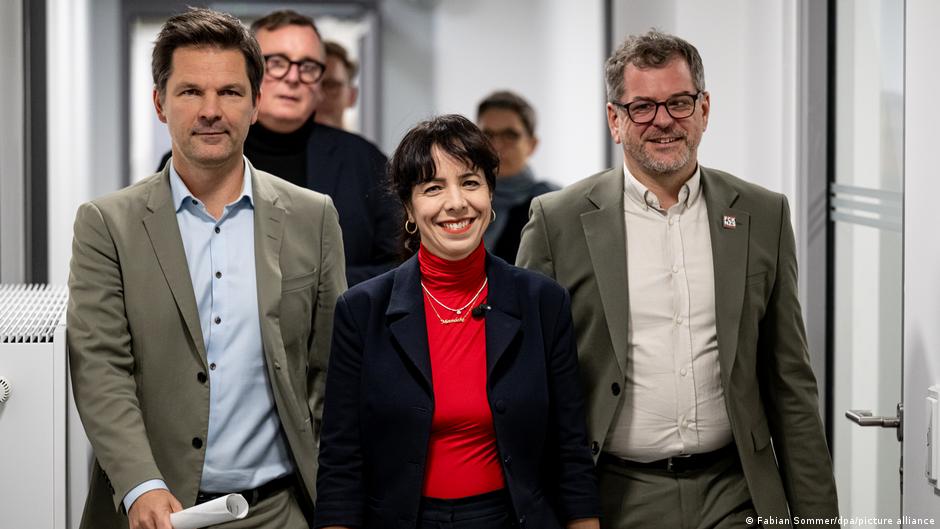
Berlin's left-leaning parties have successfully concluded exploratory talks, and formal coalition negotiations could begin next month if party members approve. Follow DW for more.
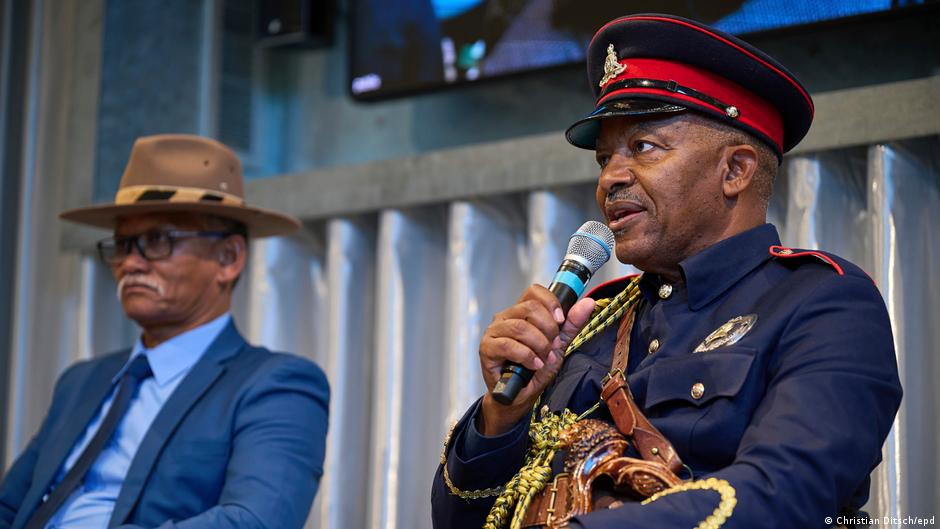
Opposition parties have forced a debate in the Bundestag on the early-20th-century genocide Germany carried out in Namibia. Will this finally spur progress in addressing colonial crimes?
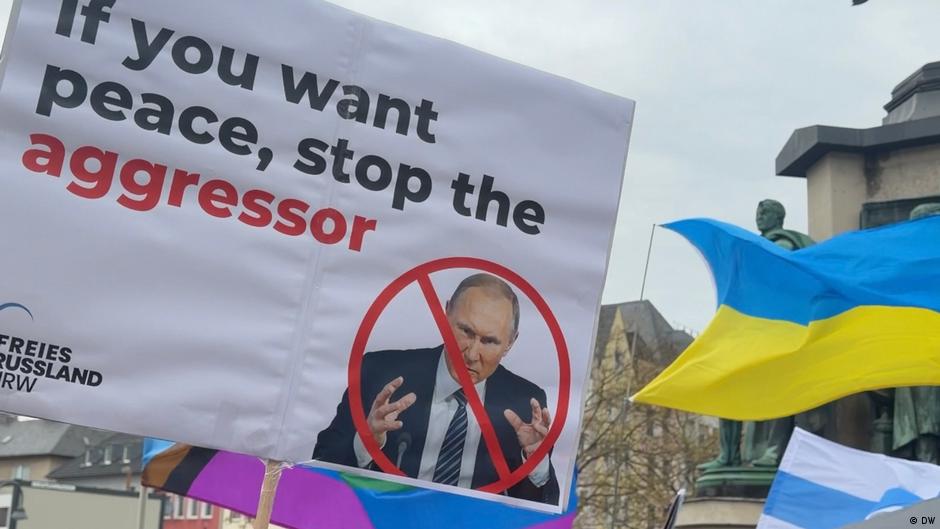
Experts believe that, so far, Germany has been ill-prepared — both militarily and mentally — for Russian provocations. They also warn against the idea that ending support for Ukraine would make Germany safer.
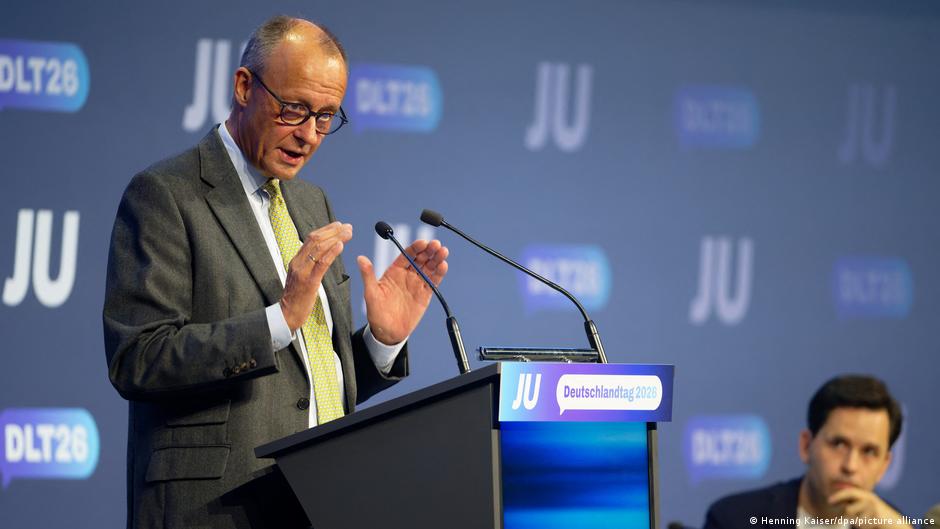
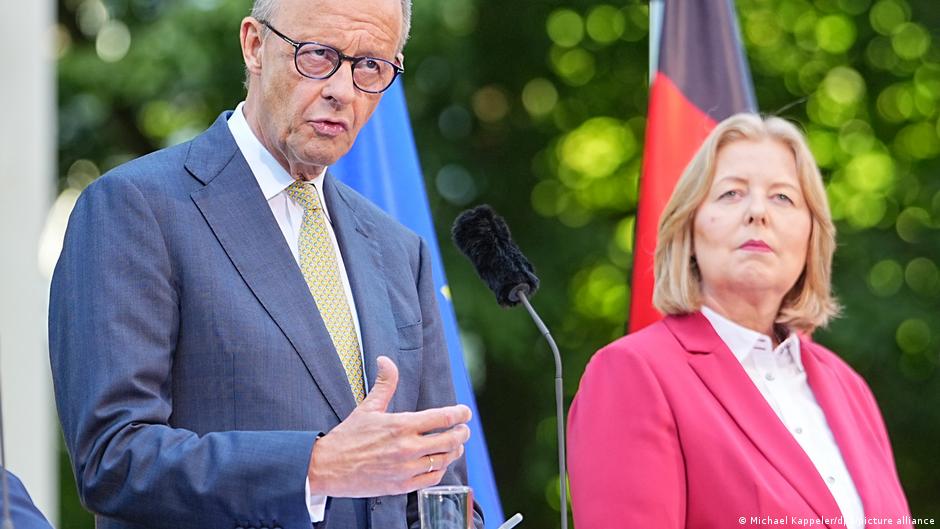
Friedrich Merz, who has struggled for support within his party, on Saturday meets with the CDU/CSU's 90,000-strong Young Union. In Schleswig-Holstein, 3,000 people are expected at an AfD youth rally. DW has more.
Opposition parties have forced a debate in the Bundestag on the early-20th-century genocide Germany carried out in Namibia. Will this finally spur progress in addressing colonial crimes?
Germany's opposition parties have forced a debate in the Bundestag on the genocide against the Ovaherero and Nama. But will this finally spur progress in addressing colonial crimes?
Scientists investigating Nazi Germany's secret nuclear program have uncovered evidence that its final experimental reactor was nowhere near as close to working as previously claimed. Analysis of surviving uranium cubes and wartime documents reveals that Germany lacked the enormous quantities of uranium and heavy water needed to make its reactor operational.
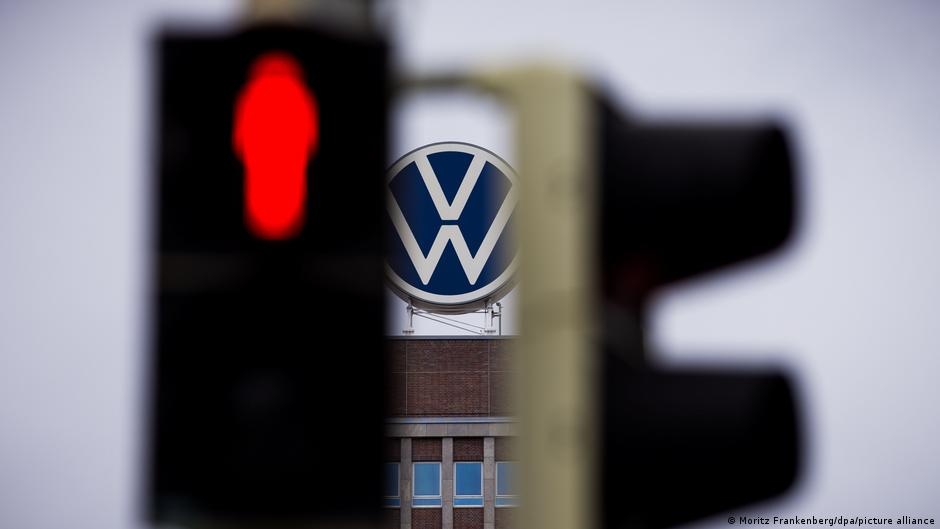
The two countries said the agreement aimed to safeguard Europe's automotive industry, encouraging development and research. Automakers in Europe have so far struggled to compete with Chinese electric car companies.
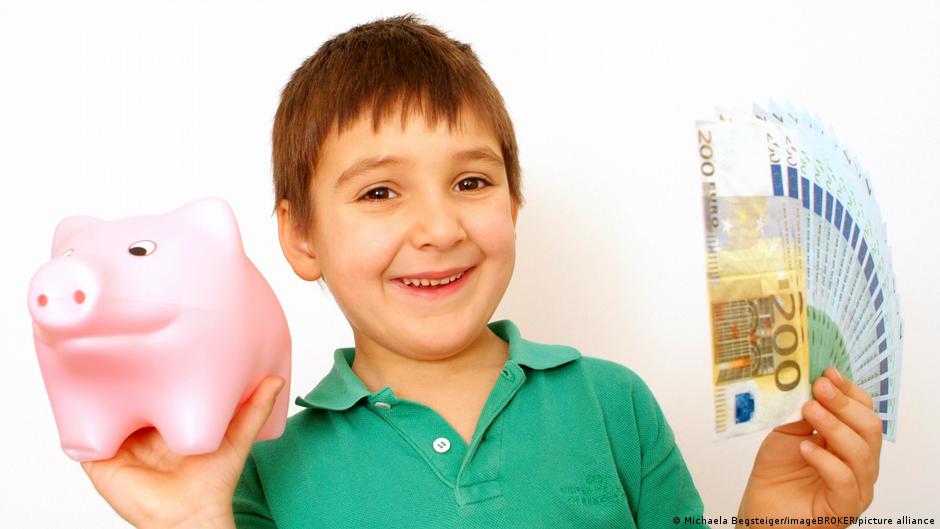
Germany's parliament has backed a plan to help children save for retirement from the age of 6. Meanwhile, Jewish students report death threats after they confronted a far-right lawmaker.
Paris and Berlin on Friday confirmed their deal aimed at protecting Europe's struggling automotive sector, having reached agreements on the flashpoint issues of EU car emissions and "made in Europe" components. A draft deal reviewed Thursday showed the two countries backing looser EU emissions rules for carmakers.
Germany deepened its longstanding engagement with WHO on Thursday with two new agreements: one to contribute a further €40 million to WHO’s work in health emergencies, and a second to host the Berlin-based WHO Hub for Pandemic and Epidemic Intelligence. With the new contribution, Germany has provided €53.5 million so far this year to support WHO’s response to more than 50 active health emergencies. “This is important because climate disasters, conflicts, and the ongoing pandemic demand urgent action,” said Susanne Baumann, State Secretary of the Federal Foreign Office for Germany (GFFO), whose
Germany's Labor Minister Bärbel Bas has stepped down, citing a family bereavement and the harsh realities of political life. Why is German politics today so often unforgiving?
The men were found guilty of espionage and attempted murder. According to the court, they planned to attack the president of the Central Council of Jews in Germany and president of the German-Israeli society.