World
Merz vows to keep coalition together for Germany's 'democratic future'
The chancellor has come under increasing pressure after resounding state election defeats, but says the results "go far beyond my own person"
International news in seven languages
Topic
The chancellor has come under increasing pressure after resounding state election defeats, but says the results "go far beyond my own person"
The far right AfD claims it has become Germany’s new “people’s party”. The statement comes after AfD claimed its second regional election win in as many weeks, ramping up pressure on the poorly performing CDU and Chancellor Friedrich Merz. The far-left party also advanced, winning its third regional election thanks to its latest victory in Berlin. Perspective spoke to Hans Stark, professor in contemporary German civilization at Sorbonne University, who said that Merz is now in a very fragile situation, but that there is no obvious candidate to take over from him.
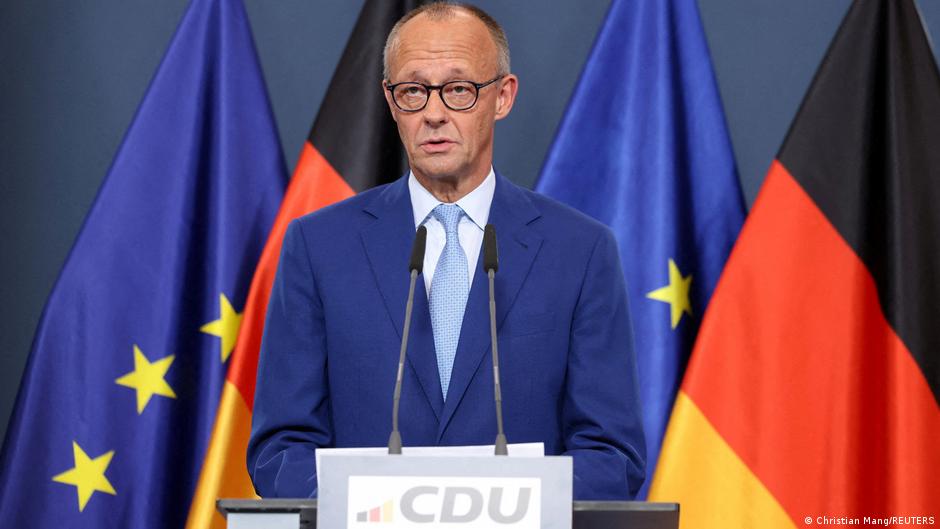
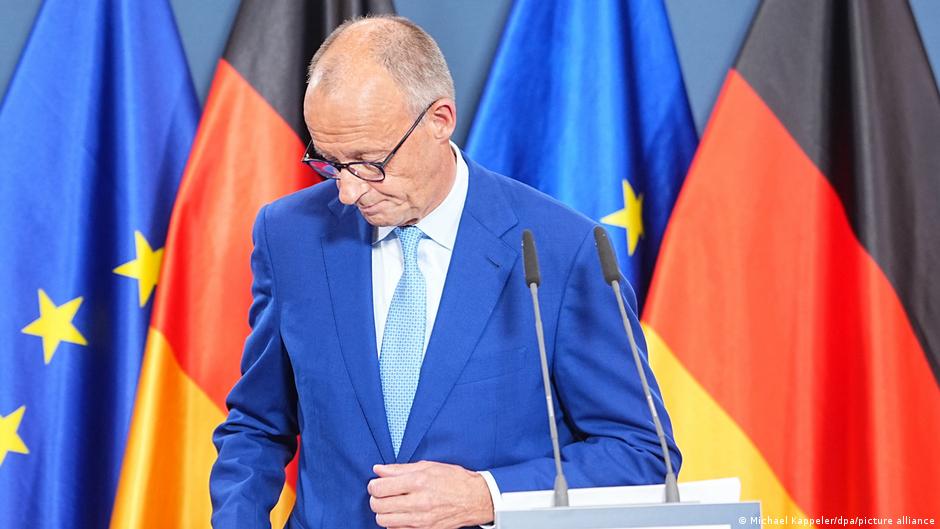
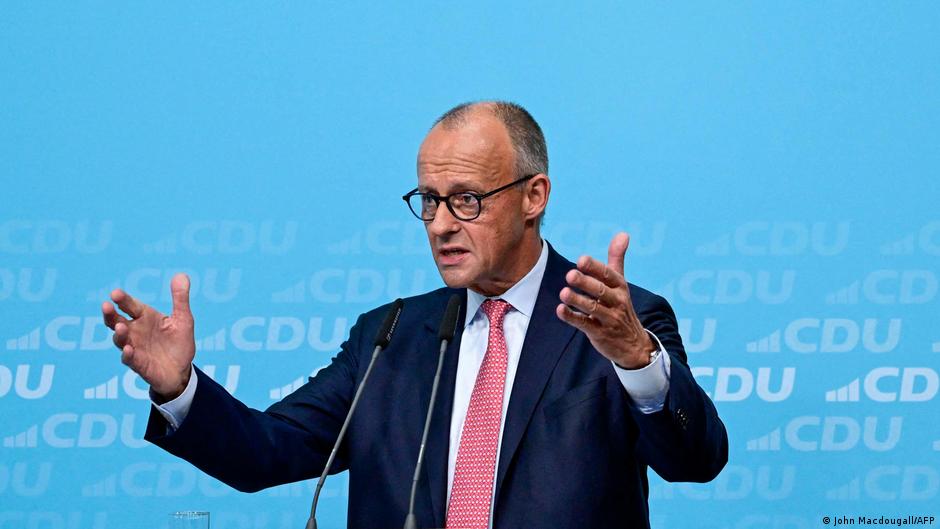
German Chancellor Friedrich Merz and CDU representatives held a press conference on Monday, September 21, after the party suffered its worst regional election defeat in postwar Germany. Merz called the result in Mecklenburg-Western Pomerania a “disaster”, as the CDU fell below the 5% threshold for entering the state parliament. According to FRANCE 24 Europe editor Armen Georgian, Merz and his party’s Berlin candidate, Stefan Evers, offered no concrete solutions to address the historic defeat, despite pledging to keep the coalition together in the name of a “democratic future.”
German Chancellor Friedrich Merz vowed Monday to keep his ruling coalition of the centre-right CDU and centre-left SPD together for the sake of the country's "democratic future", after both the far right and hard left made big gains in Germany's state elections on Sunday.
Another electoral setback for German Chancellor Friedrich Merz, as his centre-right CDU performed poorly in two state elections on Sunday. Projections showed the party failing to enter the state parliament in Mecklenburg-Western Pomerania, where the far-right AfD came out on top, while the far-left Die Linke led the vote in Berlin. The AfD also made significant gains in both states, building on its recent victory in Saxony-Anhalt. France 24 Europe editor Armen Georgian shares further insights.
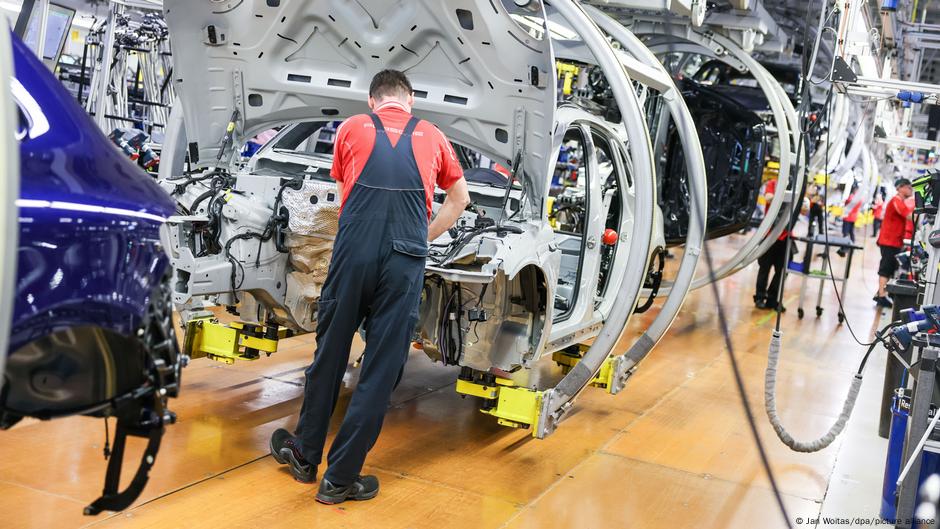
German carmakers want employees to work 40 hours instead of the current 35 without extra pay, arguing it would improve competitiveness. Unions strongly oppose the proposal and view it as an attack on workers' rights.
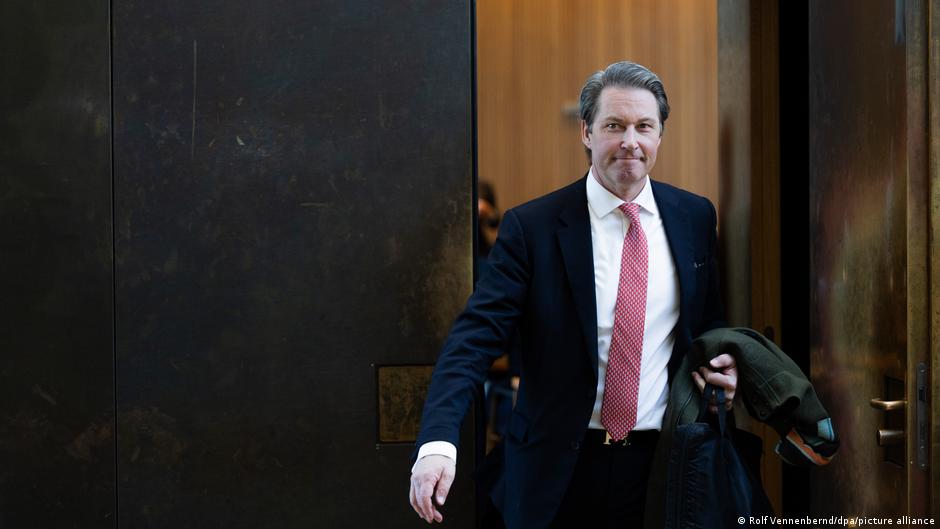
Former Transport Minister Andreas Scheuer is being tried for perjury related to a failed car toll scheme. And cherry farmers have brought in a bumper harvest.
Germany’s regional elections delivered mixed results for the country’s major parties. In Mecklenburg-Western Pomerania, the far-right AfD won the largest share of the vote, but remains isolated as other parties have ruled out coalition talks, leaving incumbent SPD premier Manuela Schwesig with a realistic path to forming a government. In Berlin, meanwhile, the Left Party came out on top and could potentially form a coalition with the Greens and SPD. The CDU, however, performed poorly in both elections, putting additional pressure on Chancellor Friedrich Merz and his conservative bloc. Speaking
German carmakers want employees to work 40 hours instead of the current 35 without extra pay, arguing it would improve competitiveness. Unions strongly oppose the proposal and view it as an attack on workers' rights.
Pressure is mounting on Chancellor Friedrich Merz after his CDU's defeats in two state elections, which saw more gains for the far-right AfD. In the capital Berlin, the socialist Left Party finished first. Follow DW.
Sunday's elections in two German states resulted in the defeat of the country's ruling CDU, a result described as a “disaster” by Chancellor Friedrich Merz. In Mecklenburg-Western Pomerania, in the northeast of the country, the far-right AfD became the strongest party while the hard-left Die Linke led the polls in Berlin.
The far-right AfD has come first in the state election in Mecklenburg-Western Pomerania, with Chancellor Merz's CDU failing to enter parliament. Meanwhile the Left Party took first place in Berlin. DW has more.
Elections in Berlin and Mecklenburg-Western Pomerania have dealt the CDU a historic defeat while the AfD saw a massive gain. The pressure on Germany's unpopular chancellor is mounting.
German voters have delivered a fresh setback to Chancellor Friedrich Merz in two key regional elections.
Exit polls have the far-right AfD leading the Social Democrats in Mecklenburg-Western Pomerania and the Left Party ahead in Berlin. Merz referred to the outcome as "a disaster". DW has more.
German Chancellor Friedrich Merz on Sunday described his CDU party's heavy losses in two regional elections as a "disaster", but vowed to push ahead with a reform drive. The far-right Alternative for Germany (AfD) party took first place in the northeastern state of Mecklenburg-Western Pomerania, exit polls showed, and also gained in strength in another election in Berlin.
Elections in Berlin and Mecklenburg-Western Pomerania are expected to bring gains for the far-right AfD party and could determine whether Chancellor Friedrich Merz can hold on to power. Follow DW live.
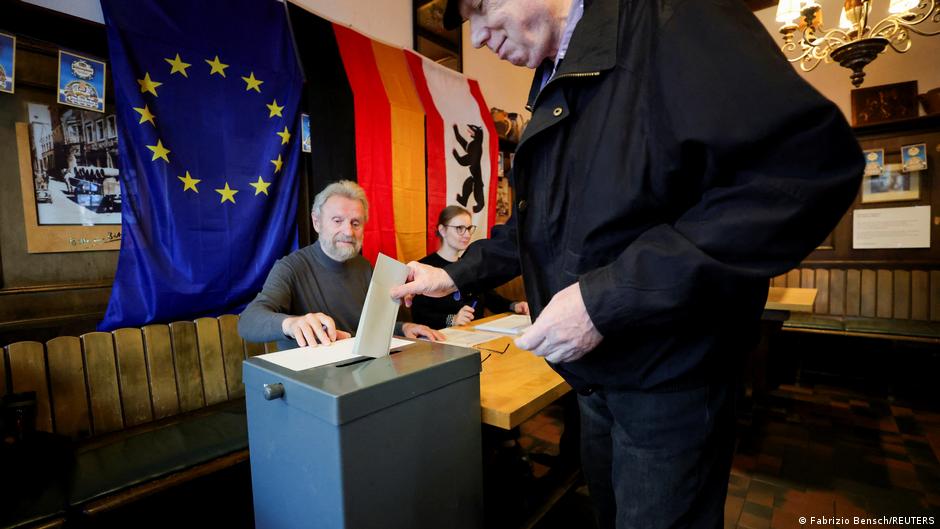
Polling is underway in the German capital Berlin and the largely rural state of Mecklenburg-Western Pomerania for regional elections. Both elections are seen as a test for Germany's centre-right Chancellor Friedrich Merz. He has already scheduled a crisis meeting and decided to skip this week's UN General Assembly to deal with the potential fallout. Could he be forced to step down based on the election’s results? Details and analysis by Yann Wernert, senior policy fellow at the Jacques Delors Centre in Berlin.
Two weeks after the far-right AfD won its first major regional election in Germany, two more eastern states vote this Sunday. Polls have just opened in the capital, Berlin, and the largely rural state of Mecklenburg-Western Pomerania. Details by FRANCE 24 correspondent in Berlin, Jörg Taszman.
Voting in Berlin and Mecklenburg-Western Pomerania is expected to bring gains for the far-right AfD party and could determine whether Chancellor Friedrich Merz can hold on to power. Follow DW live.