World
Palestinians still being killed in Gaza, one year into ‘ceasefire’
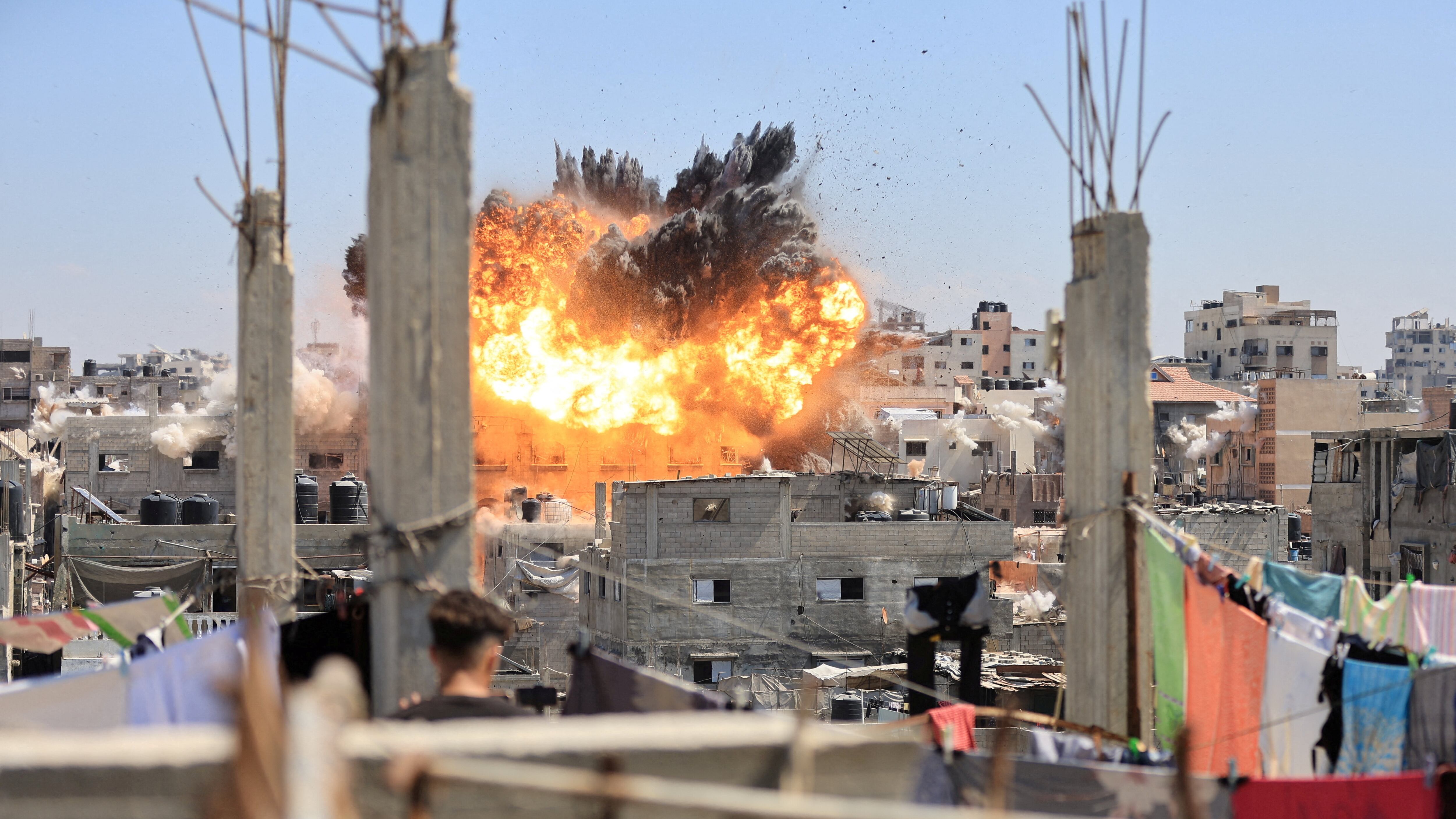
One year to the day after the US-brokered ceasefire was agreed, more Israeli attacks killed Palestinians in Gaza.
International news in seven languages
Topic
One year to the day after the US-brokered ceasefire was agreed, more Israeli attacks killed Palestinians in Gaza.
One year after the entry into force of the Israeli-Hamas ceasefire on 10 October 2025, the Gaza Strip continues to face a serious humanitarian situation. The agreement provided for the suspension of military operations and the extension of the entry of humanitarian aid. Although access to supplies has improved, it remains unstable, according to the Integrated Classification of Food Safety in Fases (ICF). The aid has led to a reduction in malnutrition, but high levels of food insecurity remain, aggravated by prices and difficulties.
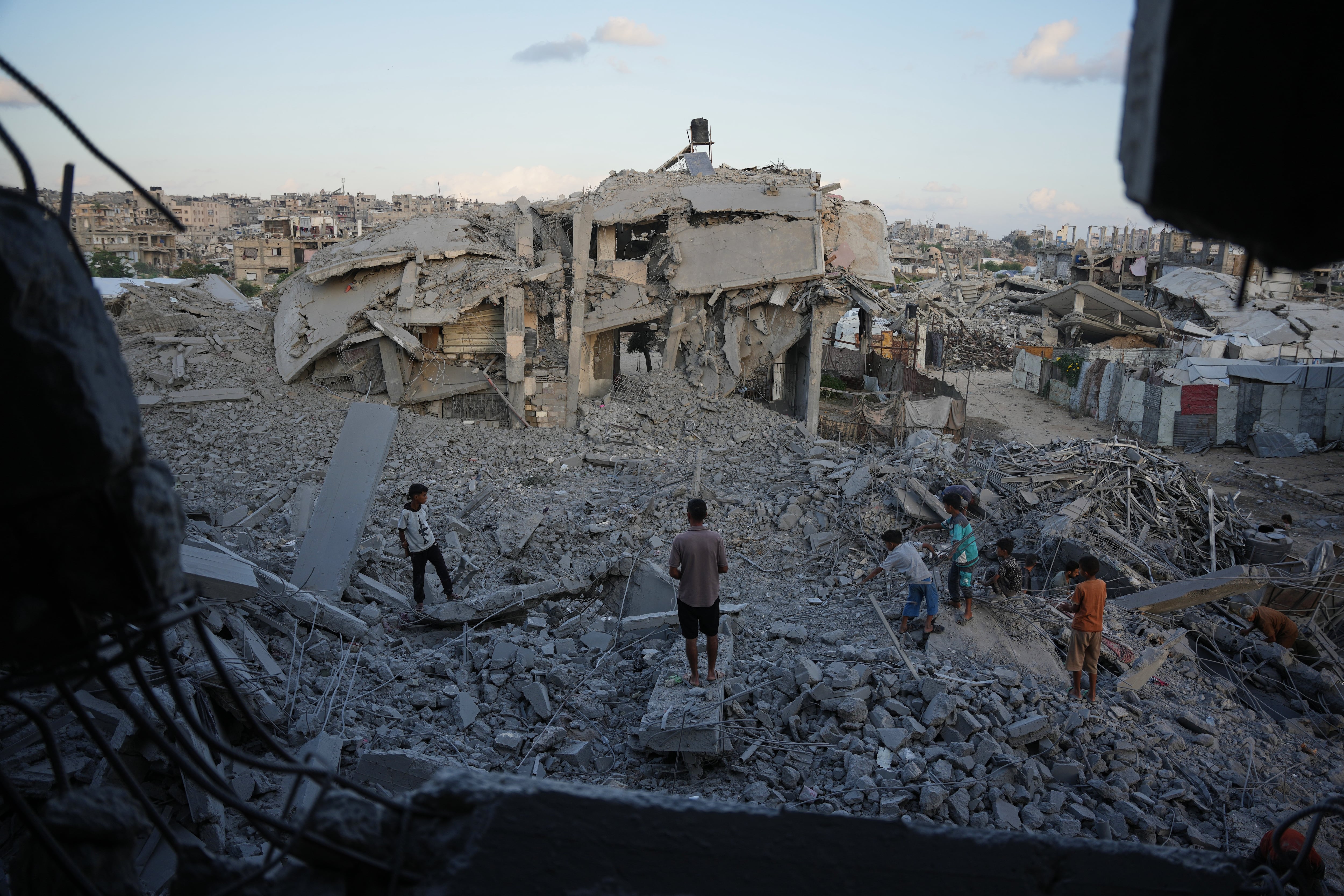
An agreement unfulfilled and violated by Israel. After one year of the signing of the ceasefire in the Gaza Strip, only the immediate end of the violence - the reduction in the number and hardness of the attacks - has been achieved. But in nine out of every ten days, Israel has fired lethal artillery fire, killing almost 1,480 Palestinians. Israel has also not stopped its military operations, continues to occupy almost 70 per cent of the enclave, has imposed new outposts and continues to destroy infrastructure. Our correspondent, Janira Gómez Muñoz, expands our information.
A real estate crisis in Gaza has forced professionals to use tents as surgeries and offices.
At least 1,481 Palestinians killed in Israeli attacks since last year's 'ceasefire', Gaza's Health Ministry says.
Analysts say board has 'failed' in its attempts to secure lasting peace in Gaza.
Continuing attacks, restrictions on medical aid and delayed evacuations are still killing Palestinians.
The question is how much non-compliance with the ceasefire we are willing to admit before we recognize that Israel has ceased to comply with
"We need supplies, crutches, wheelchairs: it is very difficult for us to introduce them to Gaza and deliver them to patients with disabilities," says a doctor from the Gaza Strip
Israel bombed daily and prevented reconstruction, punishing two million people. After receiving the last hostages from Hamas, he has emptied the truce of content, with the silence of the United States and the Peace Board
The BBC documented the lives of several children in Gaza for months. How do they survive in the face of the almost absolute collapse of essential services?
It was a year ago: the signing of the peace plan for Gaza proposed by Donald Trump. The cease-fire, which came into effect the next day, has since only the name, violated almost every day by the Israeli army. Living conditions in the enclave are always extreme, the population without perspective; subjects absent from the campaign for Israeli legislatures. Geopolitologist Dominique Moïsi, a specialist in the Middle East, was the Invity of Au Coeur de l'Info.
It’s been a week of vigils, protests and political upheaval – from Israel, where three years after the Hamas-led attacks, former hostages and mourners called for accountability over the failures of October 7th, as questions grow over the stalled path to peace in Gaza; to France, where mass demonstrations over chronic underfunding and poor conditions have drawn students, unions and hundreds of thousands of protesters into the streets, just months ahead of a presidential election. In Spain, Prime Minister Pedro Sánchez has made the housing crisis the centrepiece of a high-stakes electoral gamble
BBC correspondent Joe Inwood explains how Pillay's childhood in South Africa led her to become a driving force in international law from Myanmar to Gaza.
Humanitarian and human rights groups call out Israel's continued killings and restrictions across the enclave.
A US charity announced it will use an AI-software to monitor Gaza classrooms for ‘anti-Semitism’ and ‘hate speech’.
Navanethem Navi Pillay, former South African judge of the International Criminal Court (ICC) and president of the United Nations commission of inquiry that concluded that Israel committed "genocide" in Gaza, won the Nobel Peace Prize on 9 October for their efforts to promote peace and international law. "The Nobel Committee stressed the need to protect the international legal order against the development of strong relations, while the President of the European Commission, Ursula von der Leyen, commended the" courage and moral clarity "of the award-winning. What does the ele represent?
Navi Pillay, a South African-born jurist and former UN human rights chief whose career has spanned from defending the rights of an imprisoned Nelson Mandela to leading a panel that found that Israel committed genocide in Gaza, won the Nobel Peace Prize on Friday for her efforts to promote international law as it comes under attack. For more, FRANCE 24’s William Hilderbrandt is joined by Jørgen Watne Frydnes, Chair of the Norwegian Nobel Committee.