World
Tourist found guilty after stealing Las Vegas flamingo from enclosure
The man testified that he snatched Peachy from its enclosure at the Flamingo hotel and casino after drinking 30 to 40 beers, but did not mean any harm.
International news in seven languages
Topic
The man testified that he snatched Peachy from its enclosure at the Flamingo hotel and casino after drinking 30 to 40 beers, but did not mean any harm.
Ugandan police say a male body has been found in a village near Kampala, and his head has yet to be located.
Former army sergeant major Robert Kabera was a popular YouTuber and singer, who had sought asylum in Uganda.
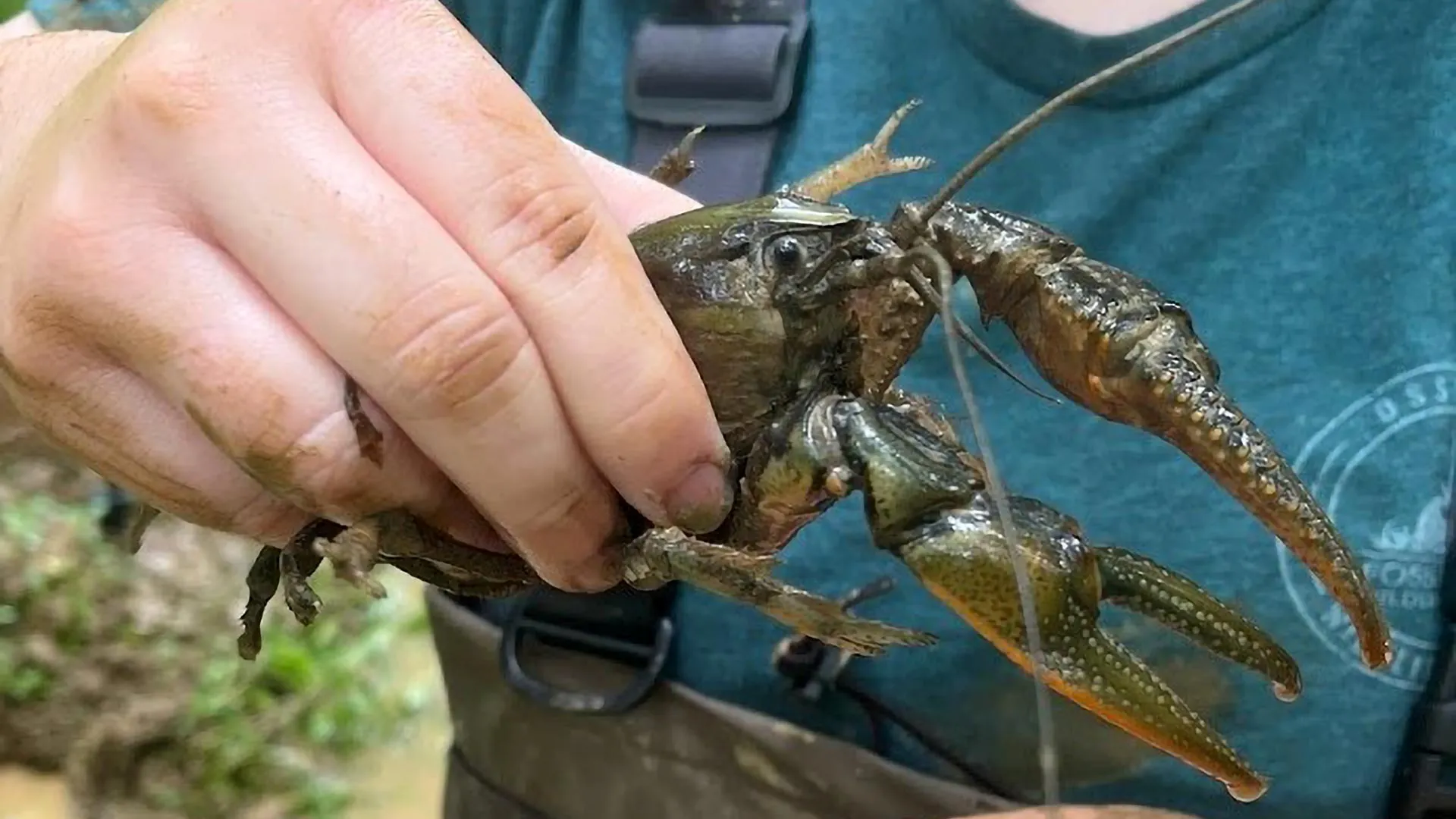
A nationwide search for giant crayfish uncovered a record-breaking Tennessee specimen and a surprising mystery about how big these freshwater creatures can grow. Scientists found that North American crayfish seem to hit a biological size limit, possibly because of their muscles or protective shells.
Clay analysis traces recovered storage jars to early history workshops operating across the Jordan Valley.
The world’s oldest known shipwreck has been discovered off Turkiye’s coast, dating back nearly 5,000 years.
Archaeologists say the wreck is up to 4,700 years old, dating to the Early Bronze Age.
Renoir art heist suspects were planning 'imminent' second robbery, prosecutors say.
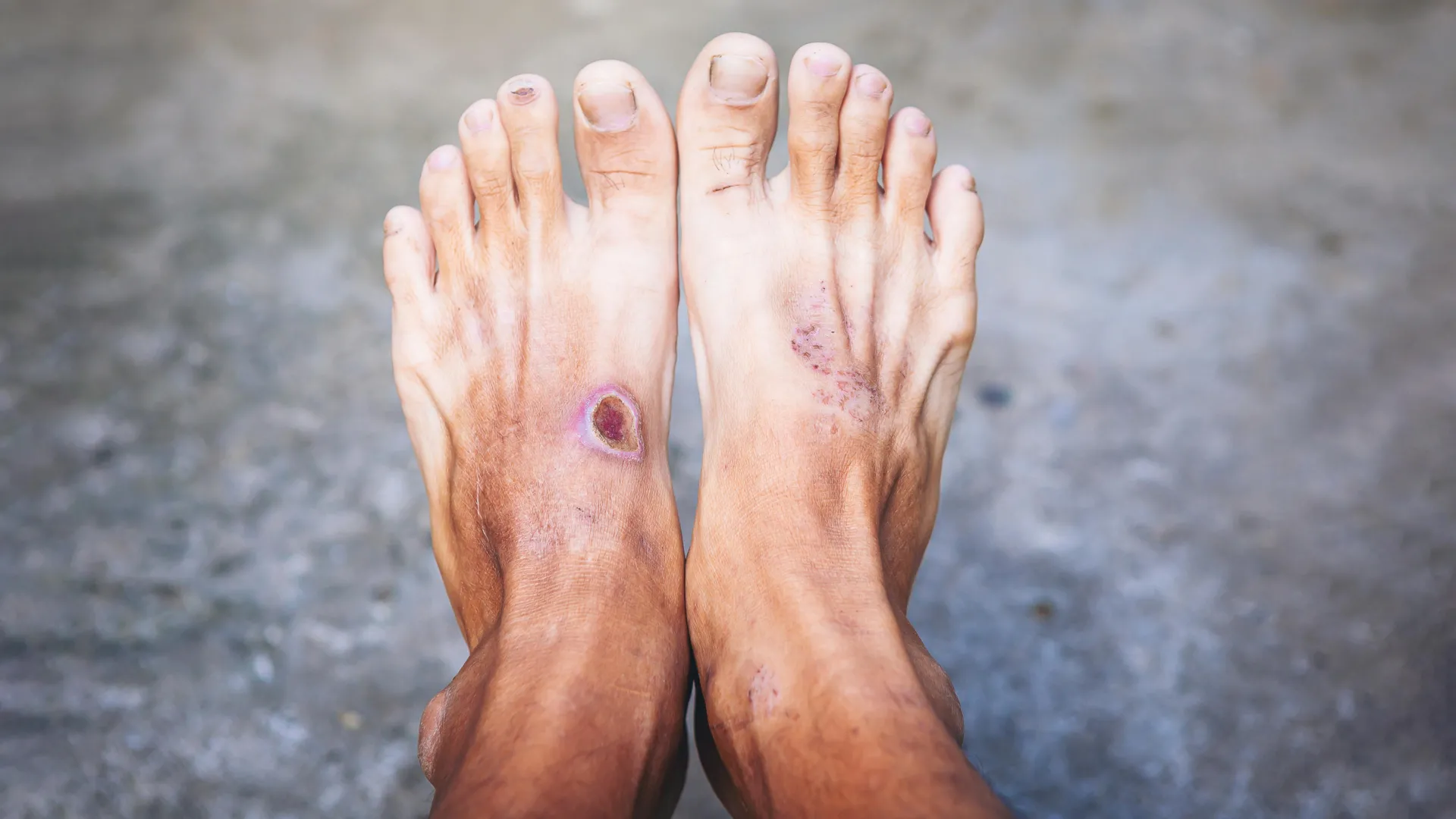
Chronic diabetic wounds may fail to heal because immune cells remain locked in damaging inflammatory states instead of transitioning toward tissue repair. Researchers are exploring treatments that reprogram these immune responses, raising hopes for more targeted and effective therapies for diabetic ulcers.
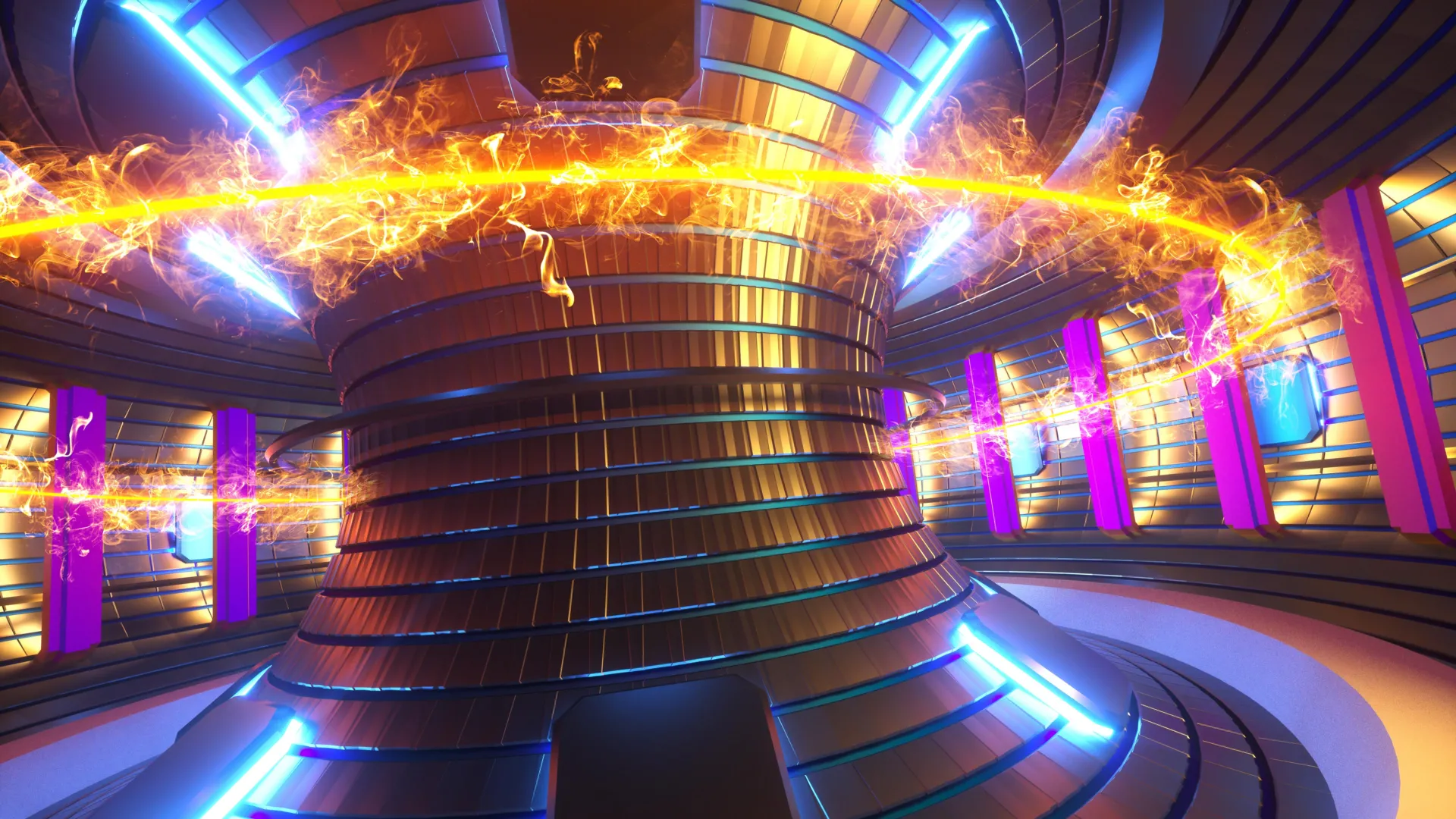
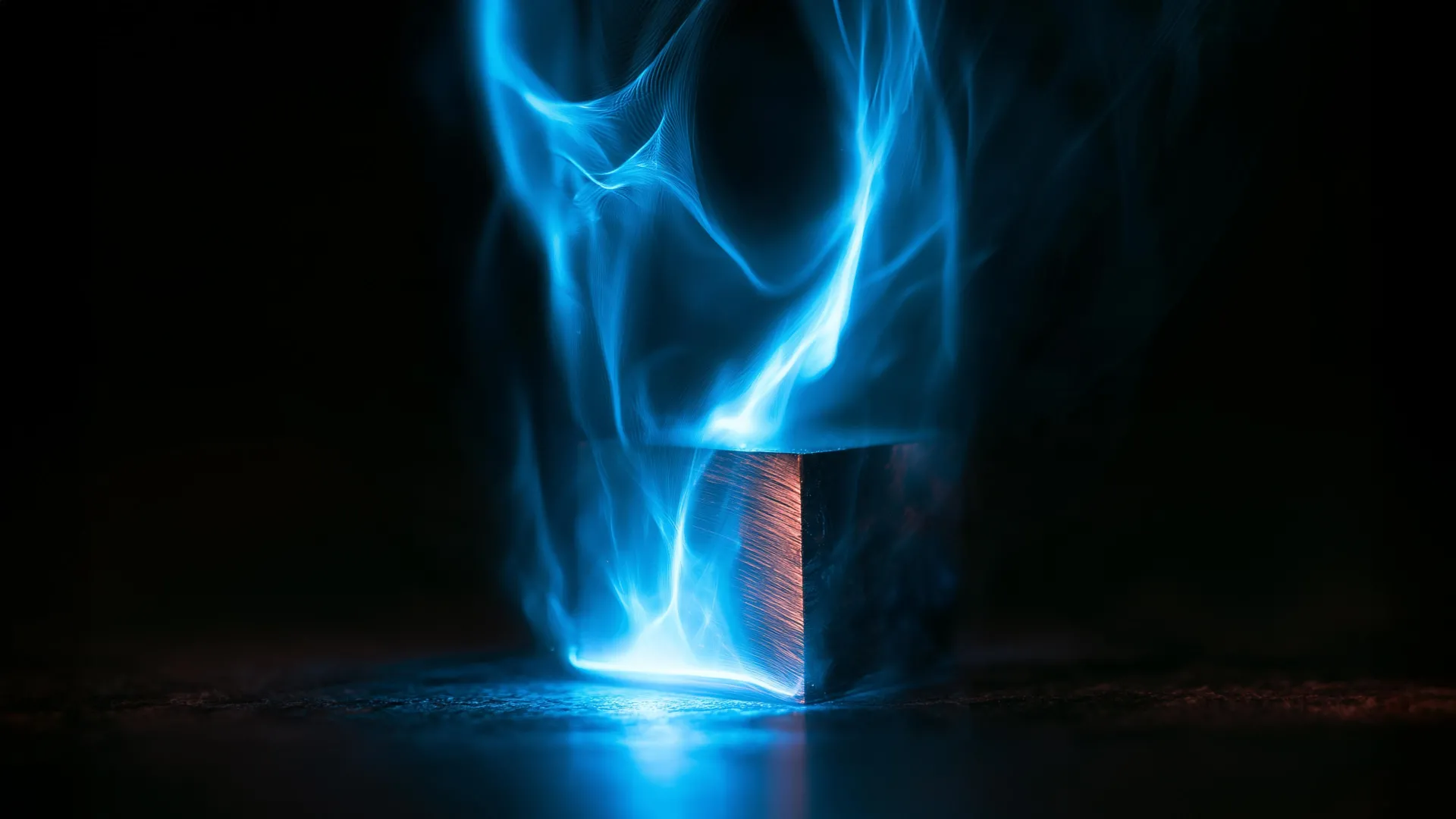
Princeton Plasma Physics Laboratory may have found a dramatically more efficient route to fusion energy by reversing the traditional approach: heating plasma first, then increasing its density. Their calculations could help future reactors reach self-sustaining fusion with far less energy while avoiding hidden problems that make ignition harder.
Jake and Callum Robinson and their friend Carter Rhoad were on a surf trip when they were killed in an apparent botched robbery.
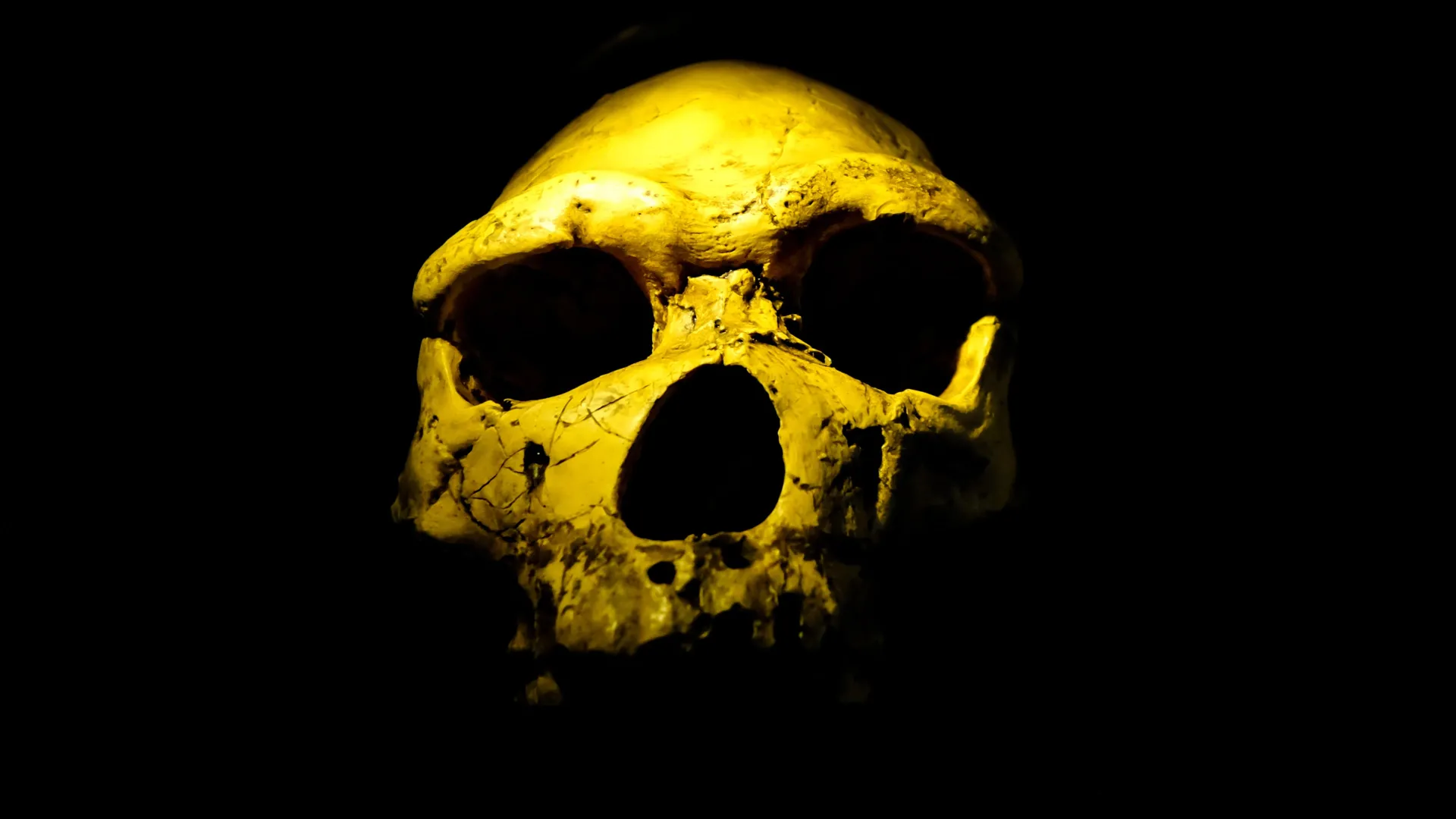
New fossils from South Africa are reshaping the story of early human evolution. Researchers have described 18 hominin fossils from Drimolen Cave, including an adult Homo erectus skull fragment dated to about 2 million years ago, supporting evidence that the species appeared in southern Africa roughly 200,000 years earlier than long thought. The finds also reveal that Paranthropus robustus, which lived alongside Homo erectus, was gradually evolving even larger teeth and stronger chewing muscles as the climate changed.
Physicists have found striking evidence for an unusual form of superconducting behavior in uranium ditelluride, where electron pairs organize into rippling patterns called pair density waves. Even more surprisingly, these patterns appear to survive after ordinary superconductivity disappears, suggesting that the electron pairs responsible for superconductivity may begin forming before the material actually becomes superconducting.
Restrictions remain in place on Blyth Beach after a pollution incident was reported in August.
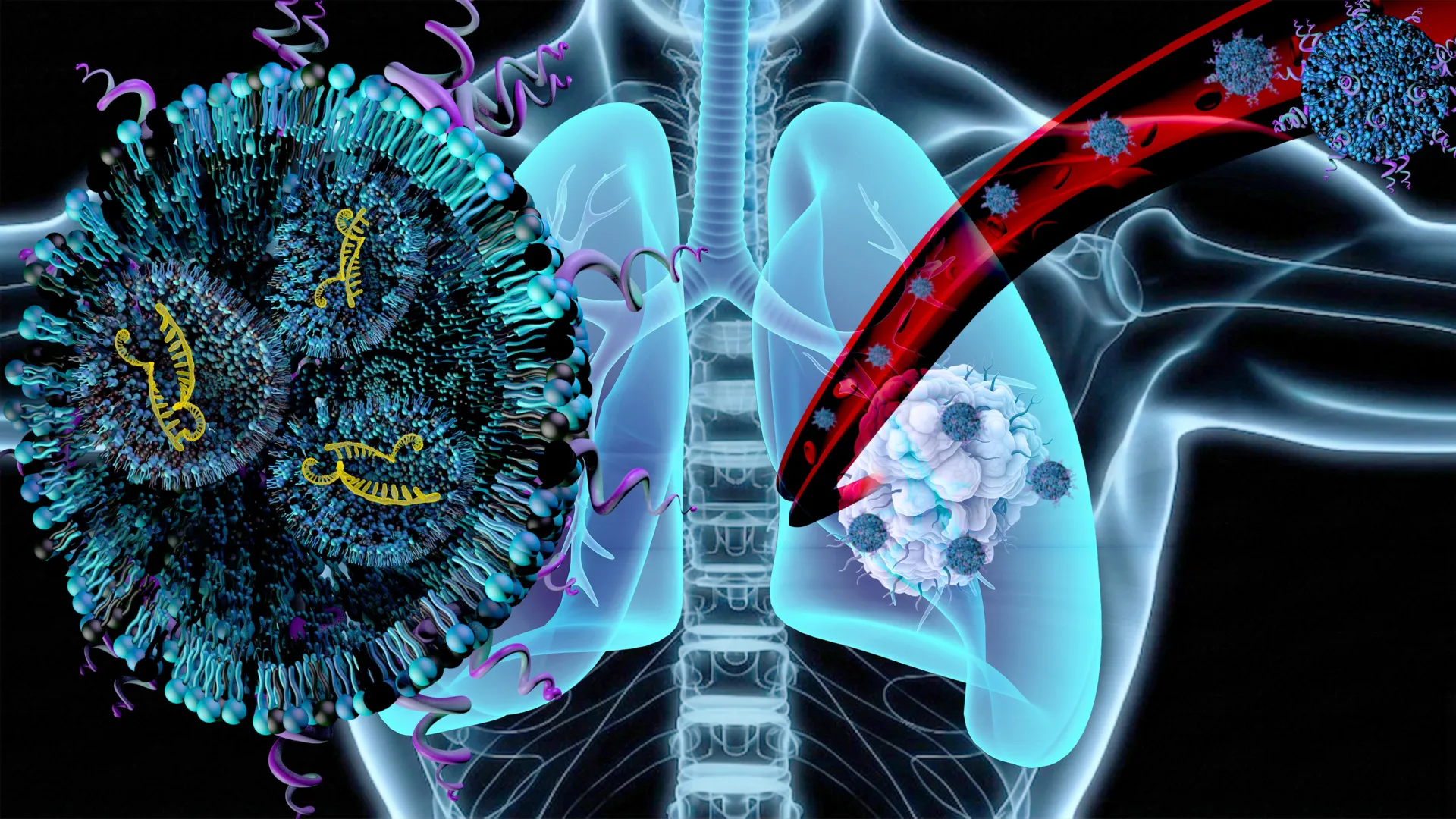
A new nanoparticle therapy reduced lung tumors in mice while also targeting cachexia, the severe muscle wasting that can accompany cancer. By delivering follistatin mRNA directly to tumors, the approach could eventually offer a way to fight both the disease and one of its most dangerous complications.
Ben Lidgey was accidentally kicked in the testicles by his son, which may have saved his life
The US Coast Guard says a field of debris found near Nantucket is believed to be from an emergency medical plane.
A new light-activated material can efficiently produce hydrogen from water without requiring an additional expensive metal catalyst. Researchers say its unusual sulfur-based chemistry could point toward cheaper and more practical ways to turn sunlight into clean fuel.
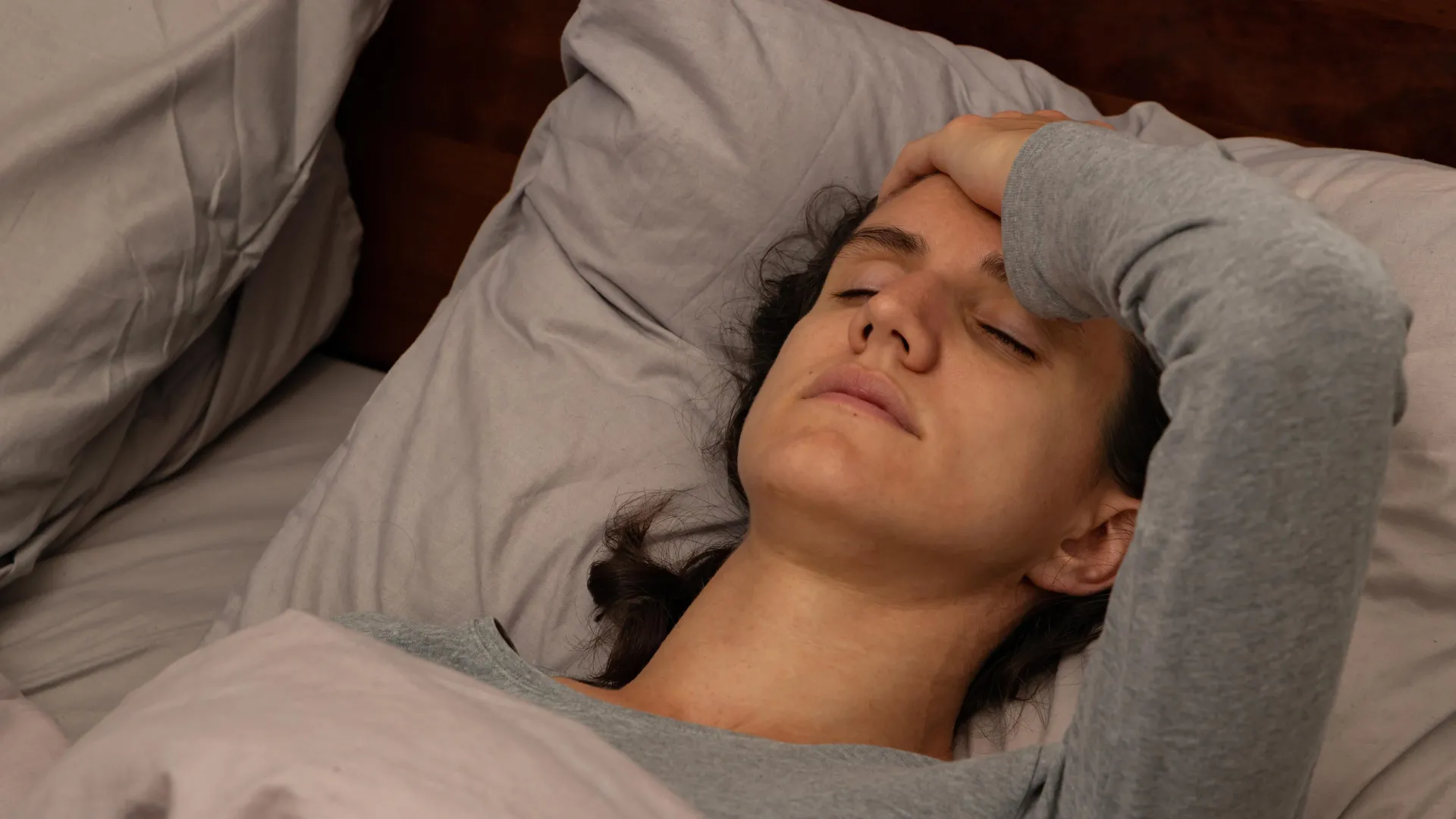
Scientists found that five seemingly unrelated conditions, including long Covid, ME/CFS, and PTSD, may disrupt many of the same biological networks involved in immunity, metabolism, and cellular energy. The findings could help explain their shared symptoms and may open the door to new blood tests and treatments.
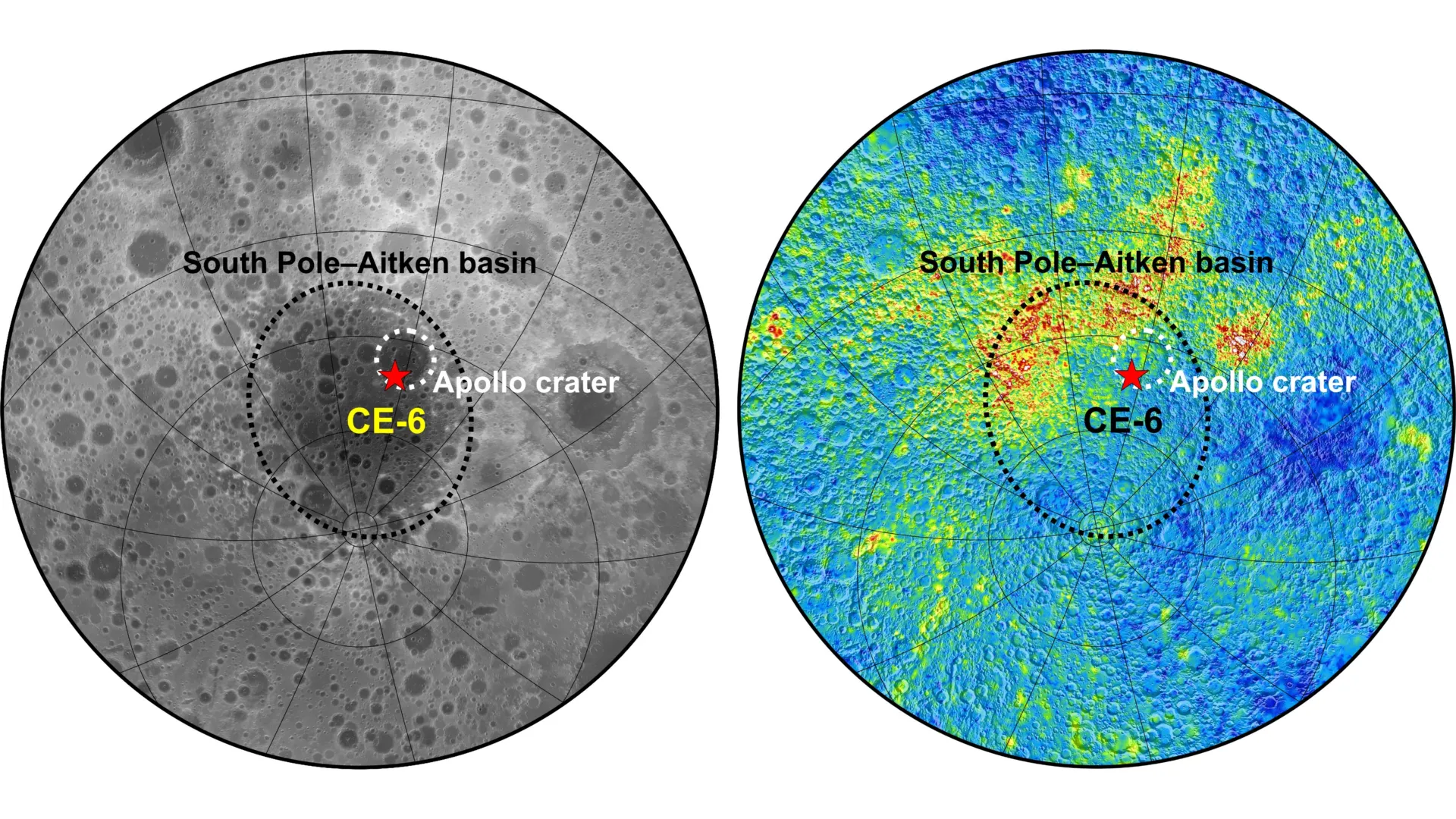
Scientists studying Chang’e-6 lunar soil have discovered a previously unknown magnetic mineral in natural Moon samples: a form of metallic iron called γ-Fe. Found inside tiny impact-glass particles, the nanoscale iron can preserve a stable magnetic signal, potentially acting like a microscopic fossil of the Moon’s long-lost magnetic field.