Entertainment
Bombshell confession in The Traitors as faithfuls finally turn the screw
Could the faithfuls finally come good in Thursday's penultimate episode?
International news in seven languages
Topic
Could the faithfuls finally come good in Thursday's penultimate episode?
Alexander Isak scores his sixth Premier League goal of the season as Liverpool make it four wins out of their last four under Andoni Iraola.
Bundesliga's bottom side Borussia Monchengladbach come from behind to beat Stuttgart 3-2, as the away side secure their first league win of the season, at the seventh attempt.
This week in Across Africa: Ivorian music lover Cédric Kouamé is on a mission to restore 20th-century African vinyl and bring old-school sounds back to modern playlists. Also, 10 years after Cameroon's worst railway disaster, families are still fighting for justice for the 79 people killed. Finally, in São Tomé and Príncipe, we discover how the islands' rich volcanic soils produce some of the world's most distinctive vanilla.
Xenophobic unrest turns deadly in South Africa as a foreign national is beaten to death during a protest march in Durban, a city increasingly gripped by anti-migrant tensions. Meanwhile, as global efforts to raise awareness of lead poisoning intensify, teams in Ivory Coast go door-to-door testing homes for dangerous levels of the toxic metal. Finally, Ivorian authorities are cracking down on illegal mining over fears of pollution, but some young people say the activity remains one of their few sources of income.
In tonight's edition: Sudan's brutal war continues to take a devastating regional toll, as a drone strike in Abyei reportedly kills 153 people. We speak to the UN envoy for Sudan following an emergency international meeting on the escalating crisis. Also, health authorities prepare to coordinate a response as Ebola cases emerge in Nigeria and rise in Kenya. Finally, 10 years after Cameroon’s deadliest railway disaster, families of the 79 victims are still fighting for justice, saying their pain has yet to be acknowledged.
Boeing's largest 737 Max jet has cleared a major regulatory hurdle, with US aviation authorities approving the Max 10 for passenger service on Tuesday after nearly a decade of delays. The certification marks a boost for the planemaker's recovery, with deliveries expected to begin in 2027.
In tonight's programme: Nigeria confirms its first Ebola case in the midst of an outbreak that began in DR Congo in mid-May. Also, a former top South African police officer facing sexual grooming and rape charges is denied bail. Finally, São Tomé and Príncipe's rich volcanic soils produce vanilla pods with an entrancing taste unlike those grown anywhere else.
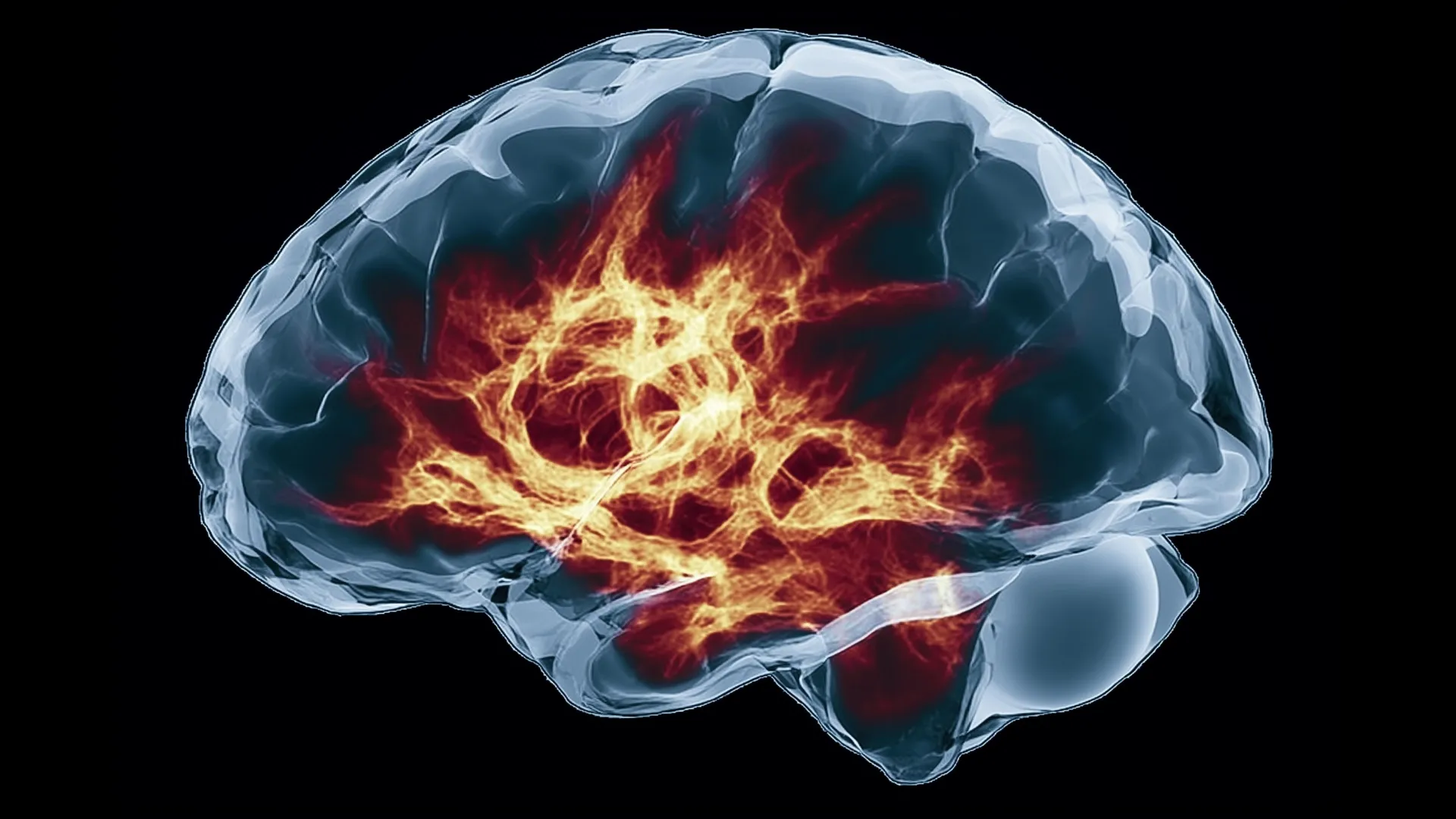
Scientists have uncovered a surprising reason why statins, the widely prescribed cholesterol-lowering drugs that help prevent heart attacks and strokes, can sometimes cause muscle pain, weakness, and even severe muscle damage. Using advanced imaging technology, researchers discovered that statins can attach to a crucial protein in muscle cells and force open a channel that normally controls calcium flow. This causes calcium to leak continuously, potentially damaging muscle tissue.
Scientists may have solved a long-standing mystery about why the Moon’s two sides are so different, using samples collected from its farside for the first time. Their findings suggest that uneven heating from Earth's gravitational pull drove enormous flows of ancient magma, creating the dramatically different lunar landscapes we see today.
The FDA has approved the first drug that directly targets Alexander disease, a devastating neurological disorder affecting fewer than one in a million people. Developed through decades of research, Zanvastro showed promising results in clinical trials, stabilizing motor function and even improving movement in some patients.
Scientists have developed a powerful new way to calculate the Kondo effect, a strange quantum phenomenon that appears when magnetic atoms are embedded in metals. Instead of relying on simplified models, the method uses the real atomic and electronic structures of materials, allowing researchers to predict their behavior with far greater accuracy.
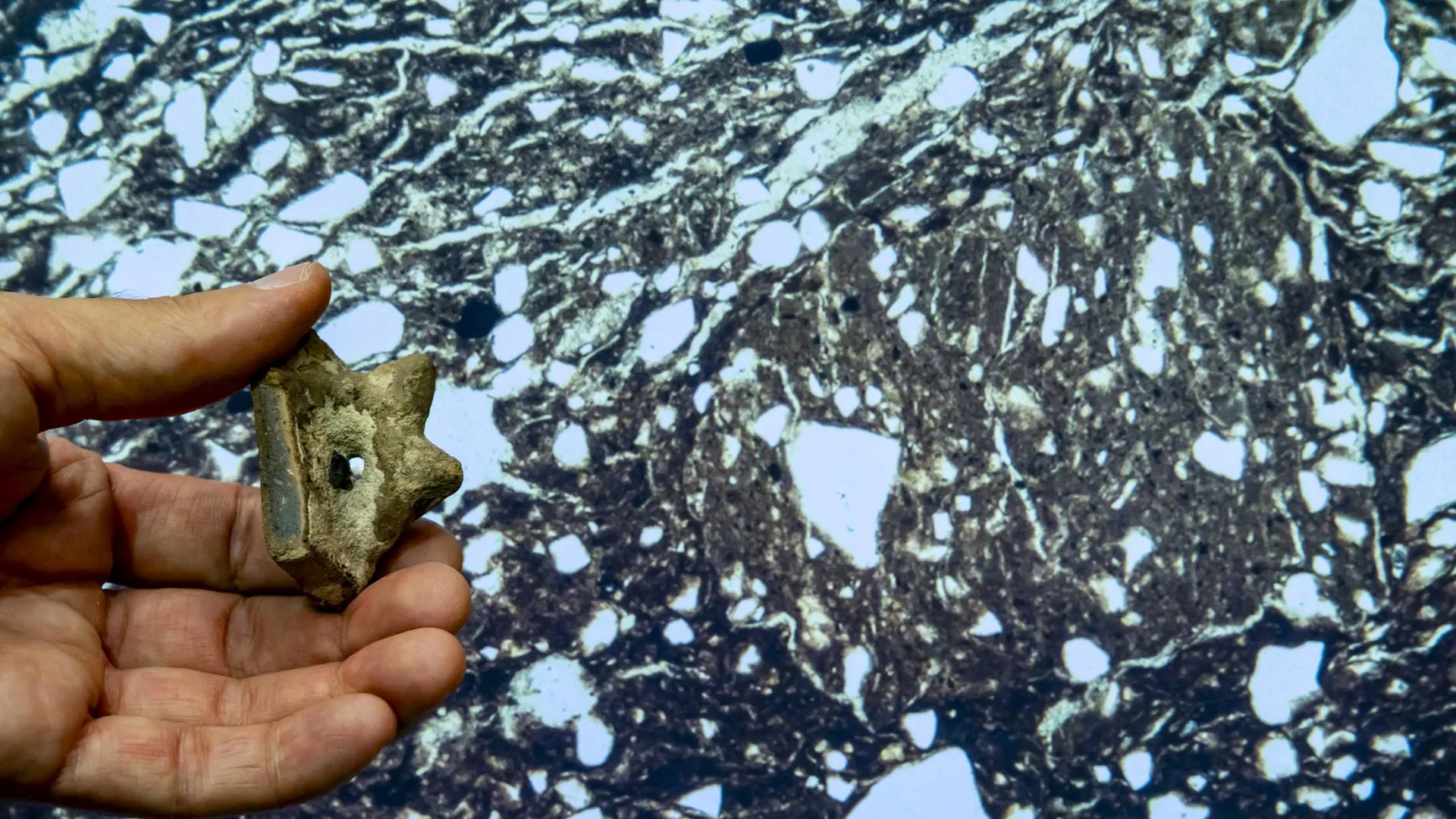
Ancient pottery from Tampa Bay appears to have been made by migrant craftspeople who brought specialized Mississippian pottery-making knowledge hundreds of miles south. Remarkably, they even incorporated crushed fragments of older homeland pottery into new vessels, preserving a physical link to their past across generations.
Researchers have captured key steps in a chemical reaction that helps nature transfer energy with remarkable efficiency. Ultrafast X-rays revealed how changes involving electrons and protons are closely linked to the rearrangement of surrounding water molecules. Because similar reactions drive photosynthesis and other energy-conversion processes, the technique could help scientists develop better catalysts, fuel cells, and flow batteries.
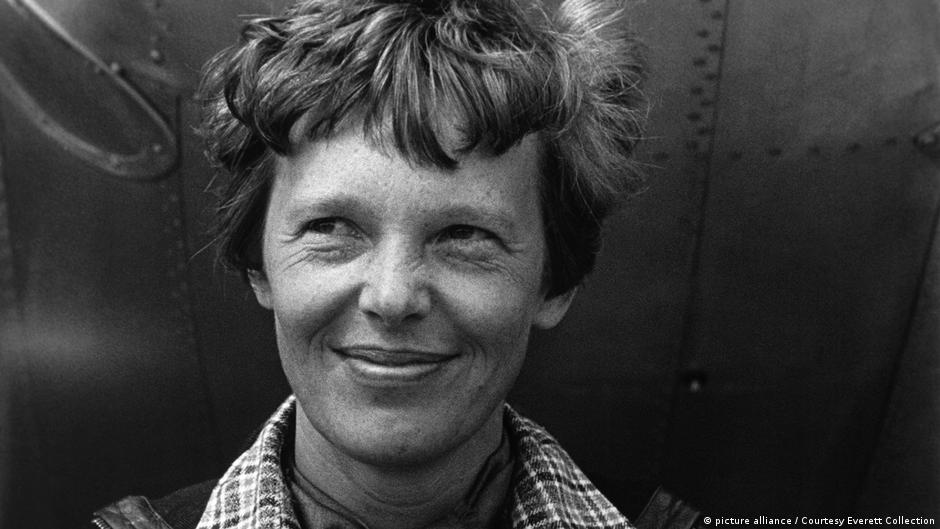
Nearly 90 years after Amelia Earhart vanished over the Pacific, a new expedition to the remote island of Nikumaroro hopes a lagoon anomaly could finally reveal the fate of her missing aircraft.
Can Super League's perennial nearly side Warrington Wolves get over the line and win a first Grand Final this Saturday?
Researchers have experimentally observed energy patterns that physicists have predicted for about 40 years. By arranging laser-trapped atoms into a quantum simulator, they recreated two different quantum tipping points and watched the atoms fall into the exact energy ratios predicted by theory. The technique could now be used to explore mysterious quantum systems where scientists do not already know the answer.
Andy Burnham said that he would make tough decisions to fund a new national care service.
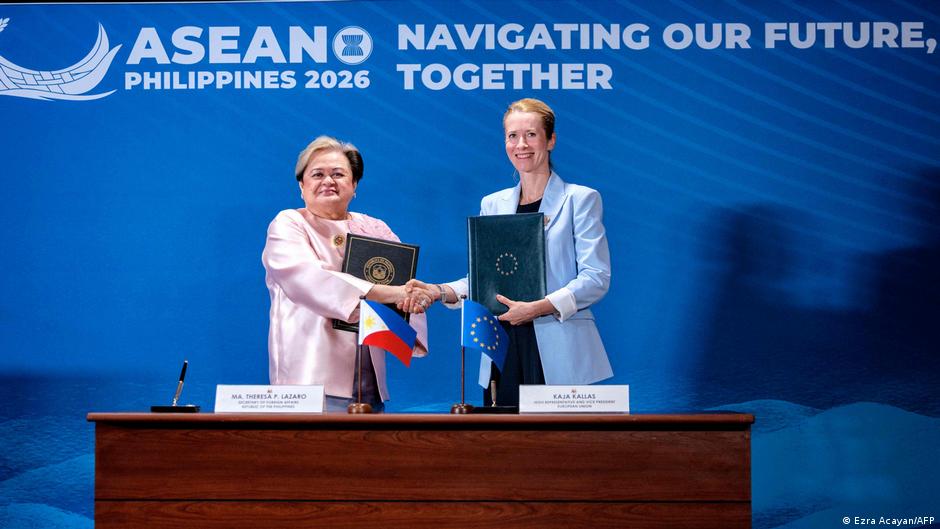
After years of arduous negotiations, the EU is closing on a string of bilateral trade deals with countries in Southeast Asia. And yet, a bloc-to-bloc agreement between the EU and ASEAN remains a distant prospect.
The centre’s blind adherence to austerity has devastated European societies.