Advertisement
Advertisement

Topic

Eating

Science

Eating blueberries every day may have a surprising effect on your mood

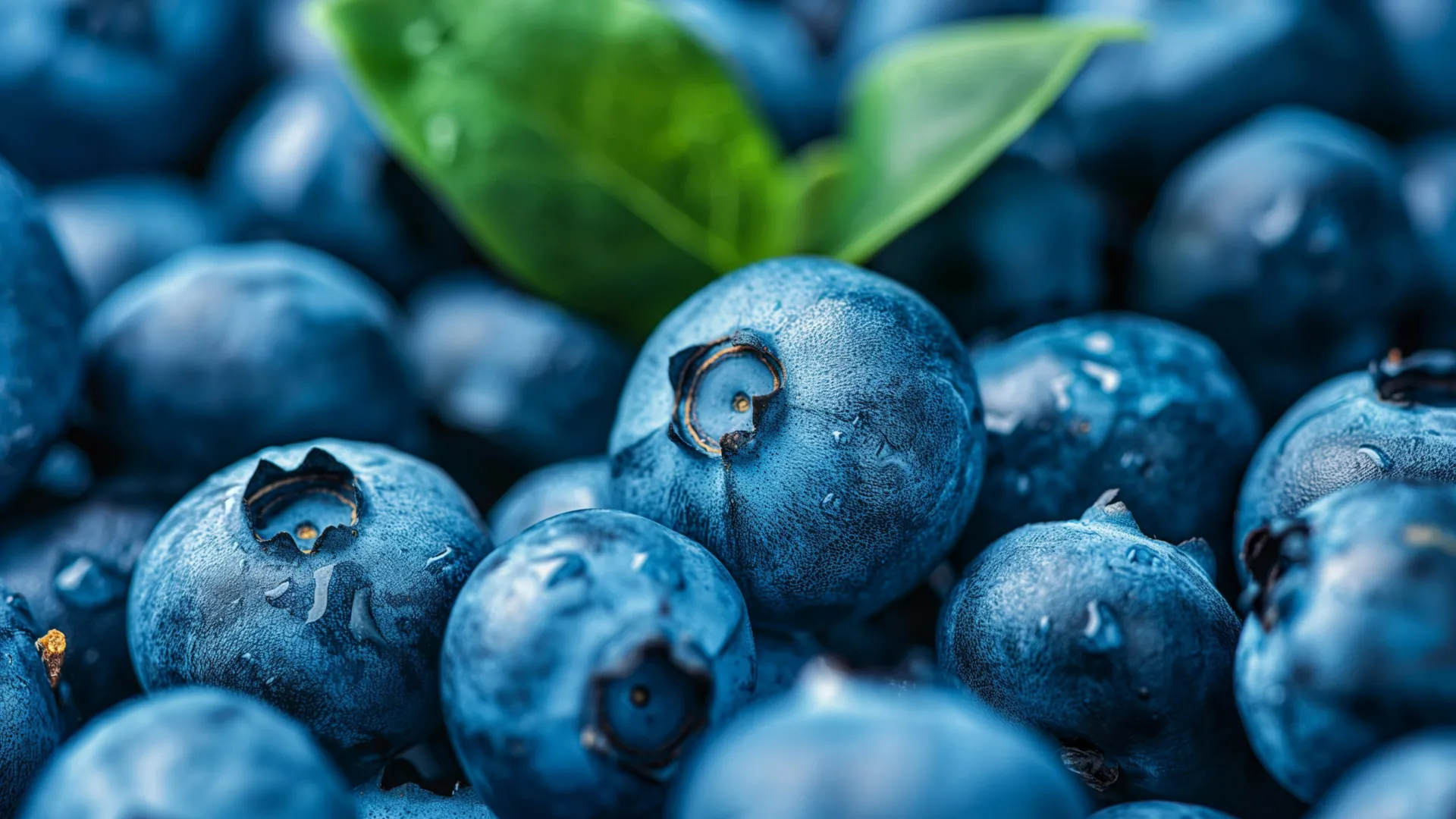
Eating blueberries every day could have surprising effects on mood, according to a small study that found greater reductions in depressive symptoms among older adults who consumed the fruit for three months. Researchers also detected changes in gut microbial enzymes, suggesting a possible gut-brain connection, although the mood benefits were not statistically significant compared with a placebo.

Science

Scientists discover a natural compound that could protect the brain from too much salt

Eating too much salt may do more than raise blood pressure. It could also harm memory and social behavior. In a new study, Japanese researchers discovered that a soy-derived compound called LPC70 helped protect mice from several damaging effects of a high-salt diet. Mice given the supplement had lower blood pressure, better memory, and improved social interactions compared with mice consuming excess salt alone.

Science

Scientists discover a plastic-eating “Pac-Man” enzyme with a surprising secret

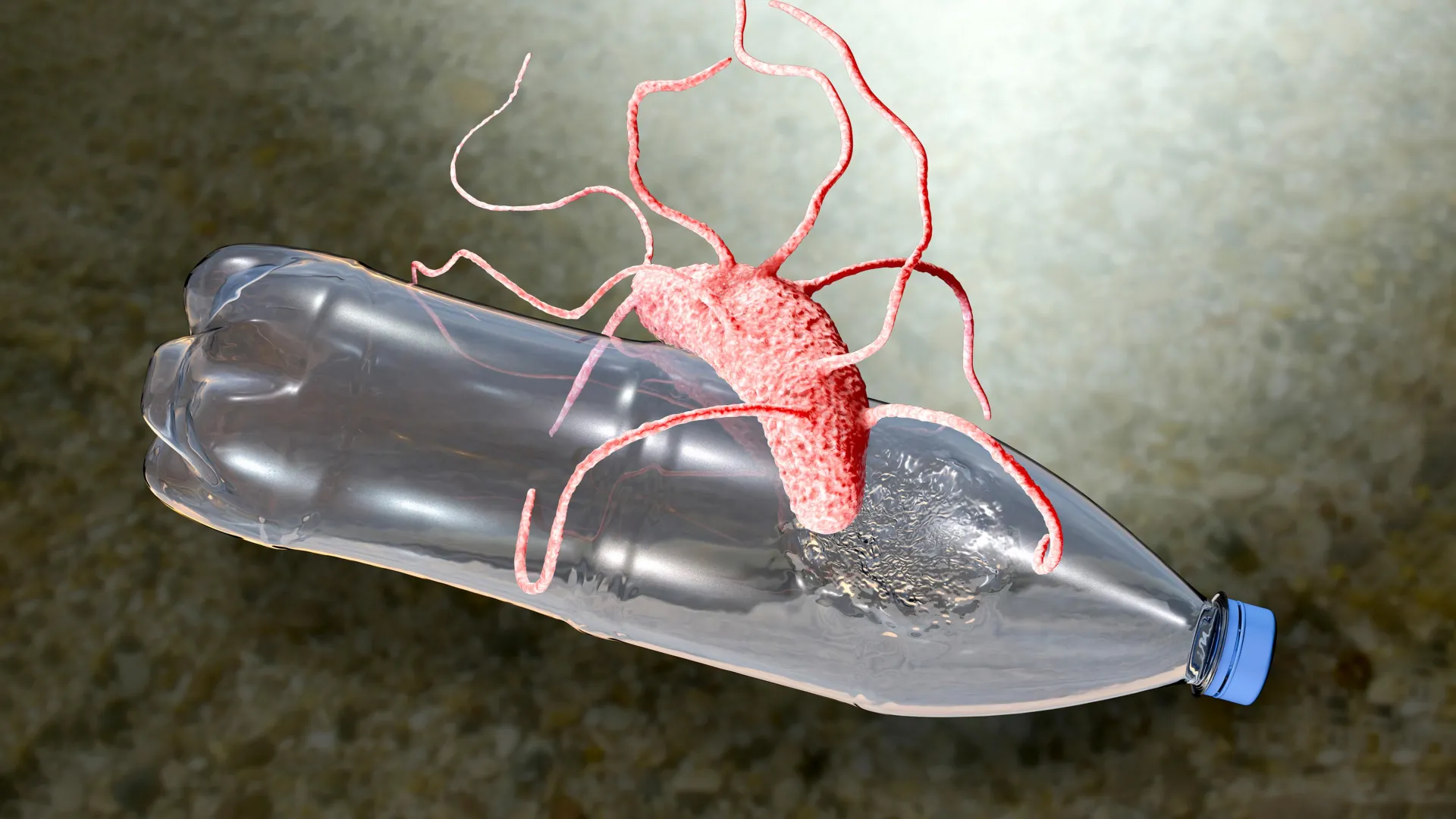
Scientists have discovered a remarkable “Pac-Man enzyme” that helps bacteria devour certain types of plastic and may offer new hope in the fight against plastic pollution. Researchers found that several biodegradable plastics completely broke down in soil within about a year, while conventional plastic remained largely unchanged.

Health

Eating late at night linked to up to 30% higher risk of liver disease

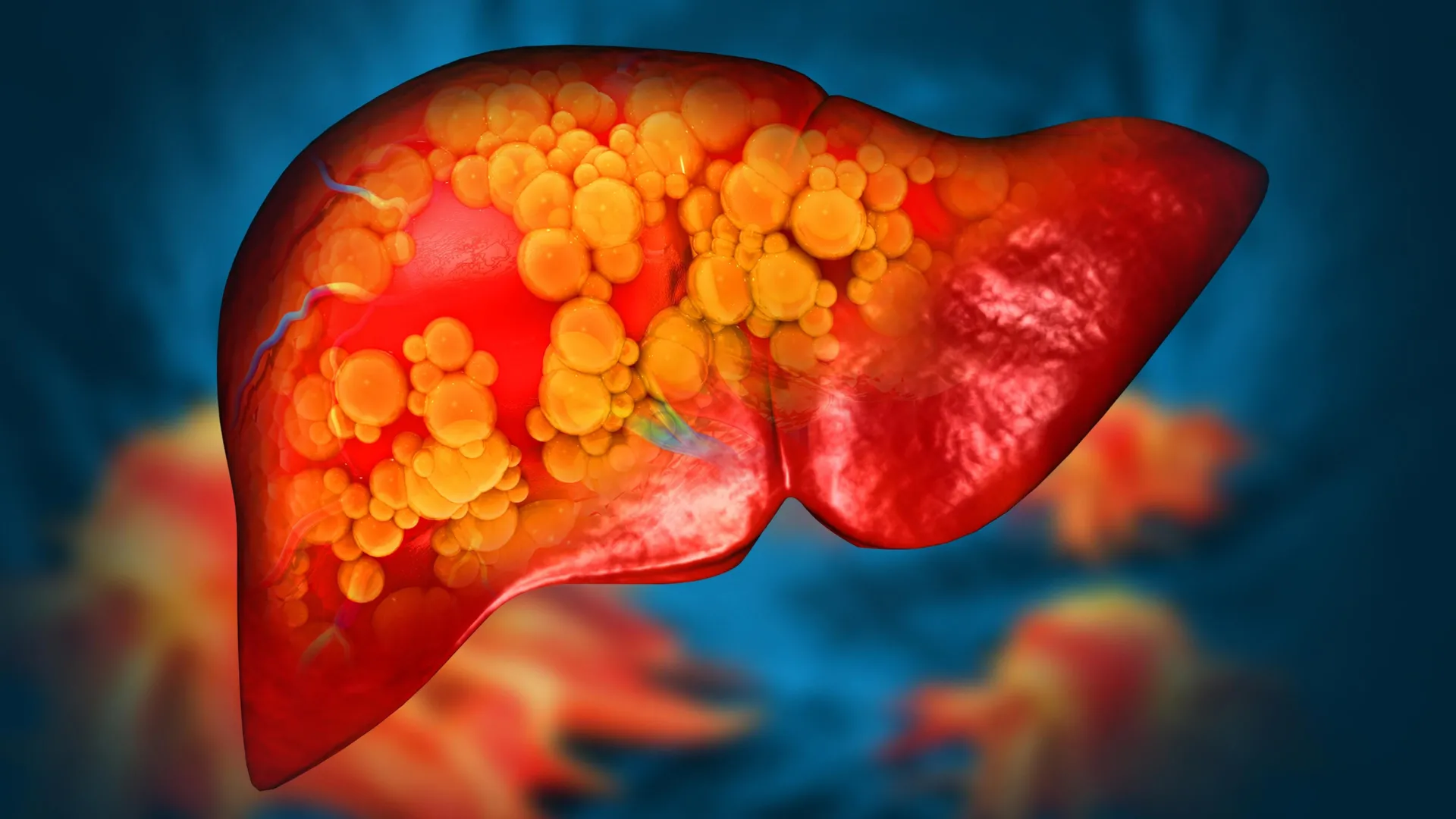
Eating late at night could be putting your liver at risk, according to a large study led by Oregon Health & Science University. Researchers analyzed data from nearly 200,000 people and found that those who regularly ate after dinner or around bedtime had a 20% to 30% higher risk of liver disease, including fatty liver disease and cirrhosis.

Science

Eating olive oil before carbs has a surprising effect on blood sugar

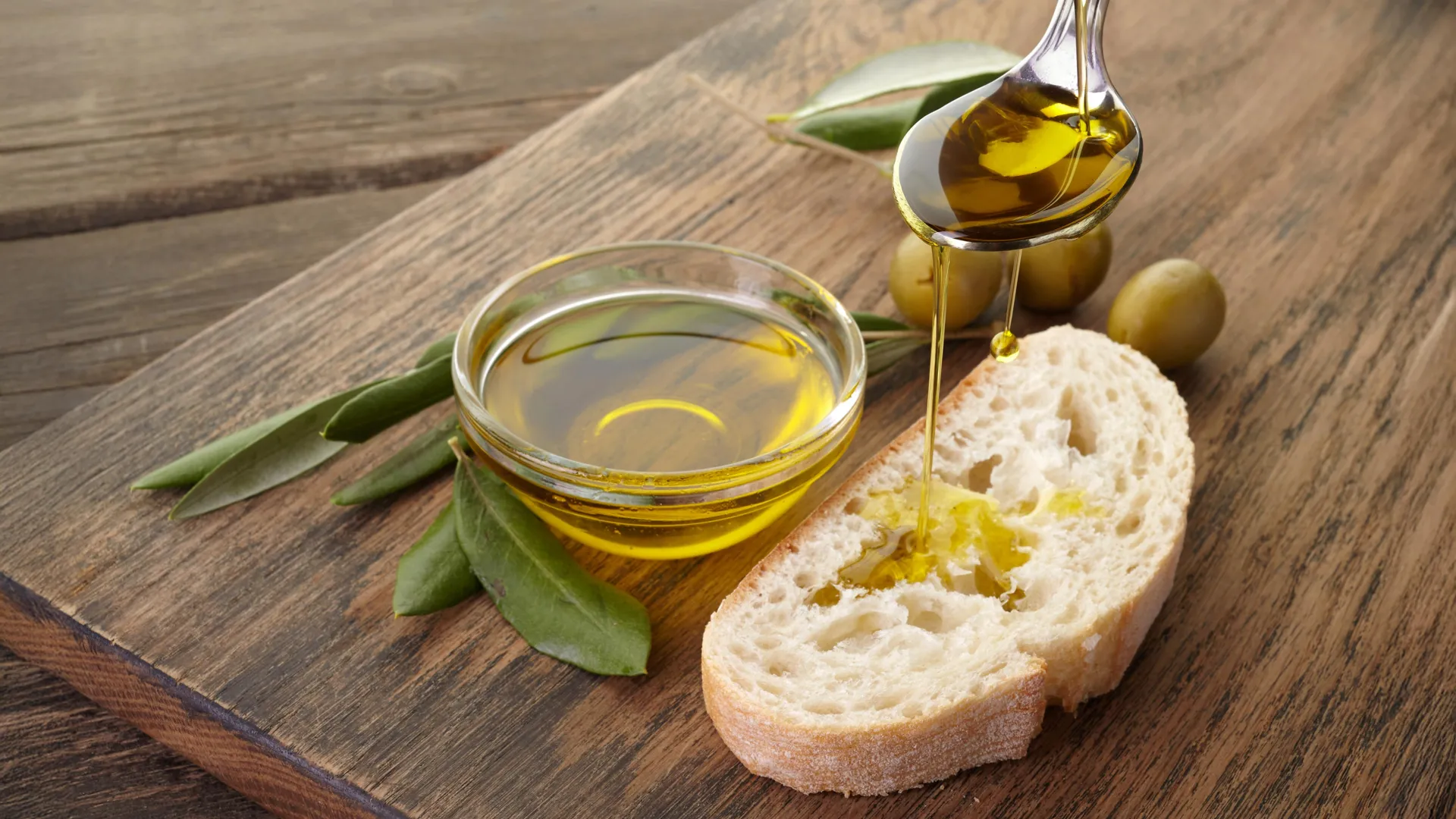
A simple change in the order you eat your food could help prevent blood sugar spikes. Scientists discovered that giving mice olive oil before carbohydrates slowed digestion and activated a surprising combination of hormones and nerve signals that helped regulate blood sugar, even in mice with type 2 diabetes.

Science

Taking antibiotics? Sugar may be making the damage worse

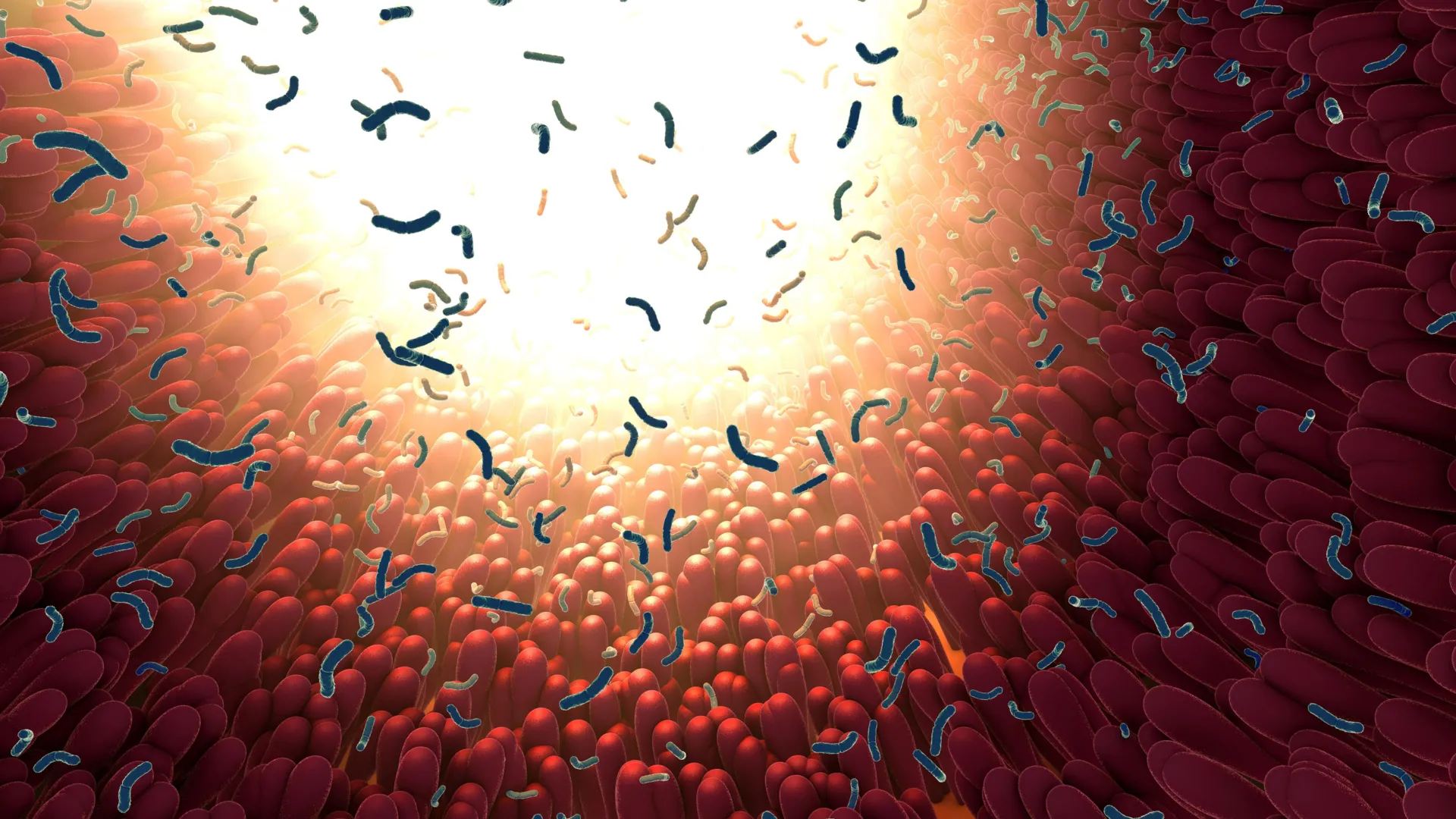
Eating more sugar while taking antibiotics was linked to greater disruption of the gut microbiome and increased growth of potentially harmful bacteria. Researchers say temporarily cutting back on sweets during and after antibiotic treatment could be a simple way to reduce this damage, though clinical trials are still needed.

Advertisement
Science

The U.S. Eradicated this flesh-eating parasite. Now it’s back

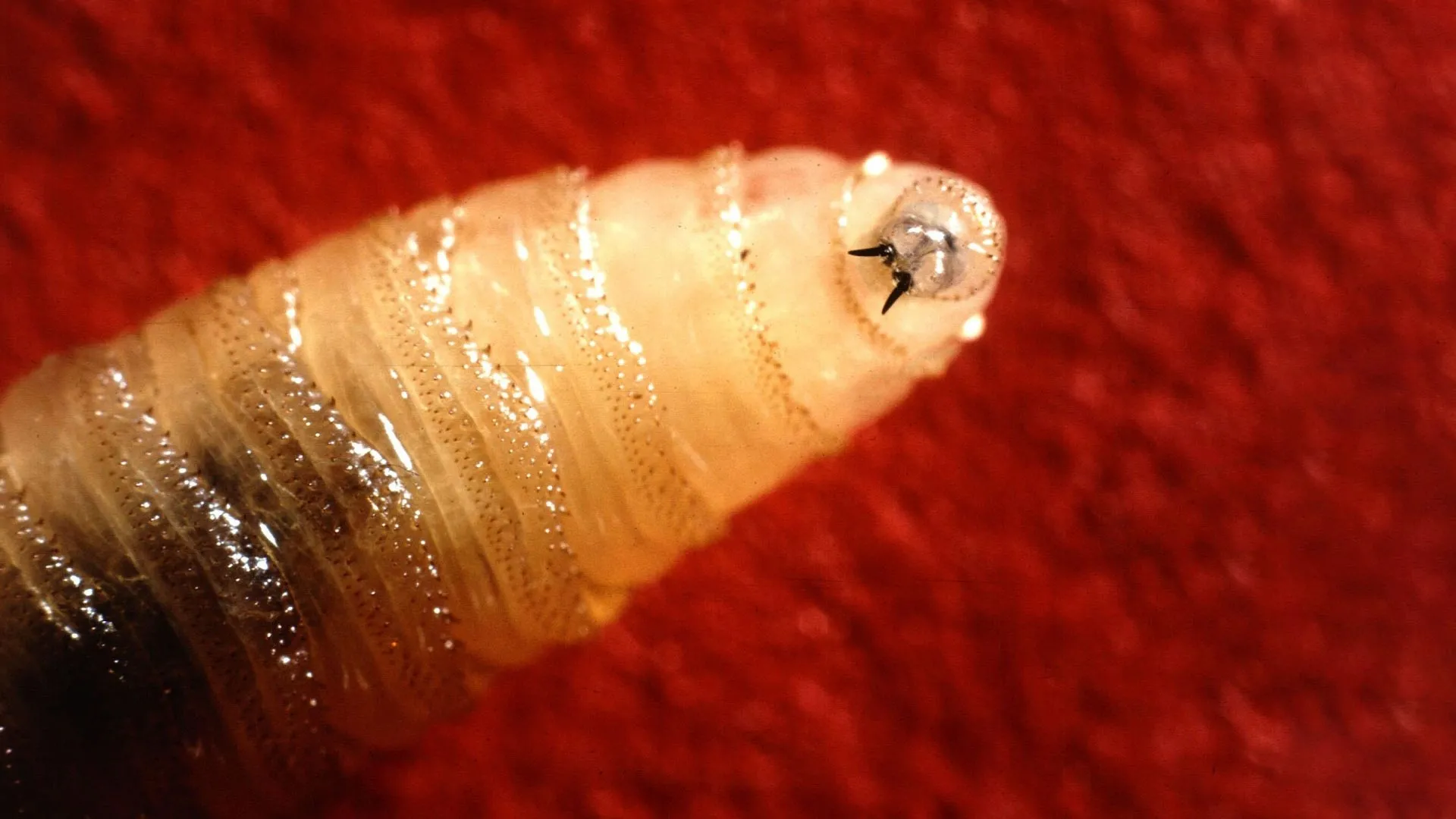
The flesh eating New World screwworm has returned to the United States, threatening livestock, wildlife, pets and potentially people as it spreads north. A new UC San Diego tracking system aims to predict where the parasite could strike next while officials revive the eradication strategy that defeated it decades ago.

Science

Ultra-processed foods linked to hidden muscle fat that may threaten your knees

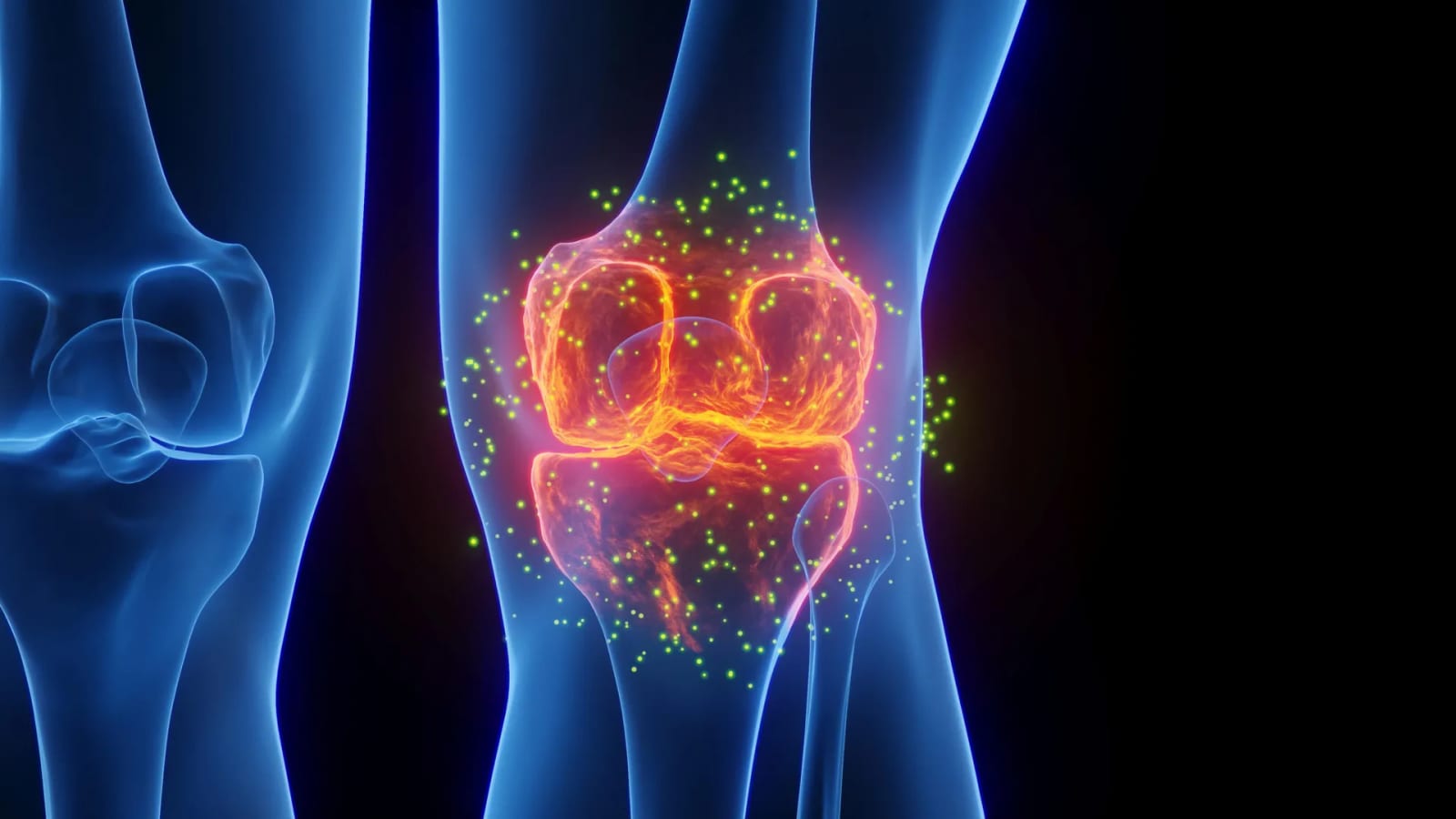
Eating more ultra-processed foods was linked to greater fat buildup inside thigh muscles, according to MRI scans of 615 adults at risk for knee osteoarthritis. Surprisingly, the association remained even after researchers accounted for calorie intake, physical activity, and other factors. Fatty changes in these muscles may weaken support around the knee and potentially increase osteoarthritis risk.

Science

Scientists find the whole grain “sweet spot” for better heart health

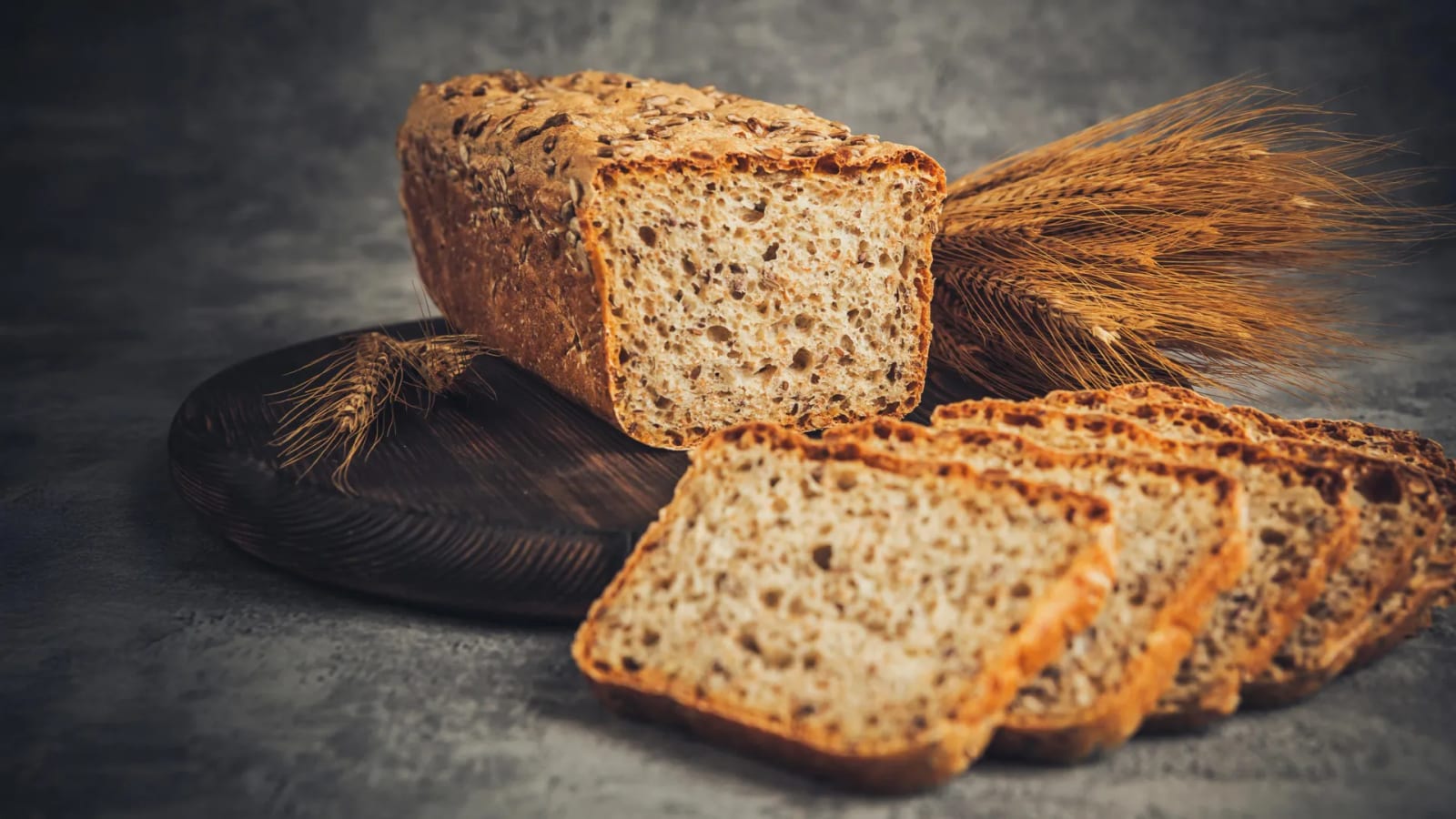
Eating four to six servings of whole grains a day may deliver meaningful benefits for heart health, according to a large review of 87 clinical trials. Researchers found improvements in body weight, waist size, blood pressure, cholesterol, blood sugar, triglycerides, and some markers of inflammation.