Advertisement
Advertisement

Topic

discover

Science

Astronomers discover a strange universal rule behind black hole eruptions

Scientists have discovered that black holes of vastly different sizes appear to launch powerful jets according to the same universal rule. The breakthrough could explain why some black holes suddenly erupt years after devouring a star and help astronomers predict when these spectacular outbursts will happen.
Science

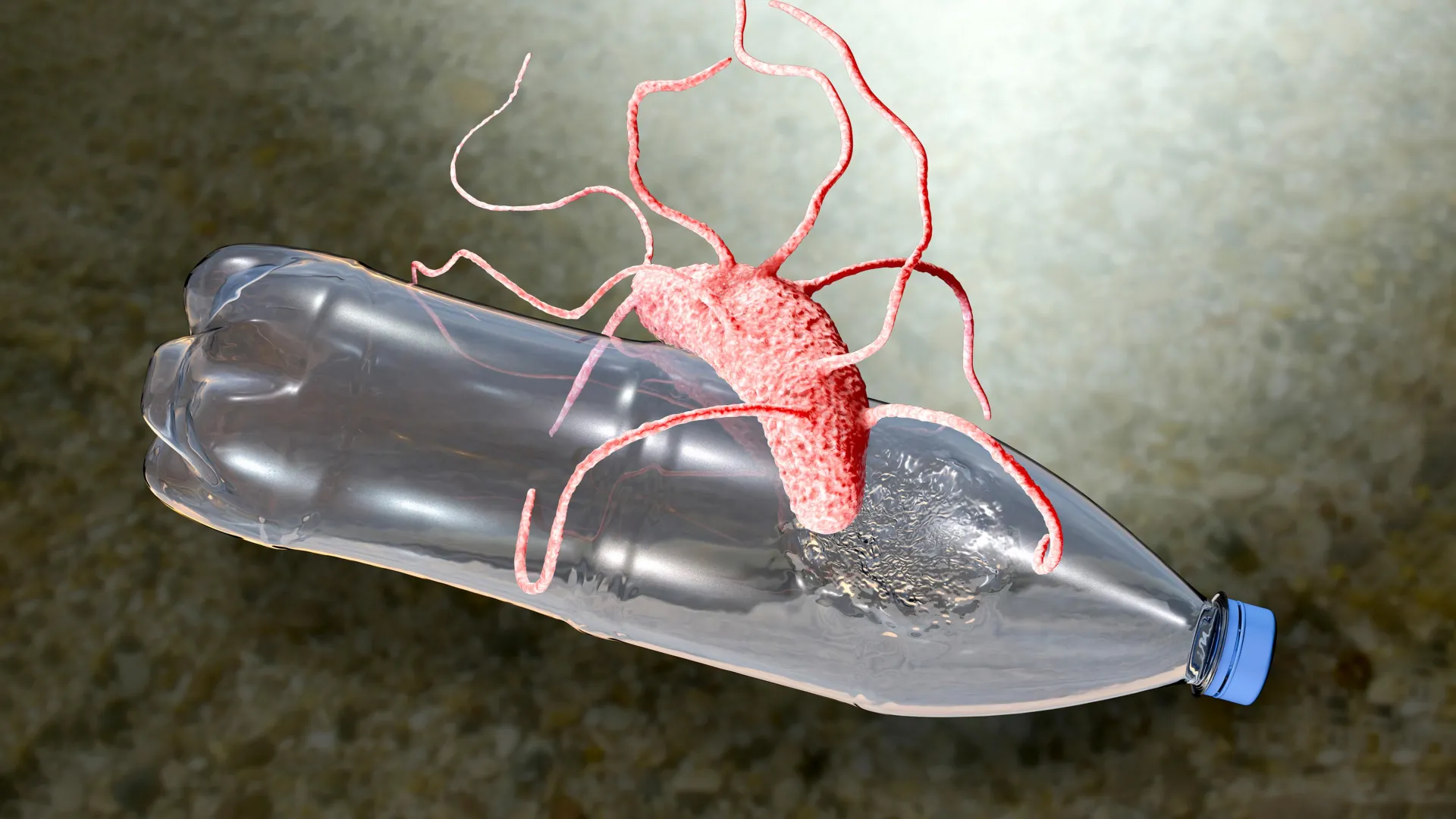
Scientists discover a plastic-eating “Pac-Man” enzyme with a surprising secret

Scientists have discovered a remarkable “Pac-Man enzyme” that helps bacteria devour certain types of plastic and may offer new hope in the fight against plastic pollution. Researchers found that several biodegradable plastics completely broke down in soil within about a year, while conventional plastic remained largely unchanged.

Science

Yale scientists discover how stress changes the brain to make memories stronger

Yale scientists have uncovered how the stress hormone cortisol helps the brain turn emotional experiences into stronger, longer-lasting memories. The discovery reveals that stress can reshape communication between brain networks involved in emotion and memory, potentially explaining why certain moments are so difficult to forget.

Science

Scientists discover how exercise reverses muscle aging

Scientists have uncovered a hidden biological mechanism that helps explain how exercise can reverse some of the damage caused by muscle aging. The key is a gene called DEAF1, which becomes overactive with age and interferes with the muscles’ ability to clear damaged proteins and repair themselves. Exercise can help restore this balance, allowing older muscles to rebuild and regain strength, although the benefits may diminish when the system becomes too disrupted.

Science

USC scientists discover how to create a never-ending supply of cancer-fighting cells

USC scientists have discovered a way to create a potentially renewable supply of genetically engineered immune cells that can attack cancer and strengthen the body's natural defenses. By growing and modifying immature immune cells rather than mature ones, researchers developed a system that can continuously produce tumor-fighting cells inside the body.

Health

Scientists discover a surprising danger in smaller cancer cells

Scientists have discovered that unusually small cancer cells carrying extra chromosomes can be far more aggressive than larger ones, growing faster, spreading more readily, and resisting common treatments. The surprising finding could help explain why some tumors are especially dangerous and provide a new way to predict cancer outcomes.

Science

Scientists discover how harmful “zombie cells” hide from the immune system

Scientists have discovered a protein that may help harmful aging cells hide from the immune system, allowing them to accumulate and fuel age-related health problems. Blocking the protein in mice reduced these cells and inflammation while improving blood sugar regulation and strength, offering a promising new direction for anti-aging research.

Science

Physicists discover “astonishing” property of light that defies expectations

Scientists have uncovered a surprising hidden ability of light that allows it to develop spinning, twisting behavior as it travels through empty space, without special lenses, mirrors, or materials. Researchers discovered that light’s internal geometry can naturally produce left- and right-handed patterns, challenging long-standing assumptions about how light behaves. By carefully arranging a beam’s structure, scientists can control where and how these spinning patterns emerge, unlocking a new way to manipulate light.

Advertisement
Health

Scientists discover a surprising paradox in how our cells age

Scientists have discovered that the body's cellular recycling system behaves very differently during aging than previously believed, with higher activity sometimes linked to worse physical health. A small study suggests that even gentle exercise could help restore more youthful cellular recycling patterns in older adults.

Science

Scientists discover a hidden factor that can make or break chemical reactions

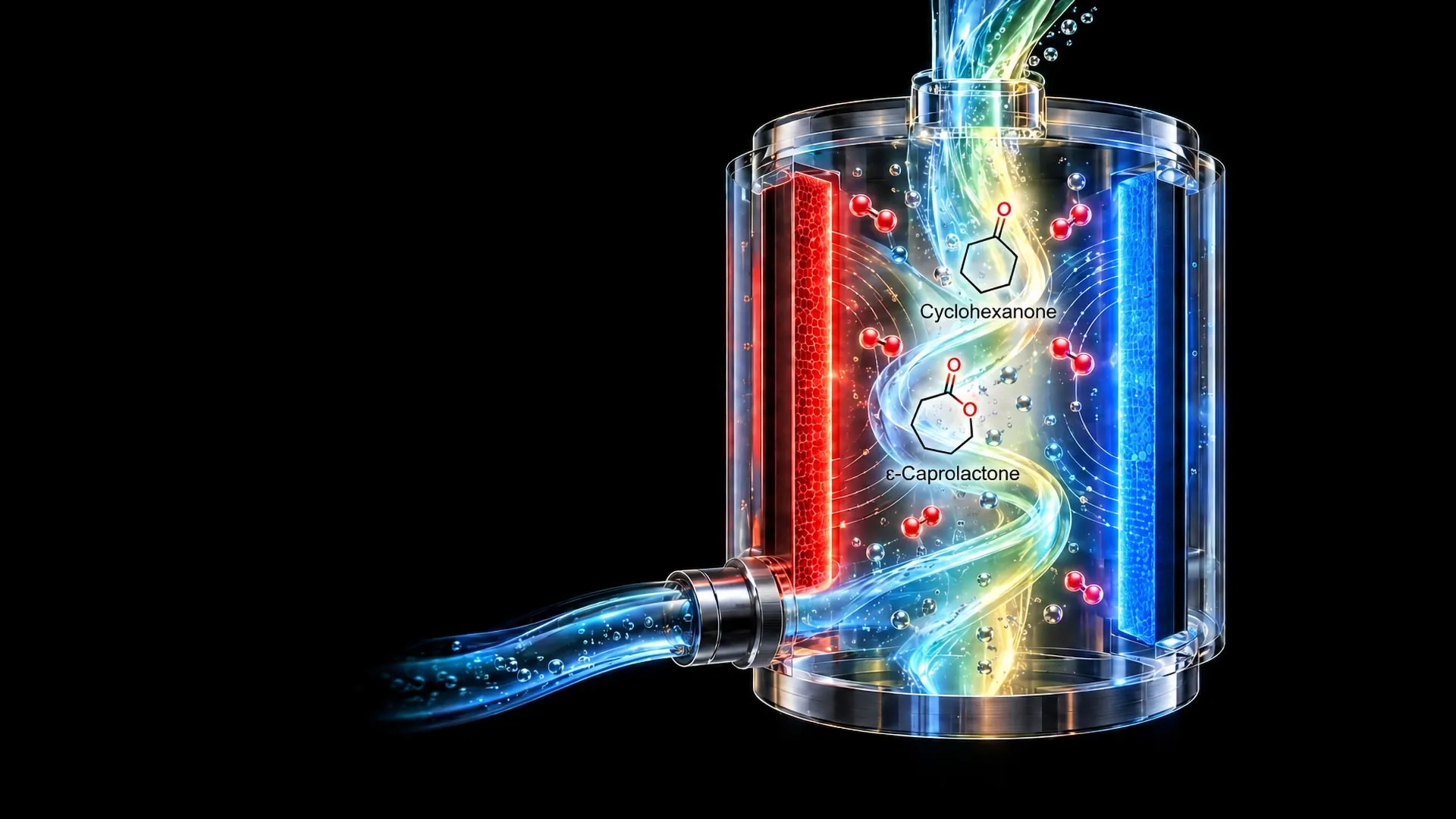
Researchers discovered a hidden factor that can determine whether chemical reactions succeed or fail, and then used it to boost the proportion of the desired product from 16% to 97%. By controlling acidity near electrodes, they developed a promising way to manufacture chemicals for plastics, medicines, and other products using oxygen and electricity instead of hazardous added oxidants.

Science

Scientists discover why a 100-year-old mushroom disease won't go away

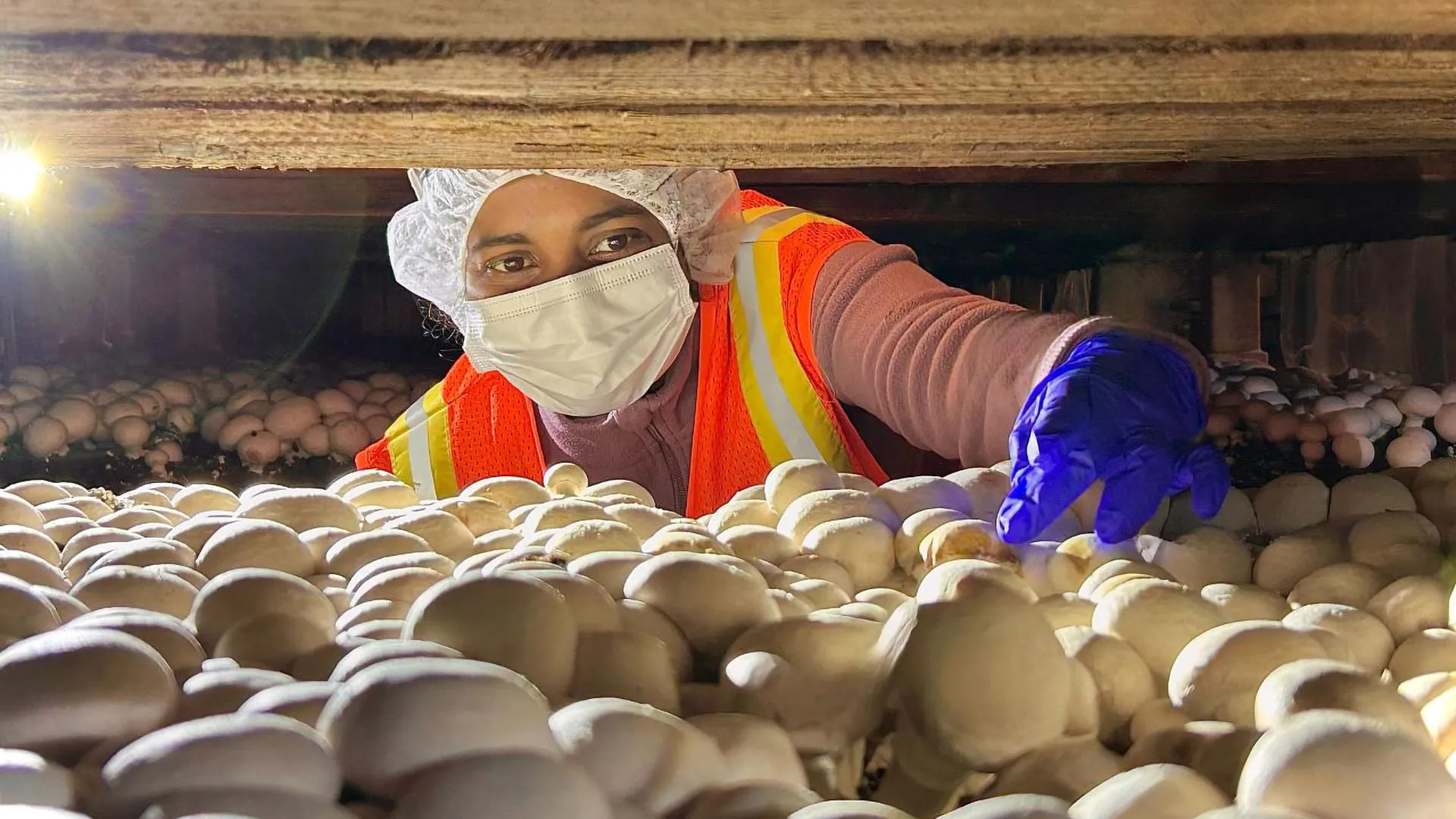
Scientists have uncovered a surprising secret behind a mushroom disease that has frustrated growers for more than a century: It involves more than 17 species of harmful bacteria, not just one. The discovery could explain why treatments have struggled to stop the disease and open the door to more effective, eco-friendly solutions.

Science

Scientists discover vanilla’s hidden healing potential

Scientists have discovered that vanillin, the compound that gives vanilla its distinctive flavor, has powerful properties that could help fight infections, reduce inflammation, and promote wound healing. The inexpensive, widely available ingredient could one day become an important component of advanced wound treatments and regenerative medicine.

Science

Scientists discover 5 hidden brain patterns behind depression

Depression may not be one biological condition, but several distinct patterns of brain activity hiding under the same diagnosis. Researchers studying 263 people with depression identified five brain profiles, each showing different patterns of communication between brain regions and associations with symptoms such as anxiety, trauma, and substance abuse.

Science

Scientists accidentally discover a genetic code that breaks the rules of life

Scientists accidentally discovered a microscopic organism with a genetic code that breaks a rule researchers thought was nearly universal. While testing a new DNA sequencing technique, they examined a previously unknown protist collected from a freshwater pond at Oxford University. To their surprise, the organism uses two genetic signals that normally mark the end of a gene to encode two entirely different amino acids instead. These signals were previously thought to evolve together, making the discovery particularly remarkable.

Science

Scientists discover a human brain gene that can jump through DNA

Scientists have discovered a human gene with a remarkable double life: it appears to play an important role in brain cells while still retaining the ability to jump around the genome. Called BC200, the gene evolved millions of years ago from a mobile piece of DNA known as a transposon, but unlike most genes that arose this way, it never lost its mobility. Researchers even found BC200 embedded inside a human poxvirus, suggesting it may have jumped from infected skin cells into the virus.

Advertisement
Science

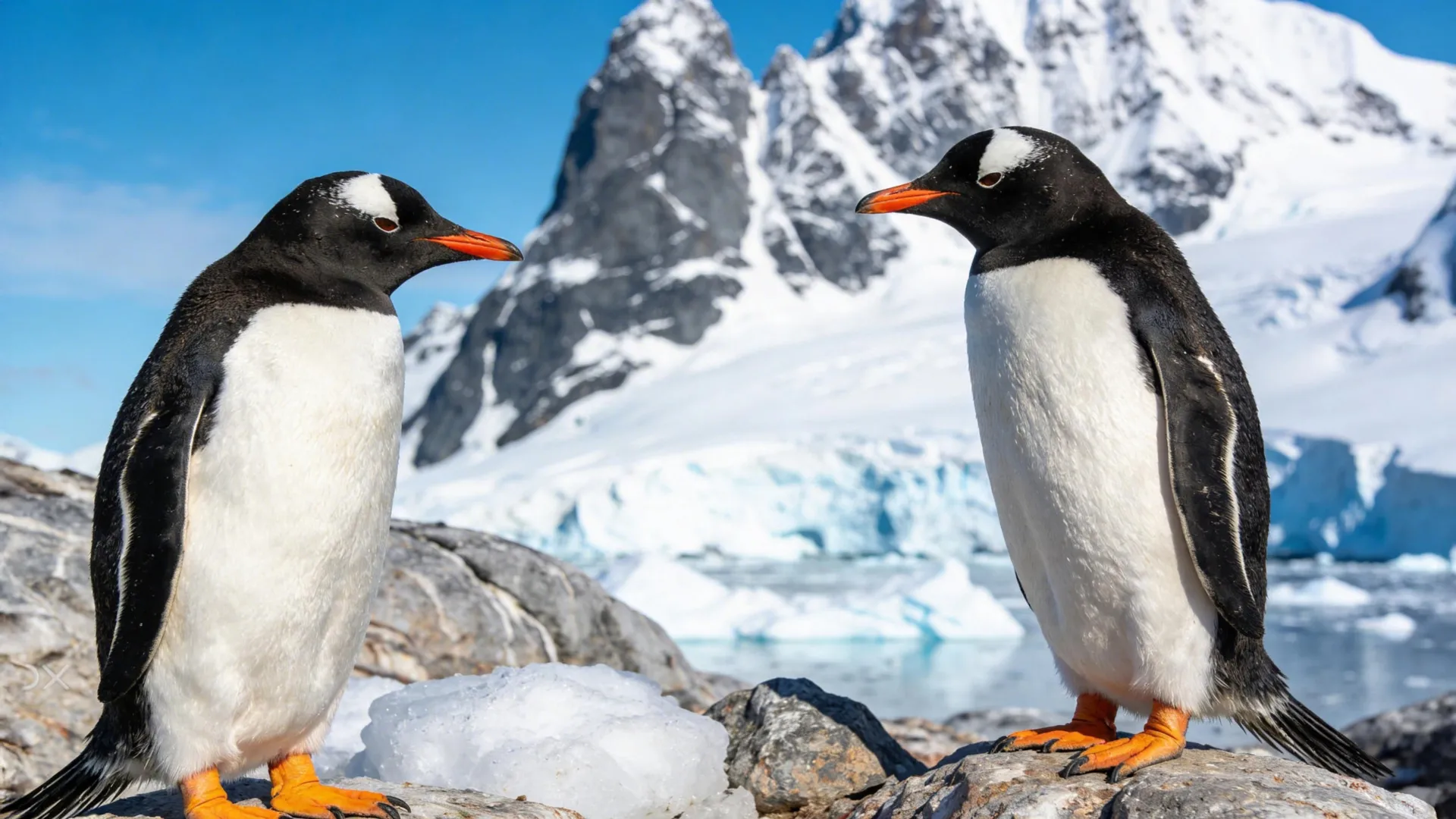
Scientists discover first new penguin species in more than 100 years

Genetic evidence has revealed a previously unknown gentoo penguin species on the remote Kerguelen Islands and shown that gentoos actually consist of four distinct species. The discovery also highlights a growing threat, as warming oceans could leave several island populations with little suitable habitat by 2050.

Topic: discover | RocksNews