Science
Scientists discover new 'immune hubs' in skull bone marrow
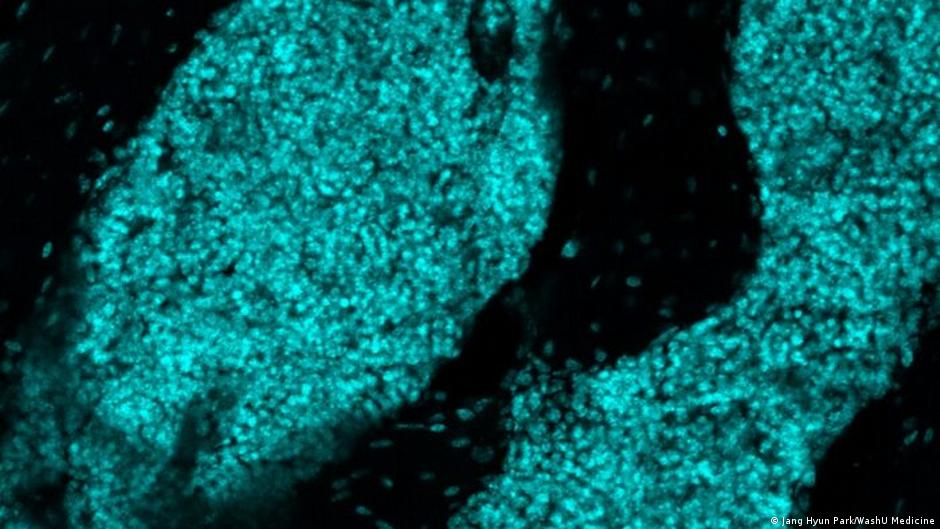
"Immune hubs" that actively defend the brain have been discovered in mouse skull marrow. Similar cells exist in human skulls, but their role remains unclear.
International news in seven languages
Topic
"Immune hubs" that actively defend the brain have been discovered in mouse skull marrow. Similar cells exist in human skulls, but their role remains unclear.
Low vitamin D levels may make recovery from breast cancer surgery more painful, according to a study of 184 women undergoing mastectomy. Patients with vitamin D deficiency were three times more likely to experience moderate to severe pain during the first 24 hours after surgery and also used substantially more of the opioid painkiller tramadol. They received slightly more fentanyl during surgery and experienced more postoperative nausea as well.
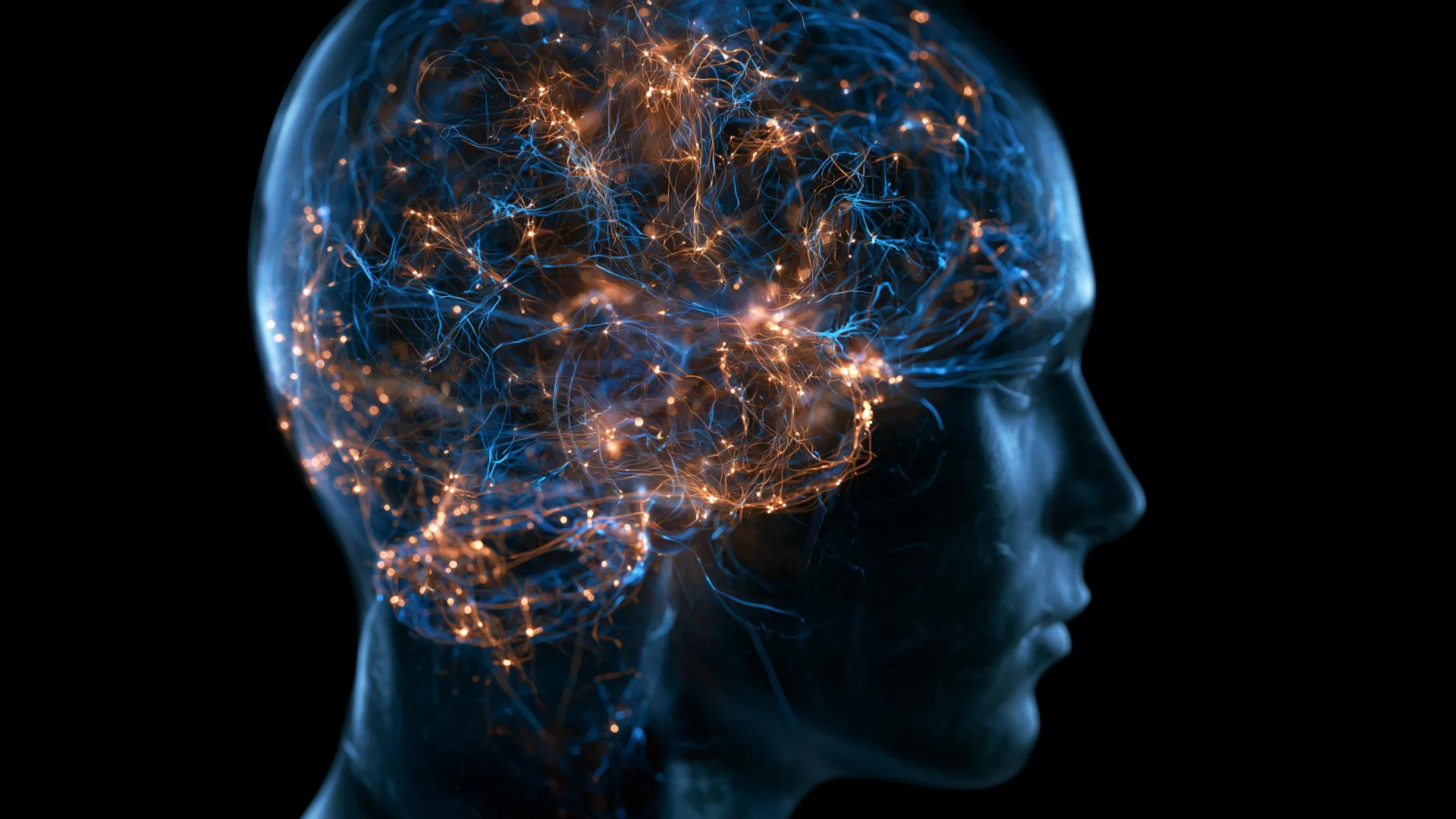
Scientists have uncovered sweeping changes in how the human brain controls and organizes its genome beginning in midlife, offering new clues to why aging sharply increases the risk of Alzheimer’s and other neurodegenerative diseases. One of the biggest shifts occurred between about ages 50 and 75, when many of the brain’s original immune cells declined and were replaced by cells with more inflammatory characteristics. Researchers also found weakening of cells that help maintain the blood-brain barrier, along with widespread deterioration in the genome’s three-dimensional organization.
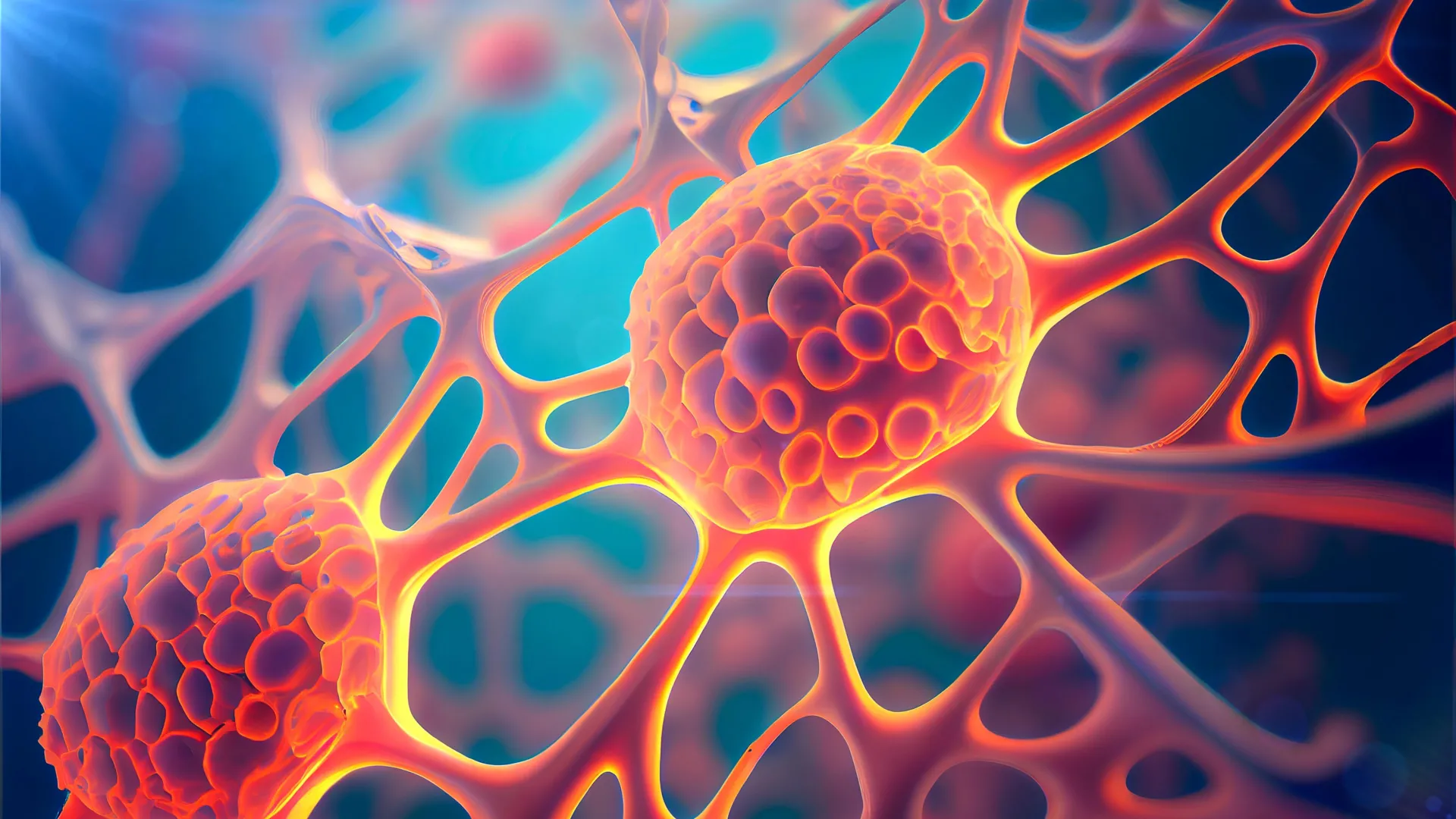
Scientists discovered a population of cells that can start the process of programmed cell death, survive it, and then help rapidly rebuild damaged tissue. Their descendants become far more resistant to future damage, revealing a mechanism that could improve healing but may also help cancers return after treatment.
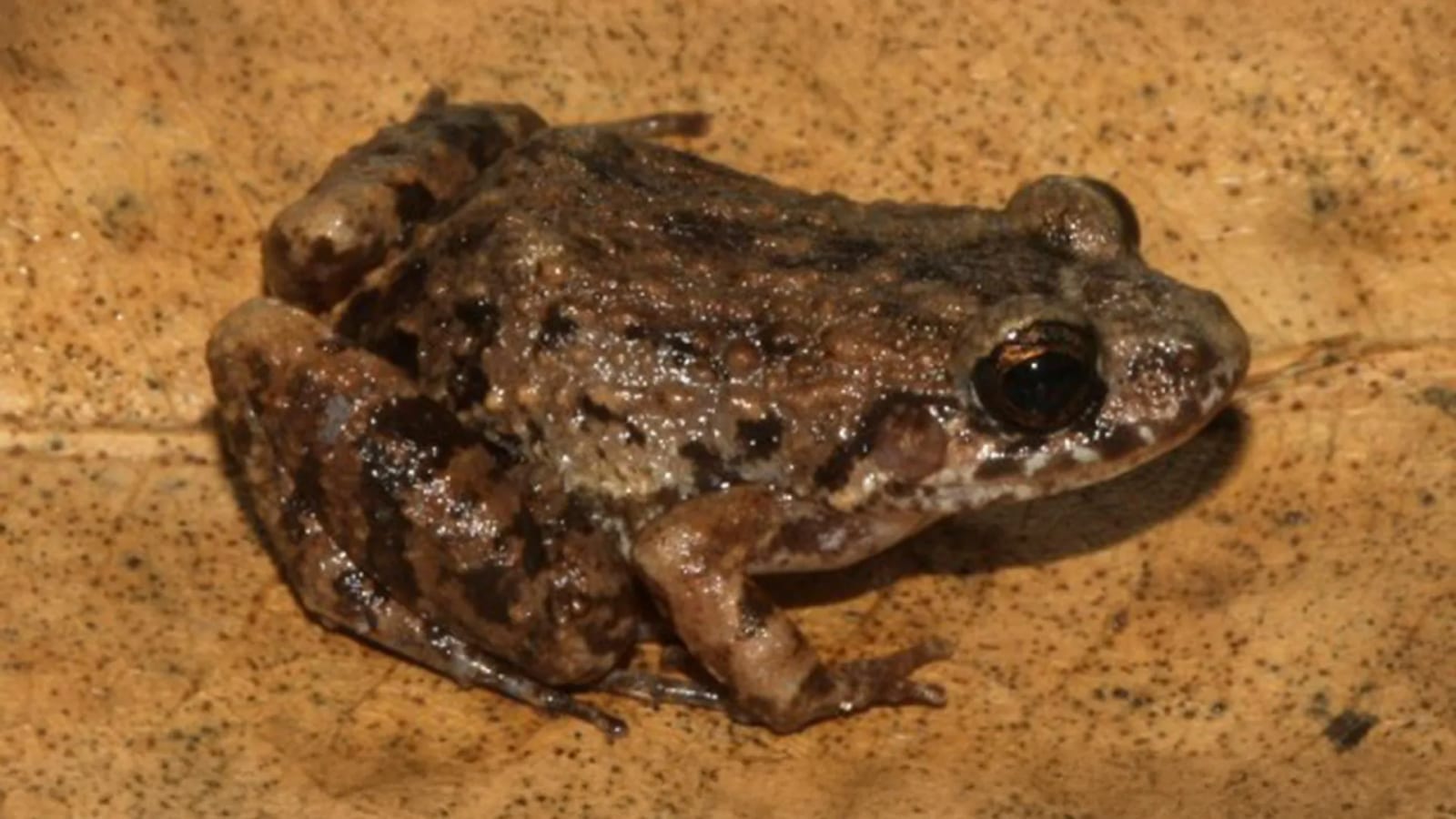
Scientists discovered a new frog species in the flooded forests of the western Amazon, distinguishing it from nearly identical relatives through DNA and its unique call. Adenomera varcena highlights how much Amazonian biodiversity remains hidden even as habitat loss and climate change threaten these poorly understood species.