World
Why is the left of Die Linke scary in Germany?
The federal executive, justice, secret services, media and the Jewish community warn of the radical positions of the formation, which won the elections in Berlin on September 20
International news in seven languages
Topic
The federal executive, justice, secret services, media and the Jewish community warn of the radical positions of the formation, which won the elections in Berlin on September 20
The post-communist formation Die Linke wins the capital's elections with radical proposals to lower the rental prices that disrupt the CDU and the SPD
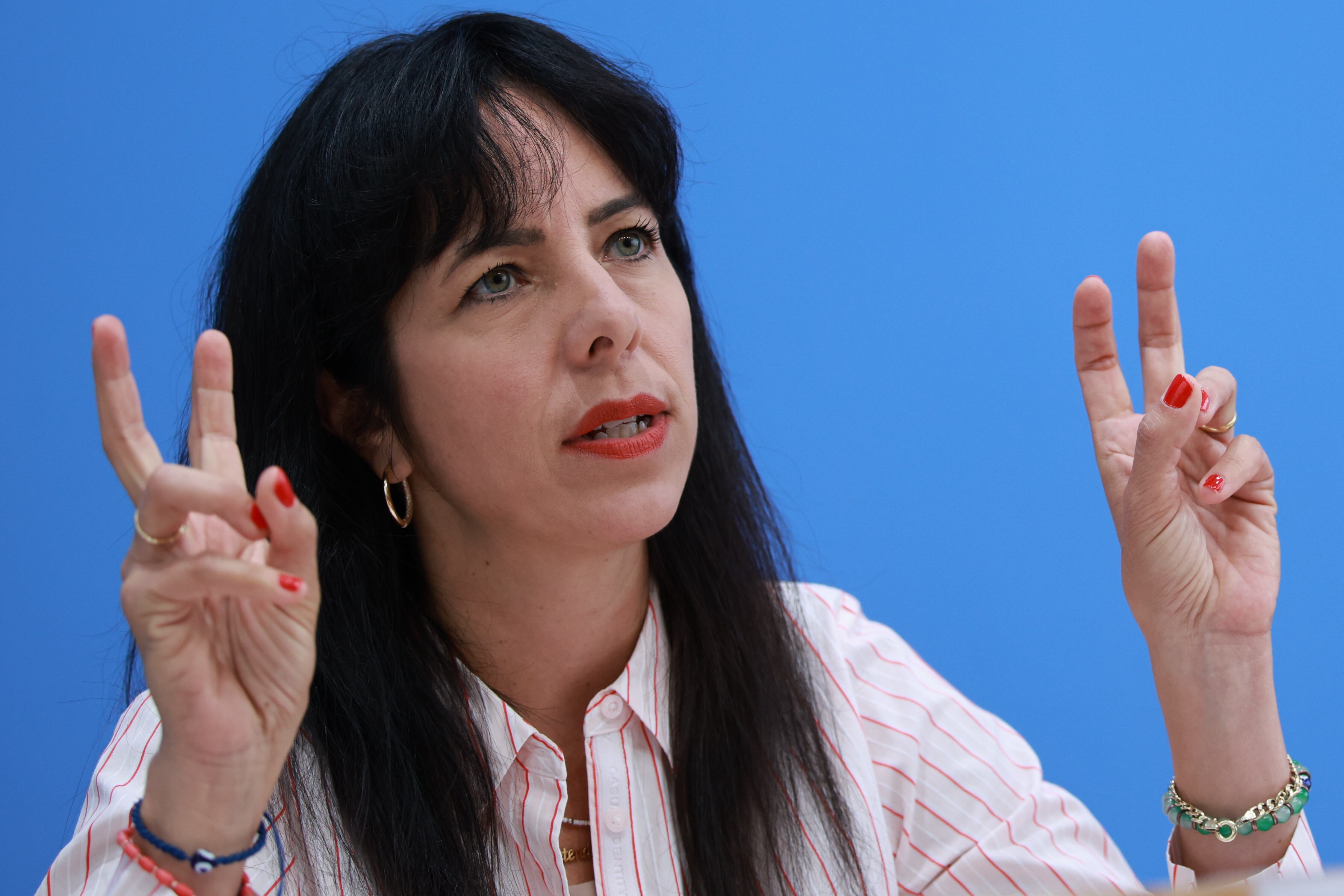
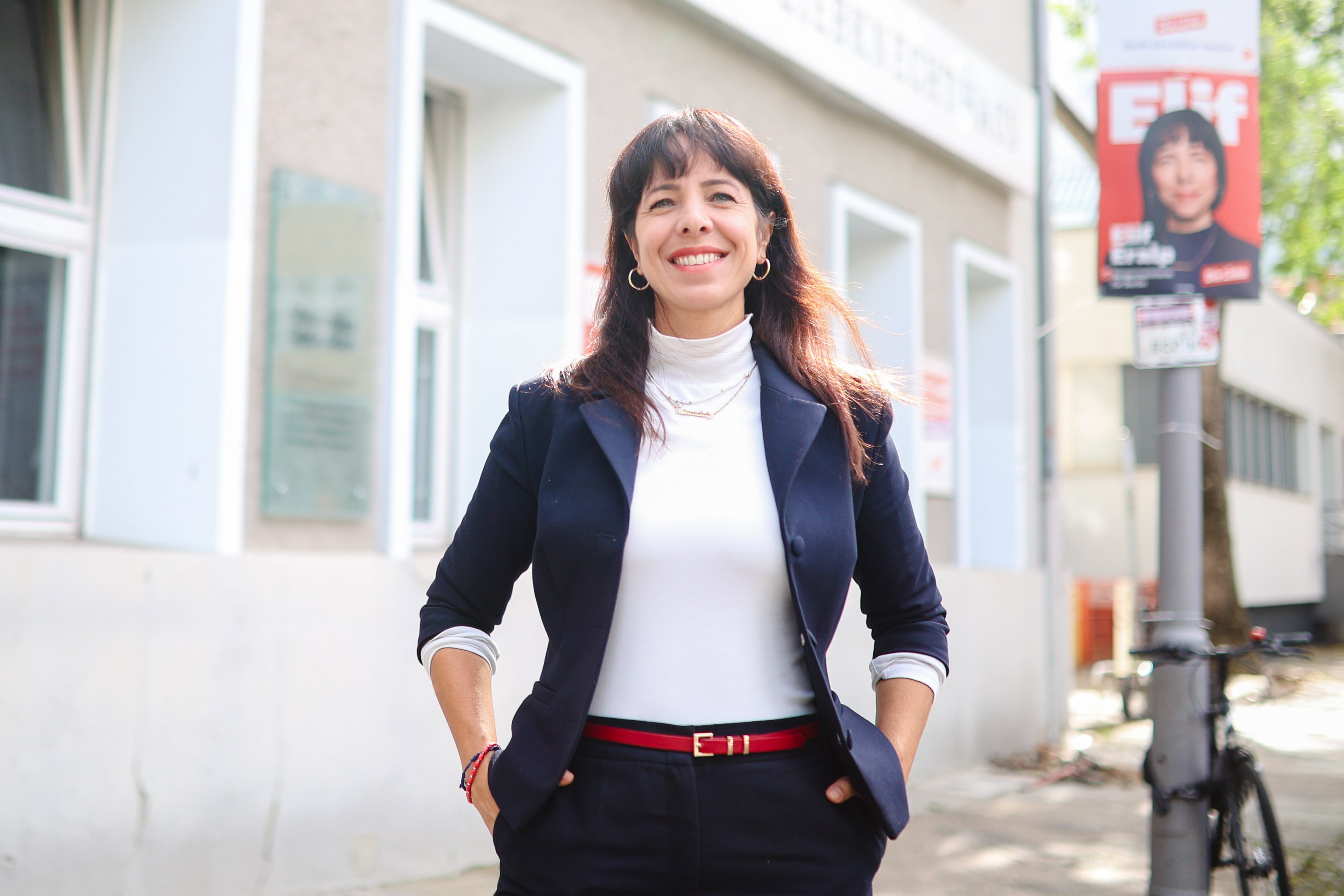
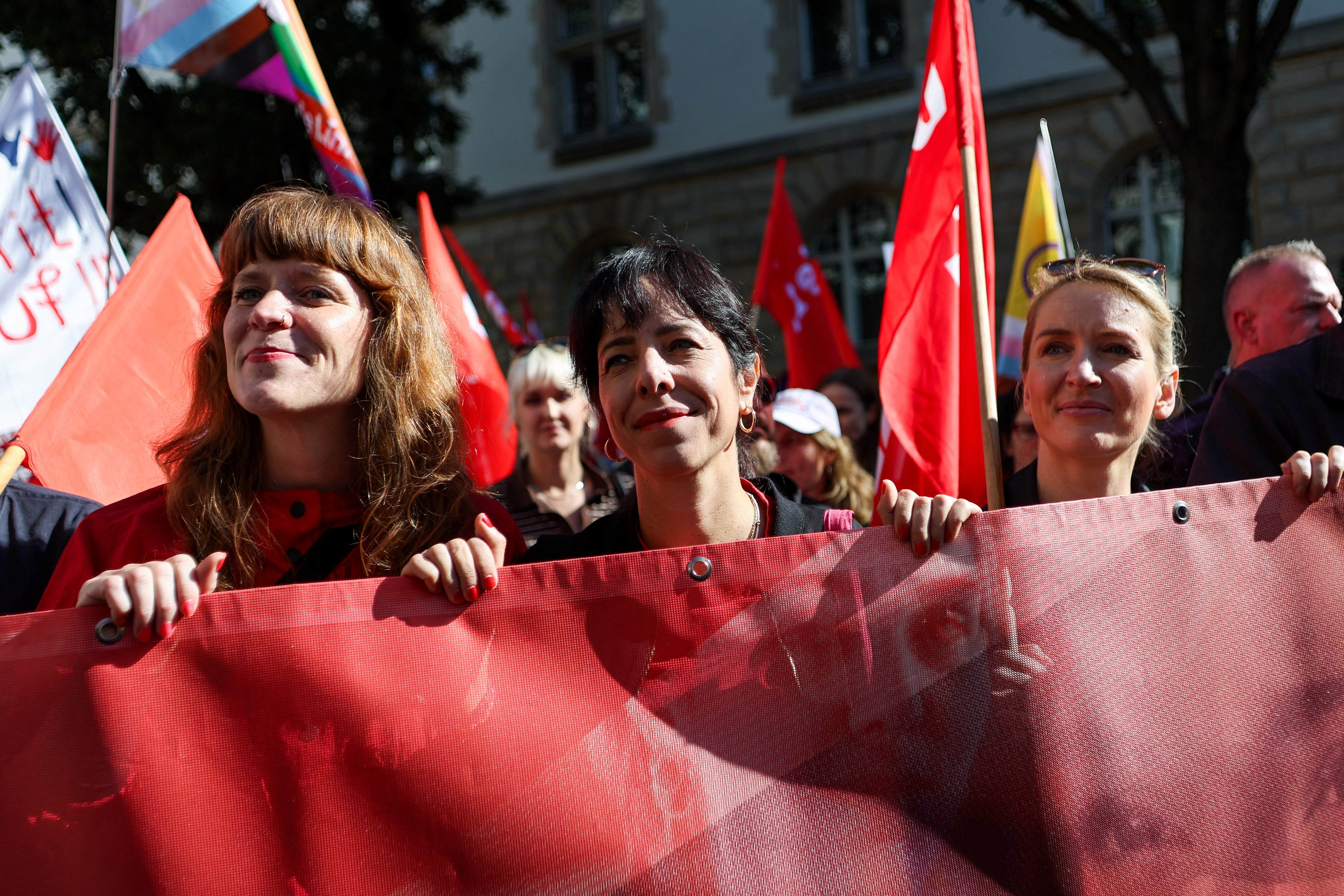
There's the inroads of the far right, but also the broader desire for change. Introducing Berlin's answer to Zohran Mamdani: Elif Eralp, who led the far-left Die Linke party's historic win in Sunday's municipal elections in Berlin. We ask if the 45-year-old daughter of Turkish political exiles can push through her promises of rent freezes and nationalisation of private real estate companies. Just like in New York last year, affordable housing was a hot-button issue. It didn't hurt that her party ran a social media-savvy campaign.
The regional elections in Germany left the CDU of Friedrich Merz in crisis, after a historical setback that the Chancellor described as "disastrous" by not reaching the 5% threshold in some states. In contrast, the ultra-right of AfD celebrated unpublished victories: its leader Alice Weidel said the party is ready to become a decisive force in the country. Meanwhile, Die Linke was consolidated in Berlin, where his candidate Elif Eralp celebrated the triumph with a message of social change.
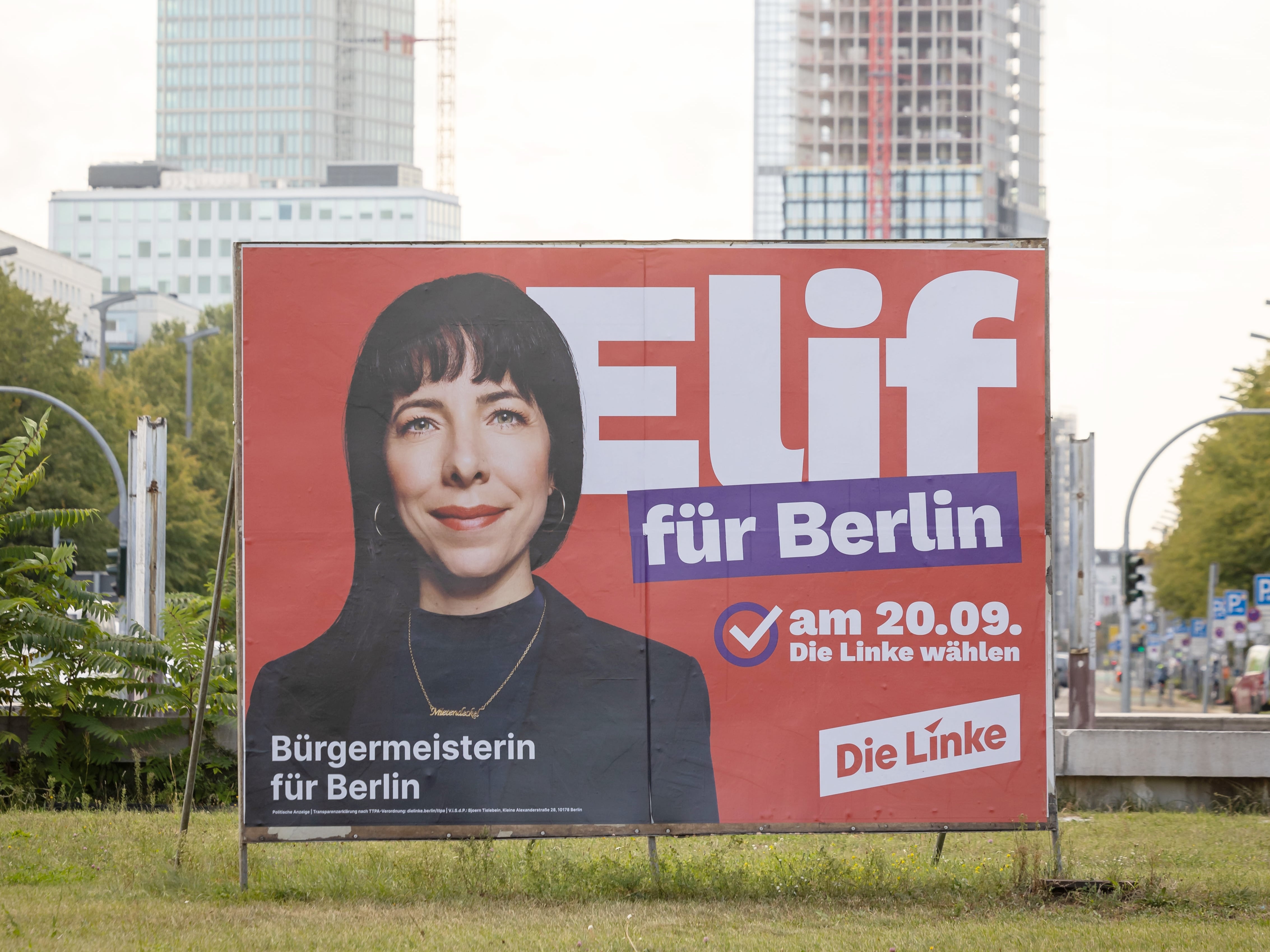
Elif Eralp, the candidate of the left-wing Die Linke party in Berlin, promises more social justice and the expropriation of the big owners to lower the price of the houses. Born in Munich and the daughter of Turkish trade union parents who took refuge after the 1980 military coup d'état, Eralp could become the first mayor of the Turkish capital, a candidacy that arises in response to the rise of the extreme right. An important community of that community lives in Berlin.
In Berlin, La Gauche is the leader of the regional elections with 25.3% of the votes, a first in this Land, due in part to the one who embodies the movement there, Elif Eralp. If it reached an agreement with the Social Democrats and the Greens, Die Linke's leader could become the first female mayor of the immigrant capital. In recent weeks, his approach and speech have been particularly convincing.
Parties such as IU, Mas Madrid, Movimiento Sumar, Pocan and ERC, as well as the movement for the right to housing, see the result of Sunday as a guarantee to their strong program to lower the rents
The extreme right party Alternative for Germany (AfD) is victorious on Sunday 20 September in regional elections in the Land of Mecklenburg-Western Pomerania in the north-east of the country, while the radical left party, Die Linke, won a separate election in the capital Berlin. Both elections resulted in heavy losses for the Christian Democratic Union (CDU), the party of Chancellor Friedrich Merz. Anne Salles, a lecturer in German studies at Sorbonne University, was the guest of FRANCE 24.
The radical left party Die Linke came to the top of the polls in the city state of Berlin after a regional election, ahead of the already weakened conservative CDU party of Chancellor Friedrich Merz.
Another electoral setback for German Chancellor Friedrich Merz, as his centre-right CDU performed poorly in two state elections on Sunday. Projections showed the party failing to enter the state parliament in Mecklenburg-Western Pomerania, where the far-right AfD came out on top, while the far-left Die Linke led the vote in Berlin. The AfD also made significant gains in both states, building on its recent victory in Saxony-Anhalt. Nick Rushworth reports.
One candidate has been making headlines in Berlin in recent weeks: Elif Eralp of the left-wing Die Linke party. Her campaign methods and rhetoric have drawn comparisons with New York Mayor Zohran Mamdani. Anne Mailliet, Paul-Louis Godard and Leyla Sobler report.
The extreme right party Alternative for Germany (AfD) won the elections on Sunday 20 September in the Land of Mecklenburg-Western Pomerania, in the north-eastern part of the country, although it was its worst election result since 1949, called "desaster" by Chancellor Friedrich Merz. The Left Party (Die Linke, radical left) is also at the head of a separate election in the capital, Berlin.
Friedrich Merz and his party, the CDU, recorded on Sunday what the German Chancellor called "desaster" in regional elections. In Mecklenburg-Western Pomerania, the Conservative party failed to get elected to the regional assembly, failing to reach the 5% elimination bar, a first in the country's history since 1945. In Berlin, the radical left, Die Linke, is ahead of the Christian Democrats and is in a position to ravage their town hall.
Foreign Minister Merz assumes the "disaster" in Mecklemburgo-Pomerania, where he wins AfD and his party is left for the first time without parliamentary representation. Die Linke's post-communists win in Berlin
The candidates of the SPD and the post-communists of Die Linke arrive tied with AfD to win in the elections this Sunday in Mecklemburgo- Pomerania and Berlin