World
US, EU and 30 countries warn of famine risk in Sudan, call for aid
Countries also urge Sudan's warring parties to 'lift all impediments on humanitarian assistance'.
International news in seven languages
Topic
Countries also urge Sudan's warring parties to 'lift all impediments on humanitarian assistance'.
WHO is calling on countries to be increasingly vigilant in monitoring antimalarial drug efficacy in order to allow for early detection of artemisinin resistance.1 This is one among several conclusions of the Global report on antimalarial drug efficacy and drug resistance: 2000–2010, released today. The report is based on 1100 studies conducted by national malaria control programs and research institutes over the ten-year period.
The COVID-19 pandemic is straining health systems worldwide. The rapidly increasing demand on health facilities and health care workers threatens to leave some health systems overstretched and unable to operate effectively. Previous outbreaks have demonstrated that when health systems are overwhelmed, mortality from vaccine-preventable and other treatable conditions can also increase dramatically. During the 2014-2015 Ebola outbreak, the increased number of deaths caused by measles, malaria, HIV/AIDS, and tuberculosis attributable to health system failures exceeded deaths from Ebola [1,2]. “Th
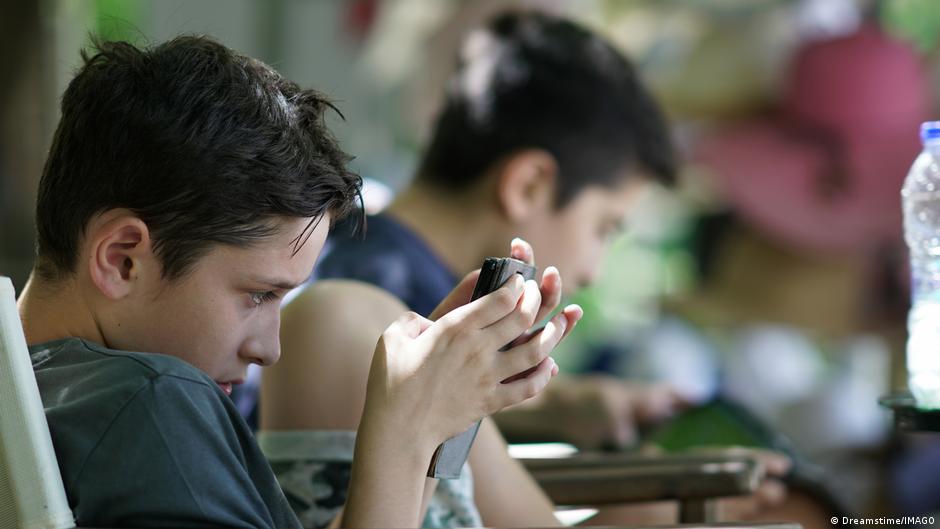
Greece has passed legislation banning social media access for children under 15. New rules will come into effect on January 1, 2027, and are designed to protect children's mental health.
A new report by WHO, UNICEF, and the International Baby Food Action Network (IBFAN) reveals that despite efforts to stop the harmful promotion of breast-milk substitutes, countries are still falling short in protecting parents from misleading information.
Half of the world’s children, or approximately 1 billion children each year are affected by physical, sexual or psychological violence, suffering injuries, disabilities and death, because countries have failed to follow established strategies to protect them. This is according to a new report published today by the World Health Organization (WHO), UNICEF, UNESCO, the Special Representative of the United Nations Secretary-General on Violence against Children and the End Violence Partnership. “There is never any excuse for violence against children," said Dr Tedros Adhanom Ghebreyesus, WHO Direc
Havana says Washington is threatening countries with retaliation if they refuse to vote against condemning its embargo.
Seventy-five countries submit expressions of interest to COVAX Facility, joining up to 90 further countries which could be supported by the COVAX Advance Market Commitment (AMC) The COVAX Facility, and the AMC within it, is designed to guarantee rapid, fair and equitable access to COVID-19 vaccines for every country in the world, rich and poor, to make rapid progress towards slowing the pandemic Interest from governments representing more than 60% of the world’s population offers ‘tremendous vote of confidence’ in the effort to ensure truly global access to COVID-19 vaccines, once developed Ge
OpenAI is rolling out ChatGPT Ads in 26 new countries as it works to expand its advertising business
Argentina's Lionel Messi has won all of his country's eight prizes, while Portugal's Cristiano Ronaldo has won five.
Nine CEPI-supported candidate vaccines are part of the COVAX initiative, with a further nine candidates under evaluation, and procurement conversations on-going with additional producers not currently receiving research and development (R&D) funding through COVAX – giving COVAX the largest and most diverse COVID-19 vaccine portfolio in the world 80 potentially self-financing countries have submitted non-binding expressions of interest to the Gavi-coordinated COVAX Facility, joining 92 low- and middle-income economies that are eligible to be supported by the COVAX Advance Market Commitment
WHO to roll out learning and monitoring tools to improve service provision during pandemic The World Health Organization (WHO) today published a first indicative survey on the impact of COVID-19 on health systems based on 105 countries’ reports. Data collected from five regions over the period from March to June 2020 illustrate that almost every country (90%) experienced disruption to its health services, with low- and middle-income countries reporting the greatest difficulties. Most countries reported that many routine and elective services have been suspended, while critical care - such as c
Today, as part of its commitment to strengthening health information systems and improving health[1], especially in the context of the COVID-19 pandemic, WHO announced a new approach to improving access to life-saving data: the SCORE for Health Data Technical Package. The COVID-19 pandemic has highlighted the urgent need for timely and reliable data to drive strategic health action. Too many countries still lack both the infrastructure to routinely gather health data and the analytical capacity to use these data for effective health actions and emergency response. “Countries must be able to me
A wave of new Latin American leaders reverses measures meant to isolate Israel after its genocidal war on Gaza.
This World Food Day, 645 million people are going hungry, yet more than a billion tonnes of food is wasted annually.
US, Australia, Canada, Japan, South Korea and New Zealand among countries urging citizens to avoid travel to the kingdom.
Countries including Colombia, Ecuador, Nicaragua, Guatemala and Chile have received warnings after the quake.
It has been dubbed "the PISA shock". Countries that had been used to their school pupils performing well in test scores are seeing a plunge in standards. The PISA test is an international assessment led by the Organisation for Economic Co-operation and Development (OECD), which measures how well 15‑year‑olds in over 80 countries apply reading, mathematics and science skills to real‑world problems. In the latest rankings, France's results were the worst it has ever had, and Germany's school pupils got their worst PISA report card too.
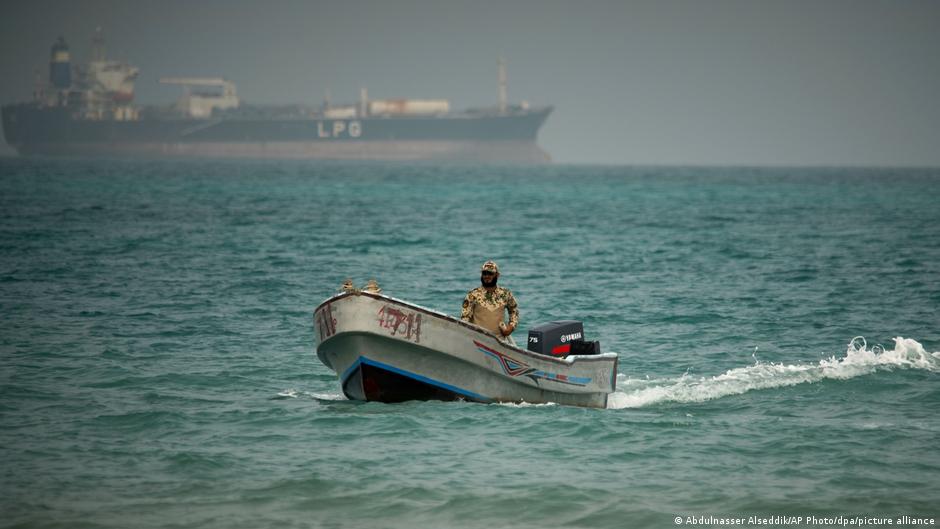
The latest escalation in the Middle East is taking place just a few kilometers off the coast of Africa, at the Bab el-Mandeb Strait. Djibouti and its neighbors are particularly exposed.
More than 500 migrants have been expelled from the US to African countries, HRW says, citing US data.