Science
El Nino is a 'postcard from the future' — and could cause 451,000 excess heat deaths
The current El Nino could cause 451,000 excess heat deaths. Researchers warn it offers a glimpse of temperatures that may become normal within 20 years.
International news in seven languages
Topic
The current El Nino could cause 451,000 excess heat deaths. Researchers warn it offers a glimpse of temperatures that may become normal within 20 years.
The advertising watchdog said that viewers could assume from the ad that replacing all normal food with Huel was "nutritionally appropriate".
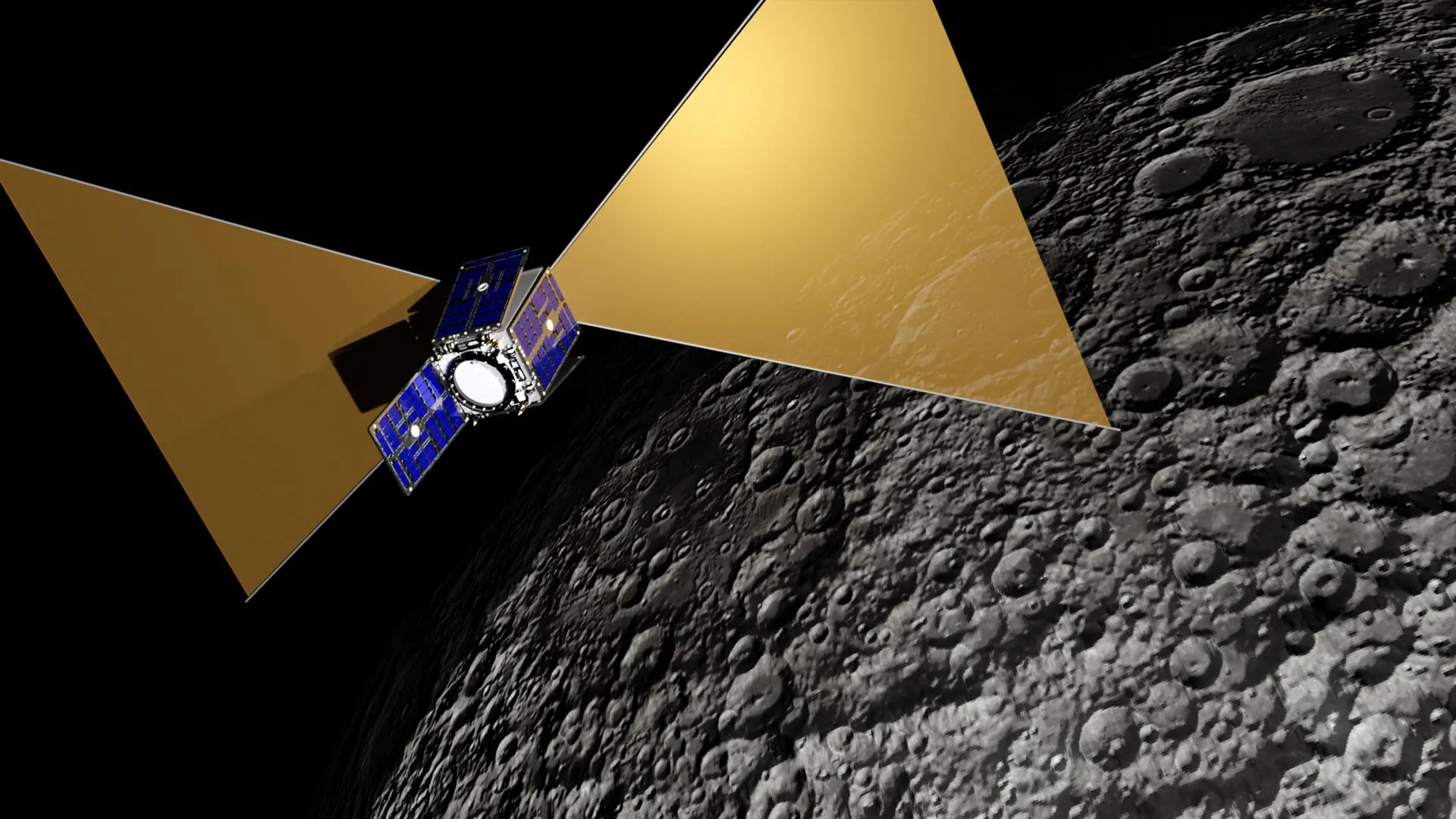
CosmoCube will use the far side of the Moon as a shield from Earth’s radio noise to search for a faint signal from the universe before the first stars existed. The suitcase-sized satellite could reveal how the cosmic dark ages ended and how dark matter helped build the first galaxies.
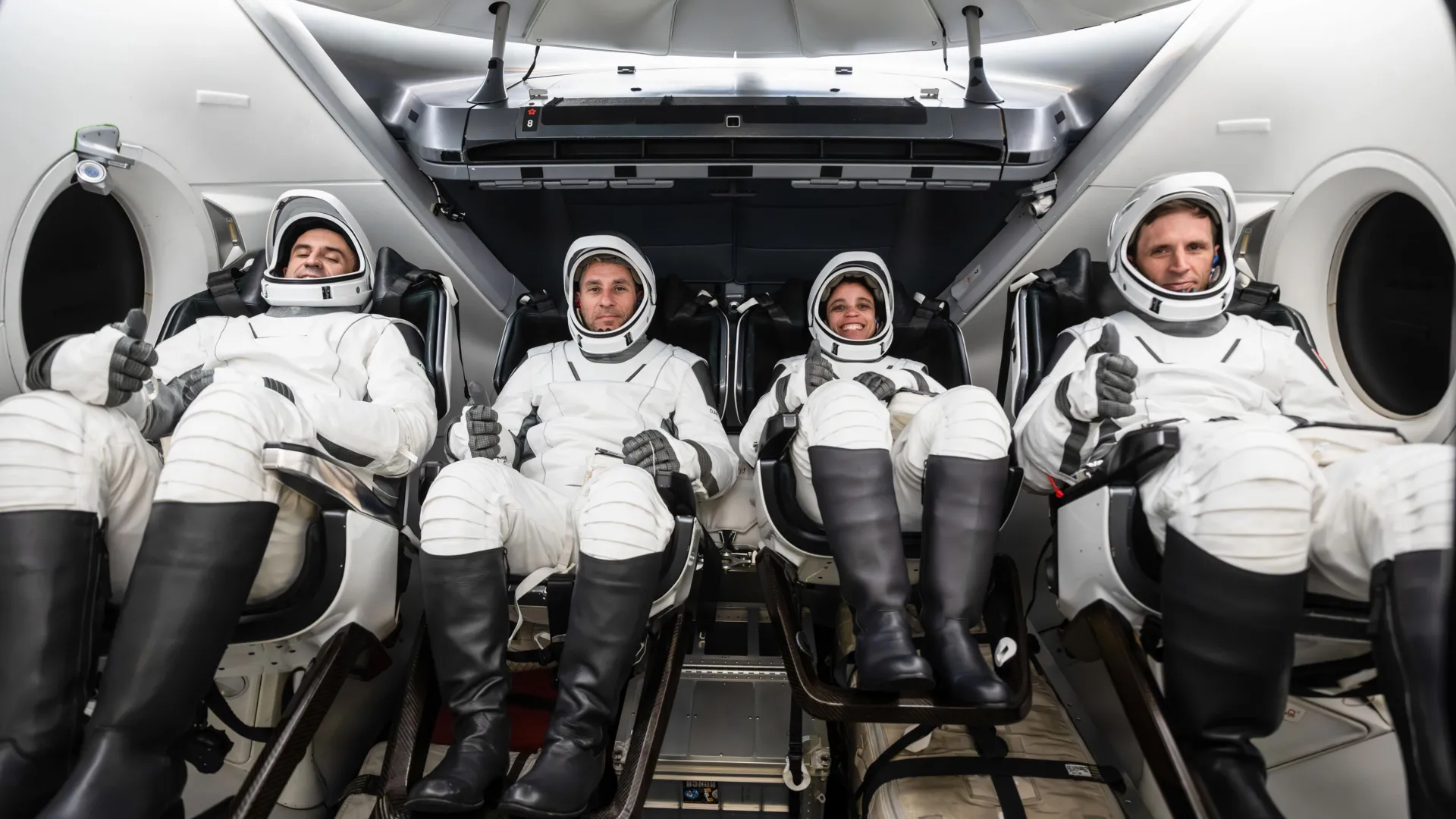
NASA and SpaceX could launch four astronauts to the International Space Station on October 1, with the Dragon spacecraft reaching orbiting outpost less than nine hours after liftoff. Crew-13 will join Expedition 75 after teams complete a final round of intensive launch-readiness checks.
Young Labour supporters at their party conference in Liverpool give their views on how Britain could be better.
FIFA president Infantino is open to providing 'greatest level of additional funding' to associations amid opposition.
The threatened proposal aims to protect US consumers from rising costs, but it could trigger major economic waves if it were to happen.
Strengthening the body’s natural daily rhythms helped mice recover after stroke by improving the brain’s waste-clearing system and reducing lingering inflammation. The approach worked even when treatment began three days after the stroke, suggesting circadian-based therapies could eventually offer a new way to support long-term recovery.
Here’s what you need to know from John Healey’s first Budget, as the chancellor sets out the government’s tax and spending plans.
With Sarina Wiegman set to name her latest England squad on Tuesday, there is one name everyone is talking about - Lexi Potter. Here is why.
Andy Burnham said that he would make tough decisions to fund a new national care service.
Aberdeen is launching an ambitious bid to revive its struggling centre. Could it offer lessons for other high streets?
The state of the social care system in England is a topic that's made Andy Burnham angry for decades - but will his plans for reform work?
Scientists have mapped the genetics of cat cancer on an unprecedented scale and found surprising similarities with tumors in humans. The findings could help bring precision cancer treatments to cats while also revealing new clues about how human cancers develop and respond to drugs.
Scientists have streamlined a method for measuring DNA-bound phosphorus in soil, making it cheaper and easier while preserving its accuracy. The technique could reveal how soil microbes help recycle phosphorus and ultimately support more sustainable fertilizer and nutrient management.
Yemen's healthcare system may not be able to support the population as war strains resources, minister tells Al Jazeera.
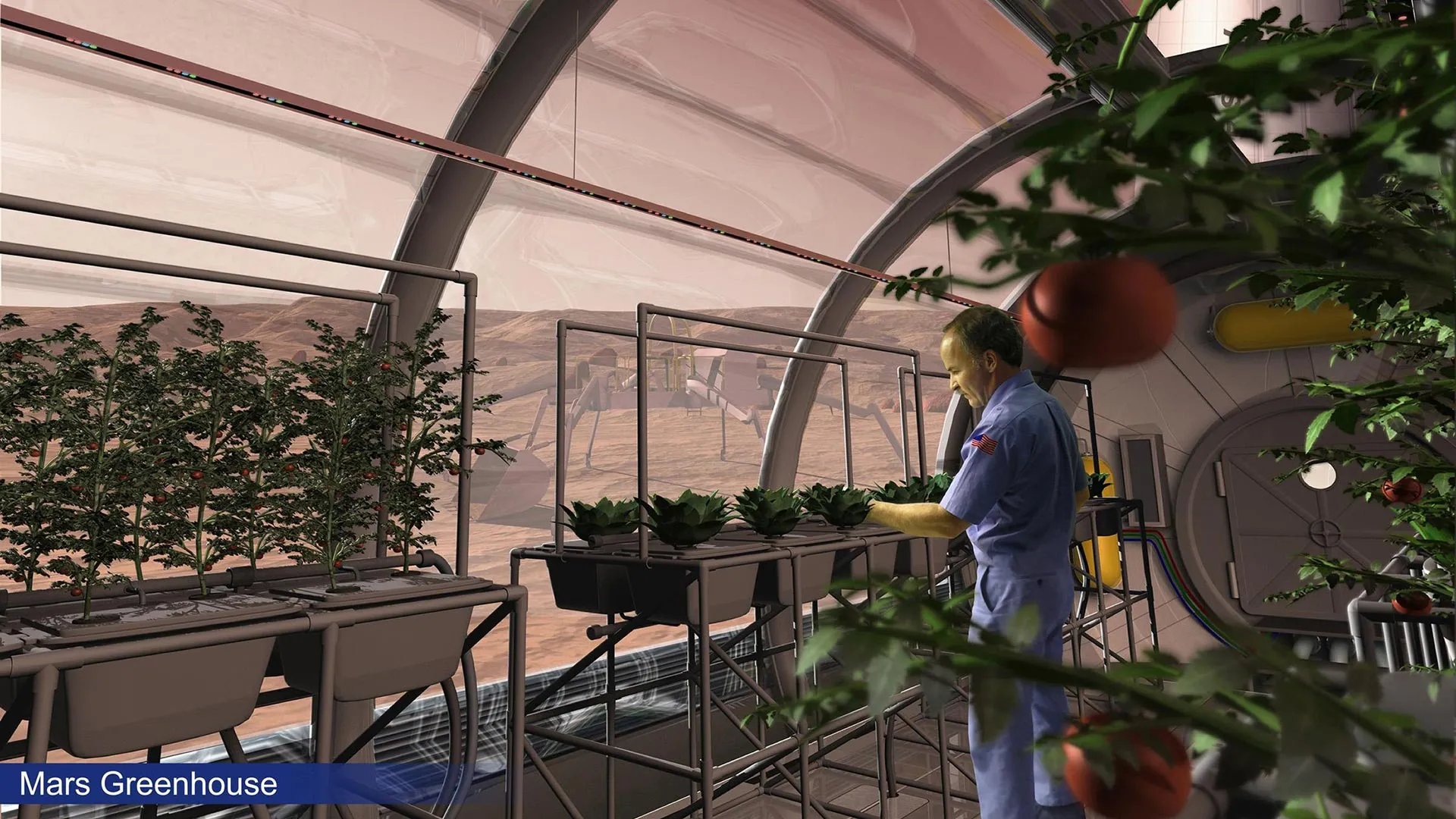
Scientists think beneficial fungi could help transform nutrient-poor lunar and Martian regolith into a material capable of supporting crops. By helping plants access nutrients and withstand harsh conditions, these microbes could someday make self-sustaining space farming more realistic.
Researchers found that scented cleaners can react with ozone indoors to create billions or trillions of invisible nanoparticles that can penetrate deep into the lungs. The pollution forms within minutes and, in some cases, may produce an inhaled particle dose comparable to or greater than standing near heavy traffic.
Fully abolishing the veto would require the unlikely agreement of all five permanent Security Council members.
Manchester City chairman Khaldoon Al Mubarak says he is still confident of proving the club's innocence after they were found guilty of breaking Premier League financial rules.