World
How six Ukrainian divers could have blown up Russia’s $20bn pipelines
A Ukrainian military officer is on trial in Germany over an act of sabotage that remained unsolved for years.
International news in seven languages
Topic
A Ukrainian military officer is on trial in Germany over an act of sabotage that remained unsolved for years.
With the ongoing war in the Middle East increasing prices, one deputy is ask for duty to be frozen.
How Nordsjaelland have become a powerhouse of youth football development - and what Scottish clubs could learn from them.
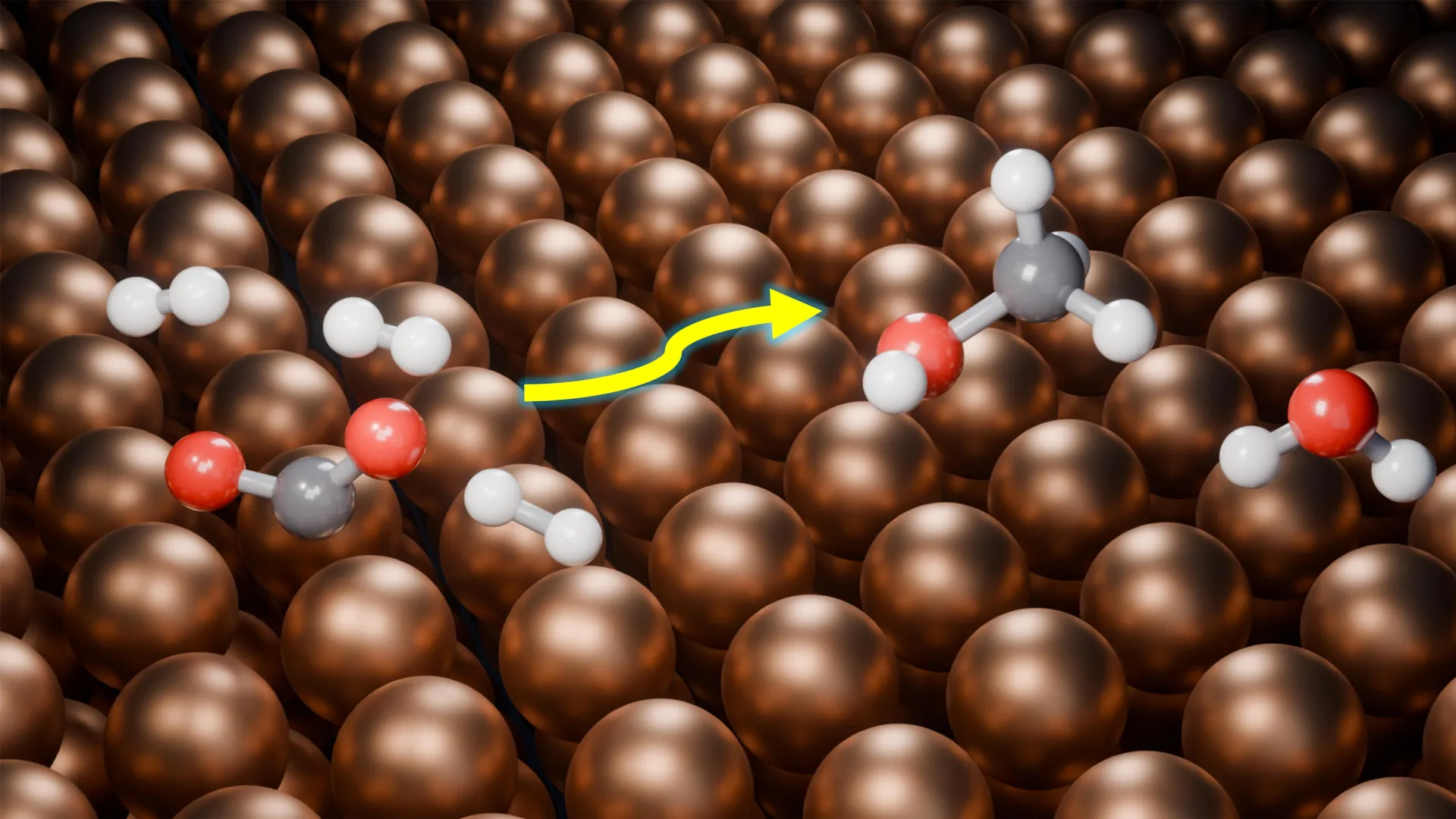
Scientists used artificial intelligence to uncover nearly 10,000 chemical reactions involved in transforming carbon dioxide into fuels and chemicals, revealing crucial pathways that traditional models had missed. The discovery dramatically improved predictions of CO2 conversion and uncovered a surprising hydrogen reaction that could inspire more efficient catalysts.
Stephen Gilbert, 74, was born with unilateral microtia, a rare condition in which the external ear is underdeveloped or missing on one side.
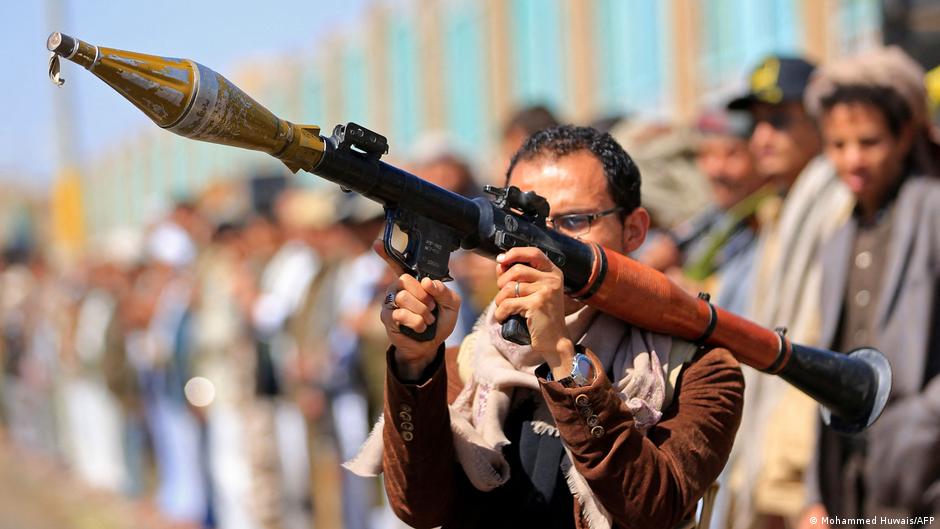
Houthi attacks on airports and energy facilities are putting Saudi Arabia under pressure. Could a Saudi-led international military offensive succeed against the Iran-aligned Houthi militia in Yemen?
The billionaire investor said that corporate buybacks, along with mergers and acquisitions, that have been a tail wind for the bull market are about to turn.
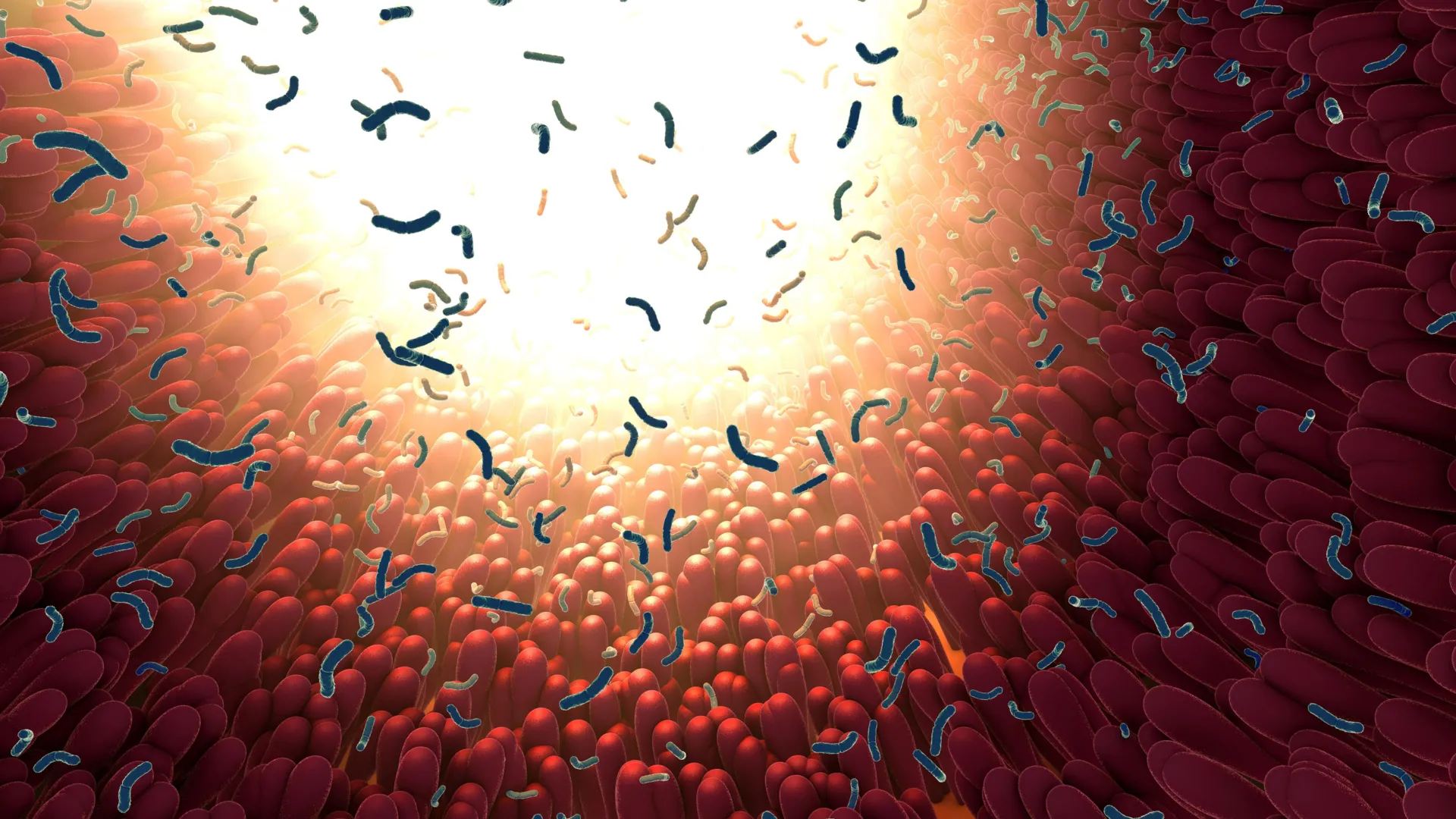
Scientists have developed a model showing that gut bacteria play a surprisingly important role in how many calories we absorb, meaning food labels may not tell the full story. In a controlled study, people eating a high-fiber diet absorbed about 116 fewer calories per day than those eating a typical Western diet, without feeling hungrier.
Anthropic's latest research adds to the growing safety concerns around AI from the ability for models to carry out cyberattacks to the technology going rogue.
US tech giant says small AI models may soon be capable of self-replication without access to a data centre.
The IMF says risks in the government bond market have worsened and that yields could jump sharply and disorderly.
The Cleveland Fed president said that tighter monetary policy would be needed to bring down inflation.
The BBC's Dan Johnson reports from Kyiv, where Ukrainians face another winter with electricity outages.
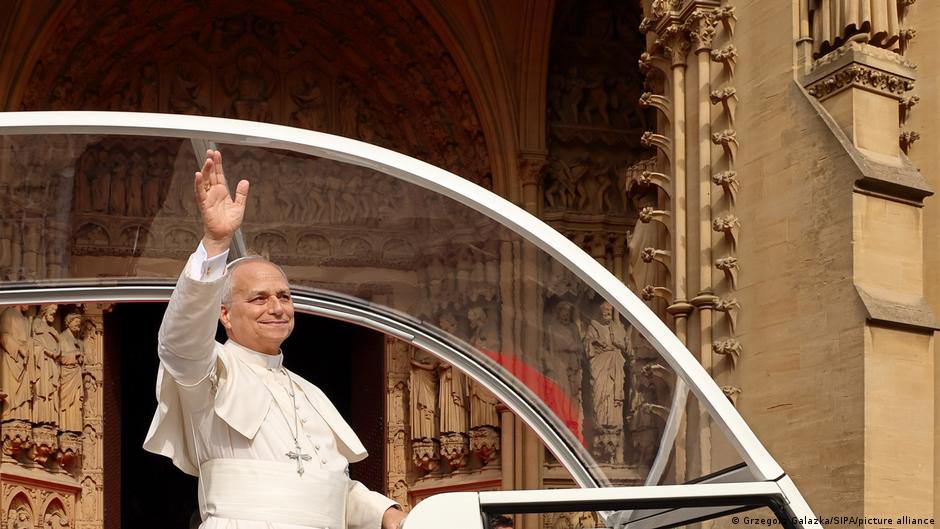
The case of Pope Leo shows how small lung nodules are often found during routine health checks. Quick treatment is generally advised before nodules can grow to become larger life-threatening masses.
We all have that one pair of old jeans in the back of our wardrobe – don’t throw them out! A French company says denim fibres make for great insulation against the cold and heat. Millions of jeans are already being recycled in a factory in north of the country. Their insulating panels have even found their way into some of France's most iconic buildings. Our Down to Earth team reports.
A post-war sculpture inspired by the Cornish landscape is set to go under the hammer.
The film dropped by around 60% in its second weekend, and could become one of Hollywood's biggest flops.
Mathematics may hold unexpected clues to understanding Alzheimer’s disease. Scientists have developed a model showing how common metals like copper and zinc may influence the buildup of proteins associated with the disease, while also exploring possible ways to stop the process. The findings could help researchers identify promising strategies for preventing harmful plaque formation.
Scientists have discovered that the universe's fundamental physical constants may be finely balanced to make life possible. Even tiny changes to these constants could make liquids too thick or too thin for essential biological processes, potentially preventing life as we know it. Surprisingly, these life-friendly conditions existed billions of years before living cells appeared. The findings raise intriguing questions about why the laws of physics seem so well suited to life.
WATCH: The BBC's Nadine Yousif meets the separatists who want to quit the country - and the Canadians calling for unity in the face of threats from US President Trump.