Advertisement
Advertisement

Topic

Congreso

Politics

Direct Latin and what comes for Lula with opposition majorities in Congress

Against all odds, Brazilian President Luiz Inácio Lula da Silva achieved his re-election, but came to rule without majority in Congress. The Liberal Party, led by the Bolsonaro side, won 121 of the 513 seats in the Chamber of Deputies and 28 of the 81 seats in the Senate in the legislative elections, which will make its Government difficult. Expand the information our correspondent Valeria Saccone.

Politics

Lula wins the elections in Brazil, but faces a complex panorama to govern

The election victory of Luiz Inácio Lula da Silva in a second round has been a setback for the extreme Brazilian right, which has however taken strength in Brazil. The re-elected president will have to deal with the economic and security problems in the country, while managing international tensions with Donald Trump. This without having majority in Congress and with a strong opposition of the ultra-right and the Bolsonaro family.

Politics

Brazil: Lula gets re-election but faces a right-dominated Congress

Although the October 25 triumph guarantees the immediate continuity of Luiz Inácio Lula da Silva's project, his fourth term of office will have to deal with a Congress led by the opposition and with a right-wing majority, a picture that will mark the challenges that the re-elected president will face to move forward with his initiatives. Angela Gómez and Lionel Poussy bring us the report.

Advertisement
World

Trump faces midterms with a gap of enthusiasm between his own voters

Voters who supported Kamala Harris in 2024 now show more enthusiasm for participating in midterms than those who supported Donald Trump, according to a Reuters / Ipsos survey. The data is a warning signal for Republicans less than a month away for elections that will decide on the control of the U.S. Congress.

Politics

Is Sánchez using the housing crisis in Spain as a campaign tool?

The president of the Spanish government, Pedro Sánchez, called for early elections to face the housing crisis aggravated by the eviction of Maricarsen Abascal, a 87-year-old woman, and the rejection of Congress to two decrees - a law that intended to soften the crisis temporarily. In the Invitty @ of the day we analyze the size and complexities of the Spanish housing market with Jordi Sarrion-Carbonell, analyst and political consultant.

World

Direct Latin and the record number of women parliamentarians in Brazil

The Brazilian legislative elections marked a milestone for female representation. For the first time, women will reach a record number in Congress, with 109 deputies and 18 senators, the largest number in the country's history. The progress reflects a sustained growth in the female presence in Brazilian politics, however, it is far from ideal. From Rio de Janeiro, our correspondent Valeria Saccone tells us more details.

Advertisement
Politics

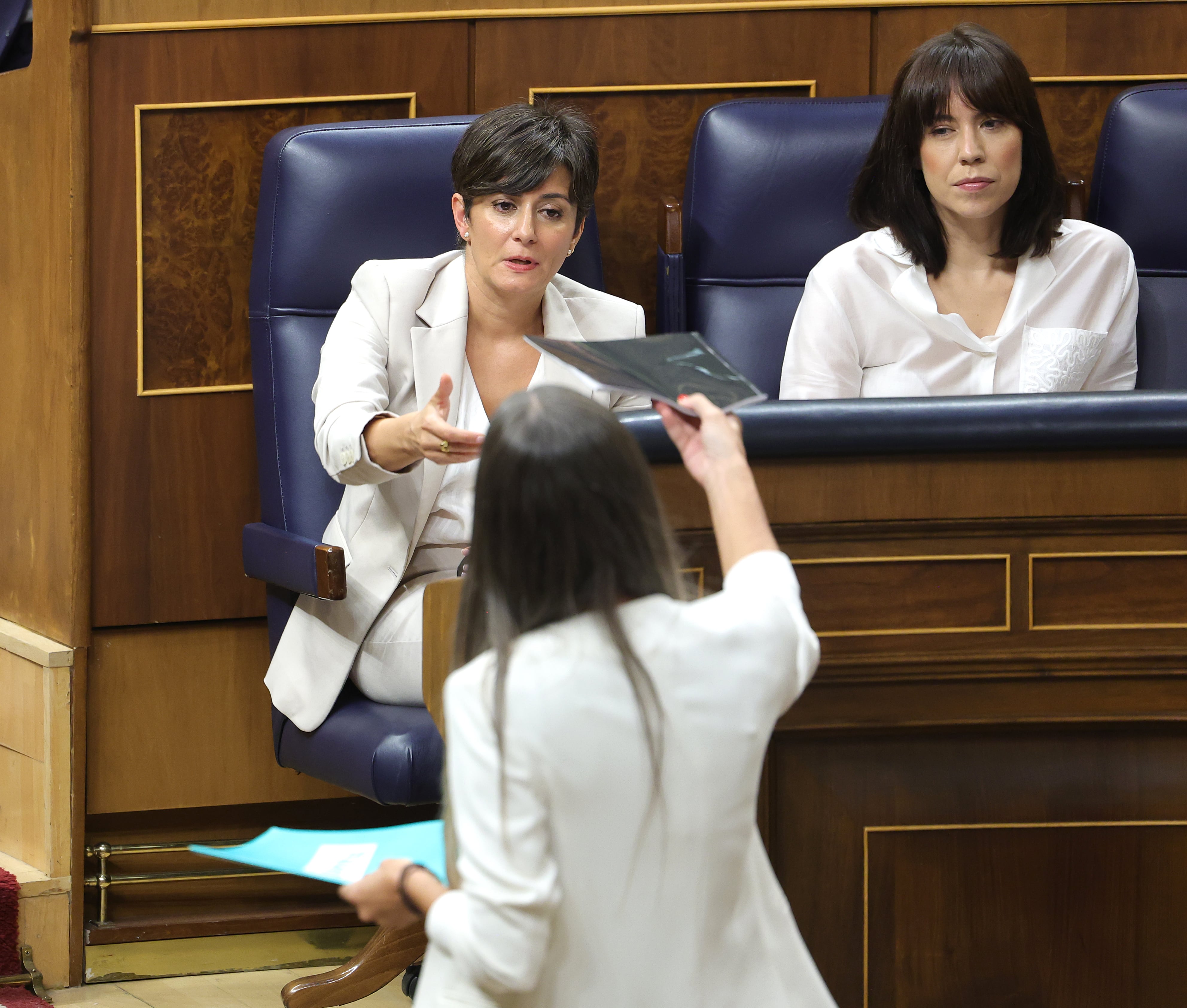
Sánchez recovers the housing decrees rejected by Congress after advancing the elections

The Spanish Government adopted two new decrees on Tuesday to facilitate access to housing, contain certain increases in rent and expand the offer, just four days after Congress rejected similar measures. Pedro Sánchez defended the decision as a response to a crisis that, he said, has not changed despite the parliamentary setback that ended up precipitating the progress of the general elections on 29 November.

Politics

It is not just the Presidency: the right is consolidated in the Congress of Brazil and power Bolsonaro

The Liberal Party, a platform for the presidential candidacy of Flávio Bolsonaro, won 121 seats in the Chamber of Deputies and went from 15 to 28 seats in the Senate, resulting in the largest single party representation in both chambers in almost 40 years. With the support of other forces of conservative tendency, Bolsonaro would thus guarantee a comfortable governance, if elected president, and could even pursue the promised amnesty to his father.

World

How does the balance of power remain in Brazil?

In our Context section we analyze the elections in Brazil and the growth of Bolsonarianism, in addition to the factors that have allowed its consolidation as one of the country's main political forces. In turn, we review how conservative expressions are strengthened in Congress and the governorates and what options have the candidates Flavio Bolsonaro and Luiz Inácio Lula da Silva to add support for the shooting.