Advertisement
Advertisement

Topic

Common

Science

Scientists finally discover how a common gut bacterium can trigger colon cancer

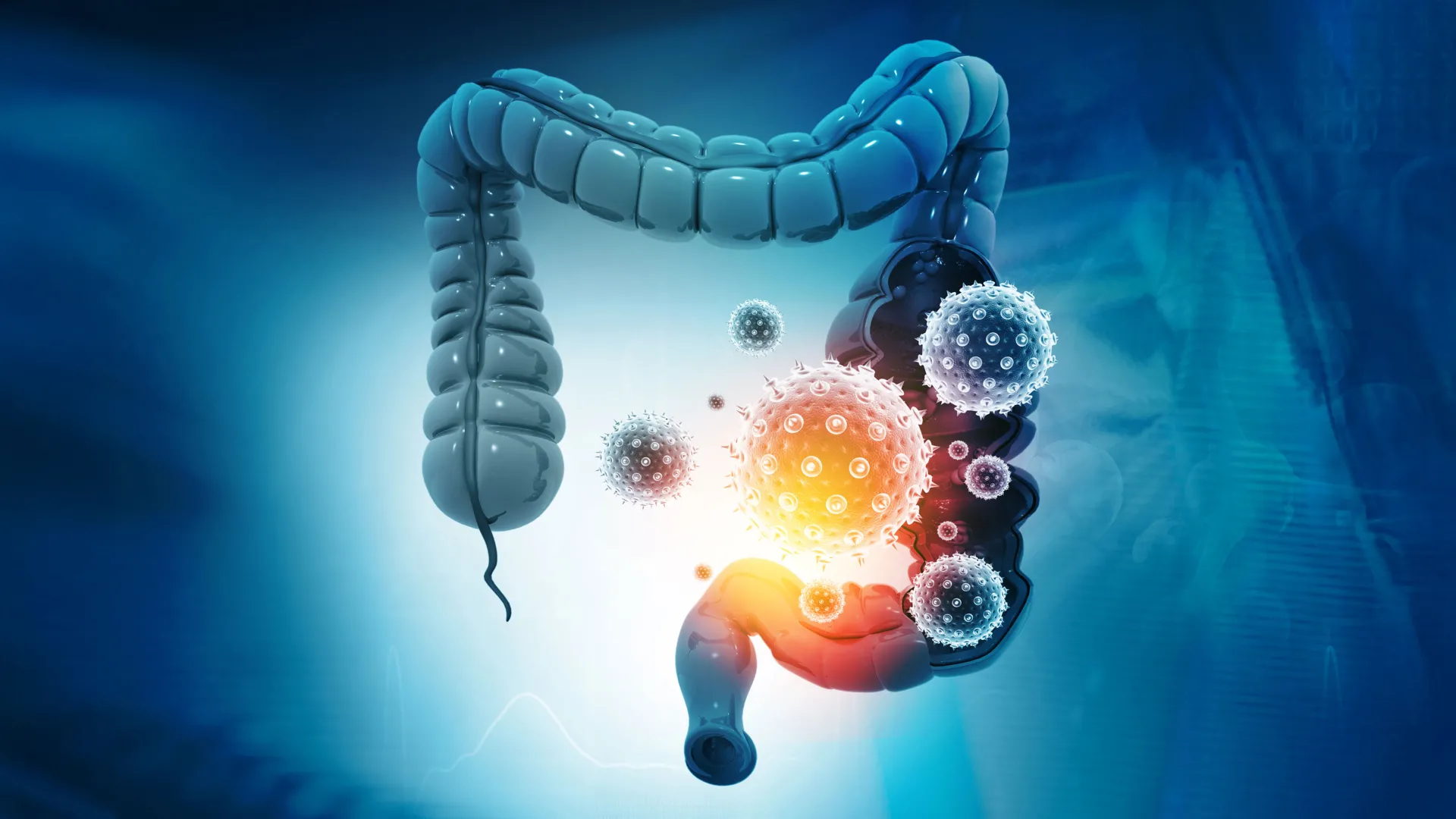
Scientists at Johns Hopkins have uncovered a crucial missing link between a common gut bacterium and colorectal cancer, solving a mystery that has puzzled researchers for nearly two decades. The bacterium, Bacteroides fragilis, produces a toxin that damages the colon’s protective lining, triggers chronic inflammation, and promotes tumor formation.

Health

Common drugs may help dangerous viruses spread through the body

A surprising discovery reveals that widely used anti-inflammatory drugs may unintentionally help dangerous viruses spread through the body. Scientists found that JAK inhibitors, prescribed for rheumatoid arthritis and other inflammatory diseases, can weaken a crucial immune defense against influenza, COVID-19, and other infections. By suppressing genes that normally fight viruses, these medications may leave patients more vulnerable to infection.

Entertainment

Busta Rhymes Breaks Down ‘Dillagence II’ Album and Writing to J Dilla Beats in Grammy Museum Q&A With Anderson .Paak

Busta Rhymes discussed the fundamentals of his new album “Dillagence II” last night at Los Angeles’ Grammy Museum, breaking down a handful of key tracks during a Q&A with musician Anderson .Paak and performing a string of his greatest hits along with a guest appearance from Common. On “Dillagence II,” which was released in August, […]

Health

This common vitamin could help fight one of the deadliest brain cancers

High-dose vitamin B3 is showing intriguing early promise as an addition to standard glioblastoma treatment, with 82% of patients in a small trial remaining progression-free after six months. Researchers believe niacin may help revive immune cells suppressed by the cancer, but larger studies are still needed to confirm the benefit and safety.

Advertisement
Health

8 common food additives linked to high blood pressure and heart disease

Common preservatives hiding in processed foods may carry unexpected heart risks, with heavy consumption linked to substantially higher rates of high blood pressure and cardiovascular disease. Researchers identified eight widely used preservatives associated with hypertension, although the observational study cannot prove they were directly responsible.