Advertisement
Advertisement

Topic

Climate crisis

Weather

Think more rain means more river water? Not necessarily

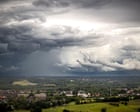
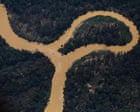
Some rivers are receiving more rain than before but have lower water flow, according to a study More rain and snow equals more water in rivers, right? Not necessarily. A new study shows that, despite receiving more rainfall than they used to, river water levels are falling because of changes in climate. Global heating is intensifying the hydrological cycle, making wet regions wetter and dry regions drier, but how is this affecting river flow? Researchers from the Pennsylvania State University, in the US, have analysed precipitation and river flow records in more than 10,000 rivers between 1951

Weather

Weatherwatch: wildfires driven by global heating destroy UK bird habitats

Hot and dry summer created conditions for fires in Scotland and England that tore through vital wildlife areas Major wildfires this summer in the Cairngorms, along the Suffolk coast and in the New Forest have destroyed huge swathes of important bird habitats, affecting the populations of some of our most threatened and specialised species. The first to break out, in mid-July, destroyed much of the RSPB’s Abernethy reserve, home to declining species such as black grouse and capercaillie, as well as scarce songbirds including Scottish crossbill and crested tit. Fortunately it was brought under c

Weather

Weatherwatch: UK’s migrant waders feel the effects of a changing Arctic

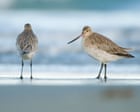
Warmer winters and springs are drying out wetlands and the birds are missing out on an abundance of insects to eat When we think of spring migrant birds, it is easy to focus on songbirds such as warblers, flycatchers and swallows. Yet during late spring, many are waders – passing through Britain on their way north to breed in the high Arctic from their winter quarters in sub-Saharan Africa. According to the British Trust for Ornithology’s regular migration blog, it has been a good year for waders: including more common species such as ringed and grey plovers, bar-tailed godwit, sanderling and

Weather

Weatherwatch: Cleaner clouds may slow rate of global heating

Study shows falling dust levels are making clouds more reflective, an effect not taken into account in climate models Cleaner clouds are helping to slow the rate of global heating, a study shows. Falling levels of dust in the atmosphere are making clouds more reflective. This previously unidentified effect is not being taken into account by current climate models, which may mean they are slightly overestimating the projected rate of global heating. Researchers analysed satellite observations of high clouds in the northern hemisphere and assessed the ratio of ice crystals to liquid droplets ove

Weather

Weatherwatch: rainclouds are travelling farther in warmer world

Climate crisis affects not only the amount of rain that falls but where, with implications for land use and water security Have you ever wondered how far a raindrop has travelled before it lands on you? It may have journeyed thousands of kilometres from the ocean, sea or lake it evaporated from – and now research shows raindrops are travelling even farther than they used to. Warmer air can hold more water vapour, and that is changing not only how much rain we receive but also where it falls. Travis Aerenson, of the University of Wyoming, and his colleagues modelled atmospheric moisture movemen

Weather

Weatherwatch: Paving over front gardens is leading to hotter nights

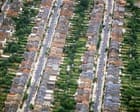
Changing paved areas to grass and planting trees can reduce urban heat island effect by as much as 1C, study shows Add together all the UK’s household gardens and they cover an area three times larger than all the country’s nature reserves combined. But as the demand for car parking increases, many front gardens are being paved over, with research showing that this loss of green is adding to the urban heat island effect, particularly at night. In 2005, about 7.5% of the UK’s front gardens were paved; by 2025 that had risen to 55%, according to Royal Horticultural Society estimates. Those hard

Weather

Weatherwatch: Climate crisis fuelling steep fall in migratory bird numbers

Many species under threat use the African-Eurasian flyway, one of the planet’s largest mass-migration systems It may still feel like summer, but in the world of birds, autumn migration is already well under way. Cuckoos and swifts have already left us, and while swallows and many species of warbler will not depart our shores until September, many species of Arctic-breeding waders have begun to stop off at our coastal marshes to refuel for their long journey south. This year, however, there could be fewer than usual. A review by the British Trust for Ornithology, working with other internationa

Weather

Weatherwatch: how to protect our railways in hotter summers

Steel rails warping and signalling equipment failing in metal cabinets are among the problems to be solved Tarmac softens in the summer heat, which may cause problems on the roads, but even trains running on steel rails are not immune. Railways in the UK are generally designed to operate within a 45C temperature range. The rails expand slightly in the heat, and excessive temperatures can produce “sun kink” with rails warping into S-shapes. The effect is small but the distortion can derail fast trains, so speeds are reduced for safety. Continue reading...

Advertisement
Topic: Climate crisis | RocksNews