Advertisement
Advertisement

Topic

Chronic

Science

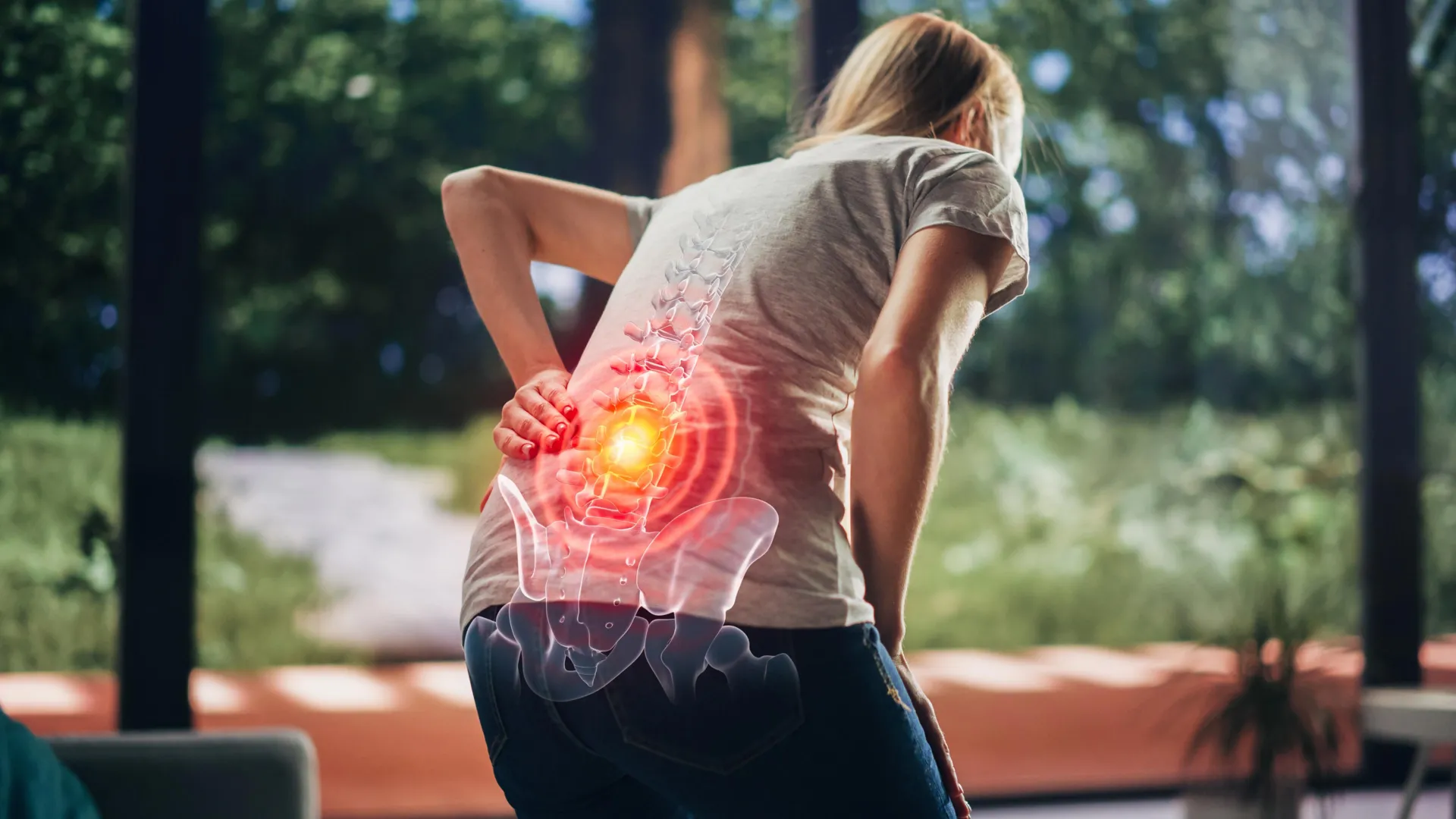
Scientists discover why chronic back pain feels so personal

A surprising discovery at UC San Diego suggests that chronic lower back pain may become deeply embedded in the brain's sense of personal identity. Researchers found that movement-triggered pain activates a brain network associated with self-awareness and memories, even though ordinary acute pain typically shuts this network down. This unexpected difference could explain why conventional pain medications often provide limited relief and why fear, anticipation, and past experiences can intensify chronic pain.

Science

Scientists may have found why diabetic wounds refuse to heal

Chronic diabetic wounds may fail to heal because immune cells remain locked in damaging inflammatory states instead of transitioning toward tissue repair. Researchers are exploring treatments that reprogram these immune responses, raising hopes for more targeted and effective therapies for diabetic ulcers.

Health

Chronic stress may be quietly reshaping your heart

Chronic inflammation tied to stress, lifestyle, mental health, and socioeconomic conditions may silently change the heart for years before any symptoms appear. People with the highest inflammation levels faced a 43% greater risk of heart attack and stroke, raising hopes that earlier testing and anti-inflammatory treatments could help prevent serious heart disease.