Science
RAF base chemical contamination worst in UK, report says
Testing at RAF Upper Heyford finds "unacceptable" levels of polyfluoroalkyl substances (PFAS).
International news in seven languages
Topic
Testing at RAF Upper Heyford finds "unacceptable" levels of polyfluoroalkyl substances (PFAS).
An explosive fire erupted on Friday at a chemical plant in Leon, Mexico.
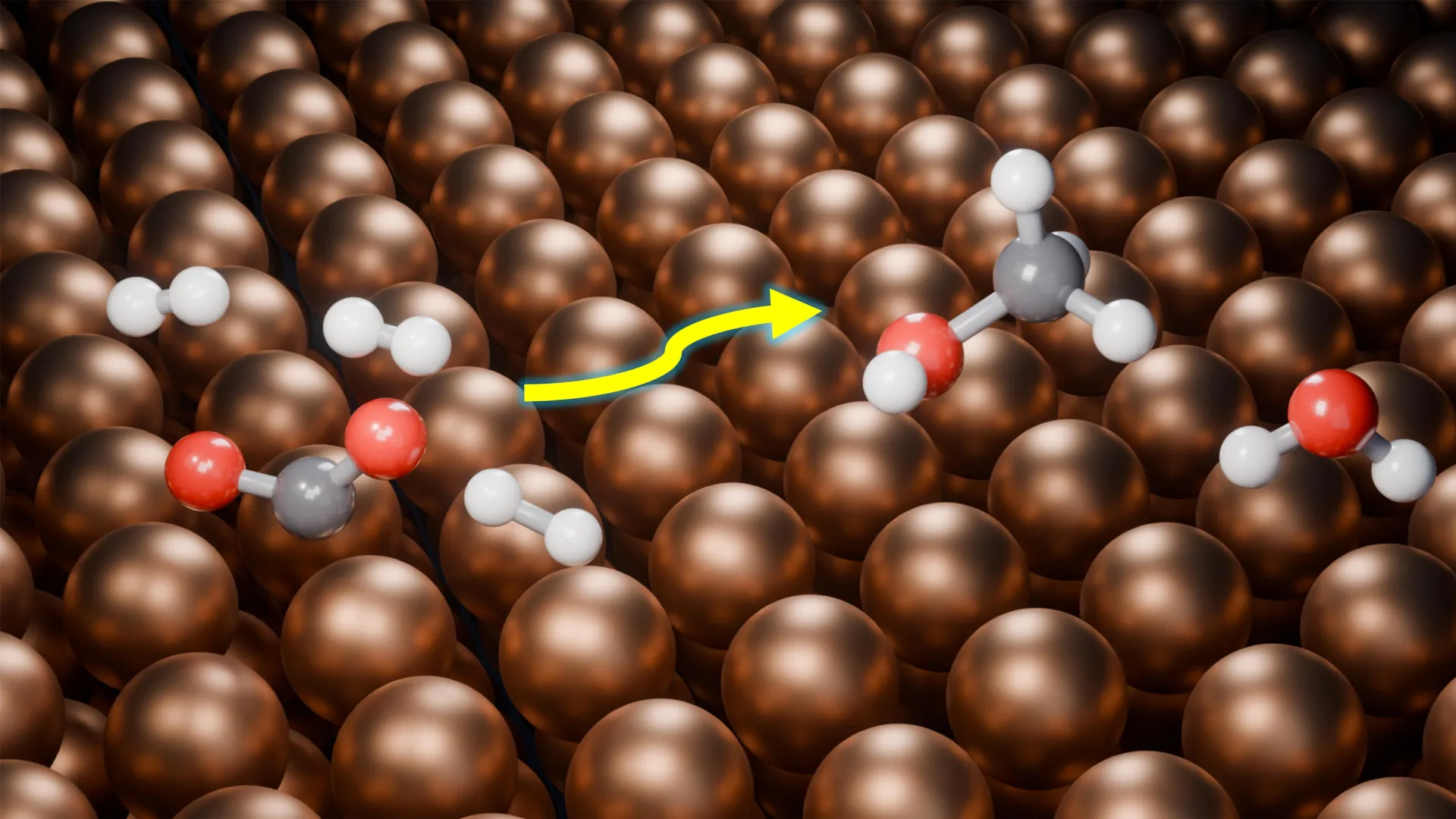
Scientists used artificial intelligence to uncover nearly 10,000 chemical reactions involved in transforming carbon dioxide into fuels and chemicals, revealing crucial pathways that traditional models had missed. The discovery dramatically improved predictions of CO2 conversion and uncovered a surprising hydrogen reaction that could inspire more efficient catalysts.
Scientists may have found a clue to one of the biggest mysteries surrounding the origin of life: how fragile RNA molecules could gather and survive before cells existed. New research shows that RNA is unusually good at assembling into tiny liquid-like droplets that concentrate molecules and can harden into protective, gel-like structures. Remarkably, much of this behavior may come down to a single oxygen-containing chemical group that RNA has but DNA lacks.
Chemical clues preserved inside fossilized T. rex teeth reveal that the dinosaur maintained a body temperature of about 97 degrees Fahrenheit, almost identical to humans. The finding provides direct evidence that the giant predator was warm-blooded, helping explain how it stayed active and survived in chilly environments as far north as Alaska.
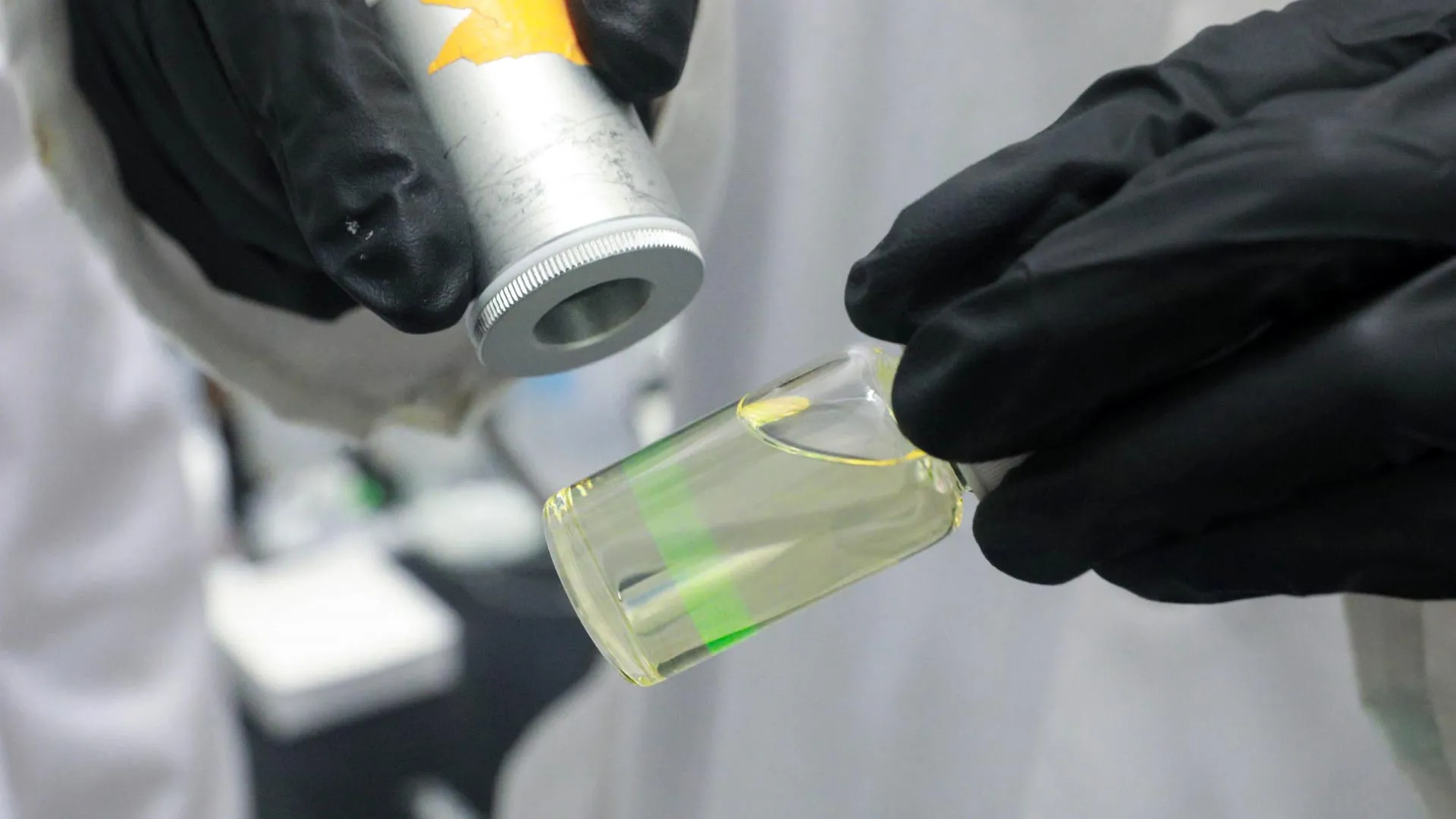
Scientists have developed ultra-bright nanoparticles that can detect tiny amounts of chemicals and distinguish between molecules that look almost identical. The technology could one day provide a cheaper way to catch dangerous drug impurities or trace pollutants using simple low-cost lasers.
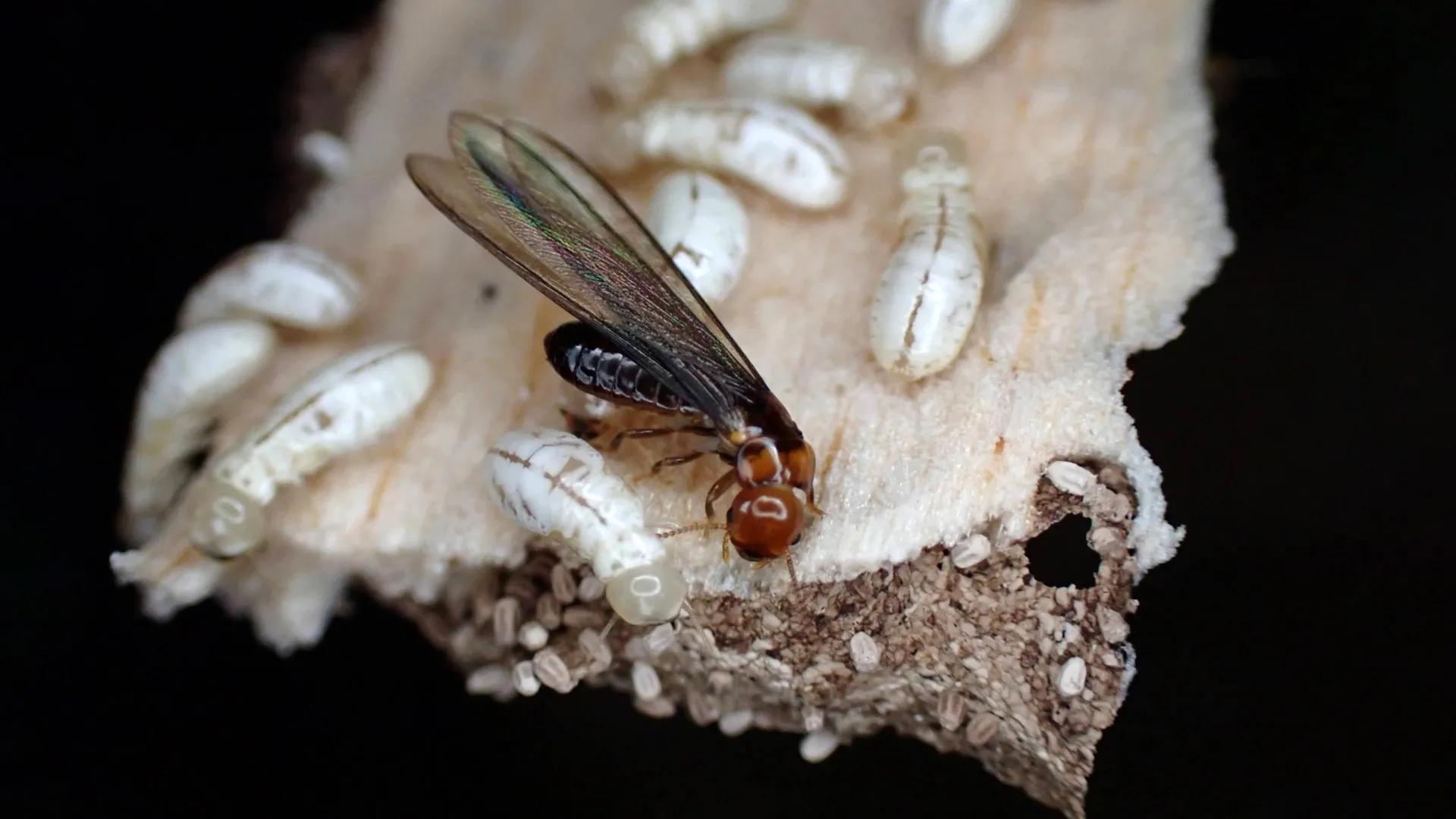
A chemical that stops drywood termites from building new exoskeletons killed about 95% of colonies in testing, offering a potentially safer alternative to traditional fumigation. Because termites eventually have no choice but to molt, the treatment turns a normal stage of their life cycle into a fatal weakness.