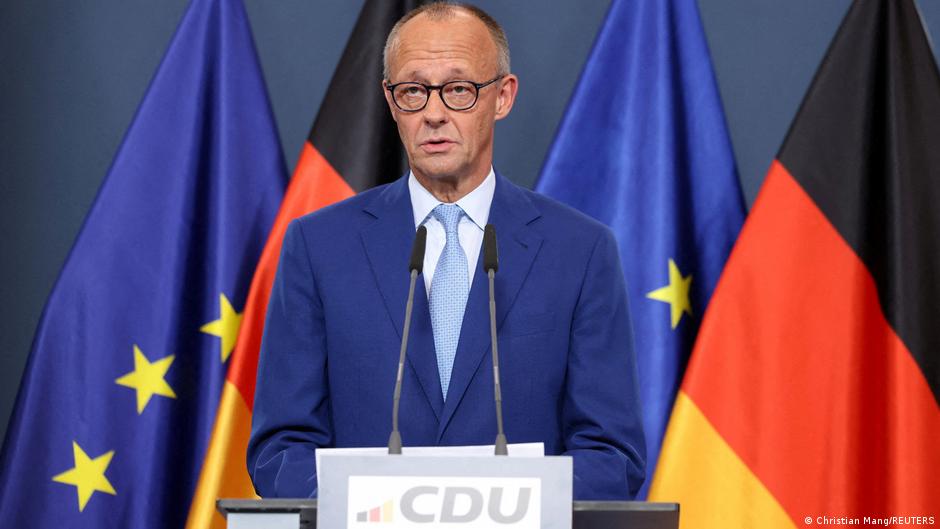
Nvidia announced planned investments in four German startups as Chancellor Friedrich Merz urged businesses to embrace AI at an industry summit in Berlin.
The Left Party is suing two government ministers for accusing them of antisemitism, while Chancellor Friedrich Merz has been sued several times by various parties. Is German politics descending into "lawfare?"
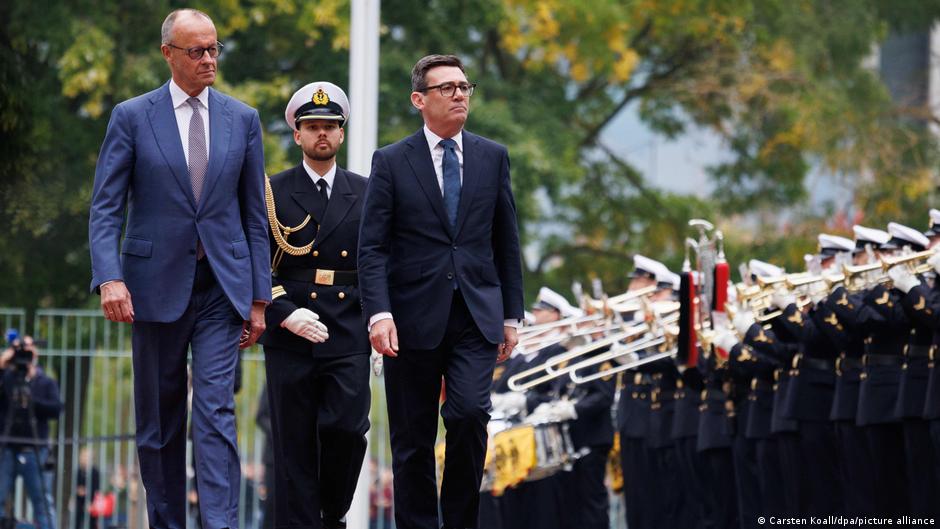
UK Prime Minister Andy Burnham is visiting Berlin to launch a new bilateral treaty and hold talks with Chancellor Friedrich Merz. President Steinmeier is on a state visit to France.
Britain and Germany will launch a joint partnership to counter sabotage and cyberattacks as Prime Minister Andy Burnham and Chancellor Friedrich Merz meet in Berlin on Thursday, shortly after both leaders warned of the hybrid threat from Russia. France 24's Nick Holdsworth has the latest from Berlin.
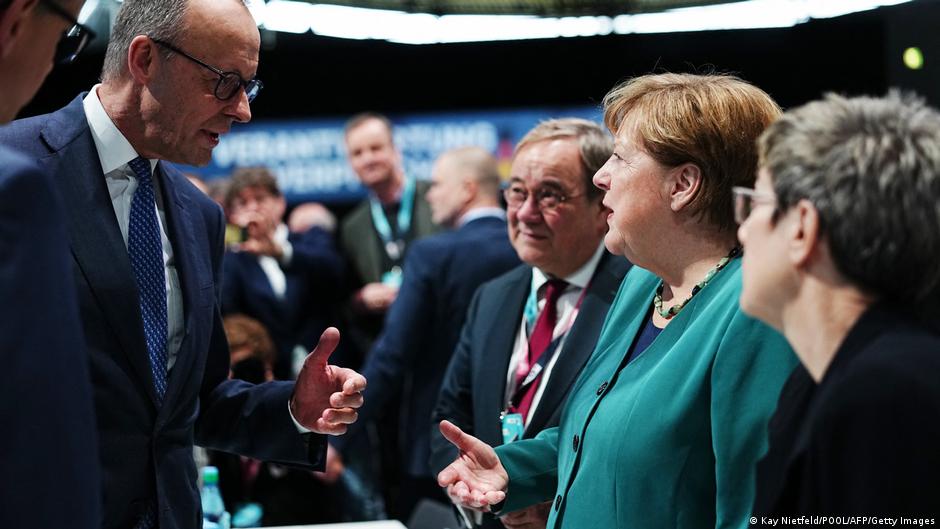
Nearly half of Germans view former Chancellor Angela Merkel as better suited to handle Germany's challenges than current Chancellor Friedrich Merz. Also, today is the last day of Oktoberfest in Munich. DW has the latest.
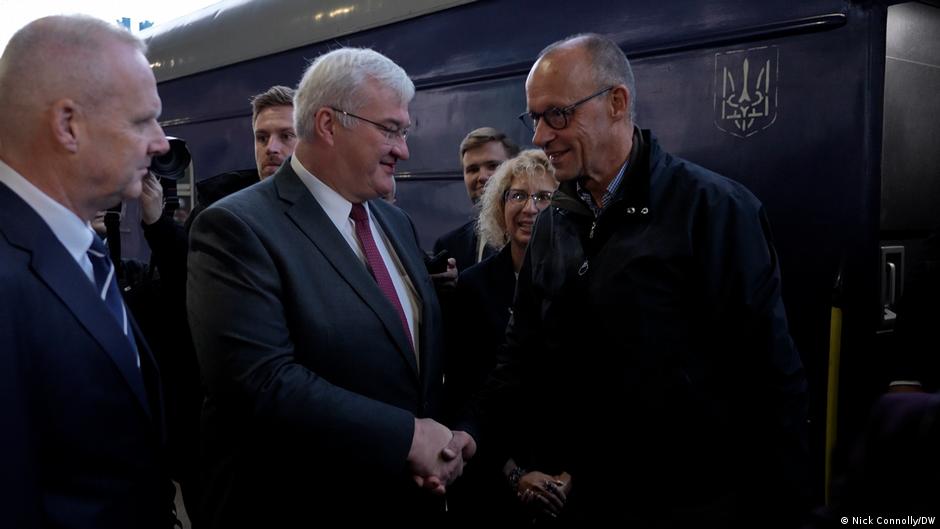
Ukrainian President Volodymyr Zelensky said Sunday that the US wants to broker a new round of talks with Ukraine and Russia on ending the war and hold it by the end of October. Earlier, Kyiv Mayor Vitali Klitschko said the city's Northern Bridge over the Dnipro River was again hit in a Russian attack during a visit by German Chancellor Friedrich Merz. Follow our liveblog for all the latest developments.
Chancellor Friedrich Merz is expected to announce new measures to support Ukraine, including military aid and plans for the joint production of drones. A Kyiv bridge was struck by a Russian drone during Merz's visit.
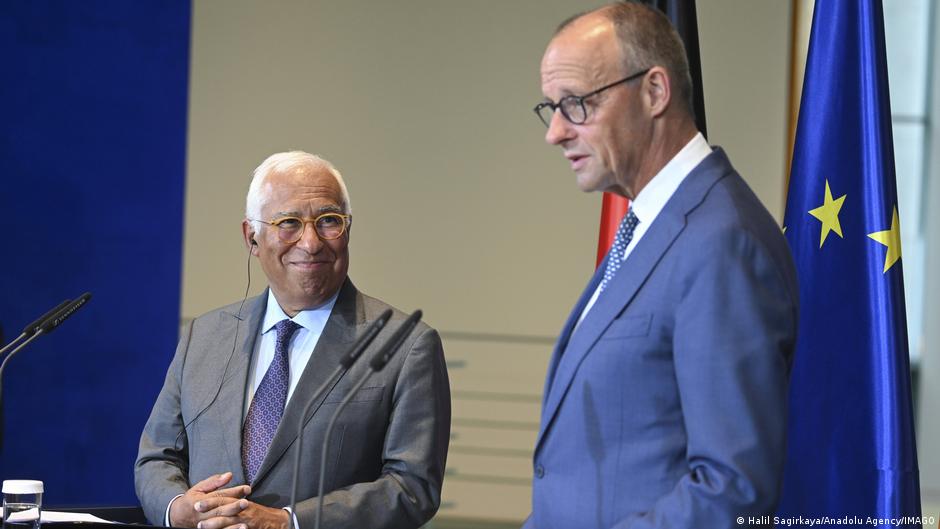
Chancellor Friedrich Merz and his counterparts from five countries have threatened to withhold approval to the EU budget proposal unless it's cut by billions of euros. Follow DW.
Chancellor Friedrich Merz (CDU) has vowed to press ahead with controversial reforms, but resistance is mounting within his coalition partner, the SPD. How much dissent can a governing coalition tolerate?
Germany's far-right AfD and the socialist Left Party gained ground in recent state elections, while the centrist parties lost support. The biggest loser is Chancellor Friedrich Merz.
Germany's far-right AfD and the socialist Left Party gained ground in recent state elections, while the centrist parties lost support. The biggest loser is Chancellor Friedrich Merz.
The far-right AfD and the socialist Left Party have grown their vote in recent state elections, while the centrist parties see their support wane. The biggest loser is Chancellor Friedrich Merz.
The far right AfD claims it has become Germany’s new “people’s party”. The statement comes after AfD claimed its second regional election win in as many weeks, ramping up pressure on the poorly performing CDU and Chancellor Friedrich Merz. The far-left party also advanced, winning its third regional election thanks to its latest victory in Berlin. Perspective spoke to Hans Stark, professor in contemporary German civilization at Sorbonne University, who said that Merz is now in a very fragile situation, but that there is no obvious candidate to take over from him.
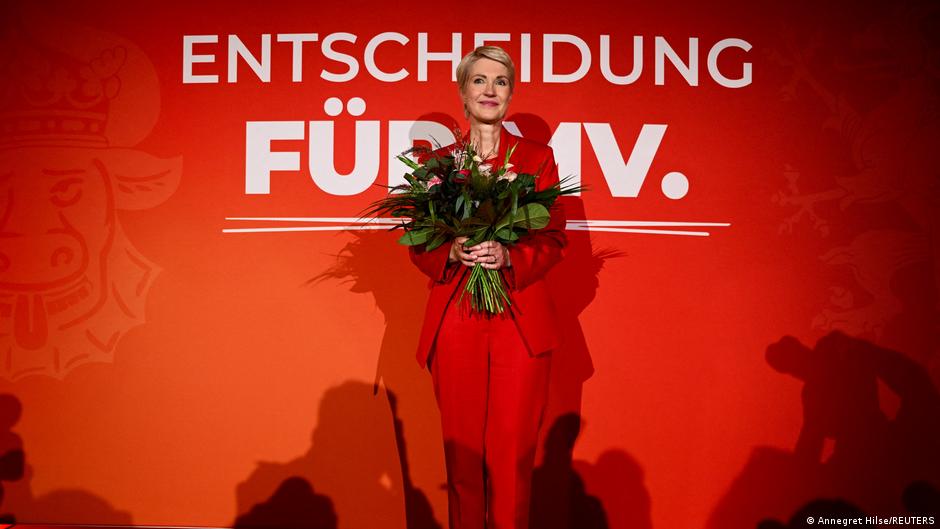
Germany’s regional elections delivered mixed results for the country’s major parties. In Mecklenburg-Western Pomerania, the far-right AfD won the largest share of the vote, but remains isolated as other parties have ruled out coalition talks, leaving incumbent SPD premier Manuela Schwesig with a realistic path to forming a government. In Berlin, meanwhile, the Left Party came out on top and could potentially form a coalition with the Greens and SPD. The CDU, however, performed poorly in both elections, putting additional pressure on Chancellor Friedrich Merz and his conservative bloc. Speaking
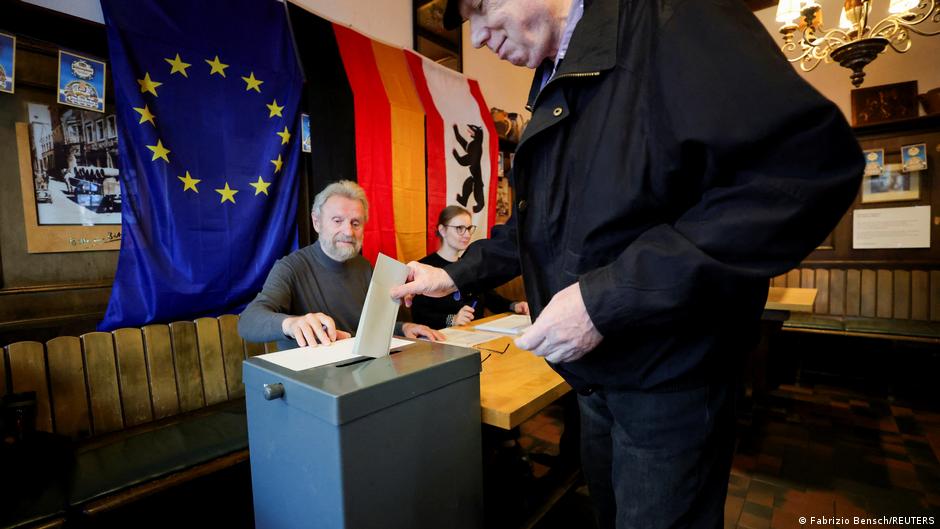
Pressure is mounting on Chancellor Friedrich Merz after his CDU's defeats in two state elections, which saw more gains for the far-right AfD. In the capital Berlin, the socialist Left Party finished first. Follow DW.
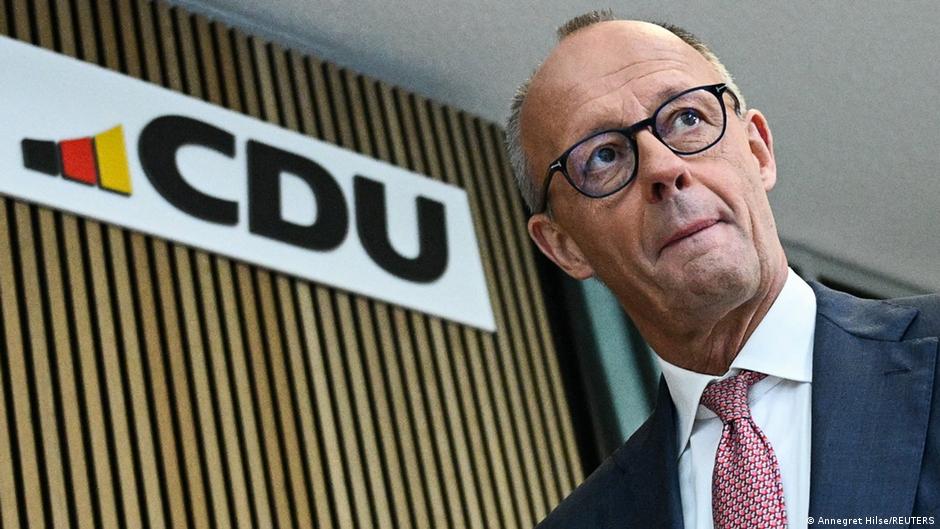
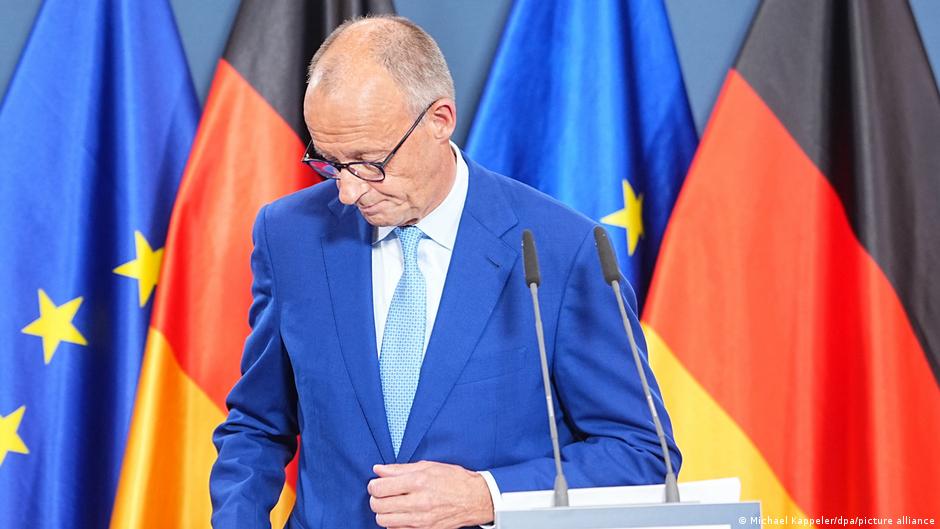
Sunday's elections in two German states resulted in the defeat of the country's ruling CDU, a result described as a “disaster” by Chancellor Friedrich Merz. In Mecklenburg-Western Pomerania, in the northeast of the country, the far-right AfD became the strongest party while the hard-left Die Linke led the polls in Berlin.
Elections in Berlin and Mecklenburg-Western Pomerania have dealt the CDU a historic defeat while the AfD saw a massive gain. The pressure on Germany's unpopular chancellor is mounting.
Elections in Berlin and Mecklenburg-Western Pomerania are expected to bring gains for the far-right AfD party and could determine whether Chancellor Friedrich Merz can hold on to power. Follow DW live.