Advertisement
Advertisement

Topic

cells

Science

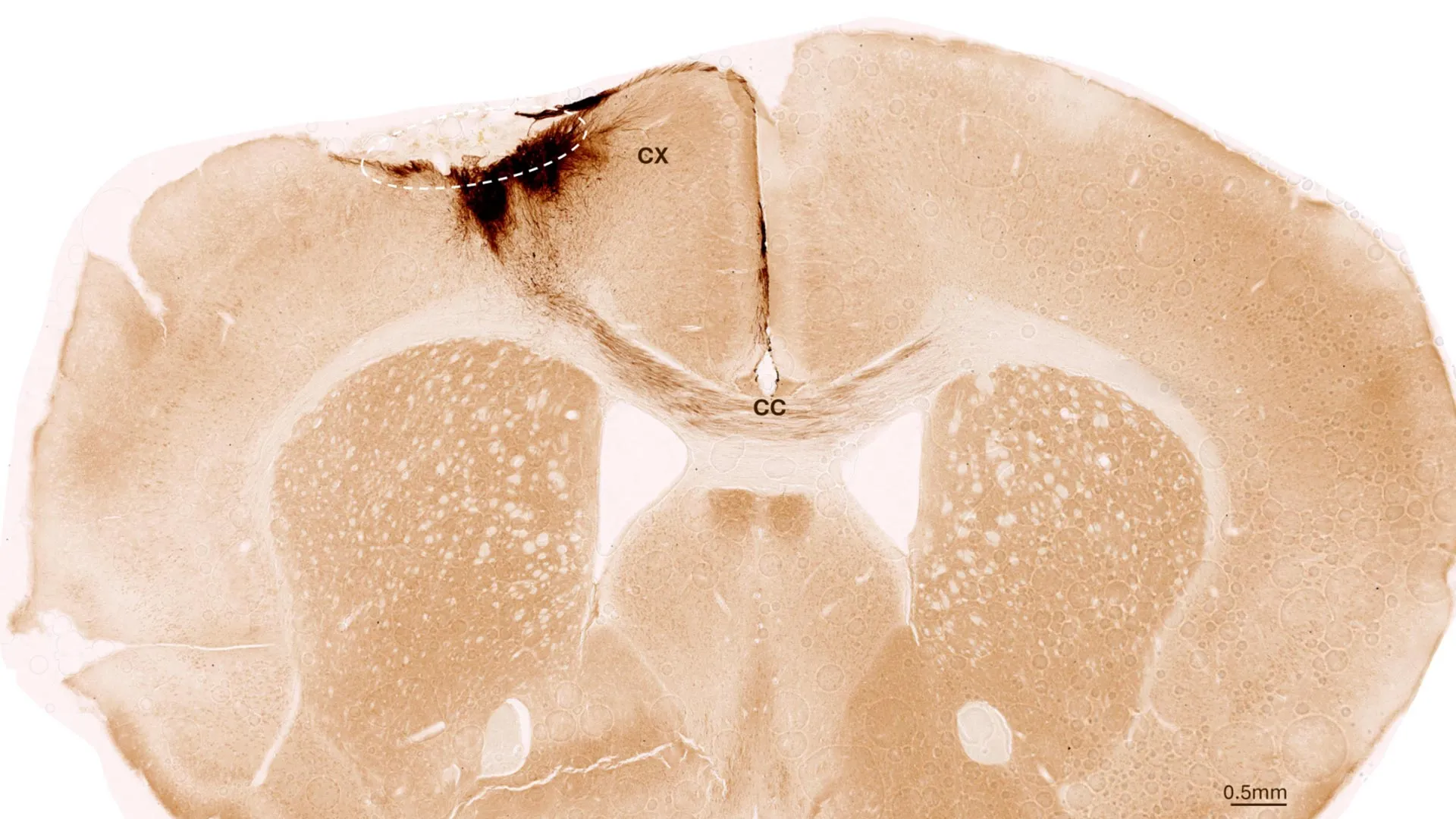
Brain cells meant to protect us may be fueling cognitive decline

Scientists have uncovered a surprising cause of age-related cognitive decline involving brain cells previously thought to be entirely beneficial. As these cells become dysfunctional, they can produce abnormal amounts of myelin, disrupting nerve fibers and potentially contributing to worsening memory and thinking skills.
Health

Stanford’s new microscope reveals living cells like never before

Stanford scientists have developed a revolutionary microscope that reveals the hidden inner workings of living cells in real time, without the fluorescent labels that can interfere with observations. The breakthrough could provide new insights into cancer, infectious diseases, and how drugs interact with cells.

Science

New injection makes fat cells self-destruct

Scientists have developed an experimental injection that destroys fat cells and significantly reduces dangerous belly fat, potentially opening a new path to treating obesity. Early research also suggests it could help prevent the weight regain that often follows stopping popular weight loss drugs like Ozempic and Wegovy.

Science

Scientists reprogram immune cells inside the body to fight cancer

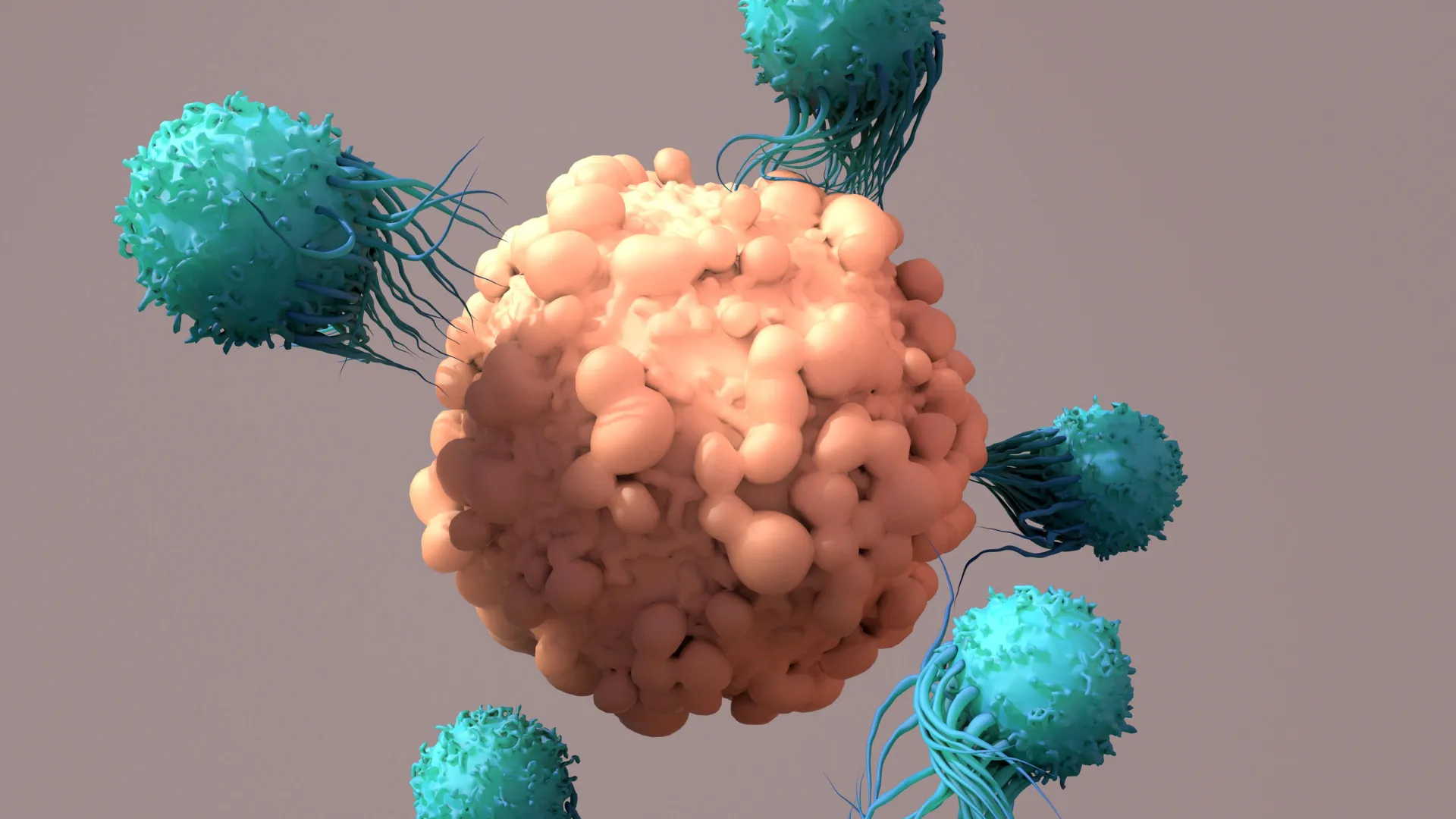
Scientists at UC San Francisco have developed a way to create cancer-fighting CAR-T cells directly inside the body, potentially avoiding the slow and extremely expensive process of removing, engineering, and reinfusing a patient’s immune cells. Using a two-particle delivery system, the researchers sent CRISPR gene-editing tools and new cancer-targeting DNA specifically into T cells, where the DNA was inserted at a precise location in the genome.

Science

Cancer-fighting t cells burn out. Scientists may have found a fix

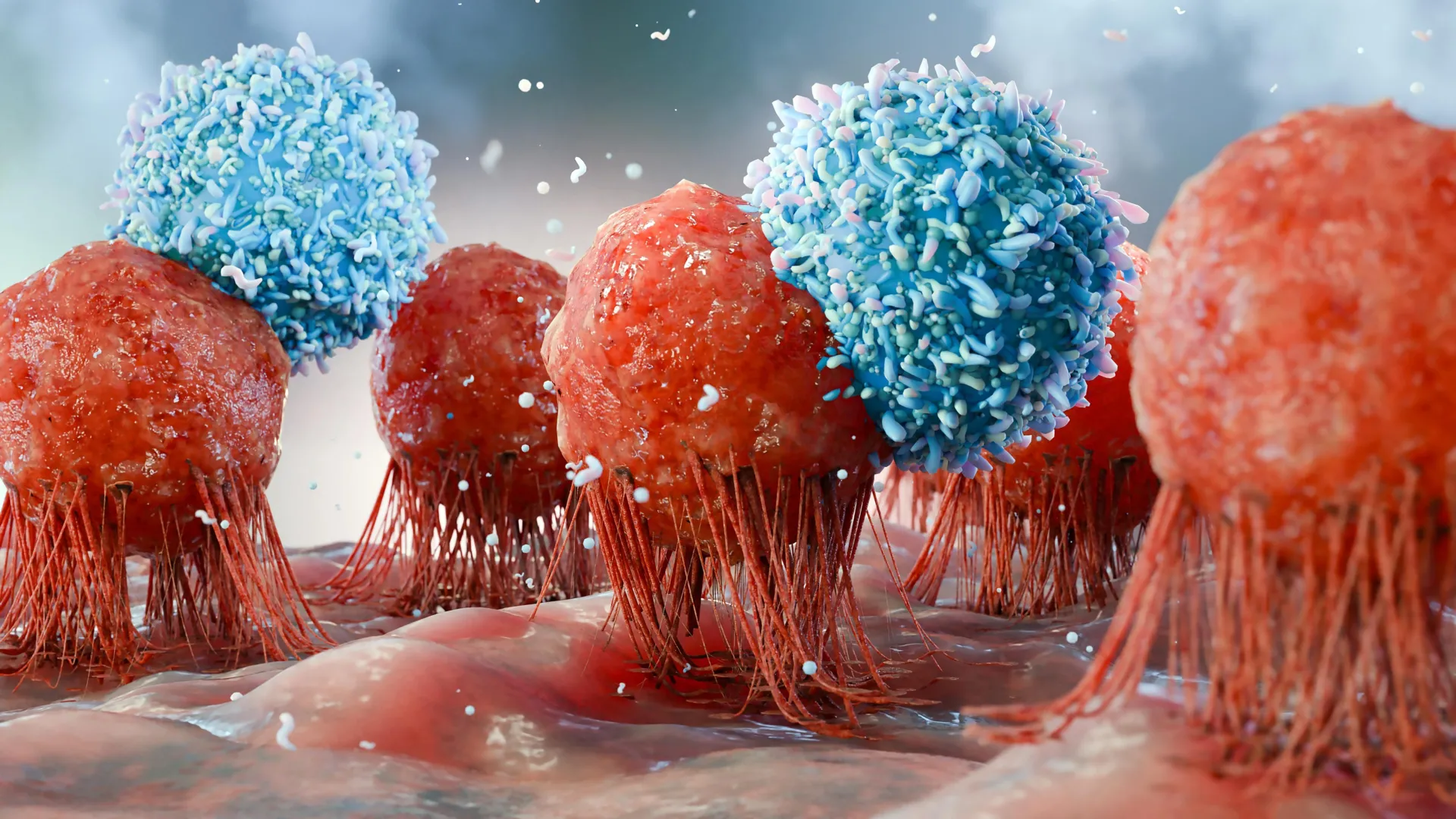
Cancer immunotherapy can lose its punch when tumor-fighting T cells become exhausted, but researchers may have found a way to keep them going longer. Scientists at Memorial Sloan Kettering Cancer Center identified a signaling molecule called MEK that can push T cells to burn through their energy while producing cancer-killing proteins. In animal and laboratory studies, blocking MEK helped the cells conserve energy, survive longer, and remain active even in the harsh environment around tumors.

Science

The “glue” holding your cells together has a surprising second job

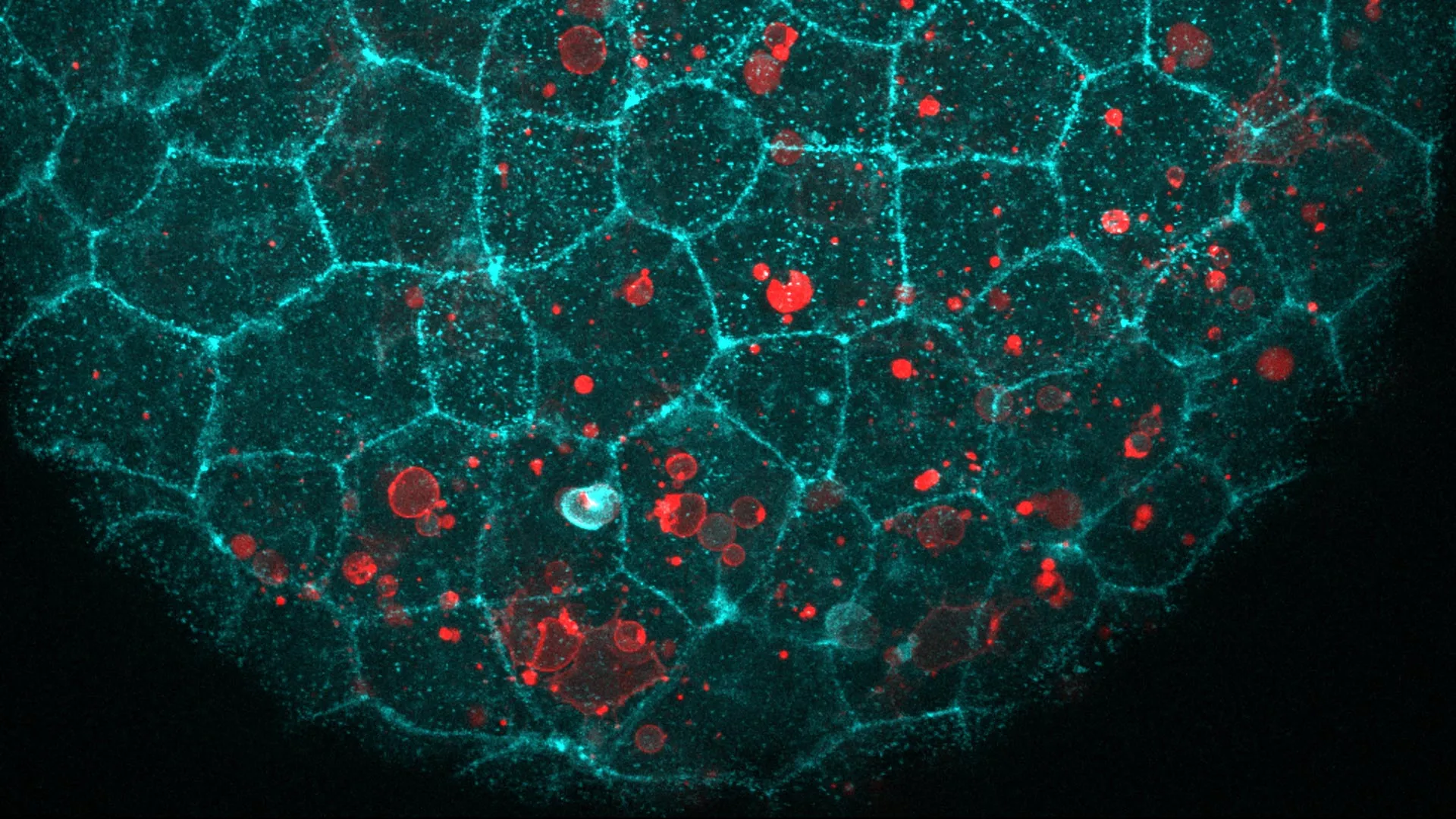
Scientists have discovered that E-cadherin, a protein best known as the “glue” holding cells and tissues together, has a surprising second job: helping epithelial cells swallow nearby dead cells. Using live zebrafish and mouse embryos, researchers found that cells can dramatically reshape their lower surfaces to engulf cellular debris while keeping their upper surfaces stable, allowing protective barriers to remain sealed.

Science

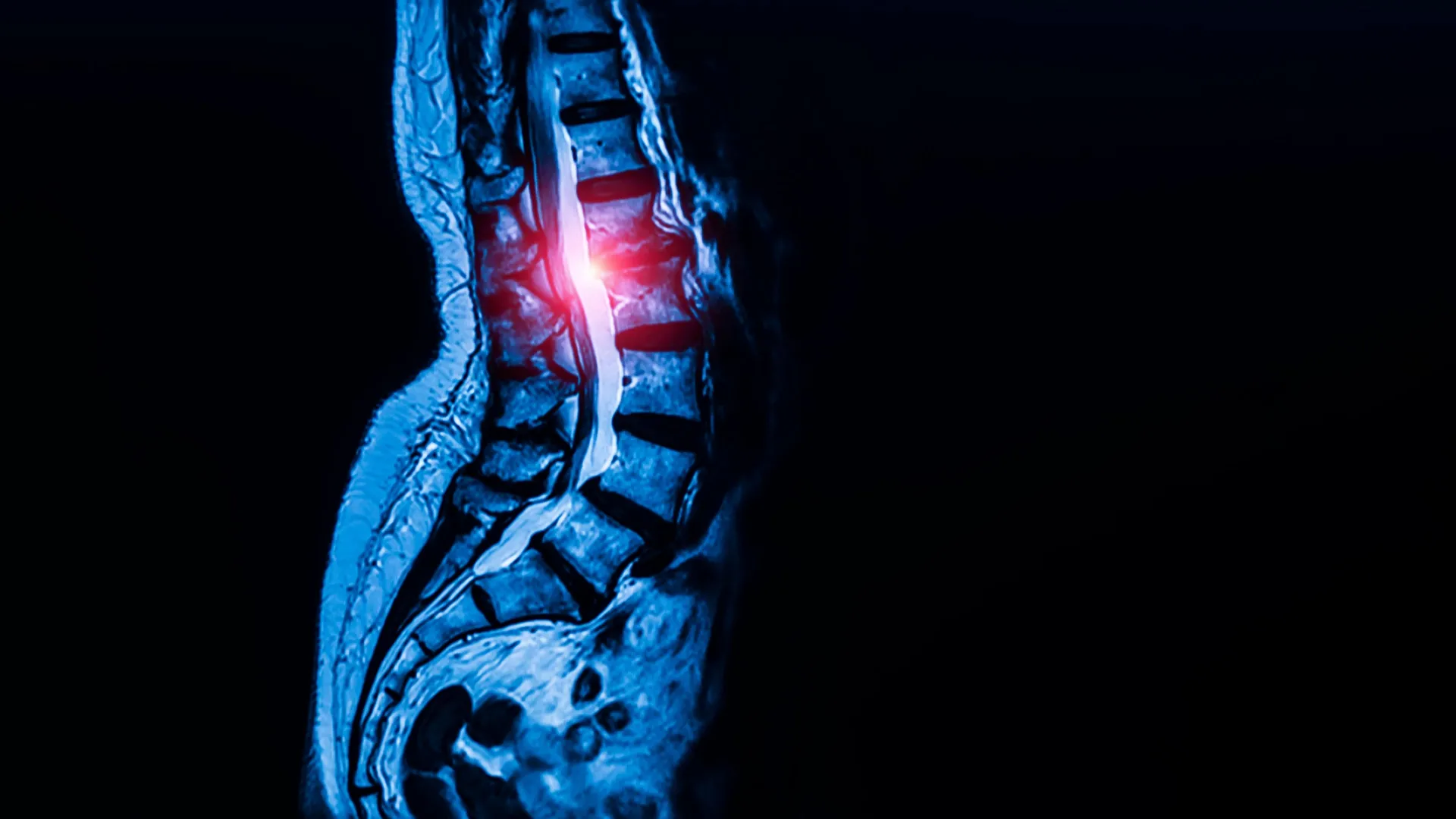
Hidden stem cells may be fueling spinal stenosis

Scientists have discovered a stem cell that appears to serve as a master source for tendon and ligament cells throughout the body. In lumbar spinal stenosis, these cells become unusually active and may drive the ligament overgrowth that squeezes spinal nerves and causes pain, numbness, and difficulty walking. Researchers found that reducing calcium signaling stopped this abnormal growth in mice.

Advertisement
Science

Stem cells reverse stroke damage and restore movement in mice

Stem cell transplants helped regenerate stroke-damaged brain tissue in mice, producing new neurons and restoring lost motor function. The treatment also improved blood vessels, inflammation, and the blood-brain barrier, raising hopes that a similar approach could eventually help repair the human brain after stroke.

Health

Scientists discover cells that cheat death and rebuild damaged tissue

Scientists discovered a population of cells that can start the process of programmed cell death, survive it, and then help rapidly rebuild damaged tissue. Their descendants become far more resistant to future damage, revealing a mechanism that could improve healing but may also help cancers return after treatment.