World
Catalonia's former rebel president can return to Spain, court rules
The court upholds a decision to lift an arrest warrant for Carles Puigdemont linked to the independence bid he led in 2017.
International news in seven languages
Topic
The court upholds a decision to lift an arrest warrant for Carles Puigdemont linked to the independence bid he led in 2017.
On arrival in Catalonia will occupy a property owned by the Generalitat, for lack of space in the current office of the Gothic district
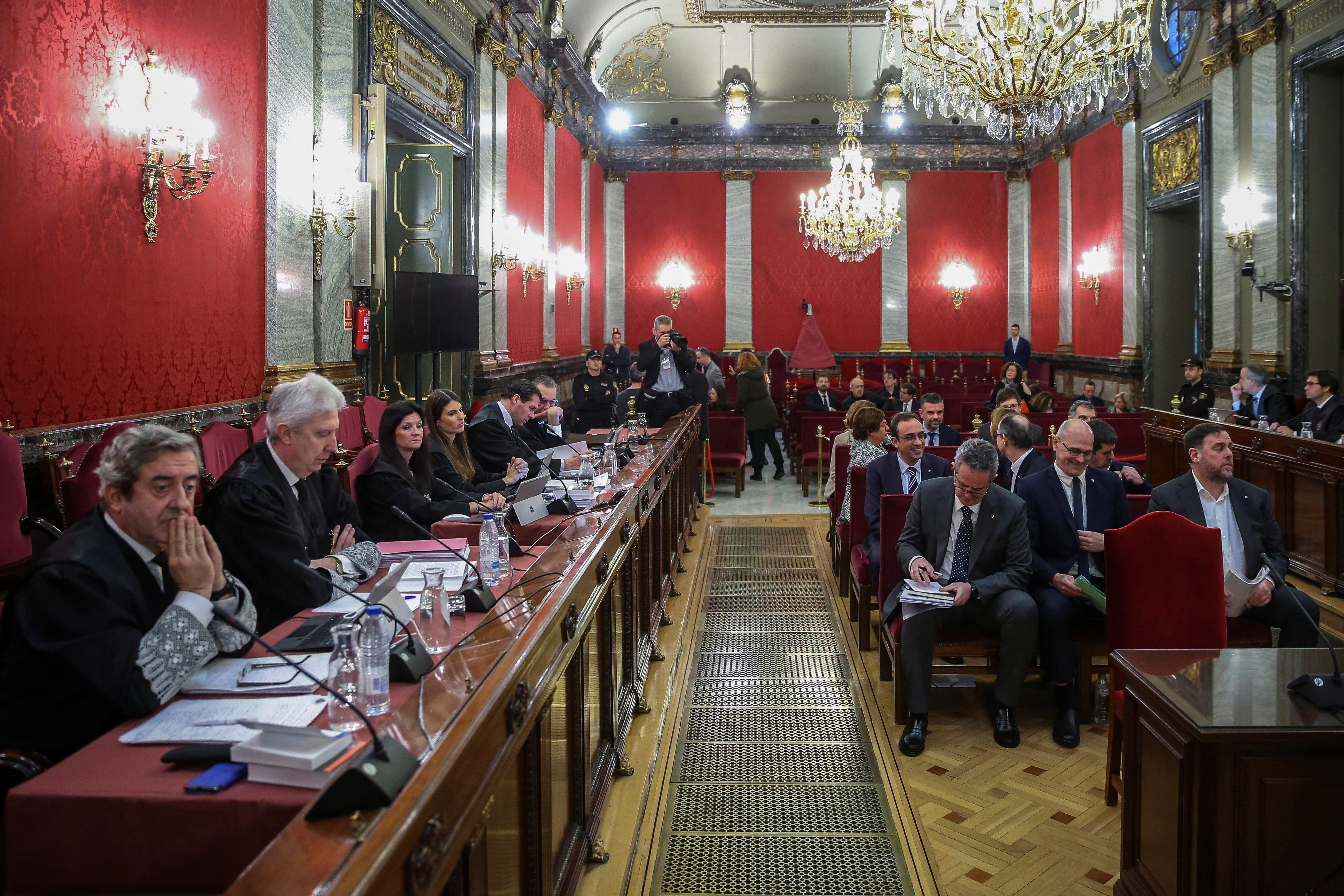
The Criminal Chamber and Judge Llarena take the first step to apply the measure of grace to Puigdemont, Junqueras and the rest of the accused following the Constitutional ruling.
The Constitutional supports the amnesty of the embezzlement of the 'procés' and approaches the return of the former Catalan, although the Supreme must still apply the measure to his case.
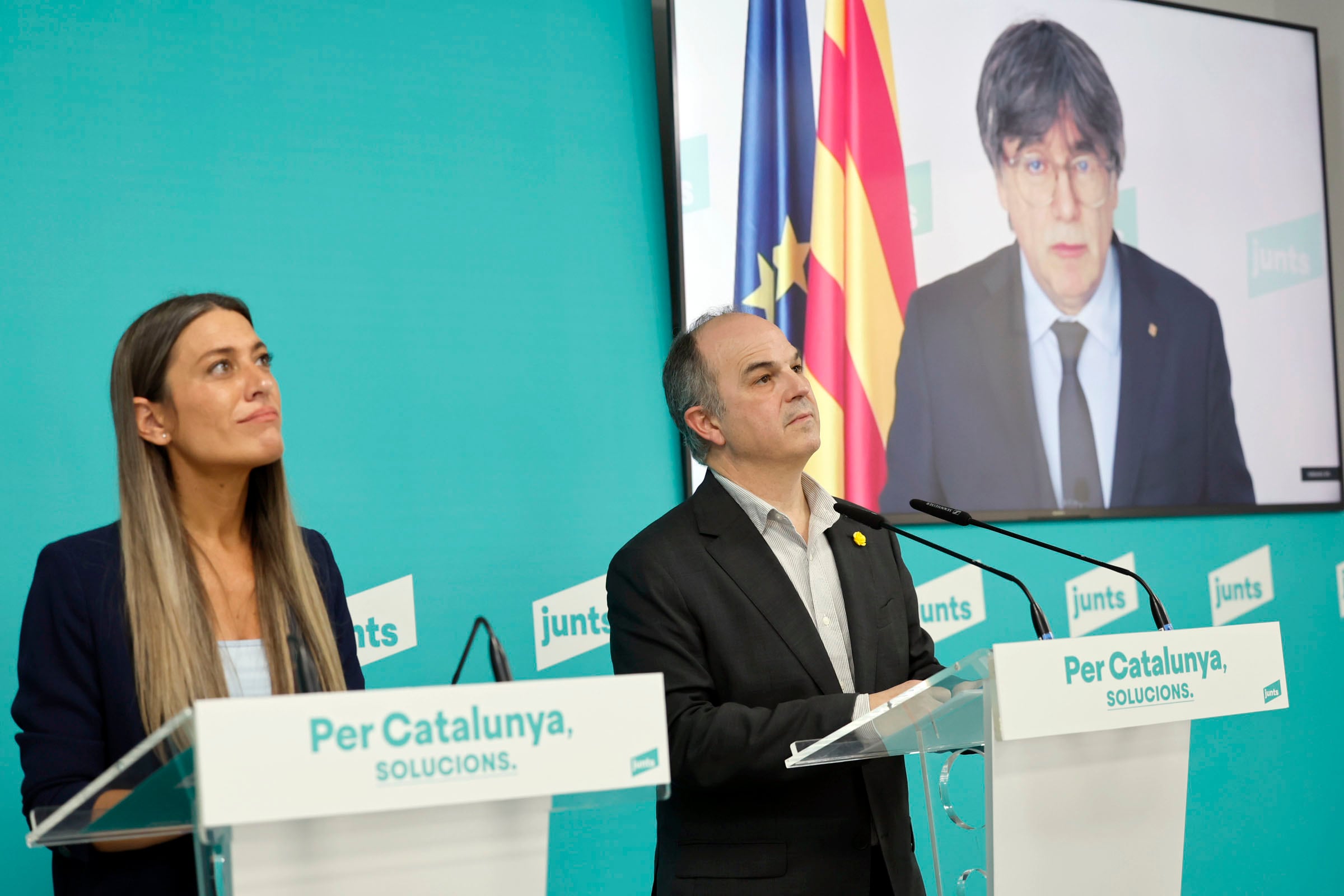
The return of the former, even without a date, is an impulse for Junts at a time when his electoral force is in doubt in front of the push of Aliança Catalana
The former Catalan man qualifies when and how to return to Catalonia to prevent being accused of the opportunism he always denied
Almost nine years after leaving Catalonia following the independence attempt of 2017, the former President of the Generalitat, Carles Puigdemont, is closer than ever to returning to Spain. The Constitutional Court had upheld the application of the amnesty law to the offence of embezzlement and the national arrest warrant on him had been lifted.
The Spanish Constitutional Court endorsed this Tuesday the application of the amnesty law to the offence of embezzlement linked to the Catalan independence process. Hours later, the Supreme Court lifted the national arrest warrant against Carles Puigdemont, who has been living in Belgium since 2017 and can now return to Spain without risk of being arrested for that cause.
Catalan separatist leader Carles Puigdemont fled Spain in 2017 after launching an independence bid. The court's decision means he can return home without fear of arrest after almost a decade in exile.
Five judges consider that the tone of the sentence that protects former councillor Dolores Bassa violates "due institutional respect" to the Supreme
The judge of the 'procés' raises the national order for the arrest of the former after nine years of investigation
Llarena dismisses the arrest warrant that weighed on the former President, Puig and Comin, but will not decide on the measure of grace until it analyses the Constitutional's sentence
The judiciary can influence political developments on account of the return of the 'expressive'
Housing, immigration and public services have moved to the 'procés' of the centre of the Catalan political debate during the nine years of the 'express' absence
The independence party designs the new road map based on the return of its leader and ignores the criticism for breaking the housing decrees
When the guarantee body corrects a court decision, it is not undermining the authority of the courts, but rather monitoring fundamental rights.
Conde-Pumpid stresses that the Supreme made "an extensive interpretation, contrary to the spirit and purpose" of law and "internally contradictory" and proposes to protect the 'exconsellera' Dolores Bassa, which would pave the way for the return of Puigdemont
The announced judicial release of the amnesty has the capacity to cause a chain effect that activates the return of the former Catalan
Constitutional Judge José María Macias fulfills his commitment so that in the next plenary session the first two independent leaders still awaiting the amnesty can be protected