World
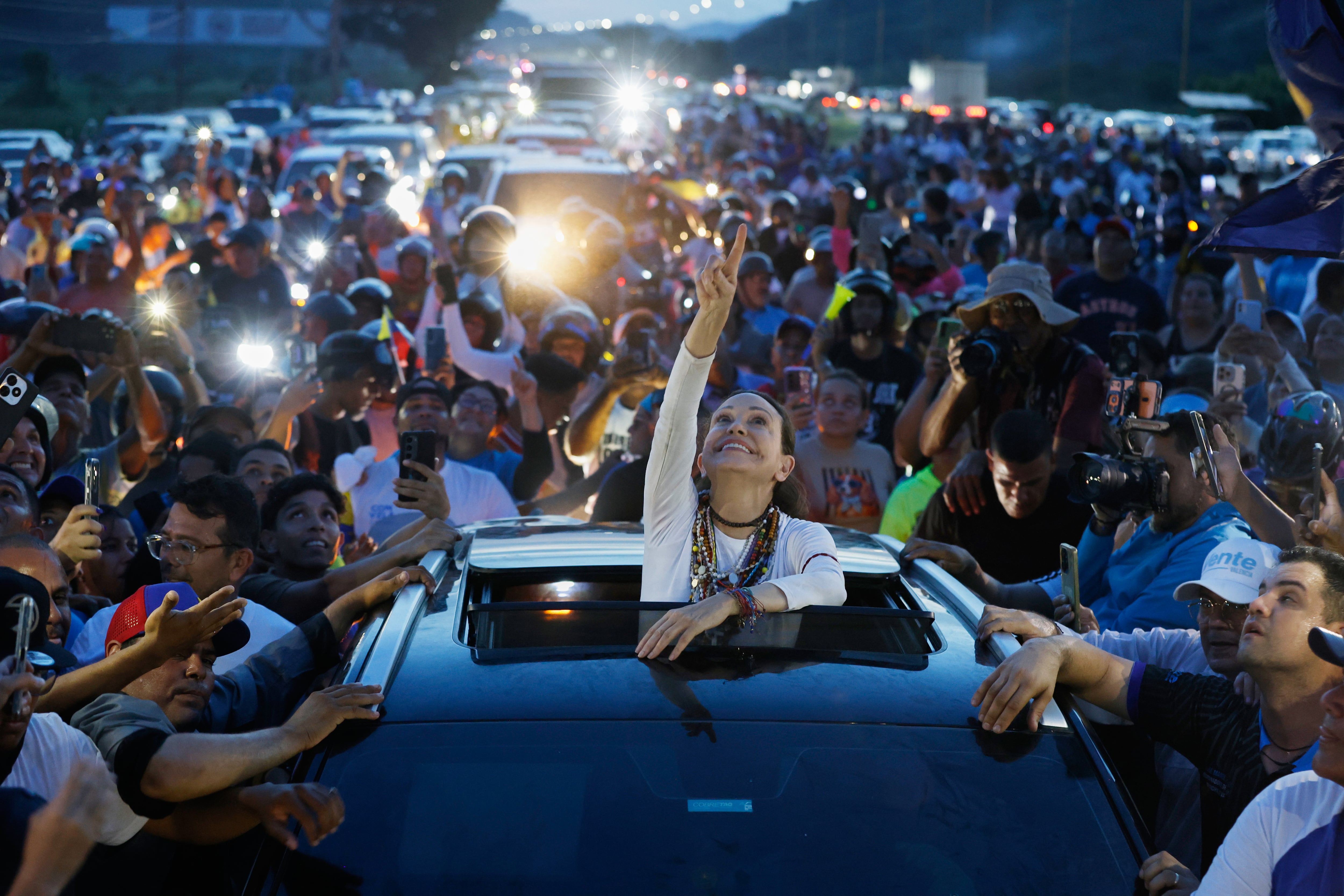
The return of Maria Corina Machado to Venezuela: a "dangerous and risky" operation full of hermetism
The environment of the opposition leader avoids the details "so as not to endanger the safety of other people"
International news in seven languages
Topic
The environment of the opposition leader avoids the details "so as not to endanger the safety of other people"
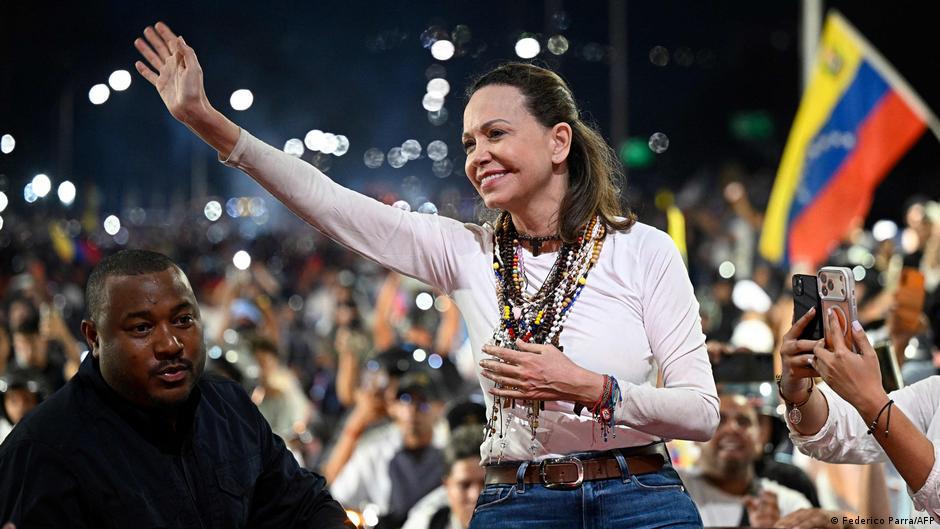
Nobel Peace Prize winner and popular Venezuelan political opposition figure Maria Corina Machado has returned after nearly a year away. Sitting President Rodriguez accused her of making a "show."
Thousands lined the streets of Caracas to welcome opposition leader Maria Corina Machado back to Venezuela after exile.
Nobel Peach Prize winner and popular Venezuelan political opposition figure Maria Corina Machado has returned from nearly a year in exile. She was greeted by thousands of cheering supporters in Caracas.
Venezuela's former president and his wife were accused by the U.S. Department of Justice of having participated in the torture of Americans detained in Caracas.
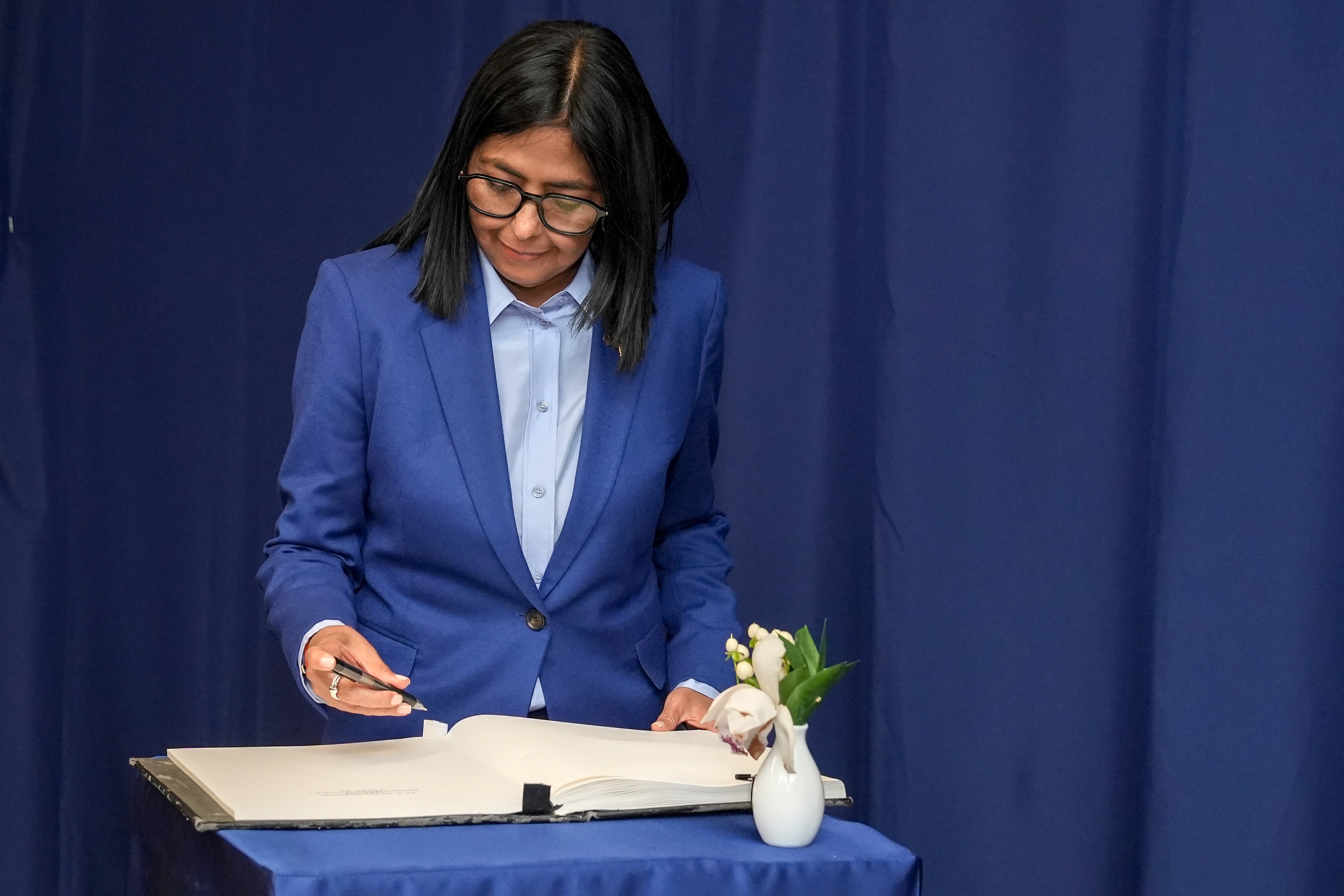
Venezuela's president, Delcy Rodríguez, asked Parliament for a partial reform of the controversial Anti-Hate Act, adopted in 2017 during the government of Nicolás Maduro. Meanwhile, non-governmental organizations called for the law to be repealed in its entirety, as they agreed that it was an instrument for political persecution. From Caracas, our correspondent Daniella Zambrano tells us more.
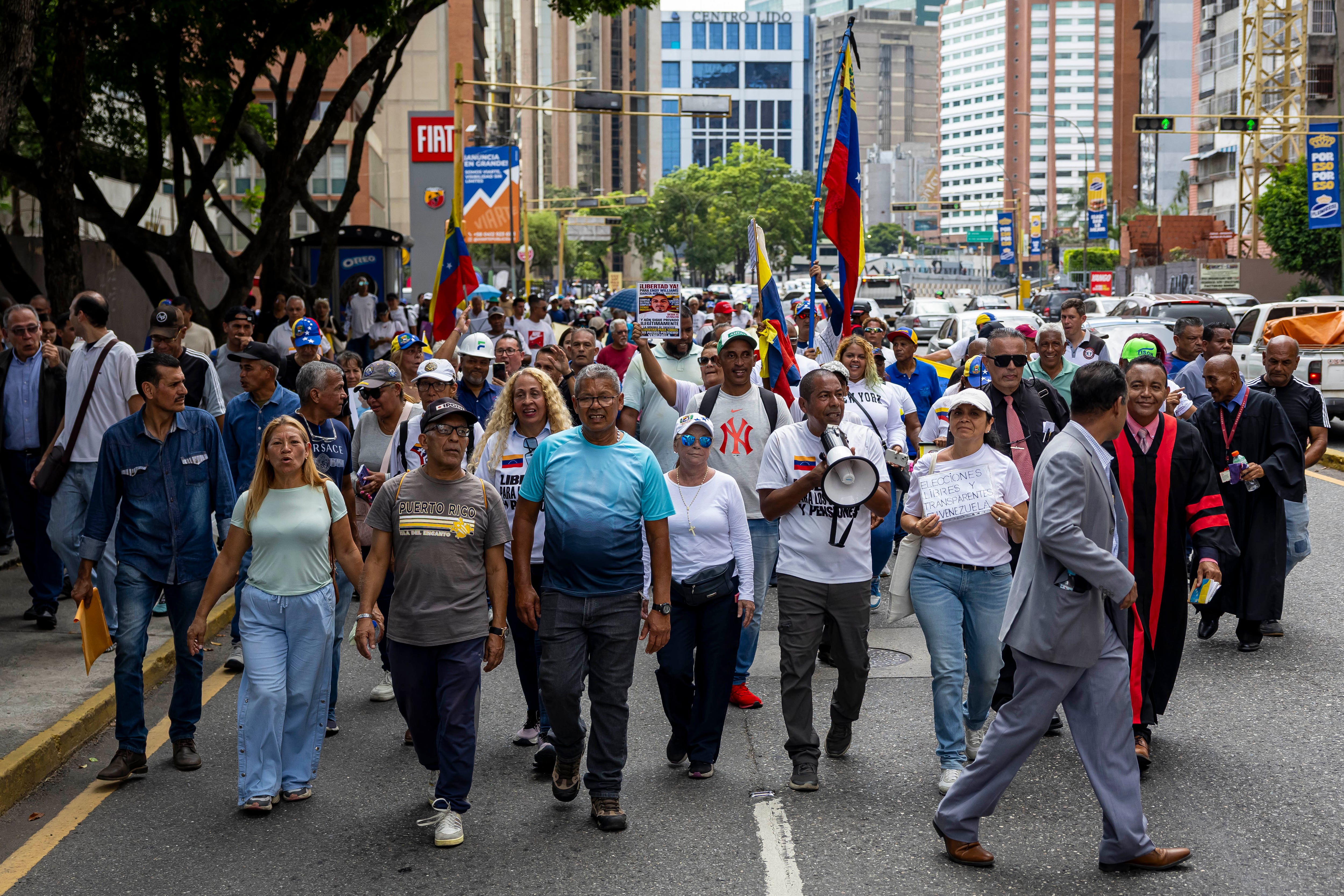
The street slowly raises its voice against Chavismo in the midst of the transition protected by the United States
Claudia Macero, spokesman for the party of the Venezuelan opposition leader María Corina Machado, returned to Caracas after spending two years outside the country. In the midst of his return and the movements of the opposition, Macero was questioned about the eventual return to Venezuela of María Corina Machado, winner of the Nobel Peace Prize 2025.
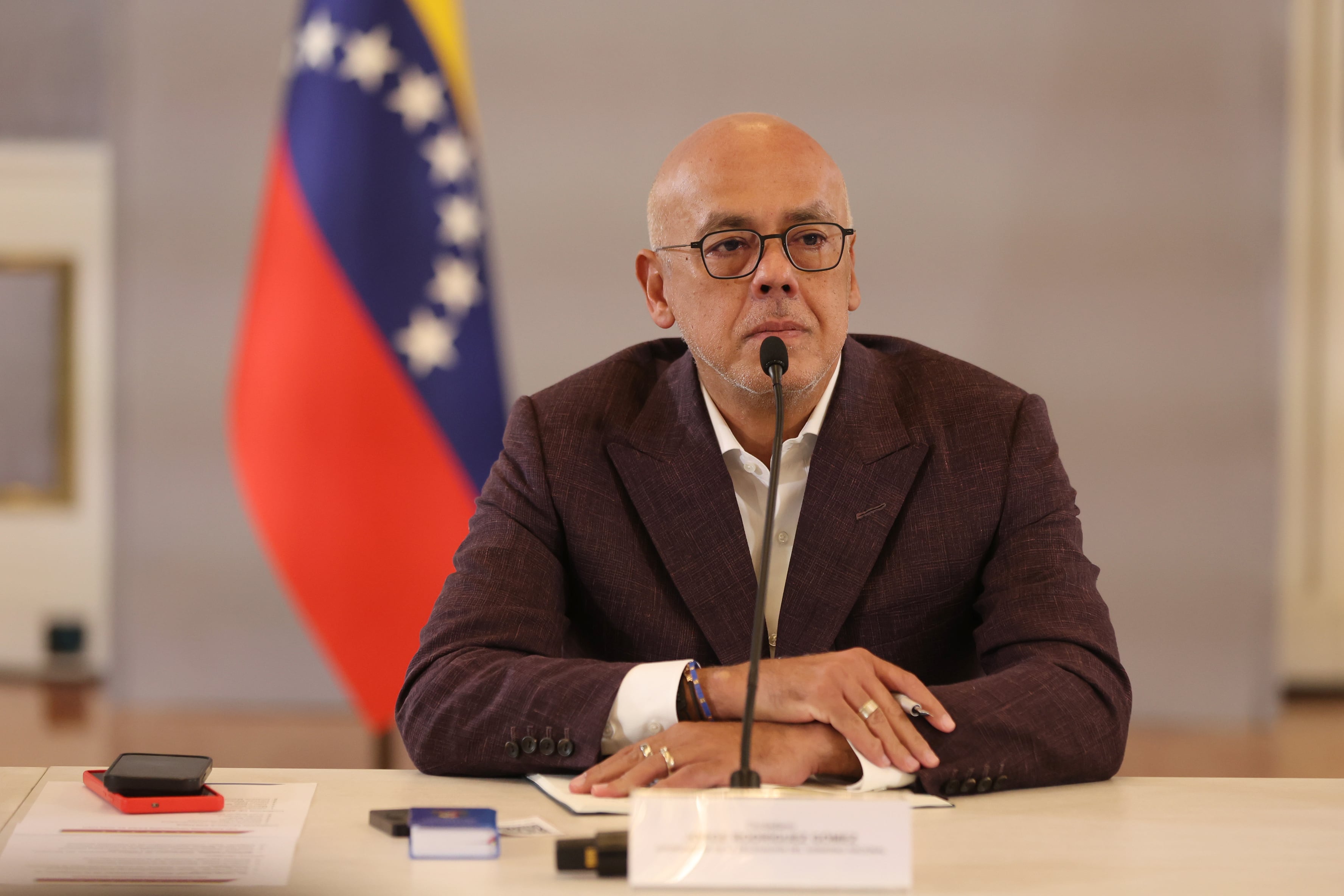
The President of the Assembly, Jorge Rodríguez, evasives that the Government does not oppose the return to the country of María Corina Machado
In her address to the United Nations General Assembly, Venezuela's President, Delcy Rodríguez, announced that there will be elections, thanked the US President, Donald Trump, for his role in resuming bilateral relations and welcomed the energy agreement between Caracas and Washington. Our correspondent, Daniella Zambrano, told us about the reactions on the ground.
For the first time since 2018, a Venezuelan president has spoken before the UN General Assembly. In her speech, the President-in-Charge, Delcy Rodríguez, thanked Donald Trump for having reestablished diplomatic relations with her country and promised free and democratic elections, although she did not announce dates. His presence in New York has not been the pleasure of all in Caracas, where mobilizations were made for and against his presence in the Presidency.
The leader of Venezuela attended the UN speech in which the Republican called Maduro "criminal dictator" and spoke of his country's oil as a "loot" to take over
The meeting that the US president. The U.S., Donald Trump, and Venezuela's president, Delcy Rodríguez, will continue on Tuesday, September 22, in New York, to condemn one of the most abrupt tours of US policy towards Caracas: only months after the capture of Nicolás Maduro in a U.S. military operation, Washington has moved from confrontation with the Latin American country to a cooperation relationship that has in oil one of its main axes, while the Rodríguez administration seeks international recognition.
Venezuela and an opposition sector represented in the 2015 National Assembly are close to reaching an agreement to transfer the more than 30 tons of Venezuelan gold from the Bank of England to the Federal Reserve of New York, as the newspaper 'Financial Times' revealed. According to the agreement, the President-in-Charge, Delcy Rodríguez, would regain legal control of gold, although she could not sell it immediately; however, the Executive could use it as a guarantee to obtain loans for reconstruction after the seismic double of June 24. Report from our correspondent
The National Telecommunications Commission (CONATEL) of Venezuela lifted its restrictions on digital media, which were previously only available through a VPN. Although about 12 media outlets can already be seen, it is estimated that there are almost 200 media outlets that were censored, so dozens of them would be free from blockades. Inform our correspondent Daniella Zambrano.