Business
Charities and businesses wrestle with diesel cost
Cancer charity Daft as a Brush and Teesside Minibus Hire say they are struggling with pump prices.
International news in seven languages
Topic
Cancer charity Daft as a Brush and Teesside Minibus Hire say they are struggling with pump prices.
A short course of immunotherapy before surgery may offer remarkably durable protection for some patients with stage two or three bowel cancer. In the NEOPRISM-CRC trial, 32 patients with a specific genetic form of bowel cancer received pembrolizumab for up to nine weeks before surgery instead of the usual post-surgery chemotherapy. After nearly three years of follow-up, none of the patients had experienced a cancer recurrence, including those who still had small traces of disease after treatment.
A Gloucestershire man with terminal cancer shares the life lessons he wishes he'd learned sooner.
Five natural compounds, including curcumin and berberine, were tested for their effects on cancer cells and healthy muscle cells. All disrupted cancer cell energy production and pushed many of the cells into a non-dividing state, with curcumin producing the strongest overall effect. Curcumin also showed a relatively favorable safety profile, while some other compounds caused more toxicity.
Across Latin America, early-onset cancer rates have risen, especially of bowel, breast and cervical cancers. But it is a worldwide trend.
A Stanford-designed molecule turns a major lymphoma-promoting protein against cancer cells, activating their own self-destruct machinery instead of simply blocking tumor growth. In mice, the treatment completely eliminated aggressive human lymphoma tumors within 11 days, although much more testing is needed before it could reach patients.
A father discovered that he had cancer after he had been accidentally kicked in the testicles. As a result of this experience, he became aware of the need for men to talk about their problems.
New major research has found that cases of several different types of cancer have risen sharply among young people in England, the United States, and the Netherlands. Researchers are not exactly sure why there has been such an increase, but say it could be linked to a growing rate of obesity, poor diets and a lack of exercise.
Major new research has found that cases of several different kinds of cancer have risen sharply among young people in England, the US and the Netherlands. The number of people under the age of 50 diagnosed with prostate cancer in England has quadrupled since 2001. Researchers aren't exactly sure why there's been such an increase, but say the broad reason could be linked to a growing rate of obesity, poor diets and a lack of exercise. FRANCE 24's Sharon Gaffney speaks with Jon Shelton, Head of cancer intelligence at Cancer Research UK.
Jeremy received four parking notices at Queen Alexandra Hospital after his free exemption expired.
A ketogenic diet increased small-intestinal tumors in cancer-prone mice while reducing tumors in the colon, revealing a strikingly different response within neighboring parts of the gut. Researchers traced the increased risk not to ketones, but to the way intestinal stem cells processed the diet’s high levels of fat. That fat-burning activity pushed the cells to multiply more rapidly, potentially raising the chance of cancerous changes.
Colorectal cancer in young people is often diagnosed at an advanced stage, with researchers finding most patients age 21 or younger already had Stage III or IV disease. Because symptoms like rectal bleeding, weight loss, abdominal pain, and bowel changes may be overlooked, researchers are calling for greater vigilance.
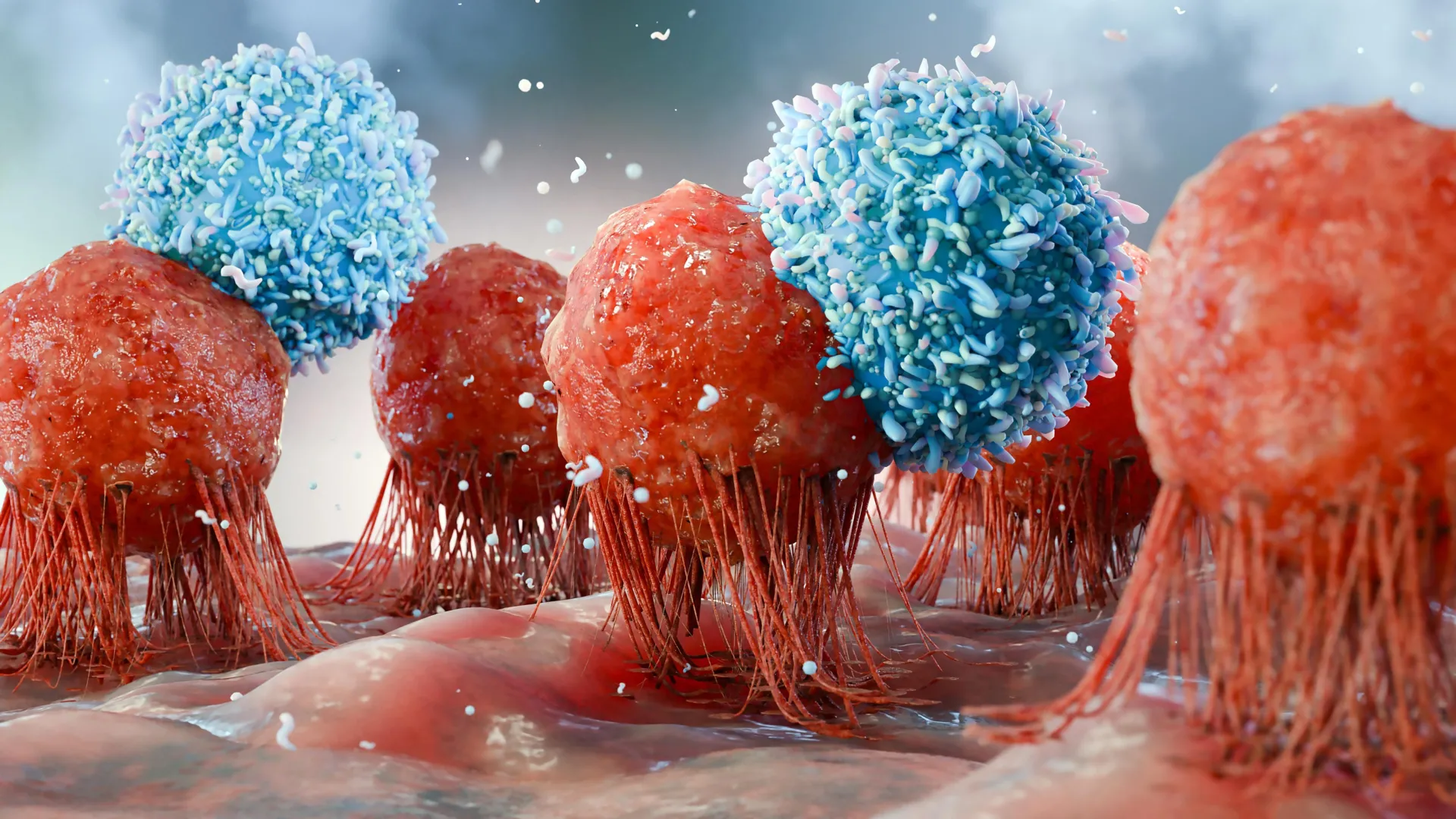
Cancer immunotherapy can lose its punch when tumor-fighting T cells become exhausted, but researchers may have found a way to keep them going longer. Scientists at Memorial Sloan Kettering Cancer Center identified a signaling molecule called MEK that can push T cells to burn through their energy while producing cancer-killing proteins. In animal and laboratory studies, blocking MEK helped the cells conserve energy, survive longer, and remain active even in the harsh environment around tumors.
Ben Lidgey was accidentally kicked in the testicles by his son, which may have saved his life
High-risk MDS stem cells appear to have an unexpected “energy addiction,” relying far more heavily than healthy blood-forming cells on a molecule called NAD. Disrupting this energy pathway selectively weakened the cancer-driving cells, revealing a potential new target for treatment.
Started on October 1st of the new Pink October campaign. The objective remains the same: to raise awareness of breast cancer and to recall the importance of screening. In 2026, the same is true: the disease is getting better and better, but it continues to progress. Especially among young women.
Australia recall Nic Maddinson for the first Test against South Africa after the New South Wales batter recovered from testicular cancer.
Delphine Loirat, a medical oncologist at the Curie Institute, is our guest.
A new study from the International Agency for Research on Cancer (IARC) shows that an estimated 2.3 million new cancer cases worldwide in 2024 – about 12% of all new cancer cases – were caused by infections and could be prevented with treatment or vaccines. FRANCE 24's Jennie Shin speaks with the lead author of the study, Dr Gary Clifford, Scientist at the IARC.
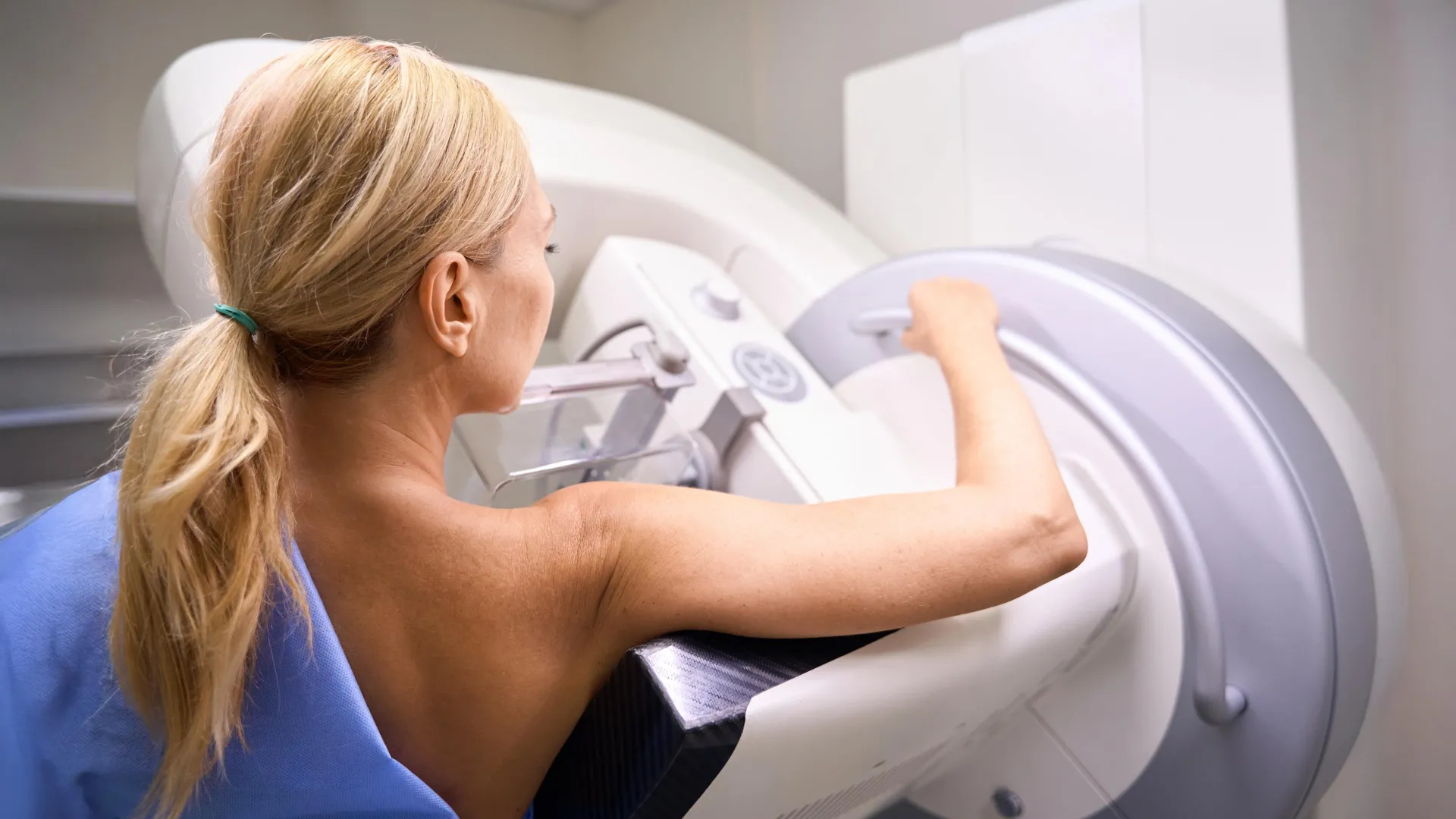
A new analysis suggests mammograms may lead to far less breast cancer overdiagnosis than some earlier studies indicated. Researchers reexamined all eight major randomized screening trials and accounted for differences in follow-up time, screening frequency, and screening after trials ended. Their results were consistent with an overdiagnosis rate below 5%, rather than estimates approaching 30% to 50%.