World
Results of the elections in Brazil, live - 124; Flávio Bolsonaro: "The end of the PT era is decreed, Brazil wants change"
The ultra-decoy wins by two points (47%) in the first round to Lula (45%) with more than 99% surveyed
International news in seven languages
Topic
The ultra-decoy wins by two points (47%) in the first round to Lula (45%) with more than 99% surveyed
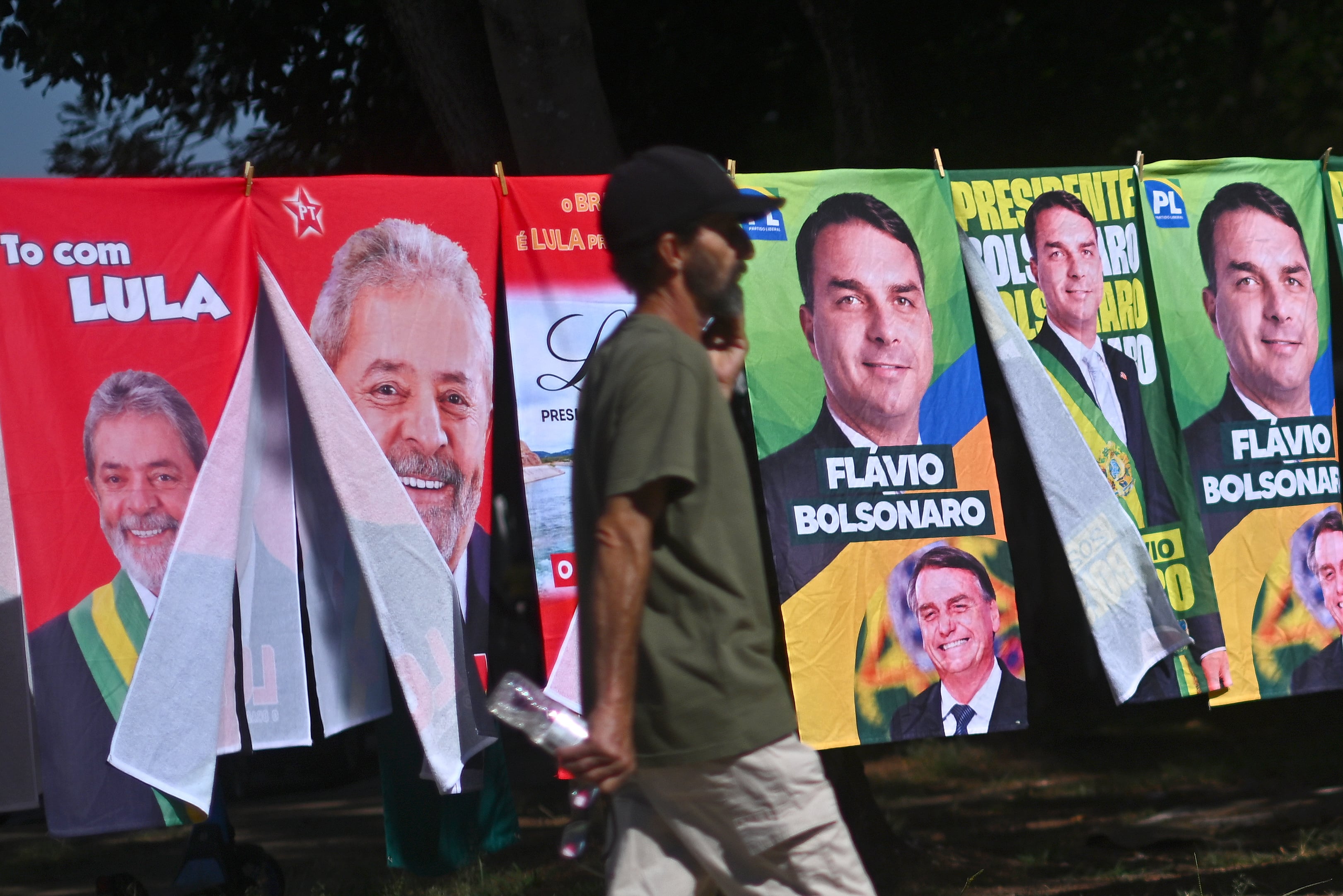
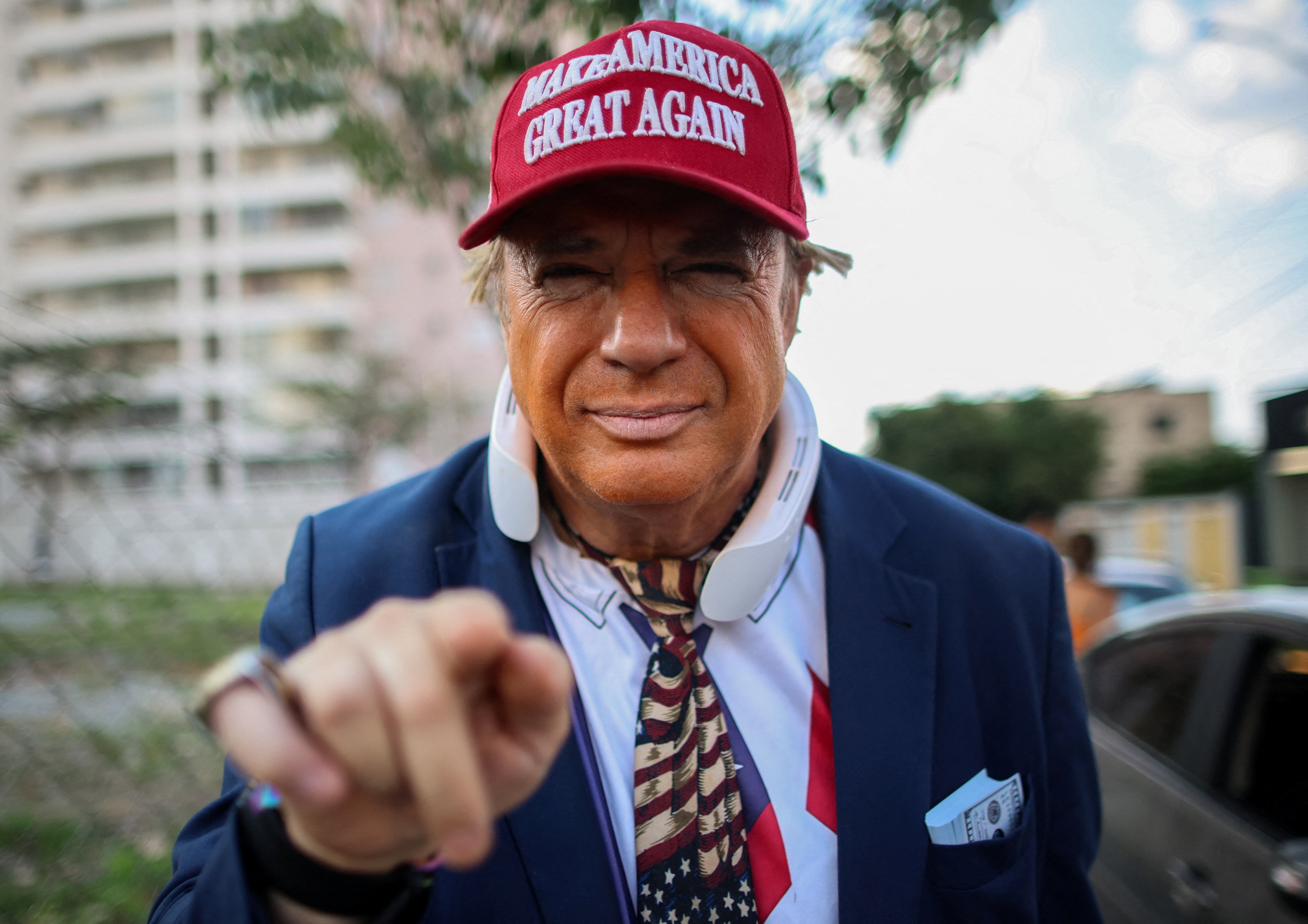
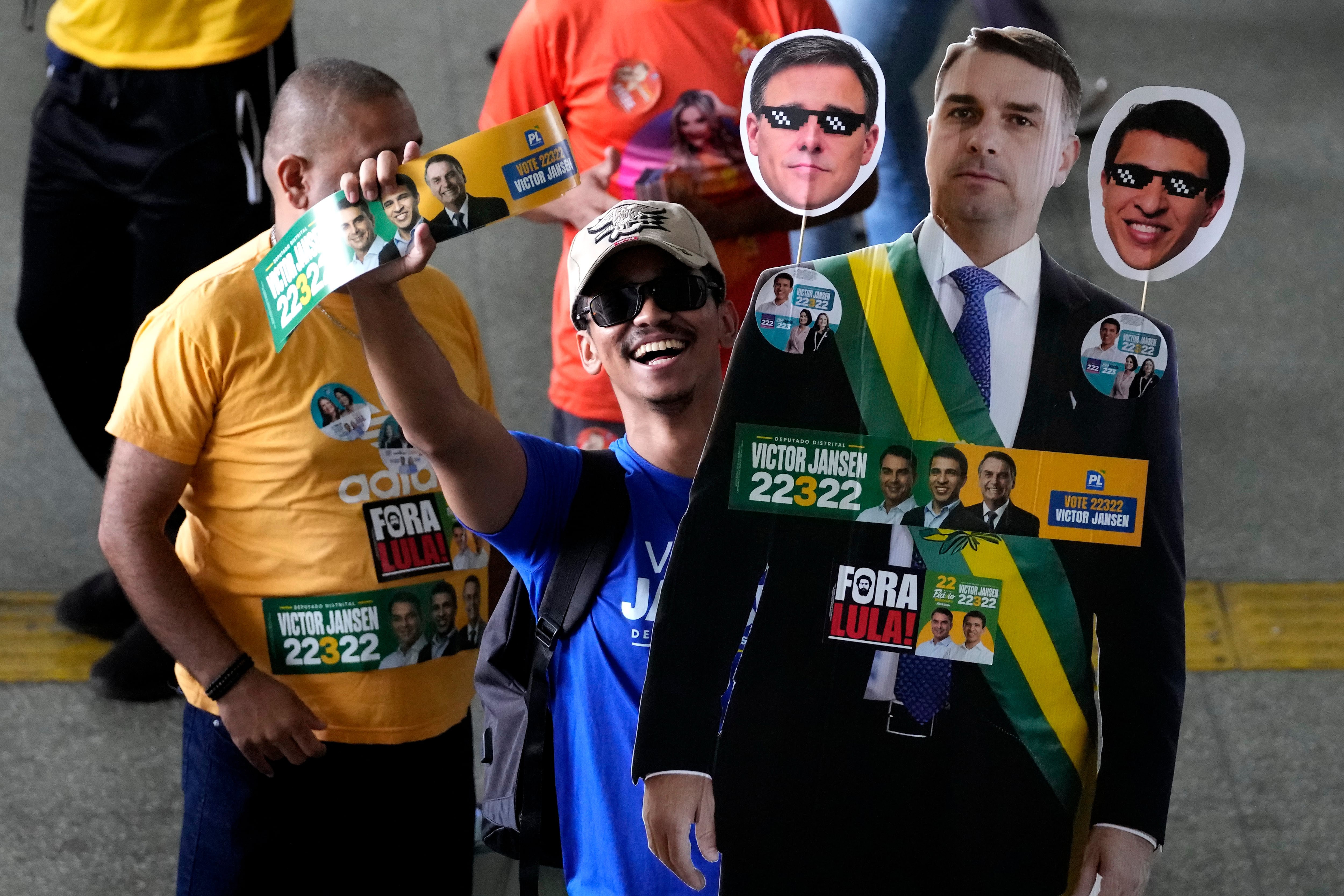
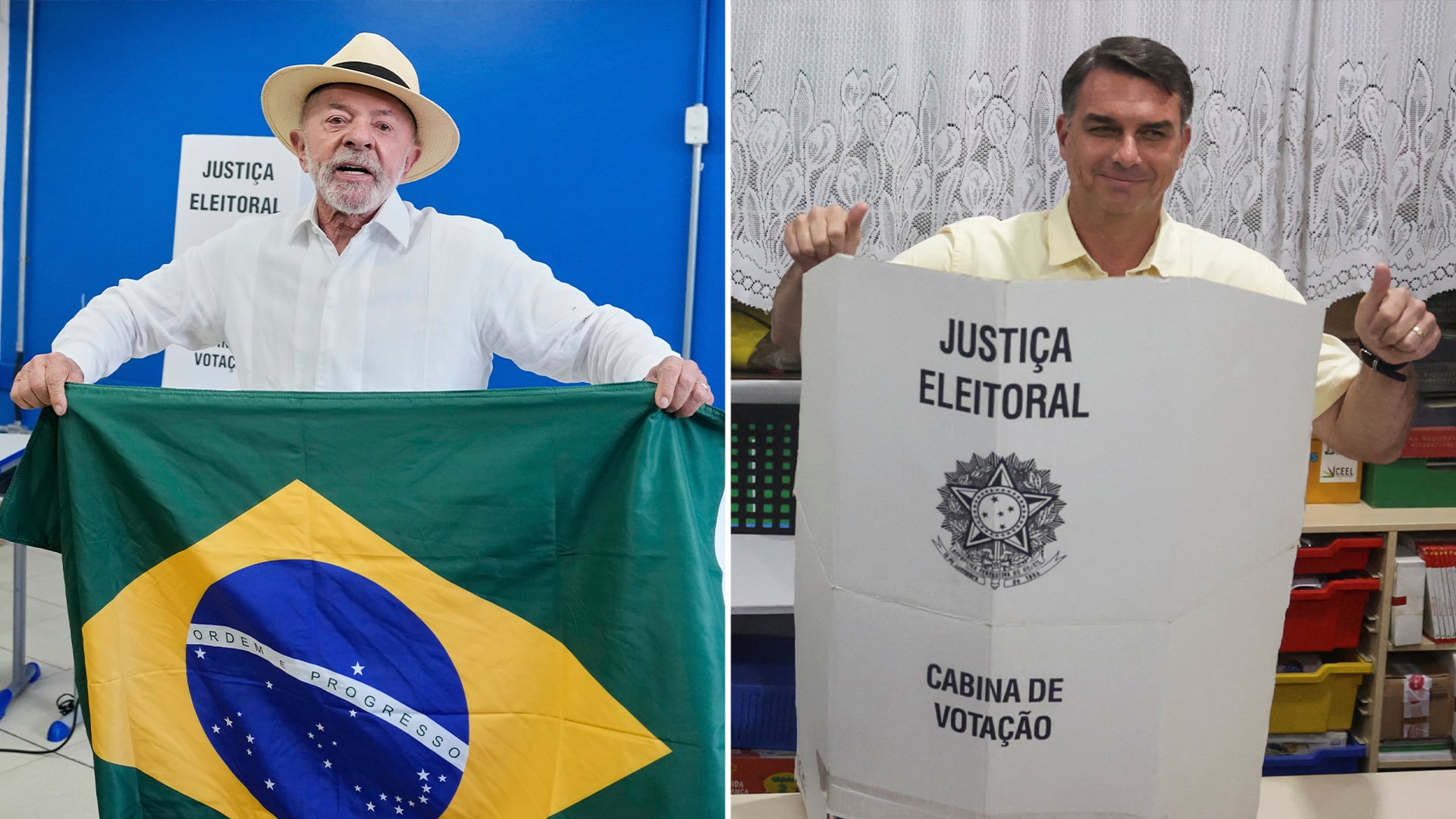
Brazil celebrates an election day marked by the festive environment and high citizen mobilization. In cities like Rio de Janeiro, thousands of voters go to the polls looking stickers, T-shirts, hats and other symbols of their candidates. The report is from our correspondent Valeria Saccone.
The polling stations are closed for the general elections in Brazil, although people are still finishing their vote. The President of the High Electoral Court, Kassio Nunes Marques, said that the day took place calmly, defended the reliability of the electronic ballot boxes and said that no specific indication of interference by any foreign country has been detected. After the end of the vote, the vote will begin. From the field, our correspondent Valeria Saccone extended the details of the closing of the ballot boxes and, in his fourth report, covered
Flávio Bolsonaro, a professional lawyer and eldest son of former President Jair Bolsonaro, built much of his political career in Rio de Janeiro, where he was a state deputy before reaching the Senate. After his father's conviction for beating, he became the main political heir of the Bolsonarist movement and today is pointed out as the possible successor of the conservative right in Brazil. Although he shares many of his father's flags, he has tried to project a more moderate and pragmatic image before public opinion. However, its trajectory is also marked by controversy and
Brazil lives a key election day marked by political expectations and polarization. More than 158 million citizens are entitled to vote and elect President, Vice-President, Governors, legislators and other authorities. The contest keeps the country's attention to opposing visions about the future of Latin America's largest economy. From Rio de Janeiro, we follow the day and listen to the citizens. The report is from our correspondent Valeria Saccone.
About 130 million Brazilians belong to "Class C," a segment of families with monthly income of between $487 and $2,100. Between 2003 and 2010, this group voted massively for Luiz Inácio Lula da Silva, hoping to access a home of its own or to ensure that its children entered the university.
The last survey, published on Saturday night, gives 45% of the votes to the president and 42% to the ultra-decer
Brazil began a decisive election day this Sunday. More than 158 million citizens are called to the polls to elect president, vice president, governors, deputies and part of the Senate. The polling stations will remain open until 5: 00, Brasilia time. The surveys point to a very tight contest, so the possibility of a first-round definition seems reduced. In 2022, the abstention was 20.9%, or about one in five voters did not vote. From Rio de Janeiro, our correspondent Valeria Saccone tells us more.
If nothing surprising happens, the best thing that can happen in the elections this Sunday is the least bad.
The President of the United States has not given up on any of the candidates, although Washington's interference with the internal policy of the Ibero-American country has been constant.
The 45-year-old senator, who is the moderate of the clan, threatens the re-election of Lula in Brazil despite being under investigation for corruption
The president of Brazil, former worker and trade unionist, pragmatic and able negotiator, seeks a fourth mandate to prevent the return to power of the ultra-right with the Bolsonaro
President Lula and Flávio Bolsonaro, son of the former coup leader, are fighting the presidency in a fully open election
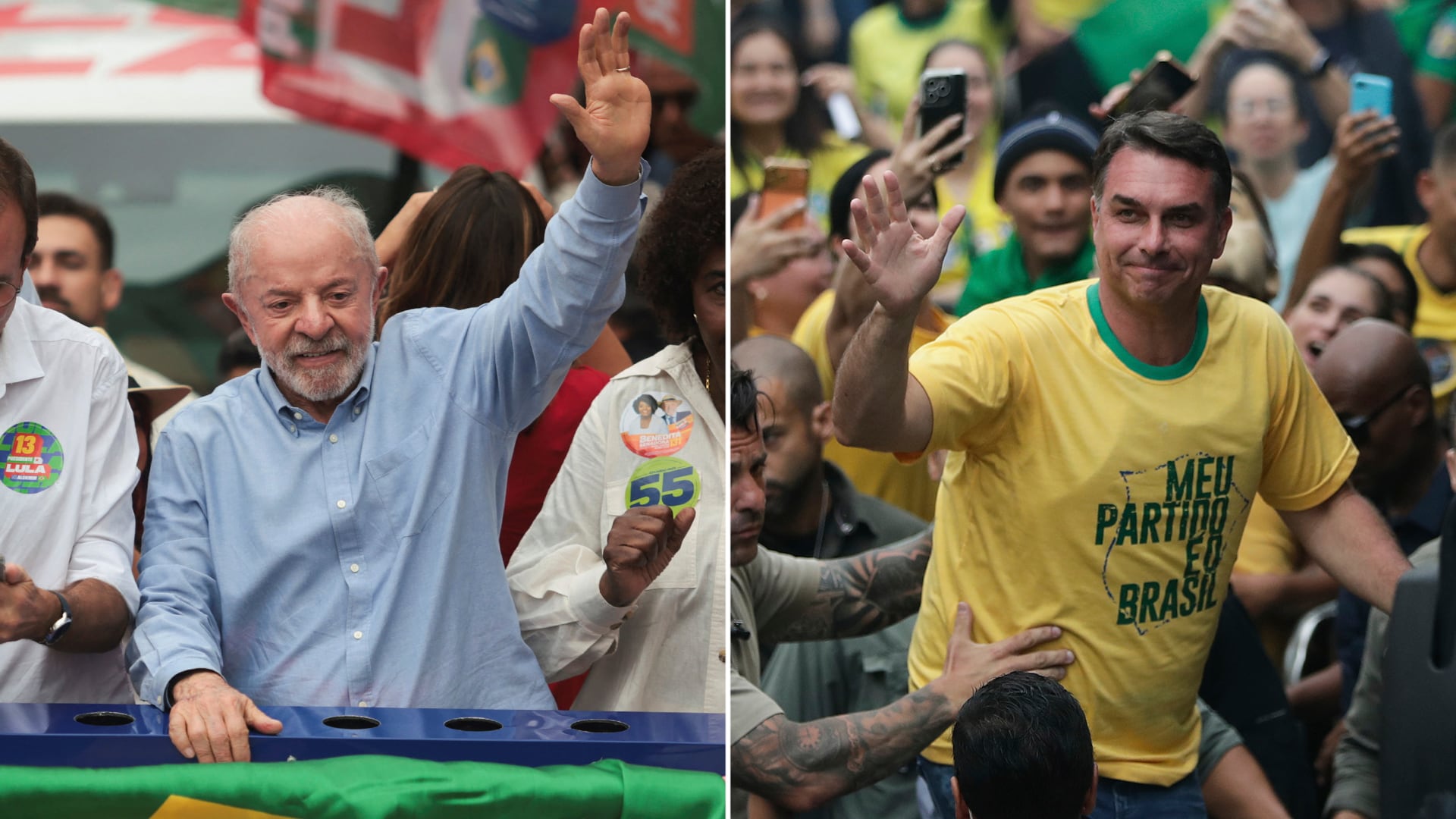
On the eve of the general elections in Brazil, Luiz Inácio Lula da Silva and Flávio Bolsonaro took a mass bath to close their campaigns. São Paulo was the stage chosen by both candidates for their closing acts. On October 4, Brazilians will come to the polls to decide whether the country joins the right-hand turn that crosses much of the region or whether Lula da Silva gets re-election. Bolsonaro's followers maintain the hope that Brazil will support their candidate; on the other hand, dressed in red, Lula's sympathizers also trust the victor.
The "C class," the middle class in Brazil, was an important factor in the victory of Luiz Inácio Lula da Silva in past elections. Four years later, although one part of the population supports it by considering that it has benefited during its Government, another has become more pragmatic and considers voting for candidate Flavio Bolsonaro as his proposals are more aligned with his needs. A report from our correspondent Valeria Saccone.
Washington's pressure on Brasilia and the right turn of Latin America make voting a key issue for the regional board
♪ Does Brazil support the United Kingdom in the dispute with Argentina over the Malvinas? A post on X states that he signed a military agreement with the British and that Lula supported his position. It's fake. In early September, Eduardo Uziel, in charge of Brazilian business in Argentina, reiterated the Brazilian support.
Spain is now for the world what Brazil was historically: the representation of excellence