Advertisement
Advertisement

Topic

blood

World

Sierra Leone: From 'blood diamonds' to stones of hope?

"Blood diamonds" became infamous for funding the brutal civil war in Sierra Leone. Beginning 25 years ago, the Kimberley Process aimed to put an end to this illegal trade. Accused of complicity in the conflict, the diamond industry has since sought to clean up its image, emphasising an ethical shift. But a quarter of a century on, have the former "blood diamonds" truly become synonymous with development? FRANCE 24's Sarah Sakho and Simon Martin report.

Science

Nearly 6 in 10 people with high blood pressure don’t know they have it

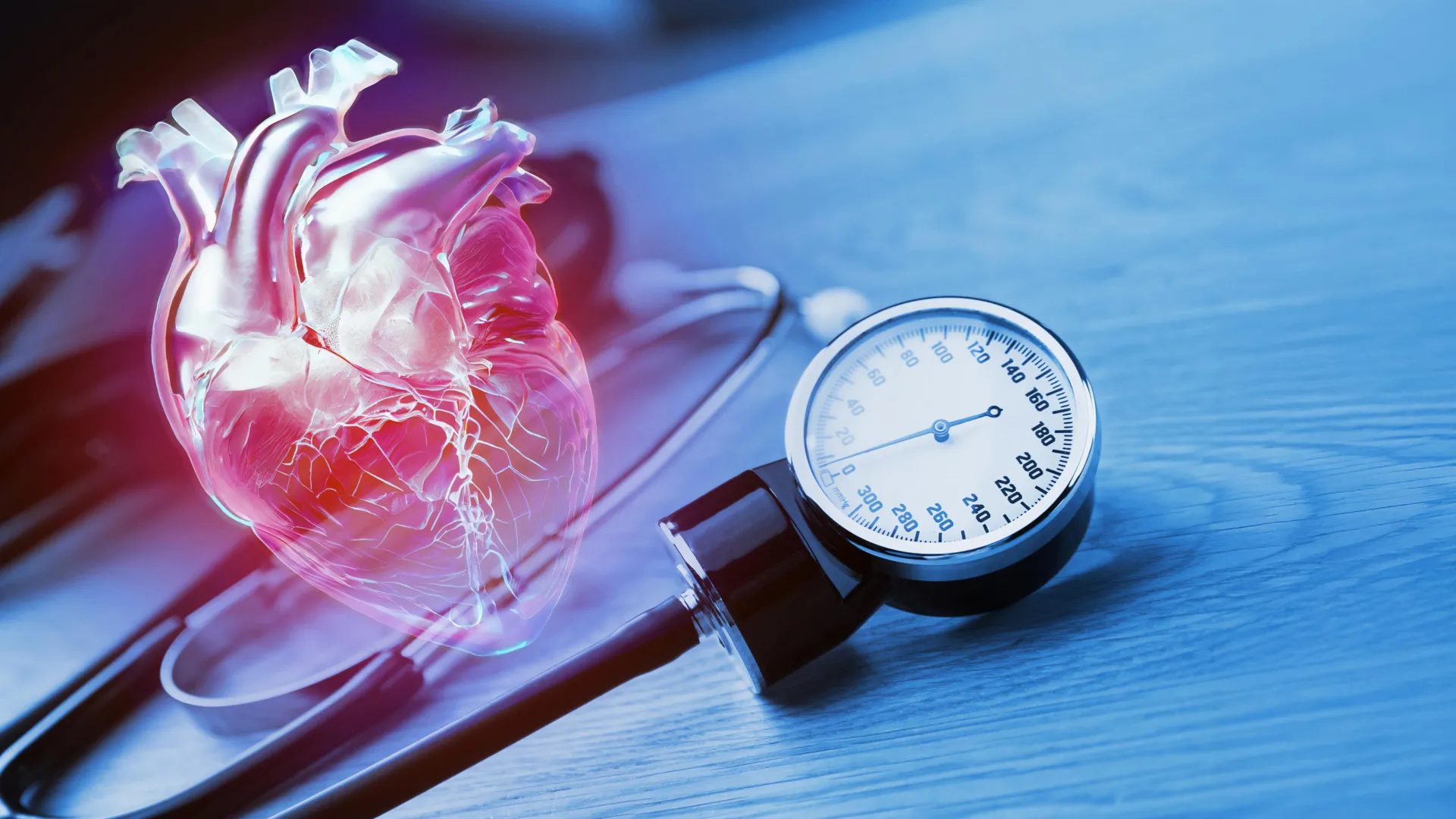
Nearly 6 in 10 people with high blood pressure in a large England study had never been diagnosed or treated, and half of those already taking medication still had elevated readings. Researchers say a more proactive approach to finding and controlling hypertension could prevent thousands of heart attacks and strokes.

Health

Vitamin C linked to fewer deaths in blood disorder trial

Vitamin C may do more than support the immune system. In a phase 2 trial of people with precancerous or low risk blood cancers, daily vitamin C did not slow abnormal cell growth, but it was linked to favorable changes in inflammation and fewer serious complications. An exploratory follow up also found fewer deaths among participants taking vitamin C than among those receiving placebo.

Health

Diabetes study finds keeping blood sugar too steady may come at a price

People with diabetes reported better quality of life after days when their glucose stayed largely within a healthy range, even when levels fluctuated more than usual. The unexpected finding suggests that pursuing extremely tight glucose control may sometimes come with a hidden lifestyle burden.

Health

Blood tests reveal why astronauts get constipated in space

Spaceflight may dramatically change the gut within weeks, causing bacteria to break down more protein as food moves more slowly through the intestines. The shift could help explain astronaut constipation and may have wider effects on health, making it an important concern for future missions to Mars.

Science

REM sleep paradox: Dreaming may drain the brain’s energy even as fuel supply rises

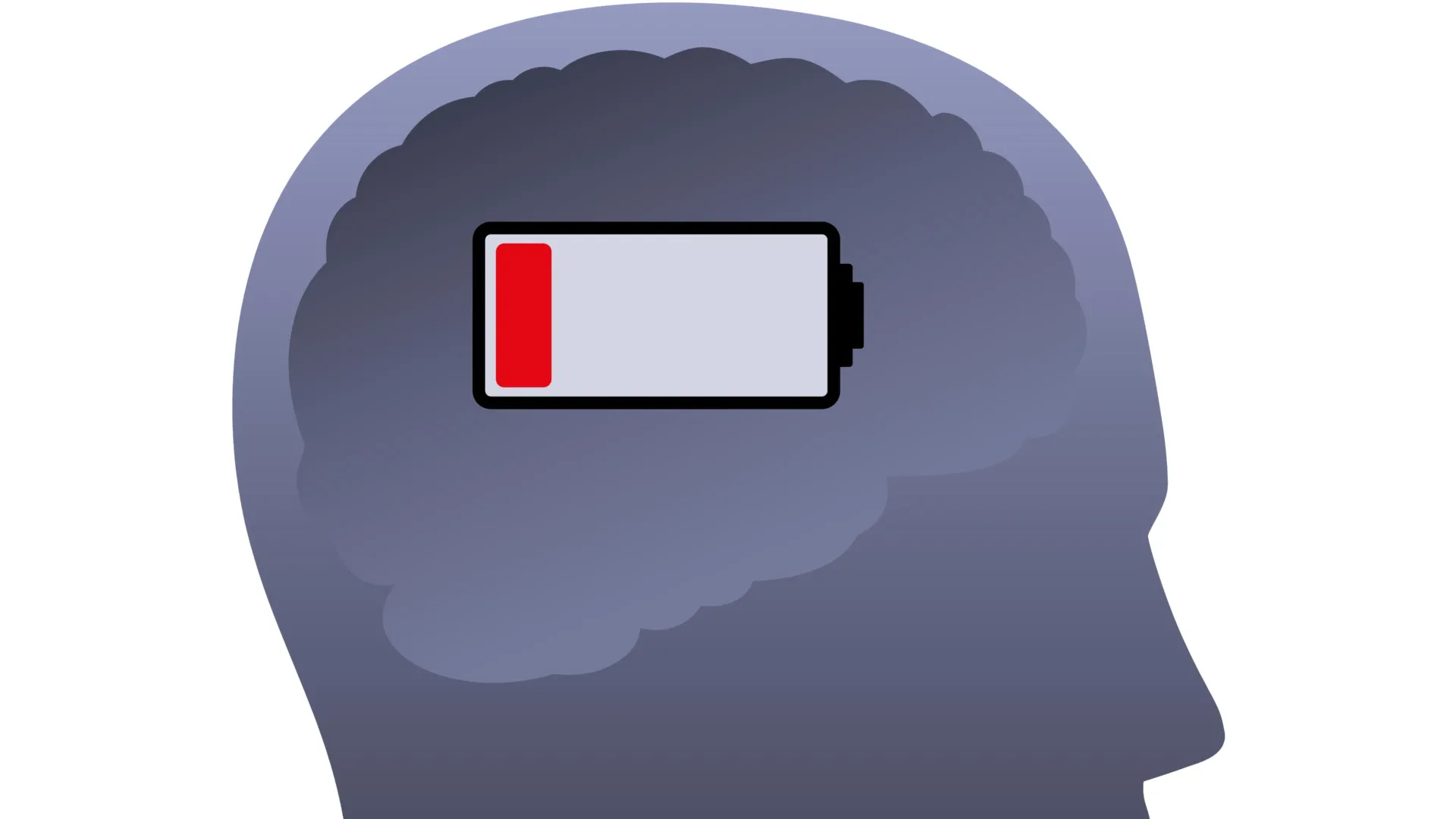
Scientists discovered a surprising energy paradox in the brain during REM sleep, the stage most closely associated with dreaming. Blood supply to the brain begins increasing even before REM starts, but neurons’ immediately available energy, measured as ATP, then drops. The finding suggests that dreaming may require such intense internal processing that neurons consume energy faster than it can be replenished.

Advertisement
Style

From bling and birds to ‘really fancy armour’ – the best dressed characters of the Bayeux tapestry

Medieval experts talk us through the fashion of the near-1,000-year-old embroidered work, and what it says about the people wearing it Don’t get Fashion Statement delivered to your inbox? Sign up here Blood, booze, arrows and boats; these are what you might typically imagine when you think of the Bayeux tapestry, which has become one of the hottest historical tickets since it went on display at the British Museum in London this month. But what about the hair? “The Anglo-Saxons all have these little moustaches, which are brilliant. And then the Normans have these funny haircuts with the back of

Entertainment

‘The Traitors: New Blood’ EPs Break Down NBC Premiere, Sweetening the Pot for the Faithful and Why the Civilian Cast ‘Played Hard Straight Away’

SPOILER ALERT: This post contains spoilers for the two-hour series premiere of NBC’s “The Traitors: New Blood,” now streaming on Peacock. “The Traitors” castle isn’t just for the rich and famous anymore. Peacock’s Emmy-winning franchise has arrived on NBC, with “The Traitors: New Blood,” a new season composed entirely of civilian players in the game […]

Health

These blood thinners may have an unexpected benefit for Alzheimer’s patients

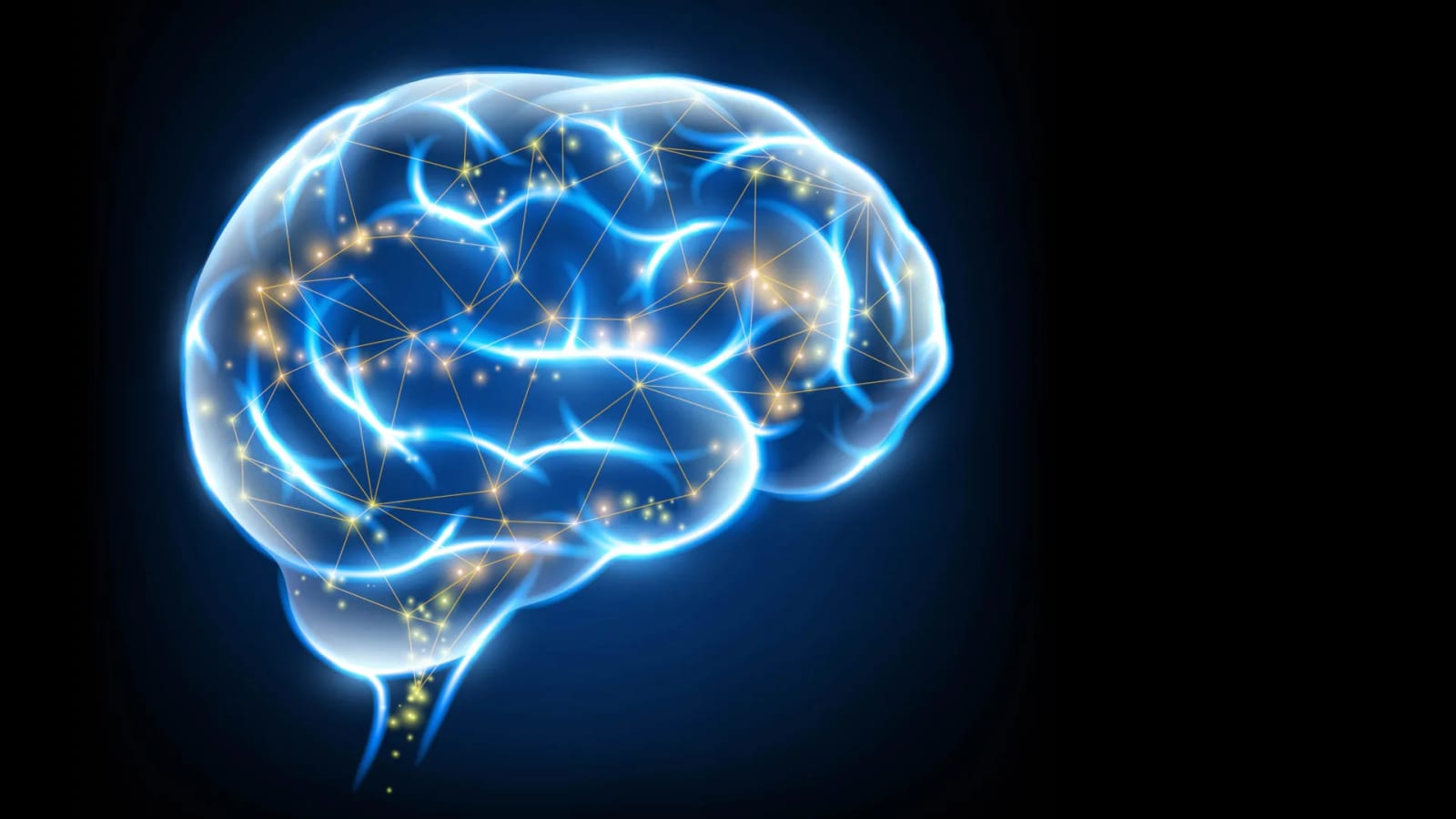
Newer blood thinners may do more than prevent strokes in people with Alzheimer’s disease and atrial fibrillation. Researchers found that patients taking NOACs experienced a slower decline in cognitive function than those using warfarin or no blood thinners. The effect was modest each year but could add up over time.