Advertisement
Advertisement

Topic

Astronomers

Science

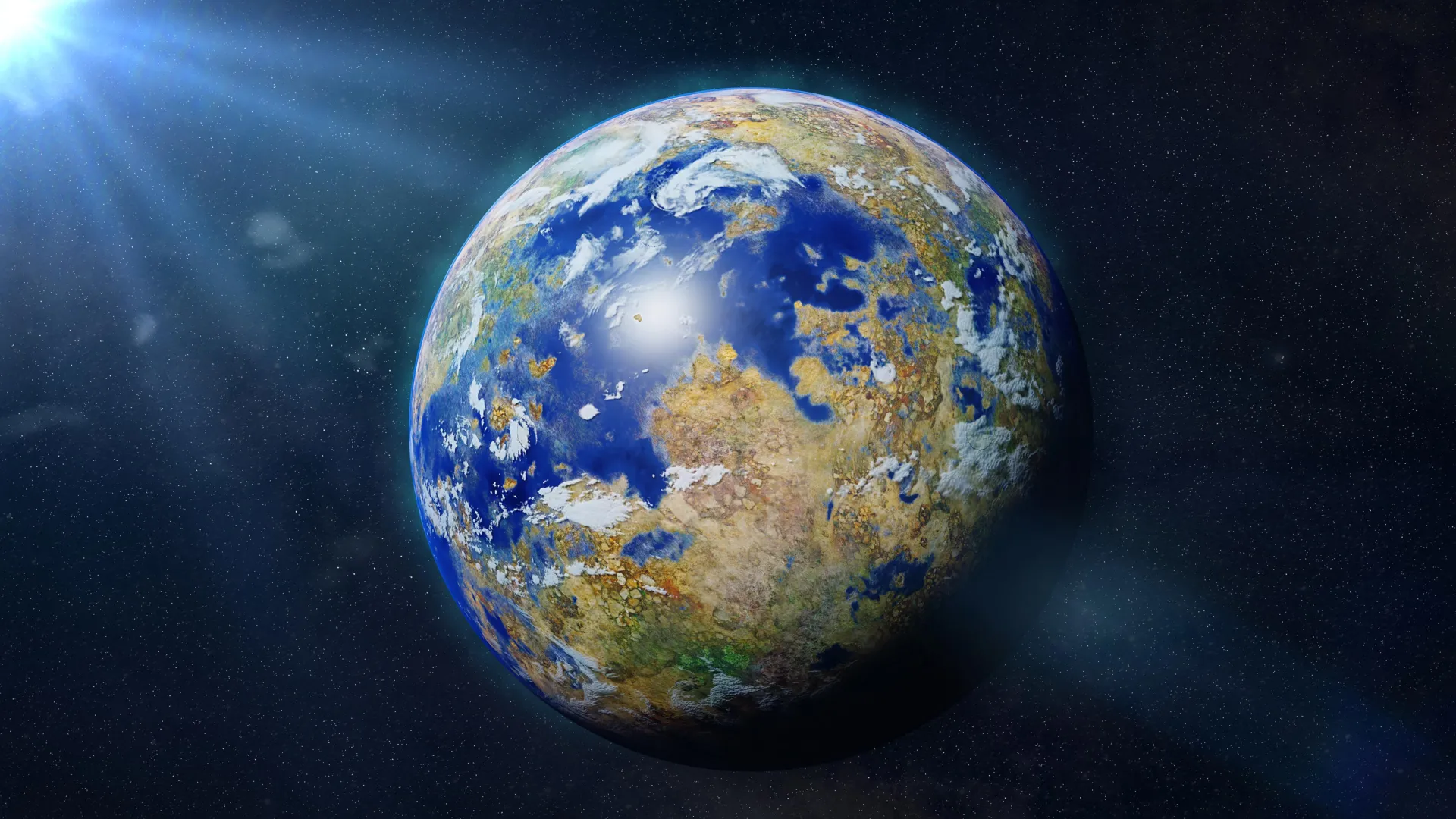
A mysterious star system just 16 light-years away may be hiding habitable planets

Astronomers have solved a 170-year-old planetary mystery in a nearby two-star system, discovering that a mysterious wobble was caused by stellar activity rather than a giant planet. Although Jupiter-sized worlds have been ruled out in key regions, smaller, potentially habitable planets could still be waiting to be discovered just 16 light-years from Earth.
Science

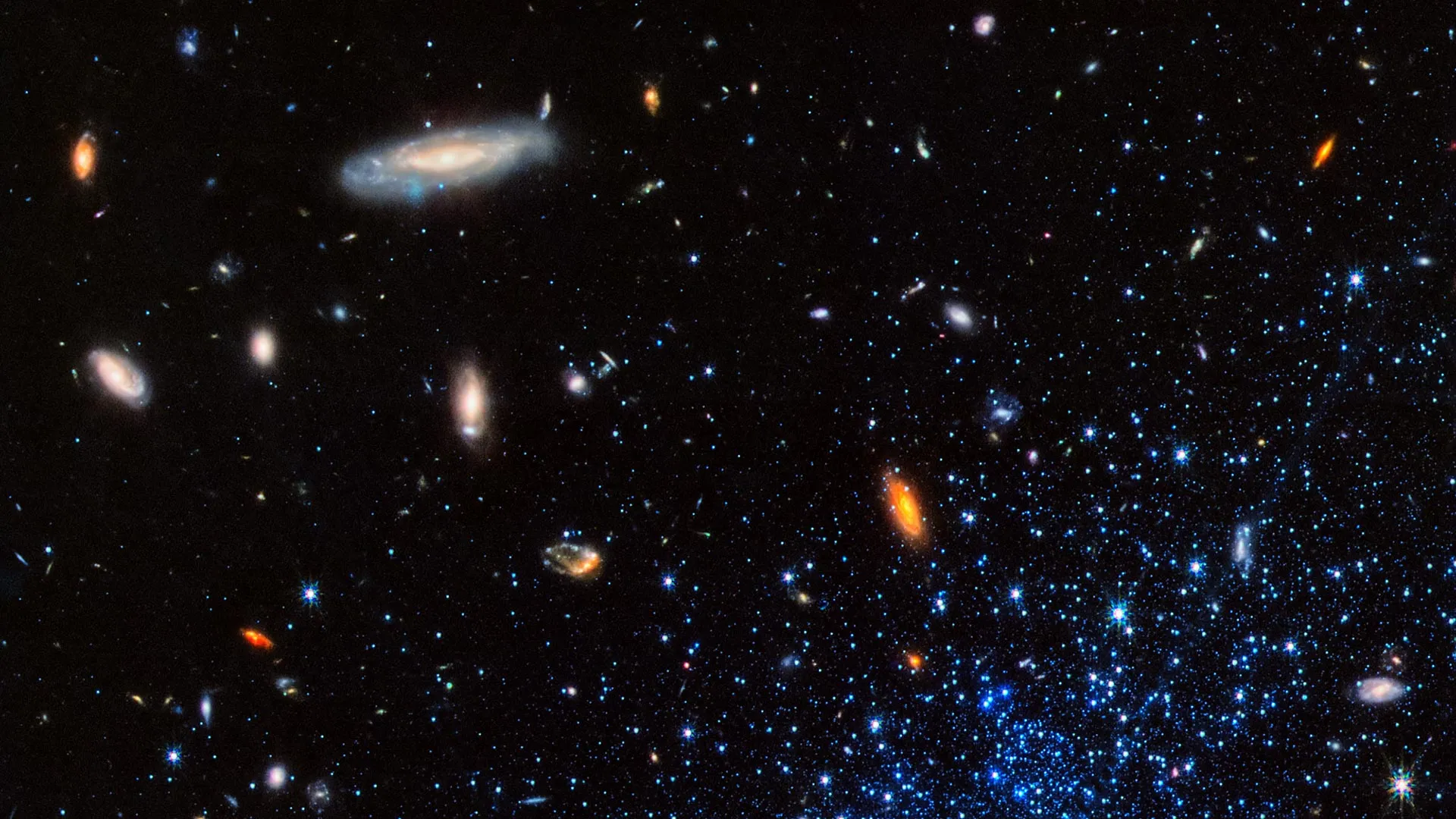
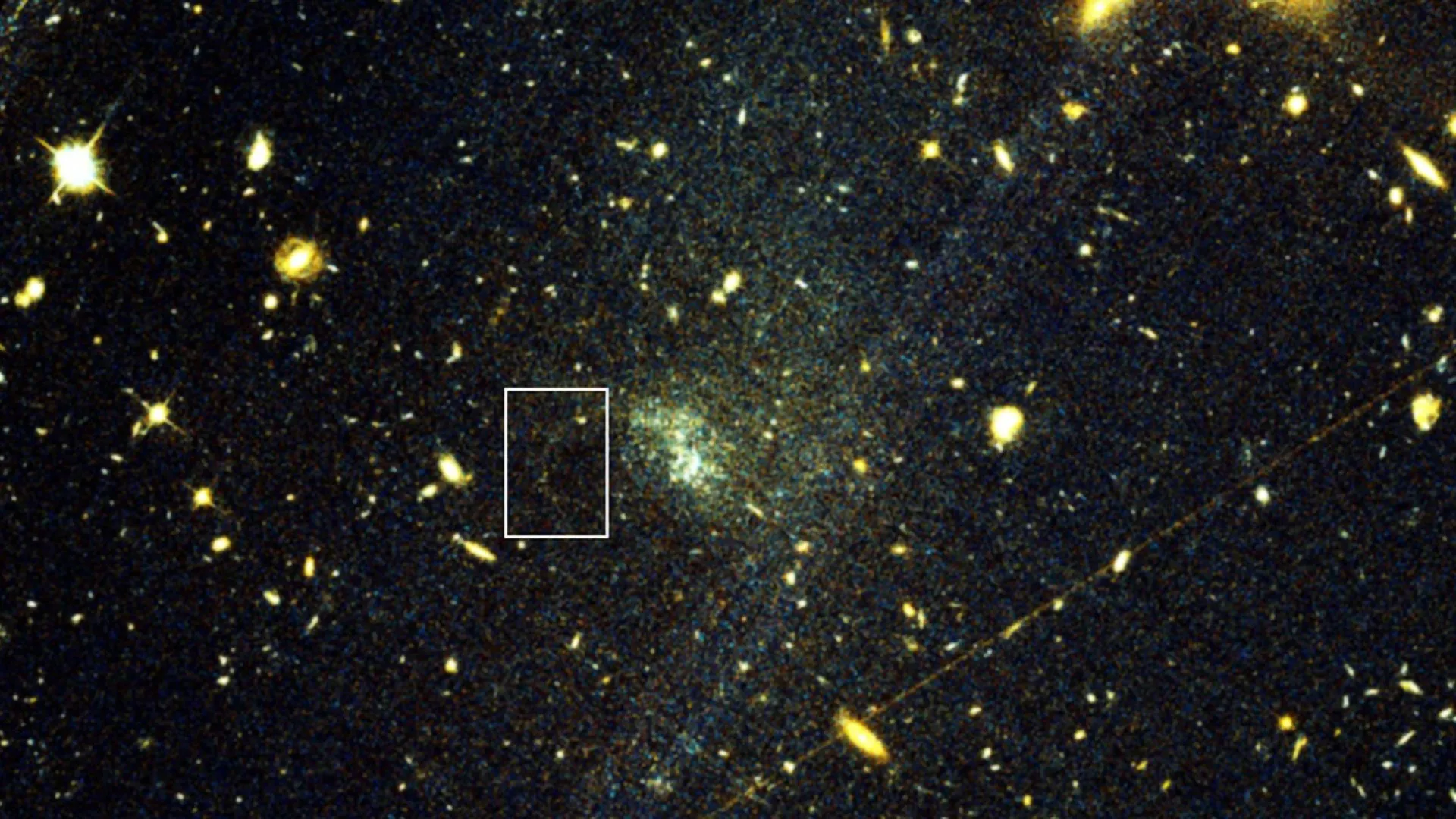
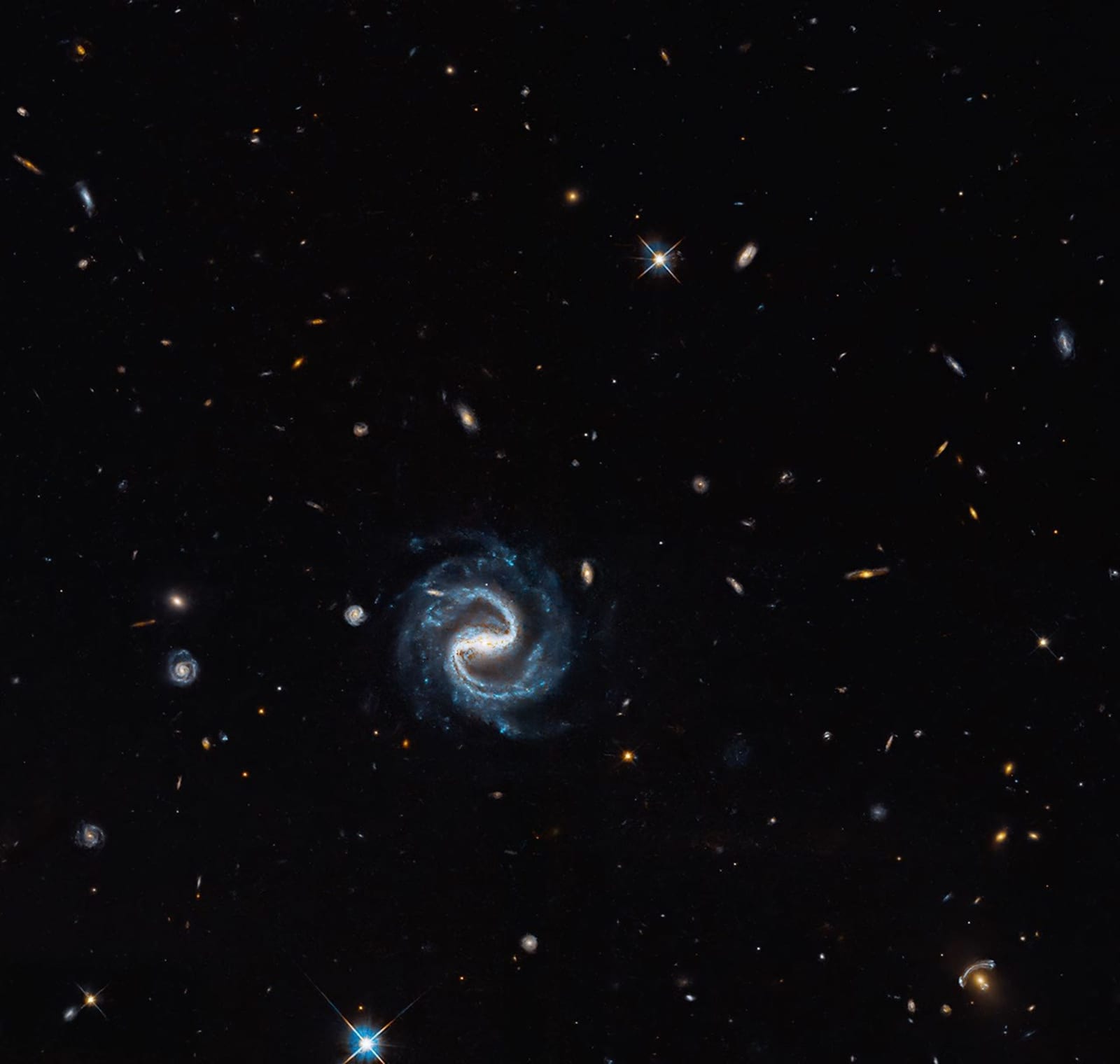
NASA’s Hubble Marks Way for Roman Space Telescope

A sweeping barred galaxy takes center stage in this Oct. 22, 2026, image, but the gravitational lensing at bottom right is the real target. This observation is one of many gravitational lensing images taken by NASA’s Hubble Space Telescope in preparation for science with the new Nancy Grace Roman Space Telescope. Astronomers will use these […]

Science

Astronomers may have discovered the first moon beyond our Solar System

Astronomers have uncovered evidence of a bizarre, potentially historic discovery: the first moon ever detected beyond our Solar System. Unlike familiar moons, this mysterious object is at least as massive as Jupiter and orbits a brown dwarf, which itself circles a star. The unusual arrangement challenges traditional definitions of planets and moons, leaving scientists unsure what to call it.

Science

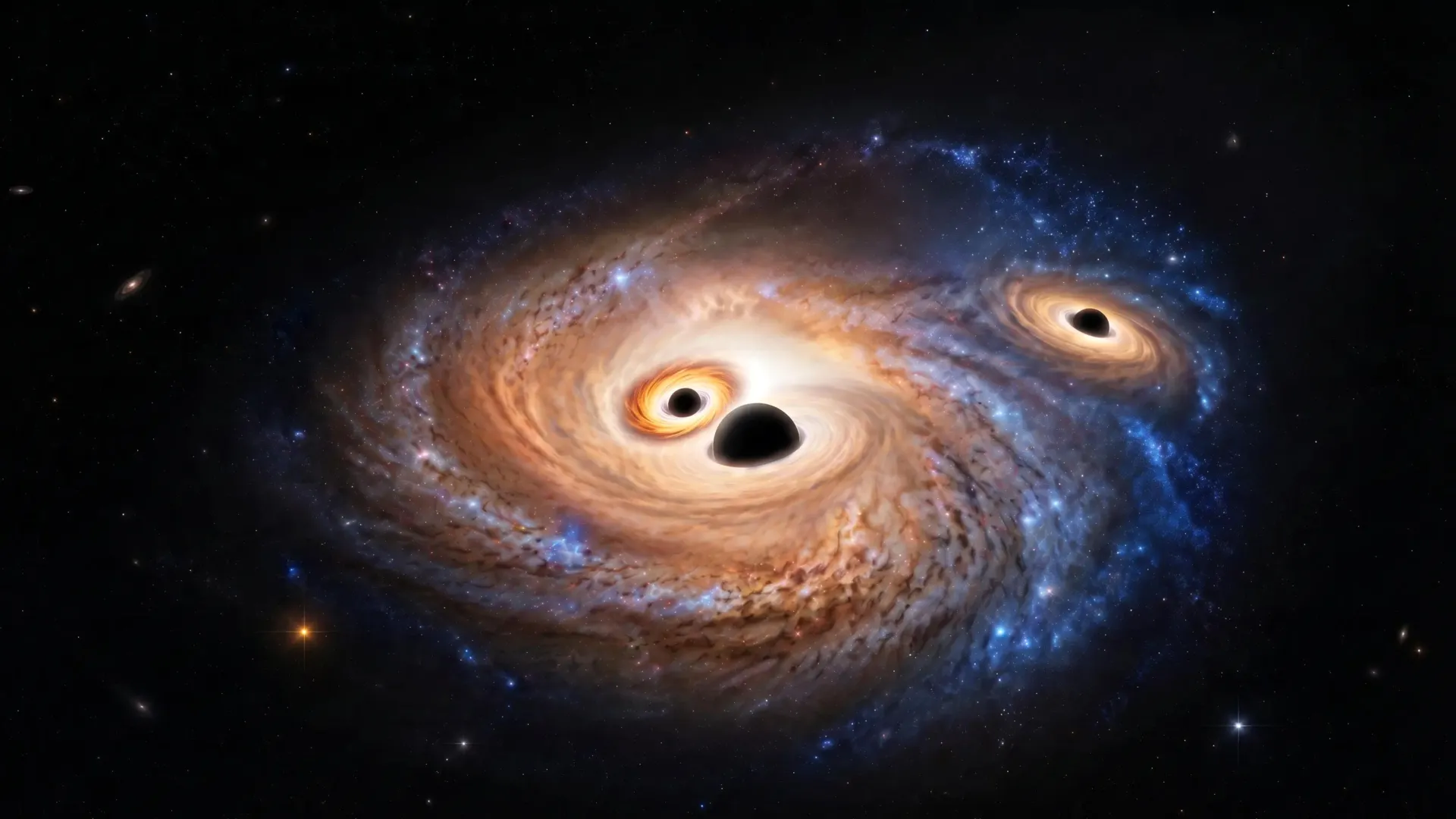
Three giant black holes discovered in a galaxy from the dawn of time

Astronomers have discovered three actively feeding black holes inside a single galaxy more than 12.5 billion light-years away, revealing a remarkable scene from the universe’s infancy. Two of the black holes are separated by just 620 light-years and are expected to eventually merge, while a third lurks farther away. One weighs an astonishing 80 million suns, and another is growing faster than conventional theories predict.

Science

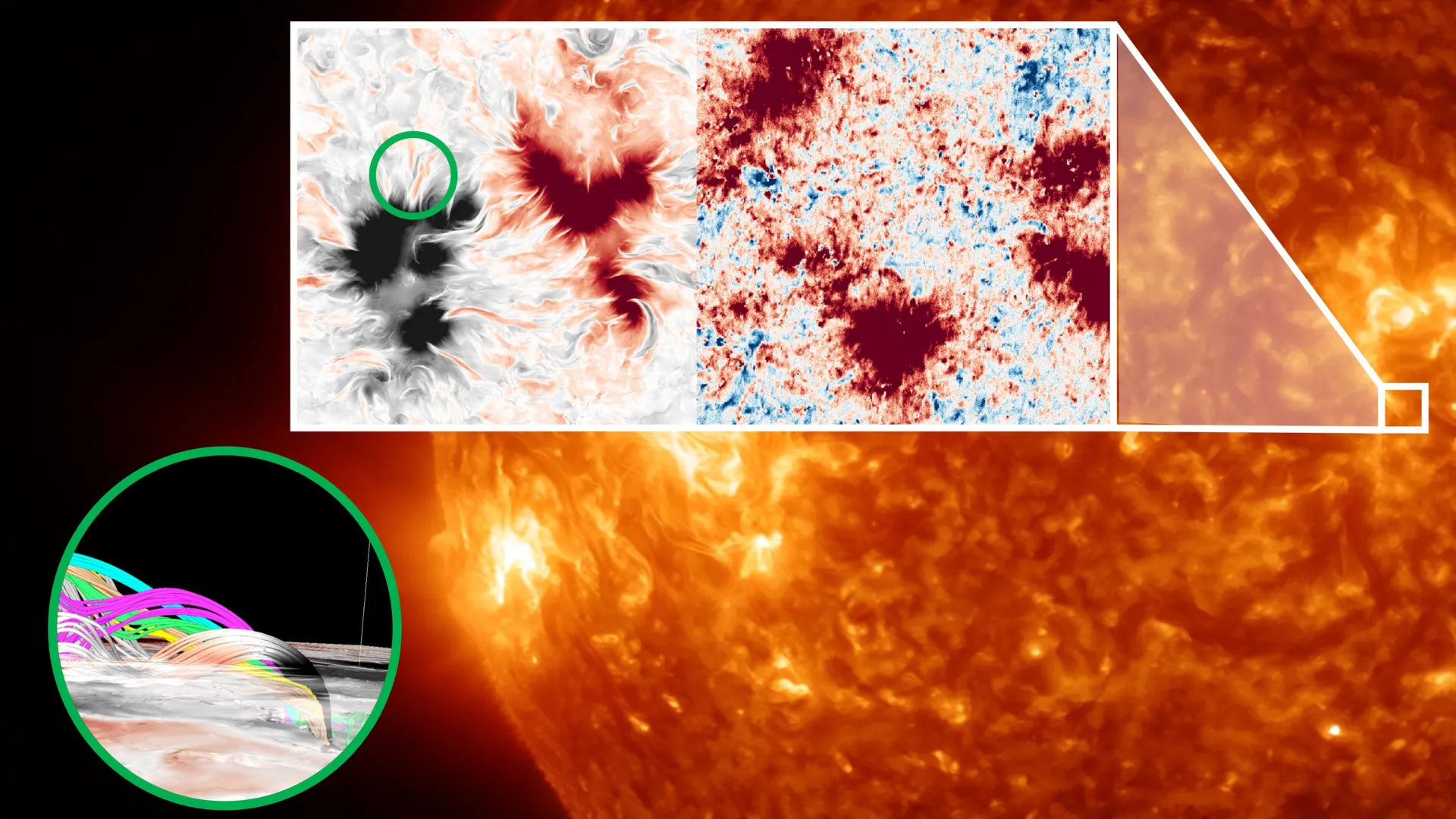
Astronomers uncover a mysterious magnetic web above the Sun

The Sun’s seemingly peaceful regions are hiding a surprisingly complex magnetic world. Using a balloon-borne telescope high above Earth, scientists discovered delicate, thread-like magnetic structures woven through the solar atmosphere, apparently shaped by twisting motions on the Sun’s surface. They also mapped magnetic fields inside towering jets of solar material, revealing how those fields change with height.

Science

Astronomers uncover new secrets of the Universe’s first five minutes

Scientists have achieved a major breakthrough in understanding the Universe’s earliest moments, measuring the amount of helium formed in the first five minutes after the Big Bang with unprecedented precision. Using one of the world’s most powerful telescopes, an international team studied 15 remarkably pristine galaxies that act as cosmic time capsules, preserving clues from nearly 13.8 billion years ago.

Science

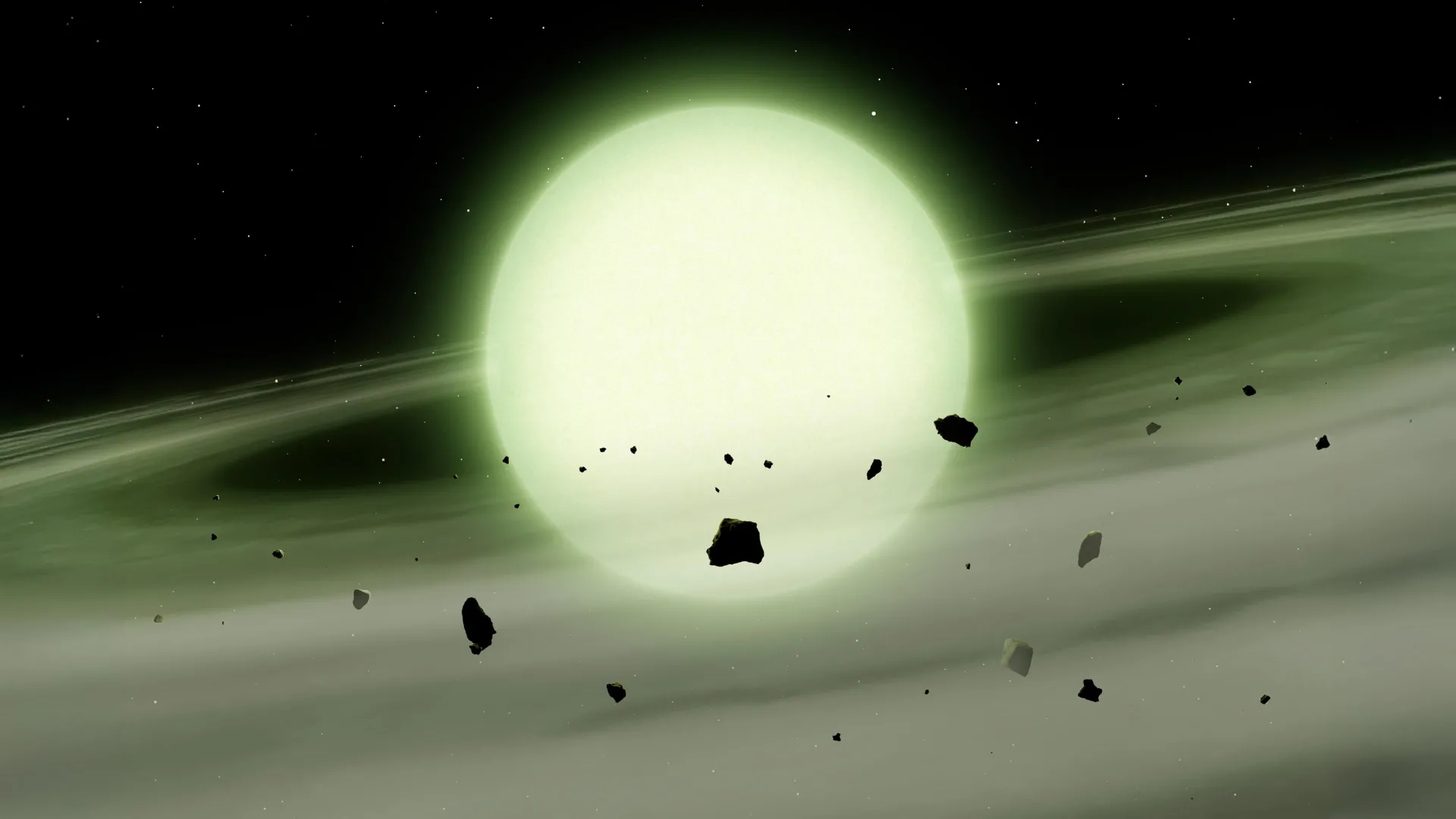
Astronomers discover a ghostly green star unlike any known before

Astronomers have uncovered a surprising rainbow of dead stars, including the first known star that would appear genuinely green to human eyes. Researchers found that white dwarfs can glow in unexpected shades of pink, purple, yellow, and cyan because of unusual chemical interactions in their extremely dense atmospheres.

Science

Two monster black holes could collide in just 100 years

Astronomers have uncovered compelling evidence of two supermassive black holes spiraling toward a potentially spectacular collision at the center of galaxy Mrk 501. A previously unseen jet of particles revealed the likely presence of a second black hole, with observations suggesting the pair completes an orbit every 121 days. Depending on their masses, these cosmic giants could merge in as little as 100 years.

Advertisement
Science

James Webb reveals a strange bulge in an alien planet's atmosphere

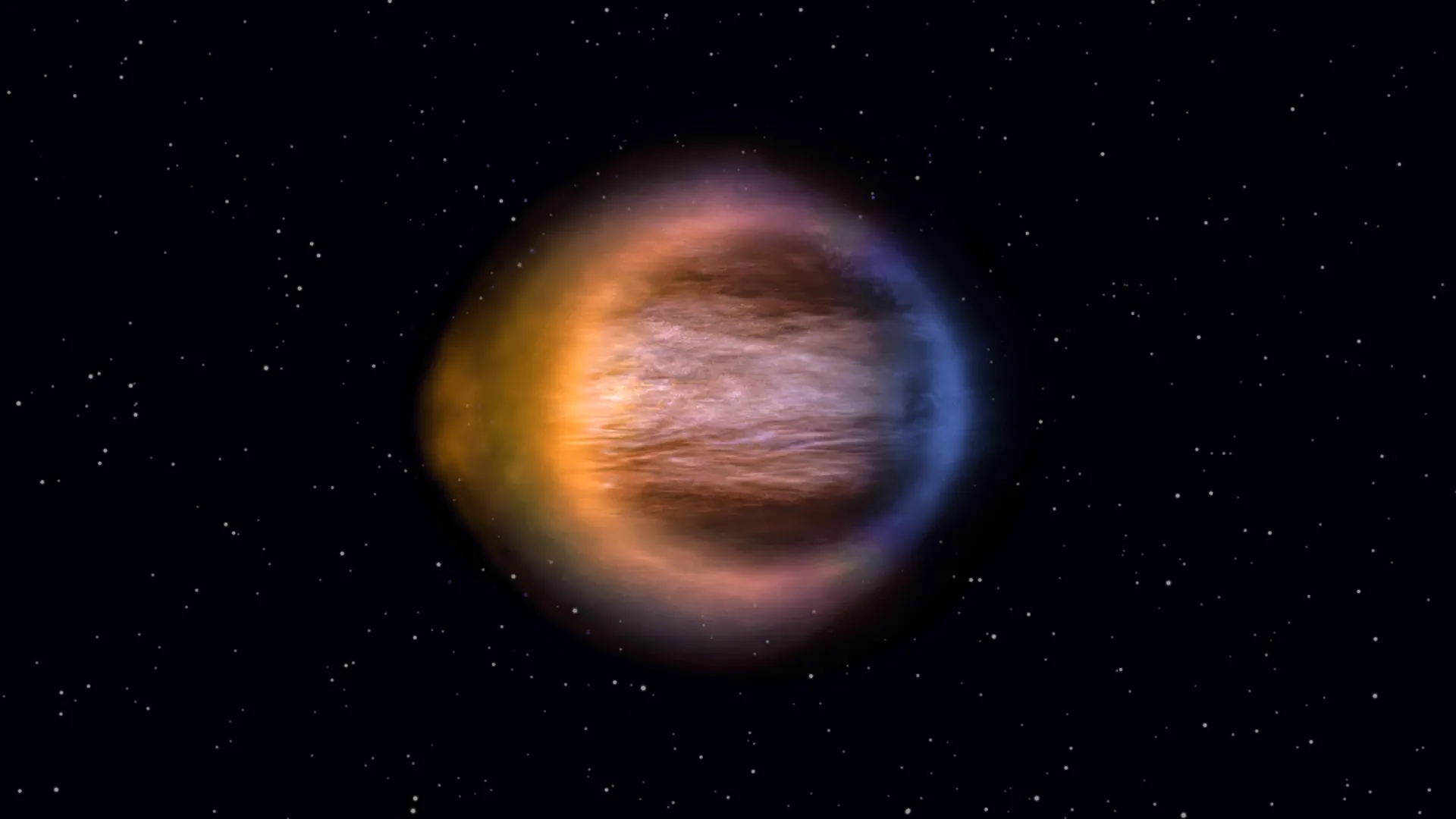
Astronomers using the James Webb Space Telescope have discovered that a distant alien planet's atmosphere is surprisingly lopsided. Located 1,300 light-years away, the scorching gas giant WASP-17b experiences powerful winds that redistribute heat, causing one side of its atmosphere to bulge outward. A groundbreaking new mapping technique revealed these hidden distortions, confirming predictions about how extreme temperatures and winds shape alien worlds.

Science

Astronomers discover a strange universal rule behind black hole eruptions

Scientists have discovered that black holes of vastly different sizes appear to launch powerful jets according to the same universal rule. The breakthrough could explain why some black holes suddenly erupt years after devouring a star and help astronomers predict when these spectacular outbursts will happen.

Science

A planet 320 light-years away confirms what scientists long suspected

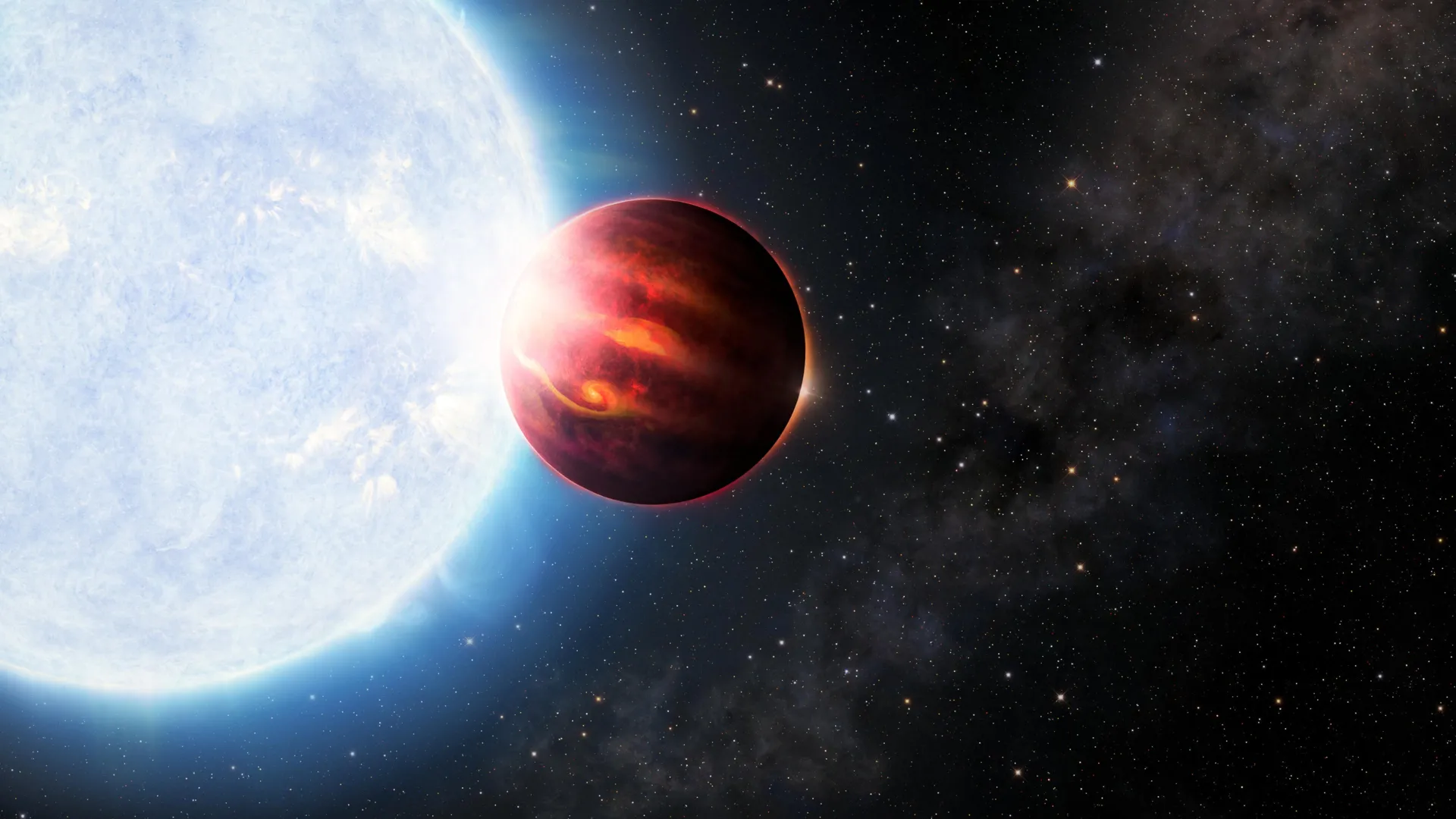
Astronomers have discovered that a scorching-hot planet 320 light-years away shares a striking chemical similarity with its host star, providing the first direct evidence for a fundamental assumption about planet formation. The breakthrough could help scientists predict what distant rocky planets are made of and identify worlds with conditions favorable for life.

Science

Hubble Space Telescope may have found a planet born after its star died

A strange chemical signature in old Hubble observations may point to a planet that formed after its star had already died. Astronomers found unusually high levels of niobium around the white dwarf HS 0209+0832, suggesting some of the star’s expelled material may have assembled into a new gas giant. TESS data also hints at a Jupiter-sized planet orbiting just 3.7 million miles from the star.

Science

MIT astronomers catch a star in a feast that could last billions of years

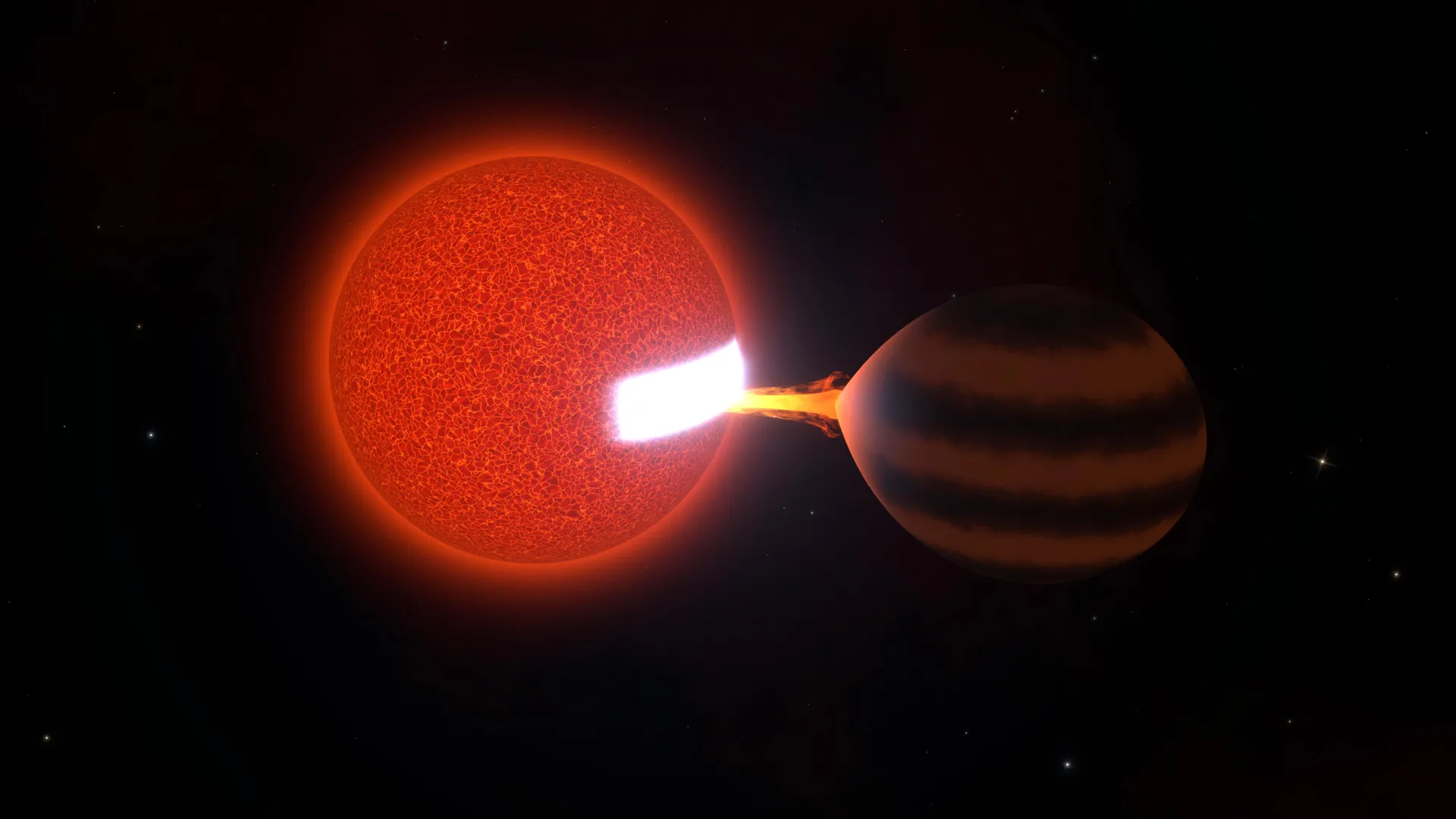
Astronomers have discovered a bizarre star system about 300 light-years from Earth where a small star is slowly devouring a nearby brown dwarf, an object too massive to be a planet but too small to be a true star. Unlike stars that rapidly swallow their companions, this one is gradually stealing material in a process that could continue for billions of years.

Science

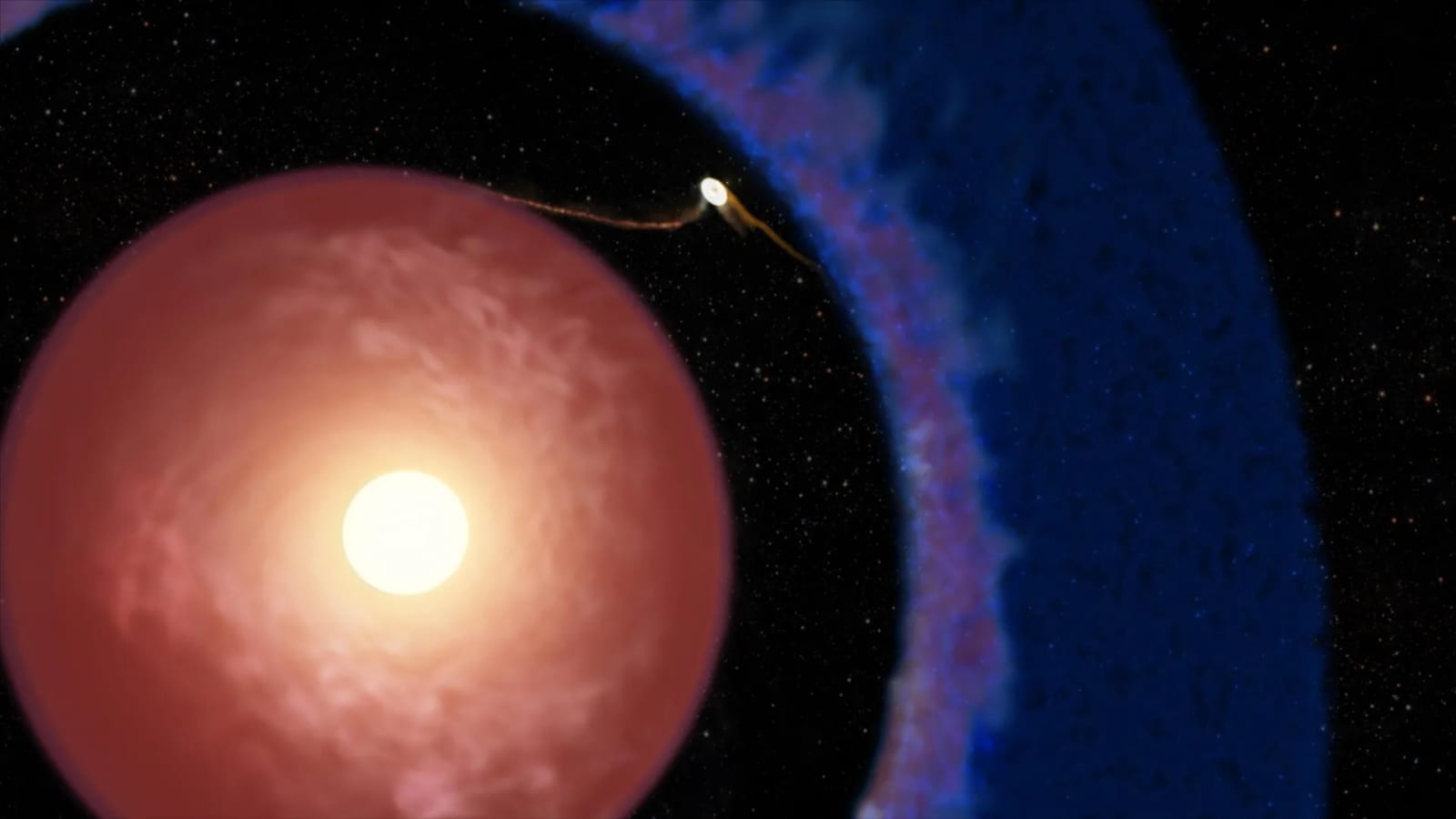
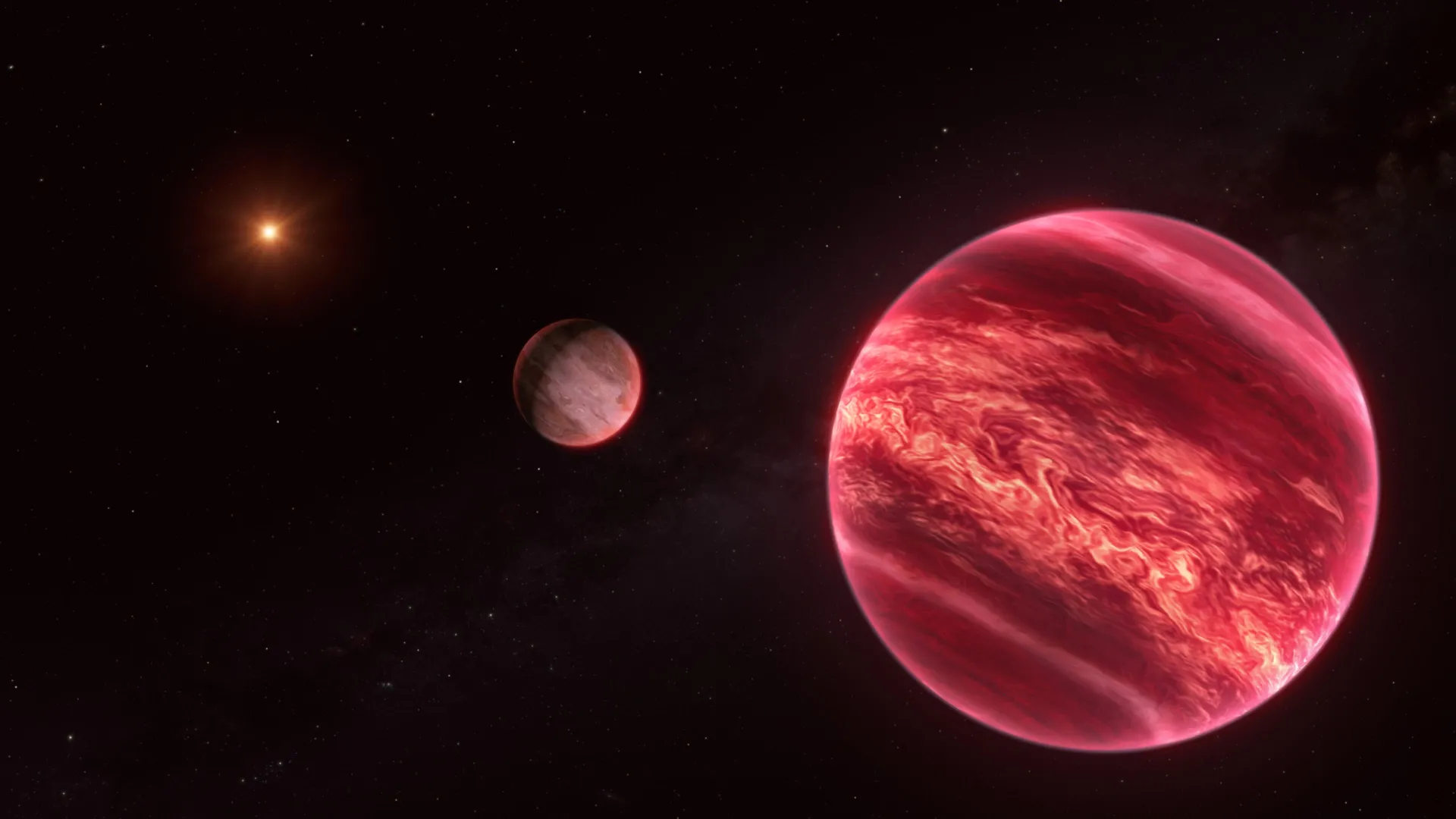
Astronomers Solve Cosmic Cold Case with NASA Hubble Data

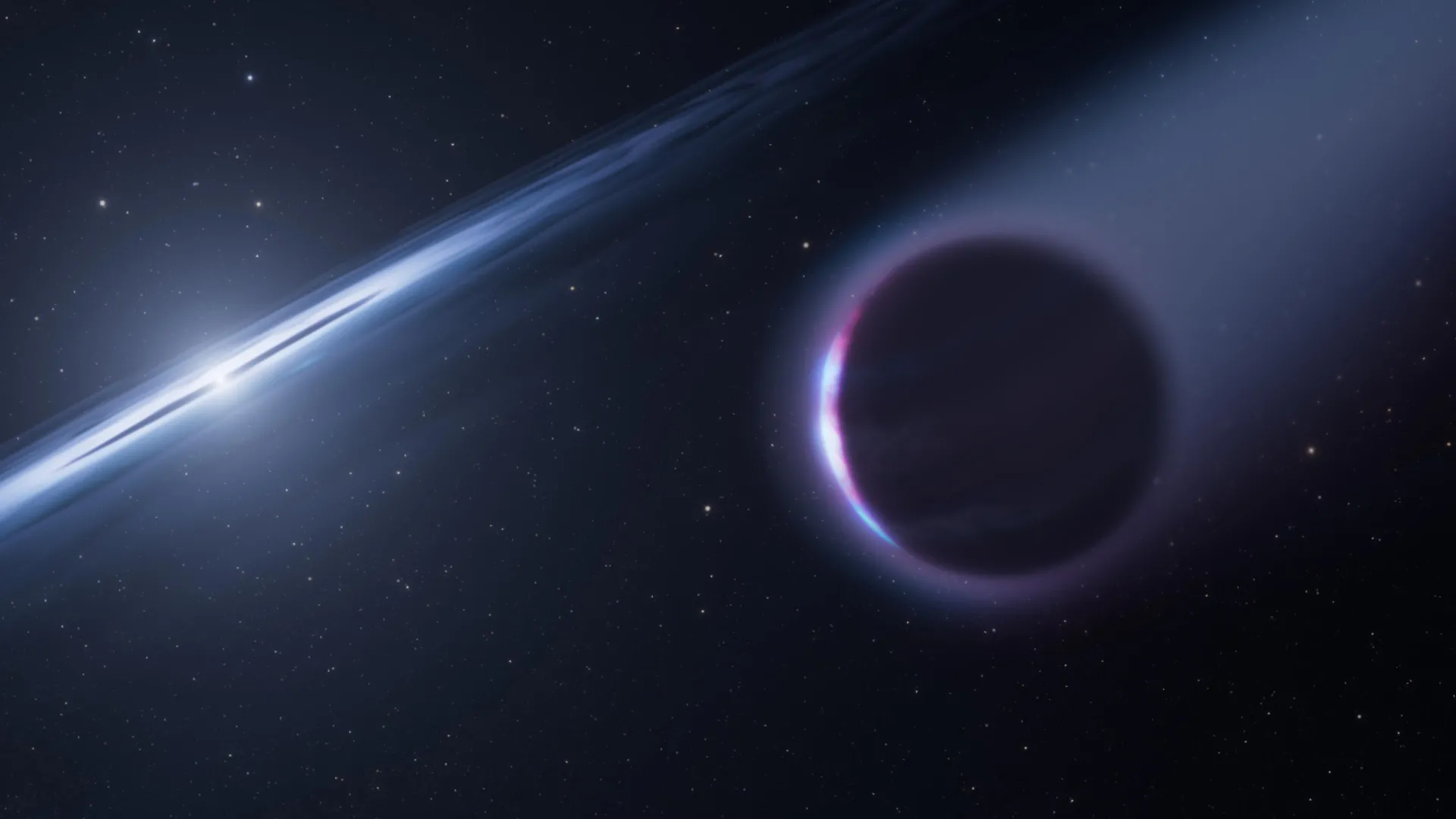
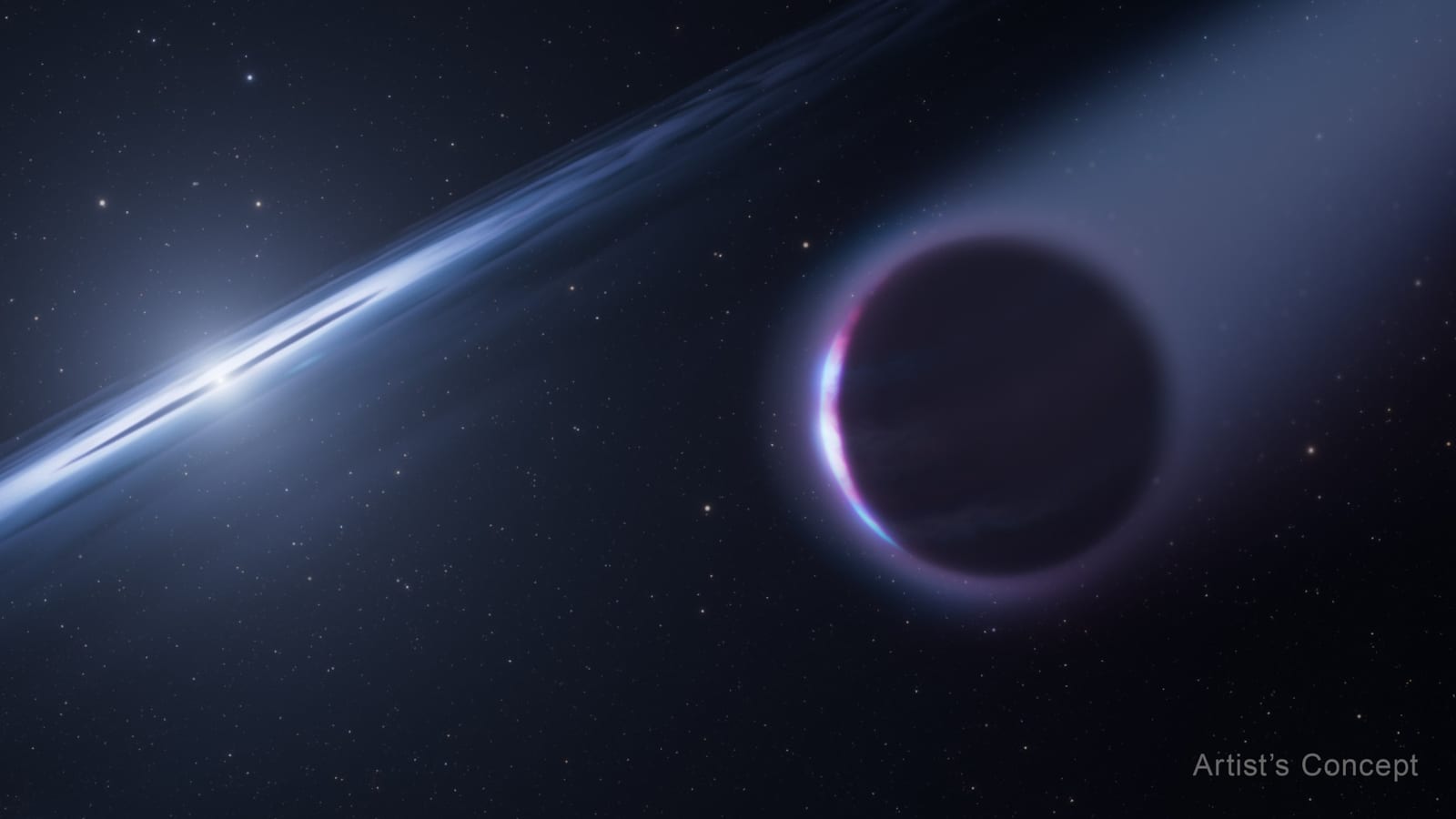
Diligent sleuthing by astronomers uncovered a surprising chemical clue that indicates the white dwarf star HS 0209+0832 may host a second-generation planet. This artist’s concept released on Oct. 5, 2026, depicts that possible explanation. The white dwarf is the “dead” core of a star that burned through all of its nuclear fuel and lost its outer […]

Science

A record-breaking X-ray flash may reveal the birth of a magnetar

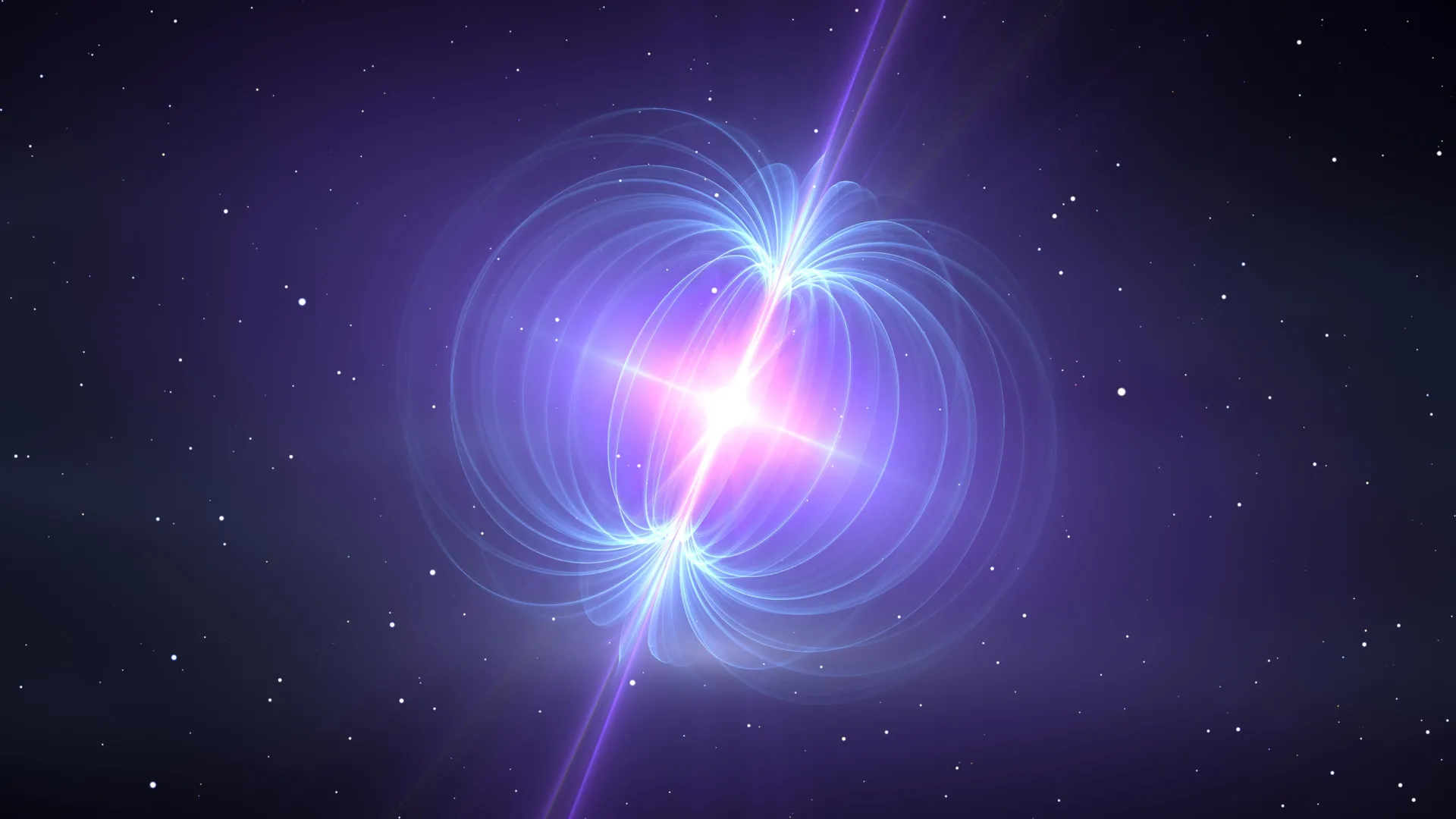
Astronomers have found strong evidence that some mysterious, minutes-long X-ray flashes are produced when two neutron stars collide and create a magnetar. One record-setting event glowed in X-rays for nearly 10 minutes, potentially opening a new way to find these extreme cosmic mergers.

Advertisement
Science

First stellar stream beyond the Milky Way could reveal dark matter

Astronomers have discovered the first globular cluster stellar stream beyond the Milky Way, opening a new way to study dark matter in distant galaxies. These faint trails of stars trace a galaxy’s gravitational structure and could eventually help scientists map invisible matter across the universe.

Science

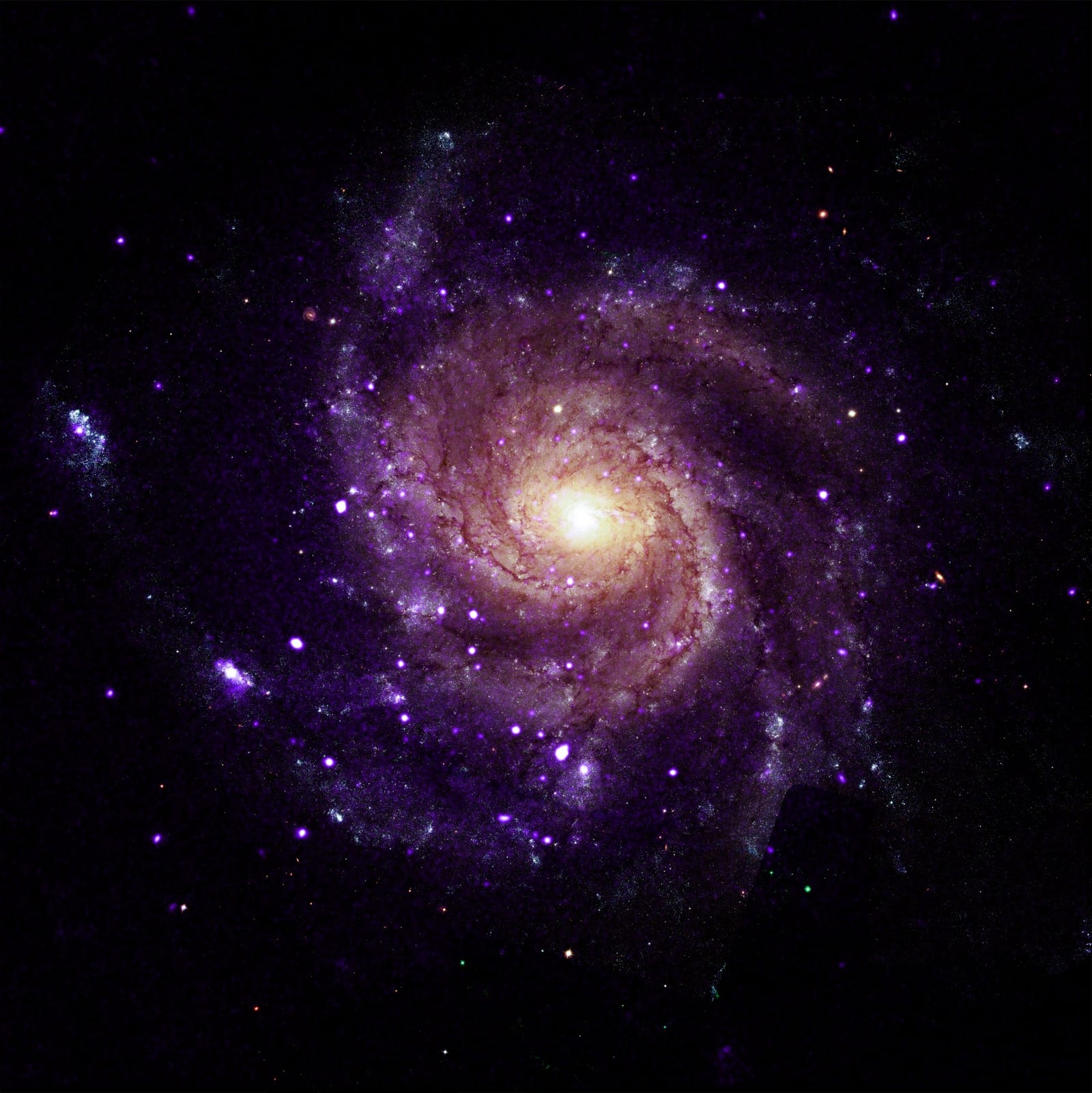
NASA’s Chandra Finds Unusual Objects in Pinwheel Galaxy

Using NASA’s Chandra X-ray Observatory, researchers found mysterious objects that give off unusually low-energy X-rays but intense levels of ultraviolet radiation. One of the galaxies they studied, M101, is pictured here in this image released on Sept. 9, 2026. Astronomers suggest these newly spotted objects in other galaxies may help solve not one, but two […]

Science

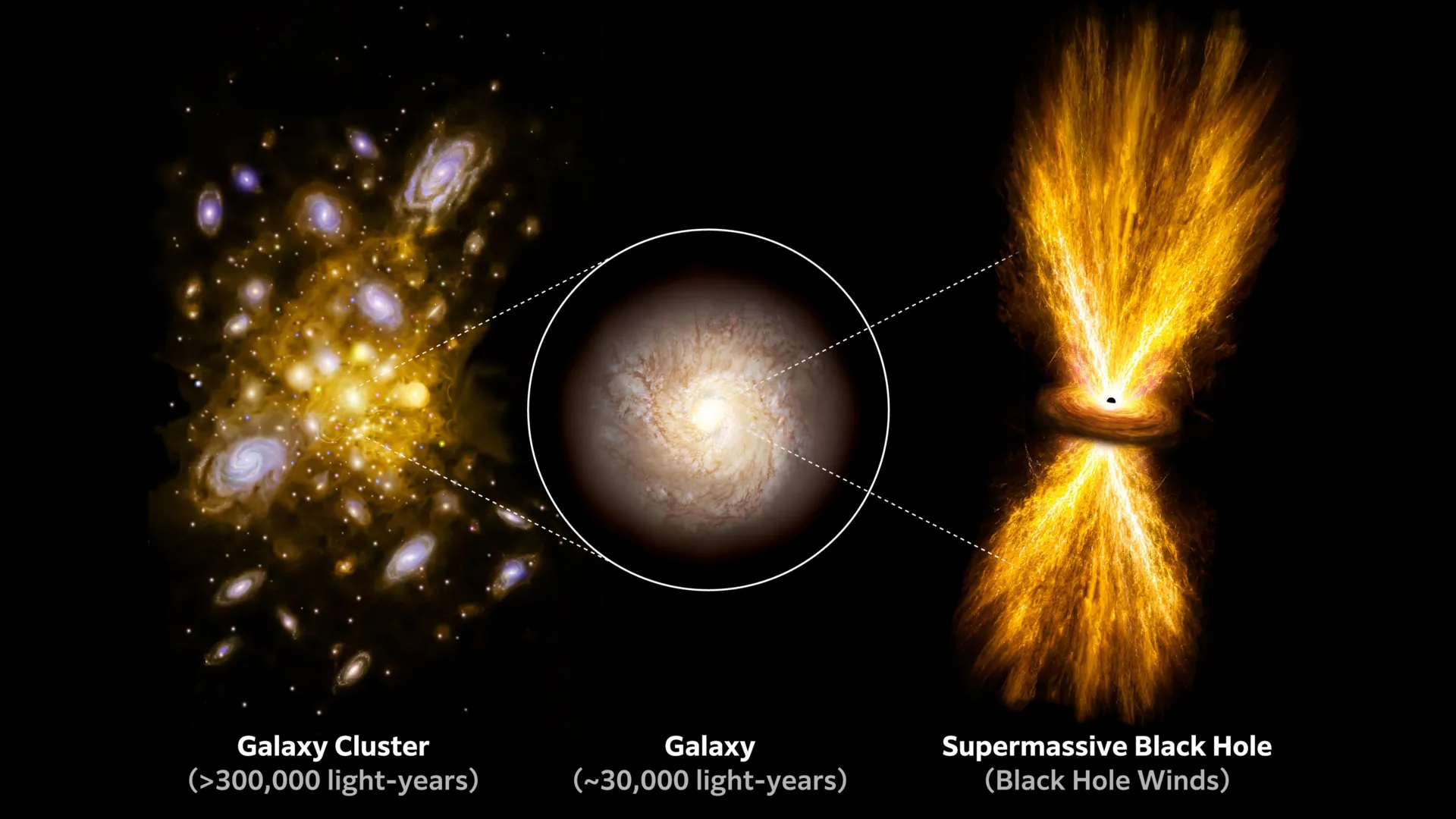
Supermassive black hole winds are 100 times more powerful than scientists thought

Astronomers have discovered that winds from a supermassive black hole are about 100 times more powerful than previously thought. XRISM observations showed the resulting turbulence spreading roughly 300,000 light-years, extending far beyond the black hole’s host galaxy. The energy involved rivals several billion supernova explosions, revealing just how dramatically black holes can influence the space around them.

Science

Astronomers just found the youngest known planet ever

Astronomers have confirmed a Jupiter-size planet less than a million years old, making Elias 2-24 b the youngest known planet and giving scientists a rare look at a world still being born. Its surprisingly rapid formation challenges leading theories about how giant planets come together, especially so far from their stars.

Topic: Astronomers | RocksNews