World
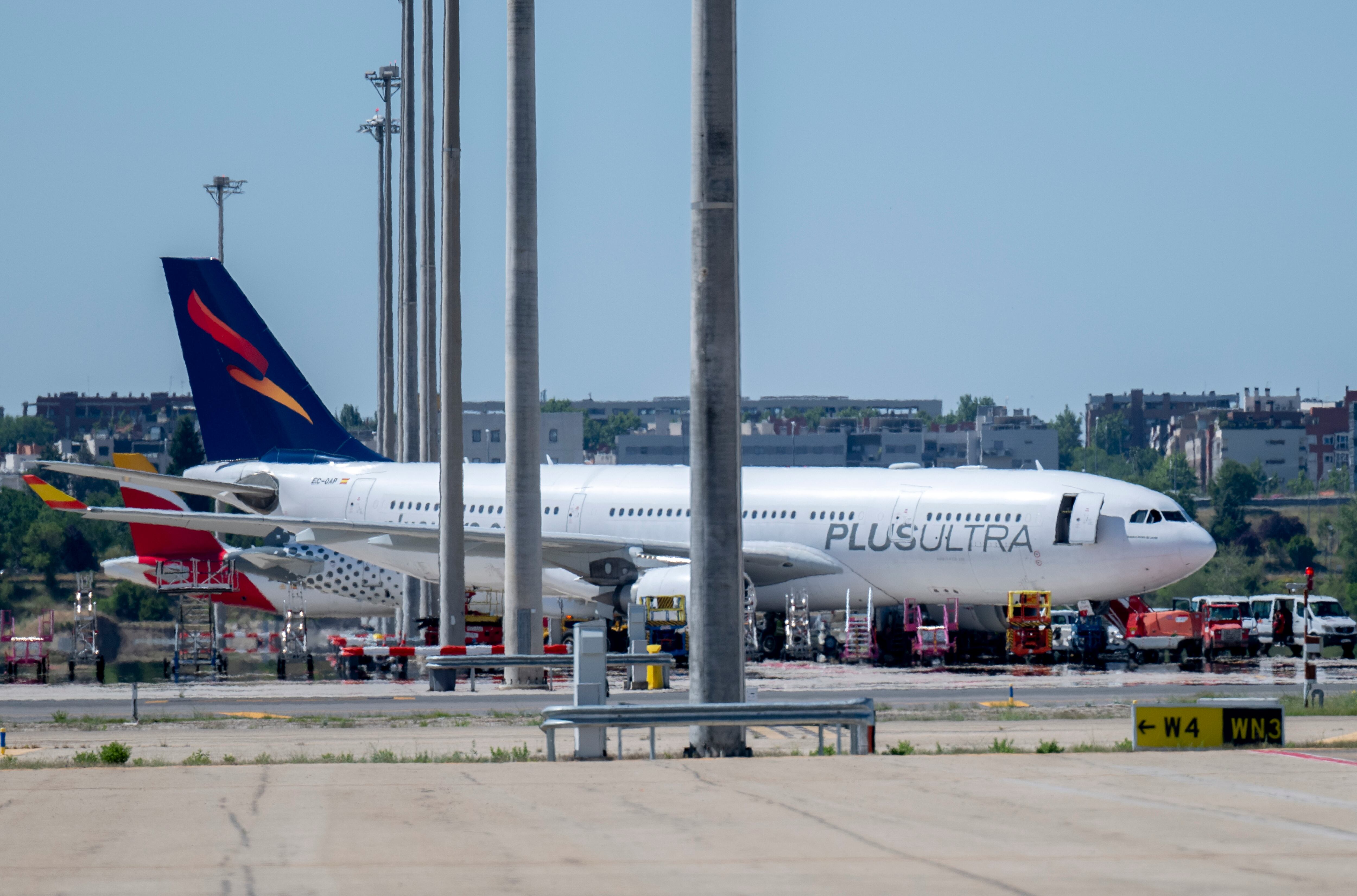
The judge releases a Dutch financier as key in the Plus Ultra case.
Verhoeven, delivered by Germany after months of search and capture, has his right not to testify and the instructor forbids him from leaving the country
International news in seven languages
Topic
Verhoeven, delivered by Germany after months of search and capture, has his right not to testify and the instructor forbids him from leaving the country
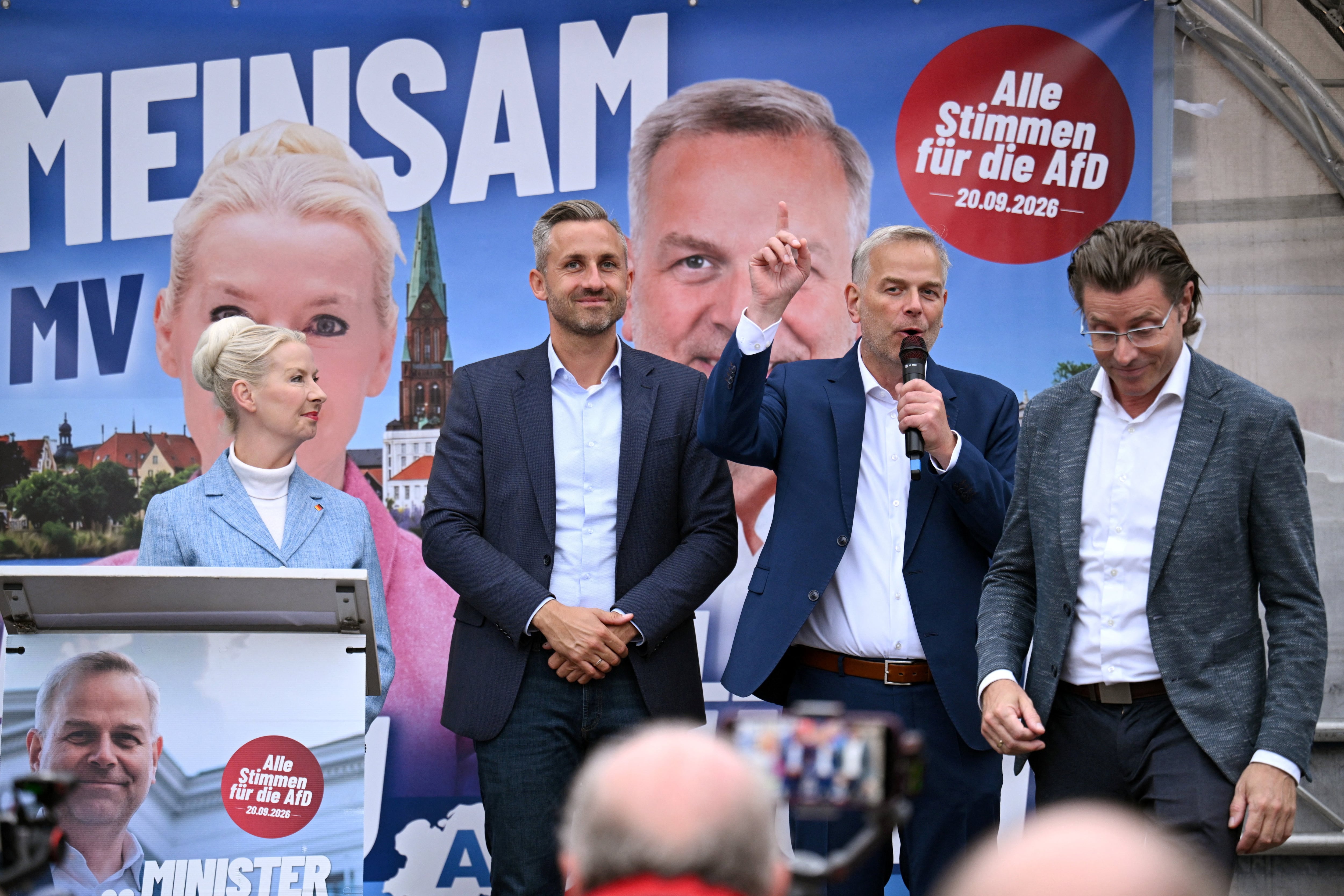
The Alternative Party for Germany, AfD, shook the political board with its triumph in two regions of the eastern part of the country.
The German extreme right double the number of seats in the 'Länder' parliaments and thus the presence of new politicians with a cloudy profile
National entities seek to preserve the land called 'output floor' and negotiate the common deposit fund
German authorities have informed the National High Court of the arrest of banker Simon Leendert Verhoeven
The collapse of the Democrats in the German elections accelerates the erosion of the centre and leaves the Chancellor in a situation of extreme fragility
Eif Eralp, of Turkish origin, will need to agree a coalition with the Greens and the SPD
Immigration, economic decline, the consequences of reunification and even the legacy of Nazism are some of the factors that experts point out to explain the vote of the East Germans.
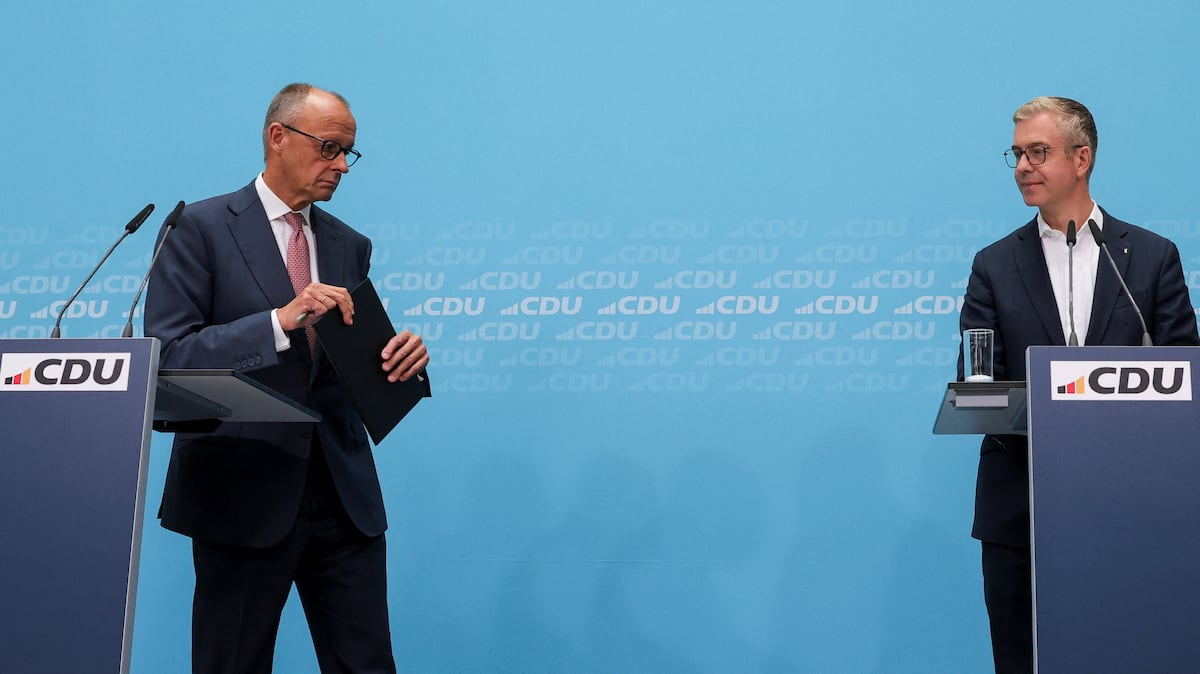
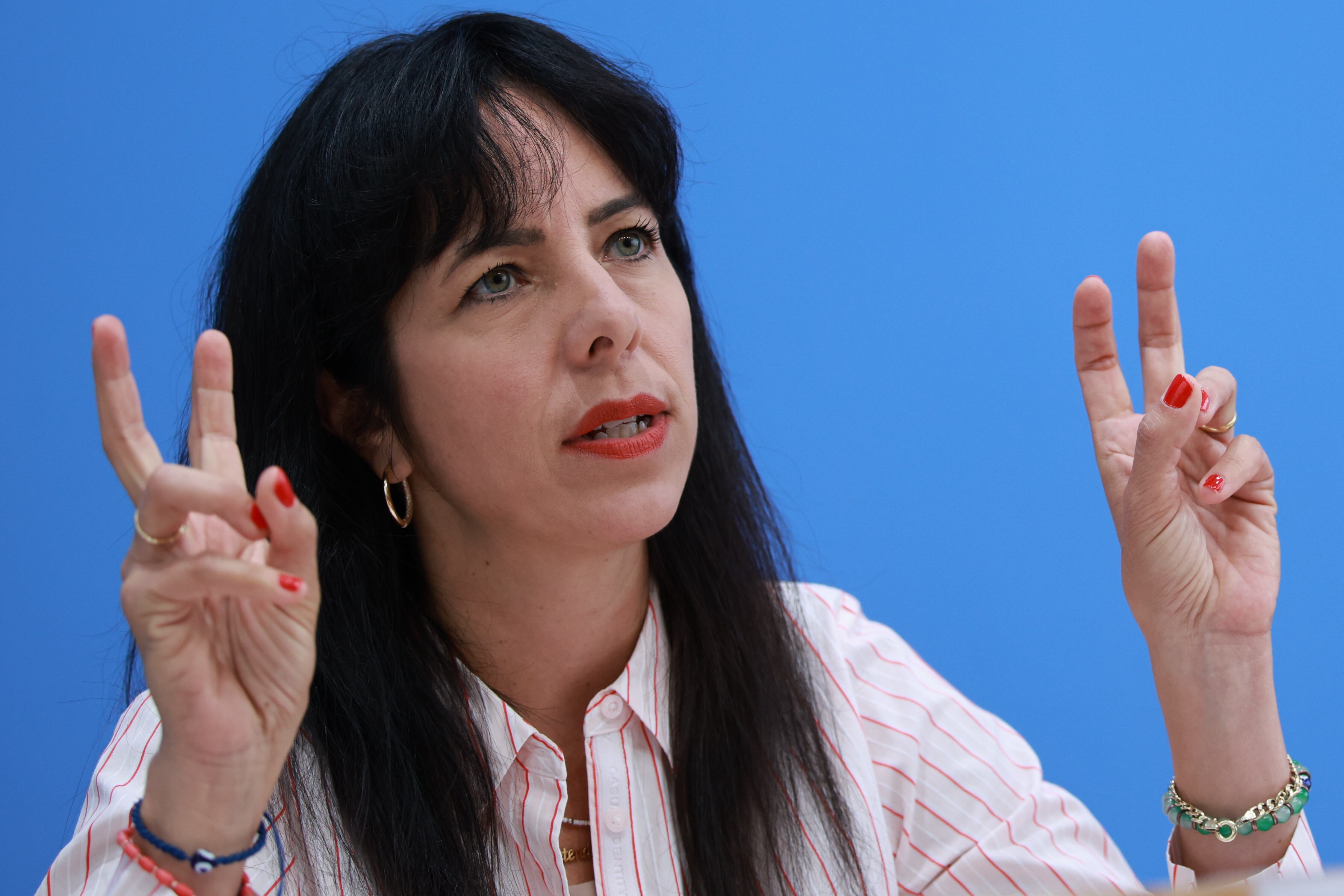
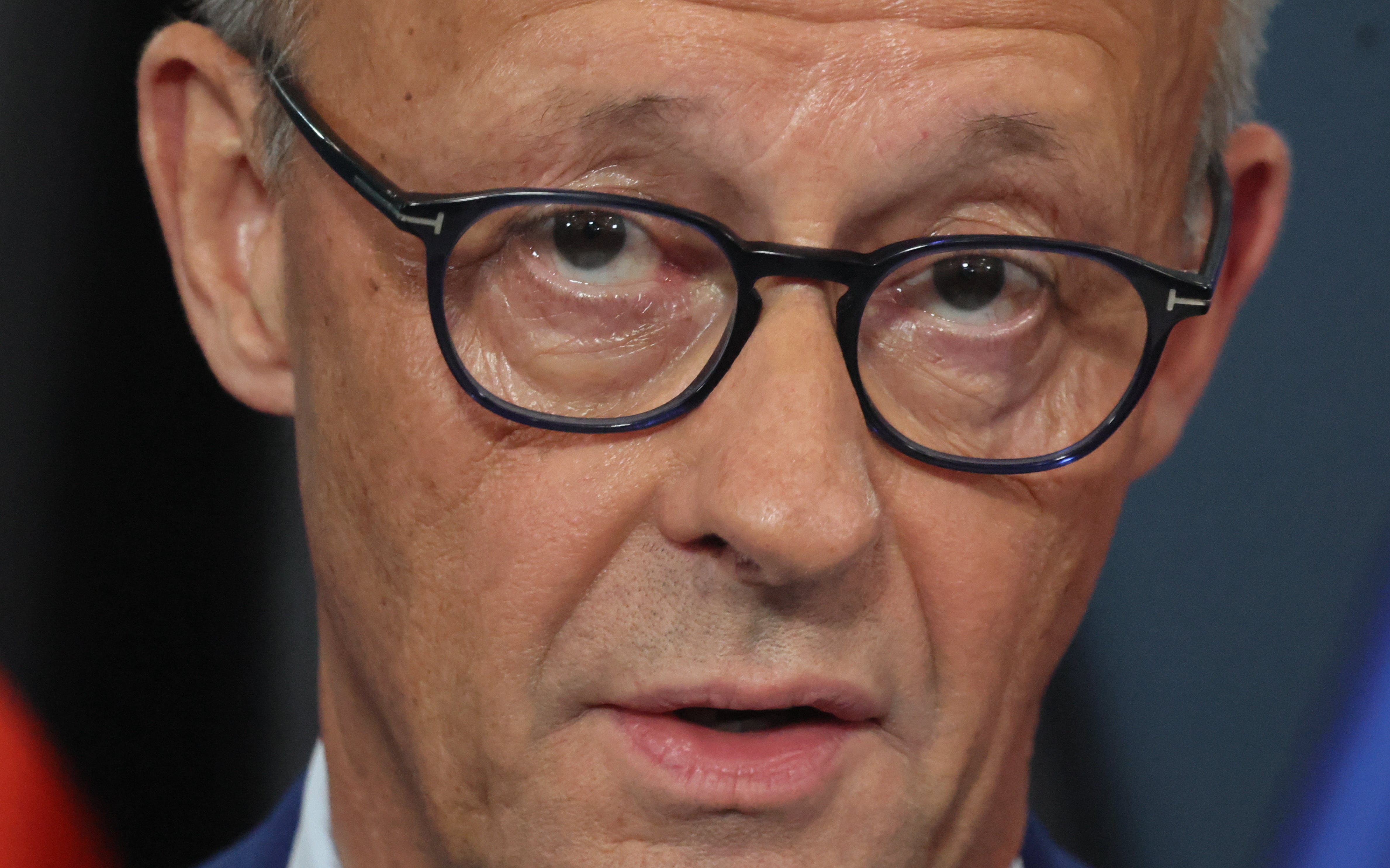
The regional elections in Germany left the CDU of Friedrich Merz in crisis, after a historical setback that the Chancellor described as "disastrous" by not reaching the 5% threshold in some states. In contrast, the ultra-right of AfD celebrated unpublished victories: its leader Alice Weidel said the party is ready to become a decisive force in the country. Meanwhile, Die Linke was consolidated in Berlin, where his candidate Elif Eralp celebrated the triumph with a message of social change.
Kremlin's spokesman, Dmitri Pessov, attributes the good data of AfD in the regional elections to social discontent with the most expensive US energy purchase
The increase in AfD will mark Berlin's position on key issues for the future of Europe in the antecedent of a super-election year
The German Government and the various political forces analyse the results of the regional elections held on 20 September: those of the Berlin Parliament and those of the Federal State of Mecklemburgo- Western Pomerania. Both votes increase the pressure on the political future of German Chancellor Friedrich Merz and show that not everything is lost to the left in the country. To discuss the subject, we discussed with Ralf Leiteritz, a polytechnist at the University of Potsdam (Germany), in El Invitado del Día de France 24.
This is one of the most shocking acts of sabotage since World War II. On the night of 26 September 2022, three of the four North Stream 1 and Nord Stream 2 pipelines exploded at the bottom of the Baltic Sea, releasing about 465,000 metric tons of methane into the atmosphere. The attack put an end to a strategic energy link between Russia and Germany. Four years later, our correspondents Anne Maillet and Nick Holdsworth go through the consequences that still persist.
The Mecklemburgo- Western Pomerania debacle leaves German Democrats out of a regional Parliament for the first time in its history
Parties such as IU, Mas Madrid, Movimiento Sumar, Pocan and ERC, as well as the movement for the right to housing, see the result of Sunday as a guarantee to their strong program to lower the rents
The AfD should not be banned or supported, but should be put in place legal limits and fought politically.
The extreme right of AfD does not stop its progress in Germany. The structural crisis that the country is in places the Chancellor under pressure
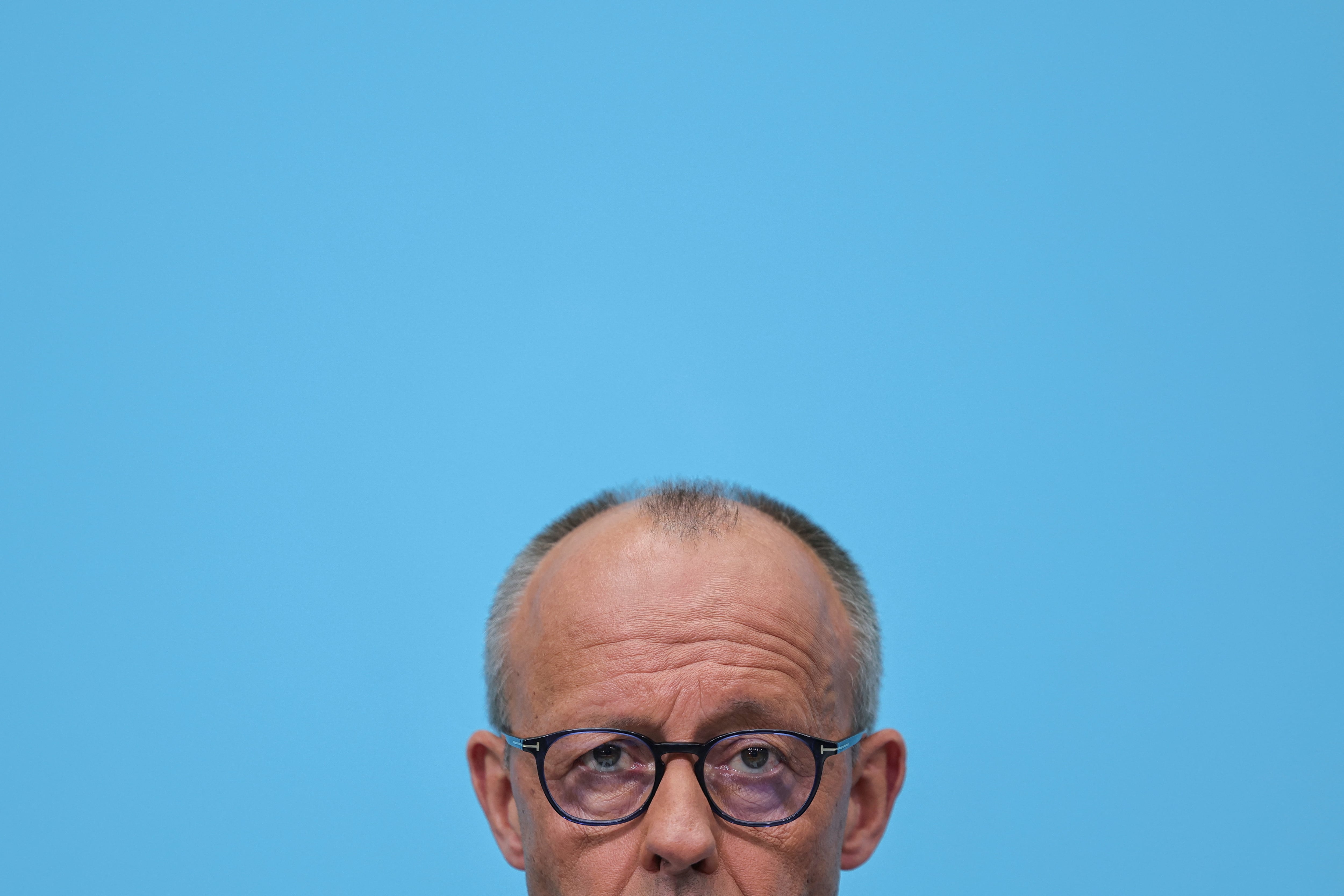
With the results at the foot of the urn, the German Chancellor, Friedrich Merz, recognized a strong defeat of his parties. While the left led the elections in Berlin, the surprise was the victory of the ultra-right party Alternative for Germany (AfD) in Mecklemburgo- Western Pomerania, strengthening its progress in the country.
The leadership of German Chancellor Friedrich Merz lies in a thread with the results of the regional elections, in which his party was defeated and the ultra-right takes strength in the country. We analyzed the future of Merz and the victory of Alternative for Germany (AfD) with Jochen Kleinschmidt, a politologist and researcher at Dresden Polytechnic University.
The German regional elections in Mecklemburgo- West Pomerania and Berlin marked the defeat of the same party: the conservative CDU, of Friedrich Merz. After the other setback suffered by the overwhelming victory of the ultra-right in Saxony-Anhalt, already described as a failure of the Chancellor's policies, can Friedrich Merz survive these two new setbacks? This is what analysts say.