Advertisement
Advertisement

Science

Physicists can’t agree on how the Universe works

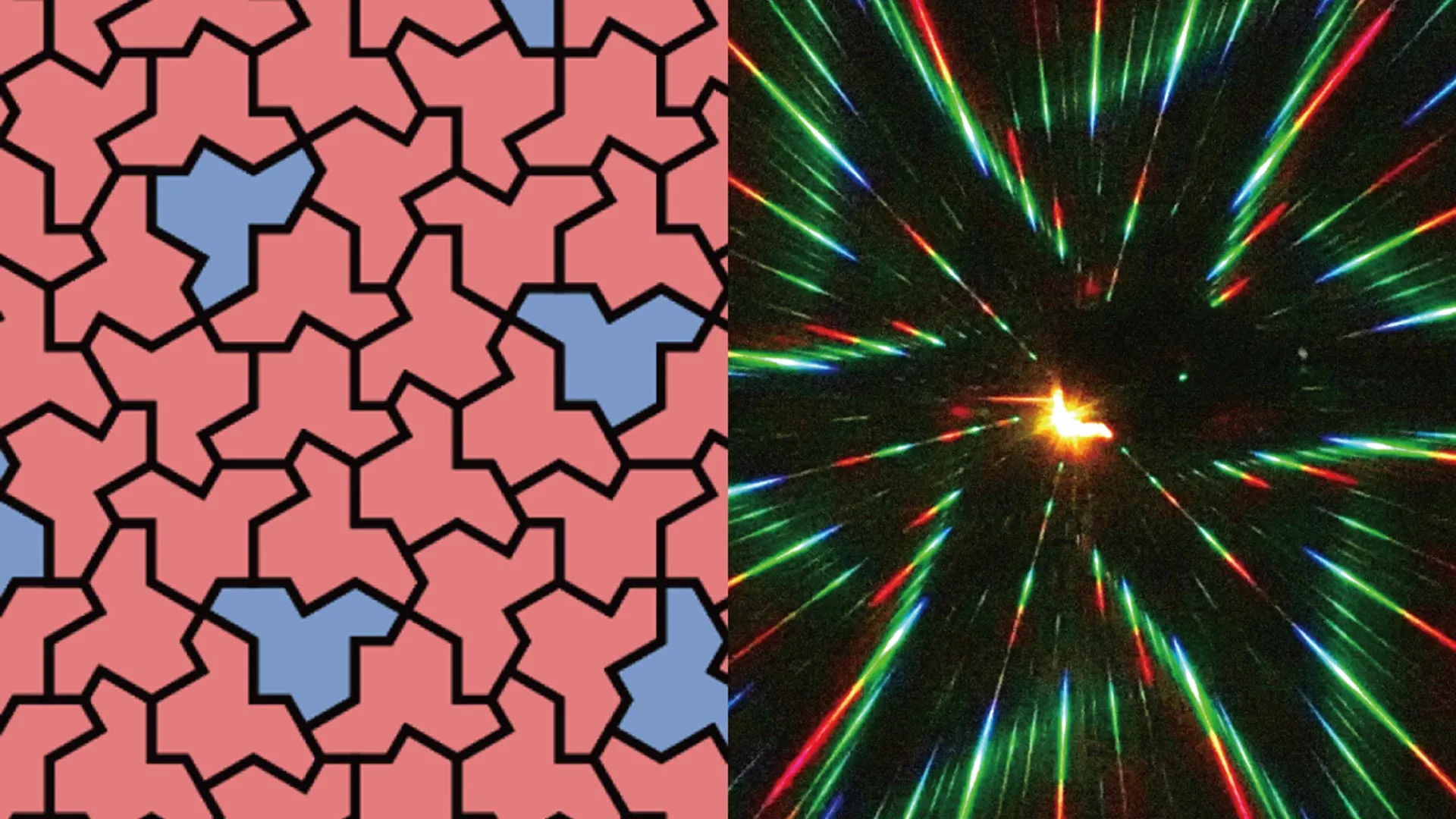
A massive worldwide survey of physicists has revealed surprisingly little agreement about some of the universe’s biggest mysteries. No majority backed the standard cosmological model, a leading explanation for dark matter, or any single theory of quantum gravity. One area of stronger agreement stood out: 68% said the Big Bang does not necessarily represent the beginning of time. Researchers say the divisions show just how alive and unsettled the frontiers of physics remain.
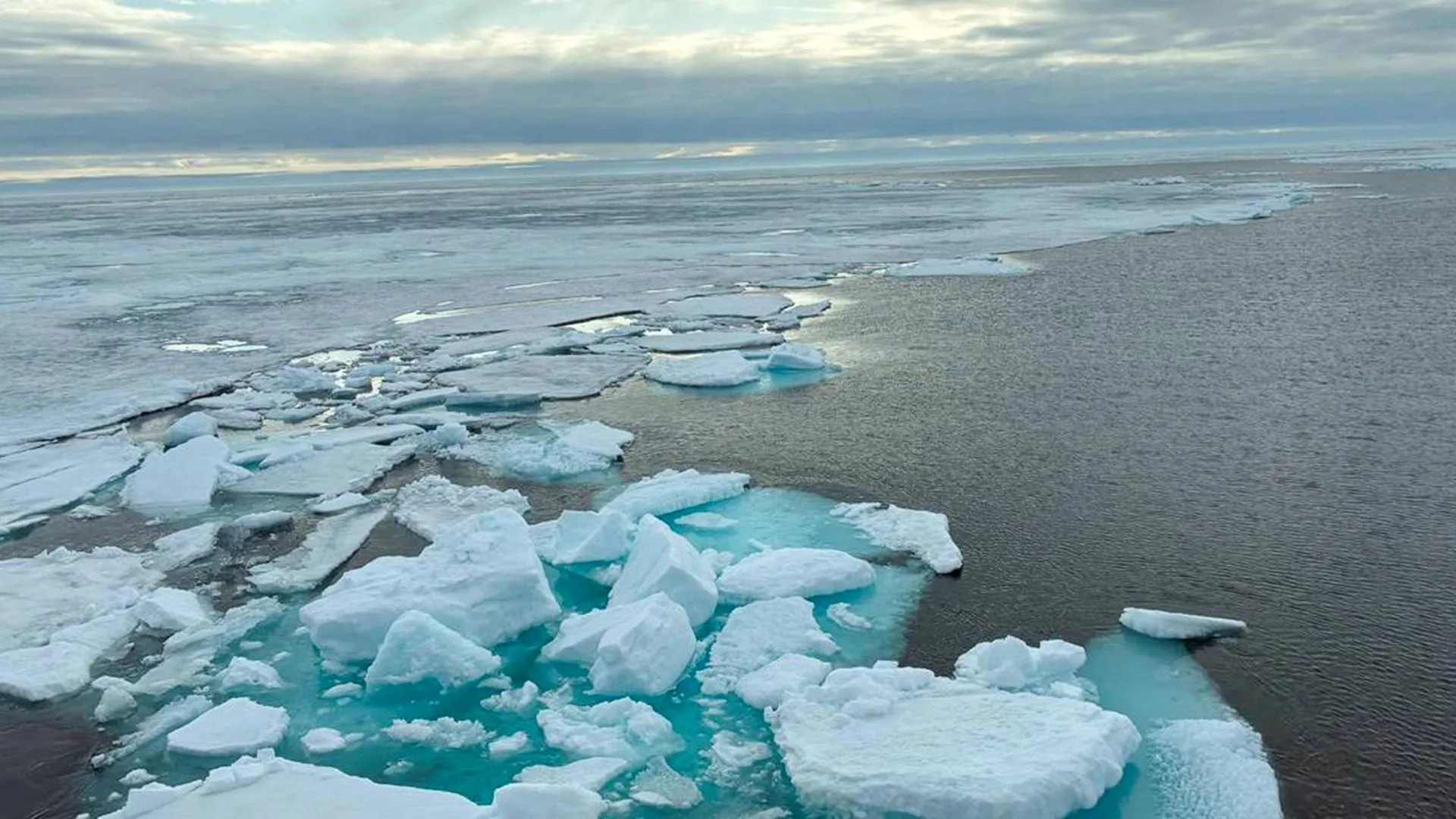

Back-to-back Arctic storms can double sea ice loss

Scientists have found that Arctic cyclones become especially destructive when several strike one after another. These storm clusters cause about twice as much sea ice loss as isolated cyclones, with impacts that persist roughly two and a half times longer. As Arctic ice becomes thinner and weaker, the damage from these storms appears to be increasing, potentially creating a feedback loop that accelerates future ice loss.

One Mount Etna eruption took weeks. Another happened in hours

Mount Etna’s ancient eruptions followed radically different paths, with some magma lingering near the surface for weeks while other magma raced upward from nearly 30 kilometers deep in just hours. Scientists traced the difference to volcanic gases such as carbon dioxide and water, offering a powerful new way to understand and potentially anticipate explosive eruptions.

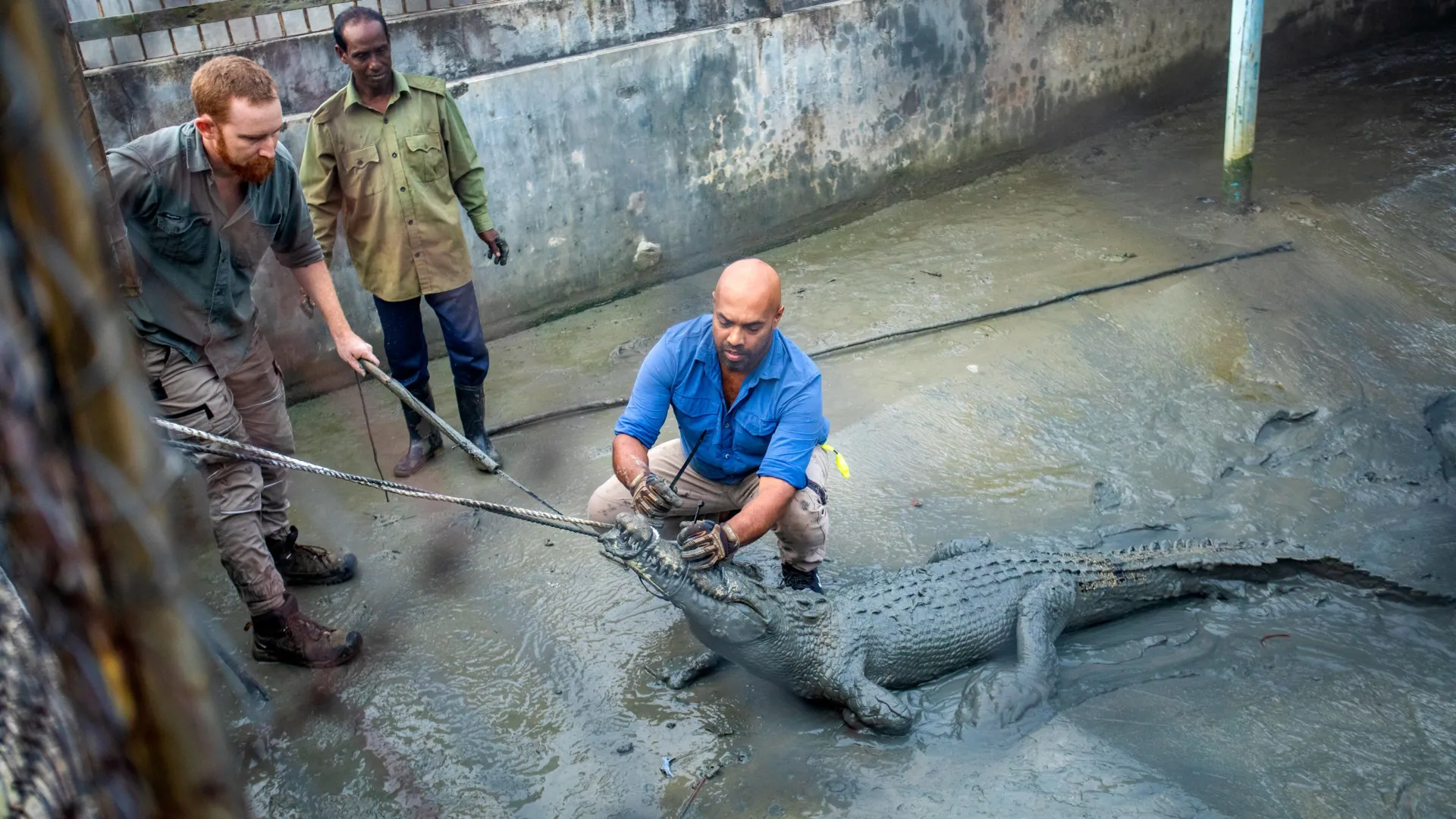
Crocodiles are famous for finding their way home. These ones didn’t

Captive-raised saltwater crocodiles released into Bangladesh’s Sundarbans surprised scientists by settling into the wild rather than trying to return to their breeding facility. The result suggests that releasing larger, mature captive crocodiles could help restore depleted populations more successfully than relying only on vulnerable hatchlings.

Popular sweetener byproduct damages DNA in human cells

Sucralose, the artificial sweetener used in Splenda, came under scrutiny after a study found that a related chemical damaged DNA and weakened the gut barrier in laboratory experiments. But later findings have complicated that alarming picture.

AI uncovers hidden Ozempic side effects across 400,000 Reddit posts

AI analysis of 400,000 Reddit posts found that users of drugs such as Ozempic, Wegovy, Mounjaro, and Zepbound reported unexpected symptoms including menstrual changes, chills, hot flashes, and fatigue. Researchers cannot say the medications caused these problems, but the patterns may reveal overlooked signals worth studying.

Advertisement

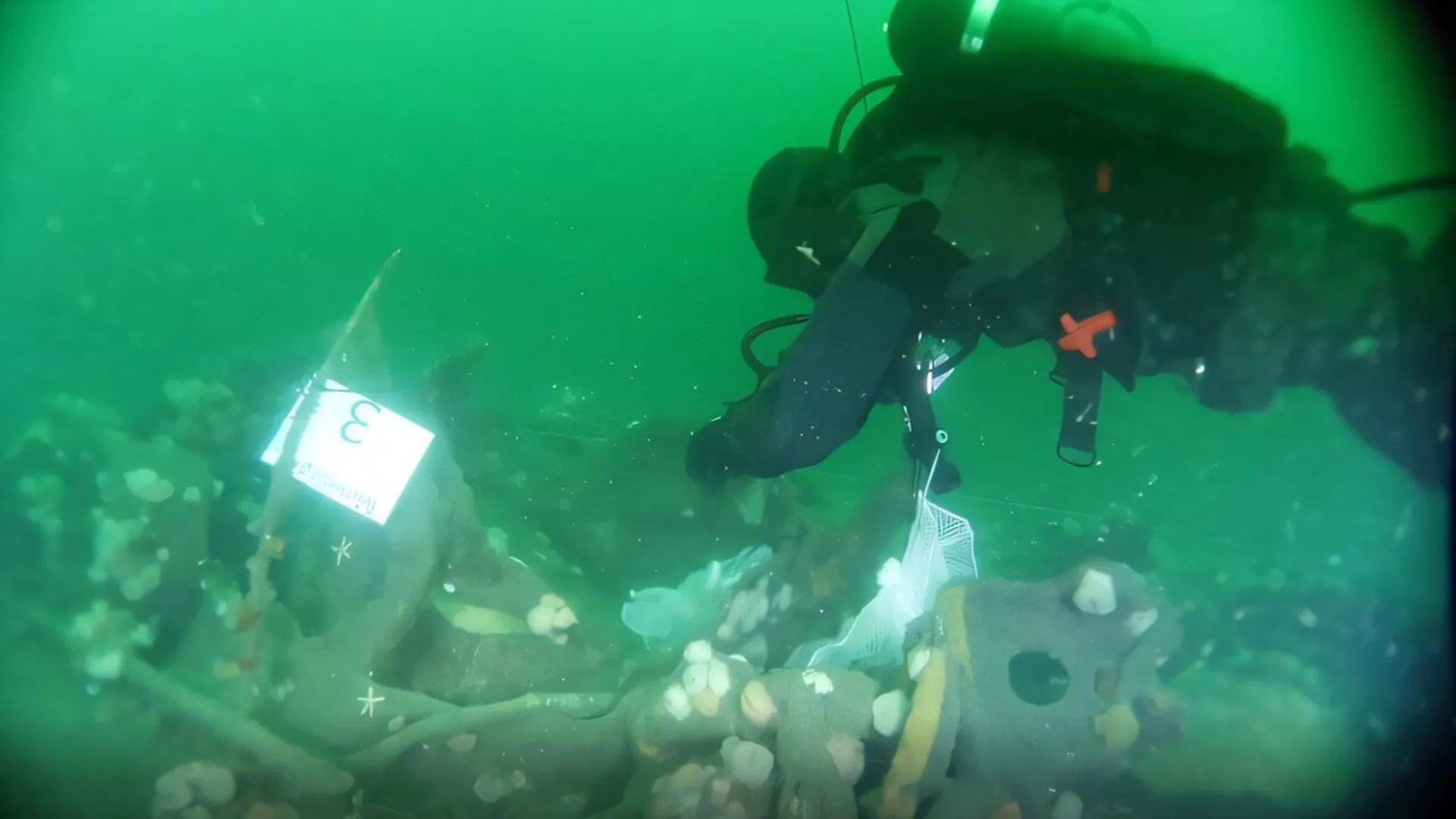
This German submarine sank in 1917. It’s still leaking TNT

A World War I submarine wreck off Denmark is leaking TNT into the surrounding water, seabed, and marine life more than a century after it sank. Scientists warn that thousands of similar wrecks could pose growing environmental risks as they continue to corrode.

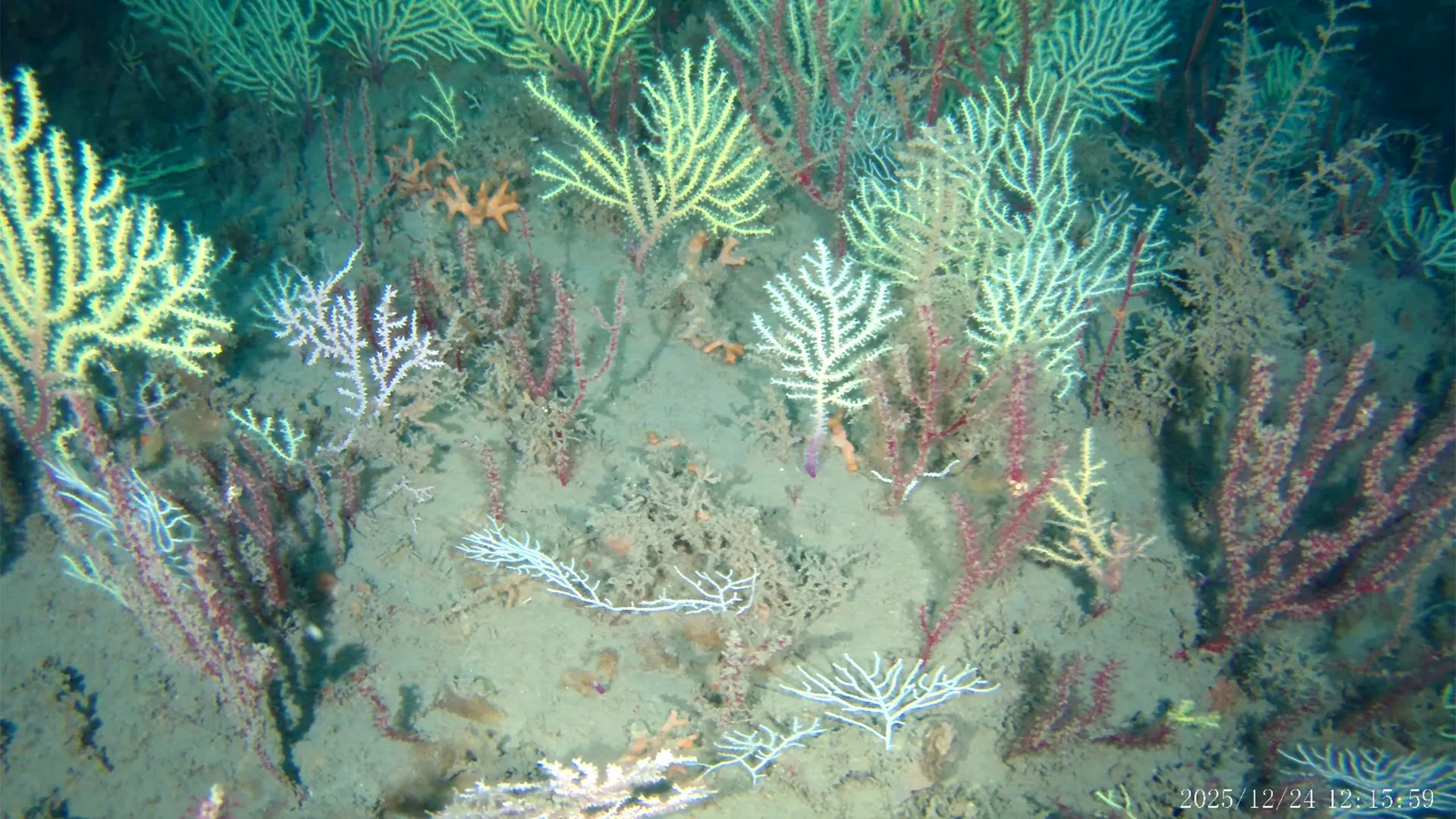
A coral reef thought dead for 60 years is teeming with life

More than 60 years after surveys suggested a deep coral reef off Benin was probably dead, scientists have found it alive. Cameras revealed healthy-looking coral patches supporting multiple fish species more than 50 meters beneath the surface. The discovery suggests West Africa’s coastal waters may contain other overlooked reefs that have yet to be documented.

Chemistry textbooks have been getting this wrong for nearly 100 years

A foundational chemistry concept found in textbooks for almost 100 years may have been taught incorrectly. Researchers say the inductive effect in neutral molecules appears to extend only across one chemical bond, rather than gradually weakening over three or four bonds as traditionally taught. The team argues that updating this explanation could make organic chemistry easier to understand and provide a stronger foundation for future research and innovation.

Cancer is rising in younger adults. Faster biological aging may help explain why

Cancer rates are rising in adults under 55, and new research suggests accelerated biological aging may be one piece of the puzzle. Scientists found that people from more recent generations tended to have bodies that appeared biologically older than those of earlier generations at the same chronological age. Greater biological age acceleration was linked to a higher risk of early onset cancers, with specific patterns seen for lung, gastrointestinal, uterine and colorectal cancers.

Plague was killing entire families thousands of years before the Black Death

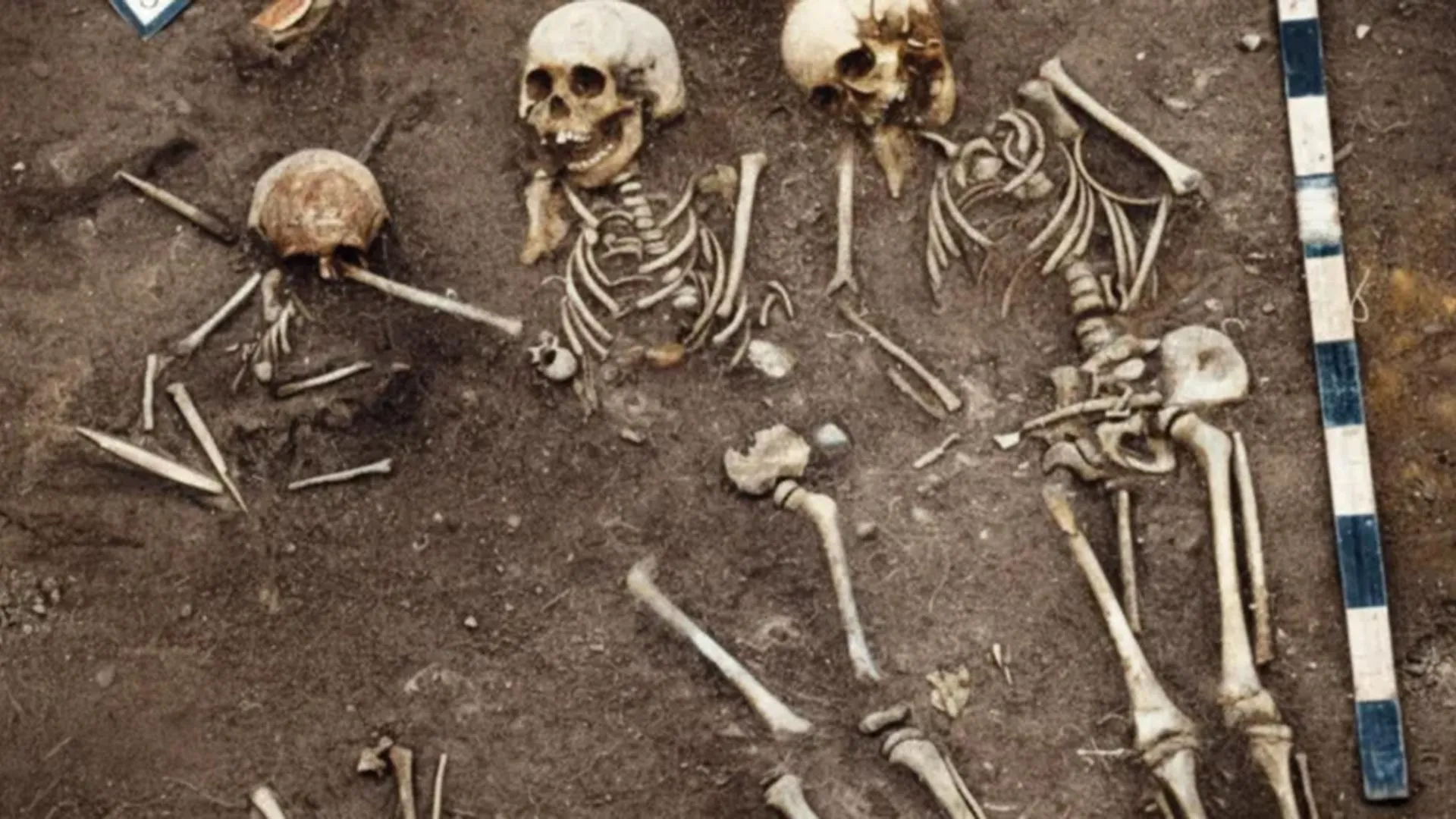
Ancient DNA reveals that plague was already killing hunter-gatherers in Siberia 5,500 years ago, long before cities and flea-driven epidemics. The prehistoric strains may have been especially dangerous because they carried a genetic factor capable of provoking severe immune reactions.

Nearly 10,000 patients reveal what works best for knee arthritis pain relief

A major analysis of 139 clinical trials involving nearly 10,000 people suggests that some of the simplest treatments may work best for knee osteoarthritis. Knee braces ranked highest overall for reducing pain, stiffness, and mobility problems, while water-based therapy was especially effective for pain and regular exercise consistently improved both pain and physical function. More high-tech approaches, including ultrasound, generally performed worse.

Supermassive black hole winds are 100 times more powerful than scientists thought

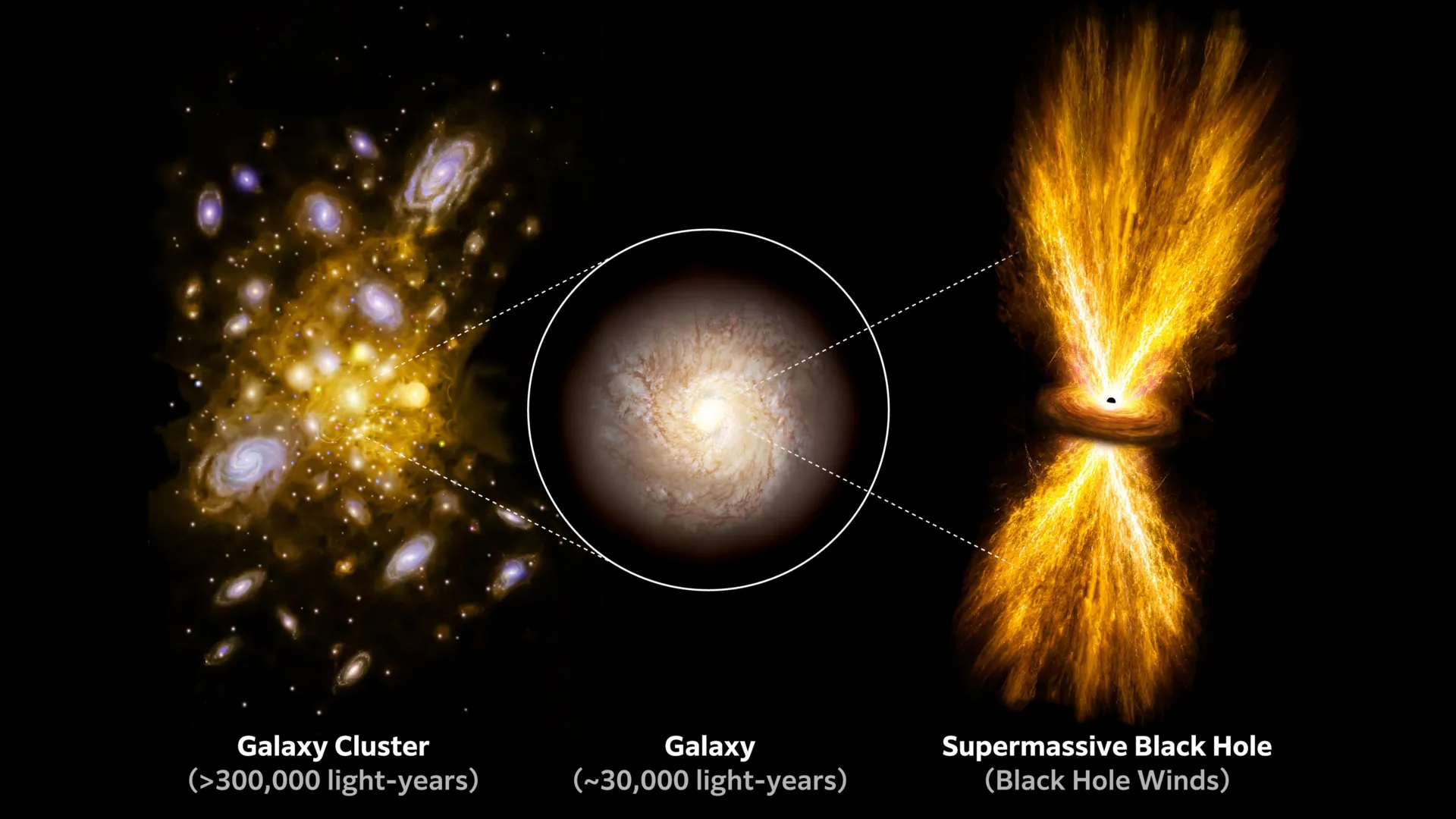
Astronomers have discovered that winds from a supermassive black hole are about 100 times more powerful than previously thought. XRISM observations showed the resulting turbulence spreading roughly 300,000 light-years, extending far beyond the black hole’s host galaxy. The energy involved rivals several billion supernova explosions, revealing just how dramatically black holes can influence the space around them.

Advertisement

UV light reveals possible camouflage on a 125-million-year-old crocodile

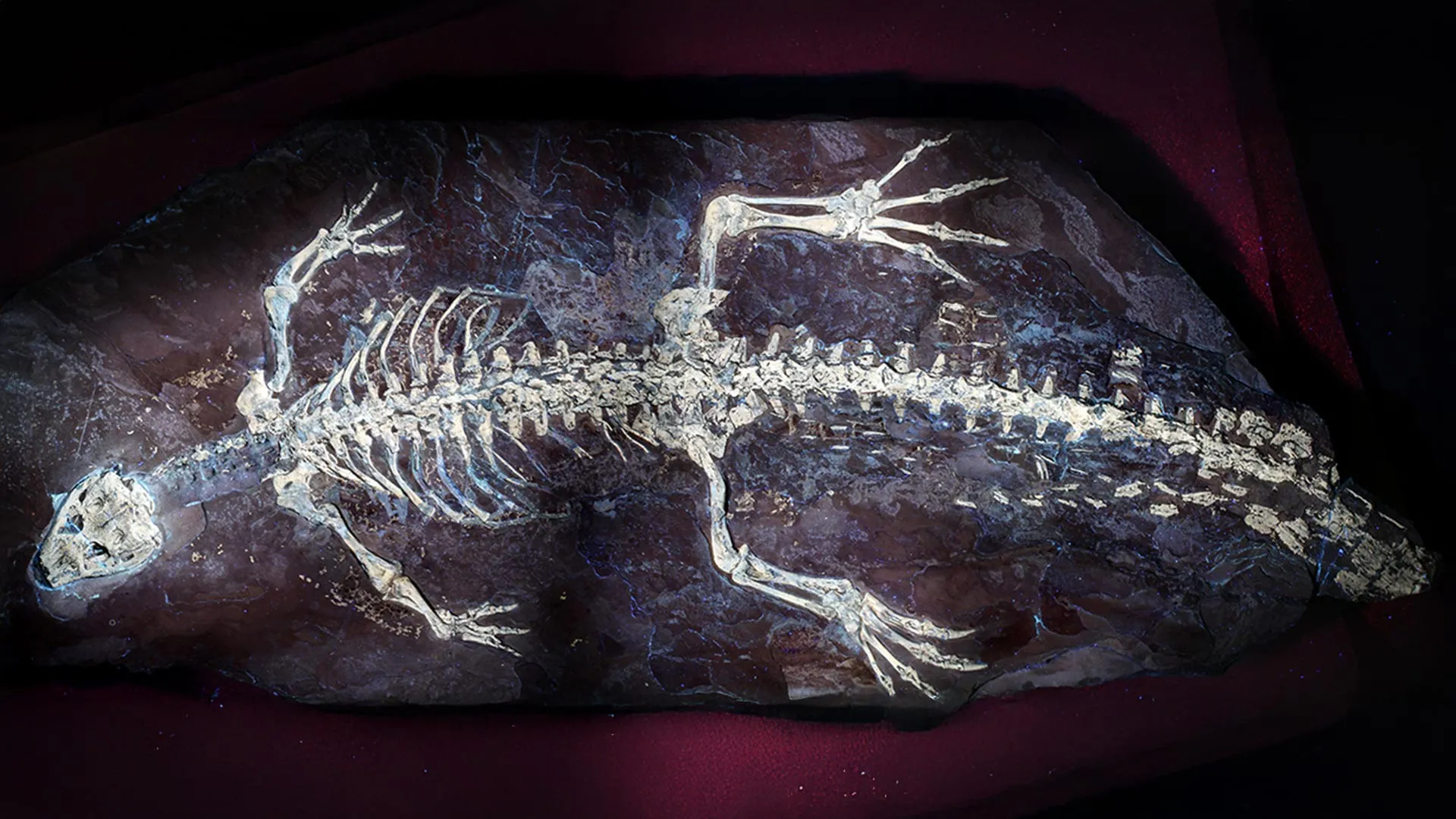
A 125-million-year-old crocodile fossil has revealed preserved skin, possible sensory organs, sophisticated respiratory structures, and an unexpected pattern on its tail. Ultraviolet light exposed alternating bands that may represent ancient camouflage, potentially preserving the oldest known coloration in a crocodylomorph.

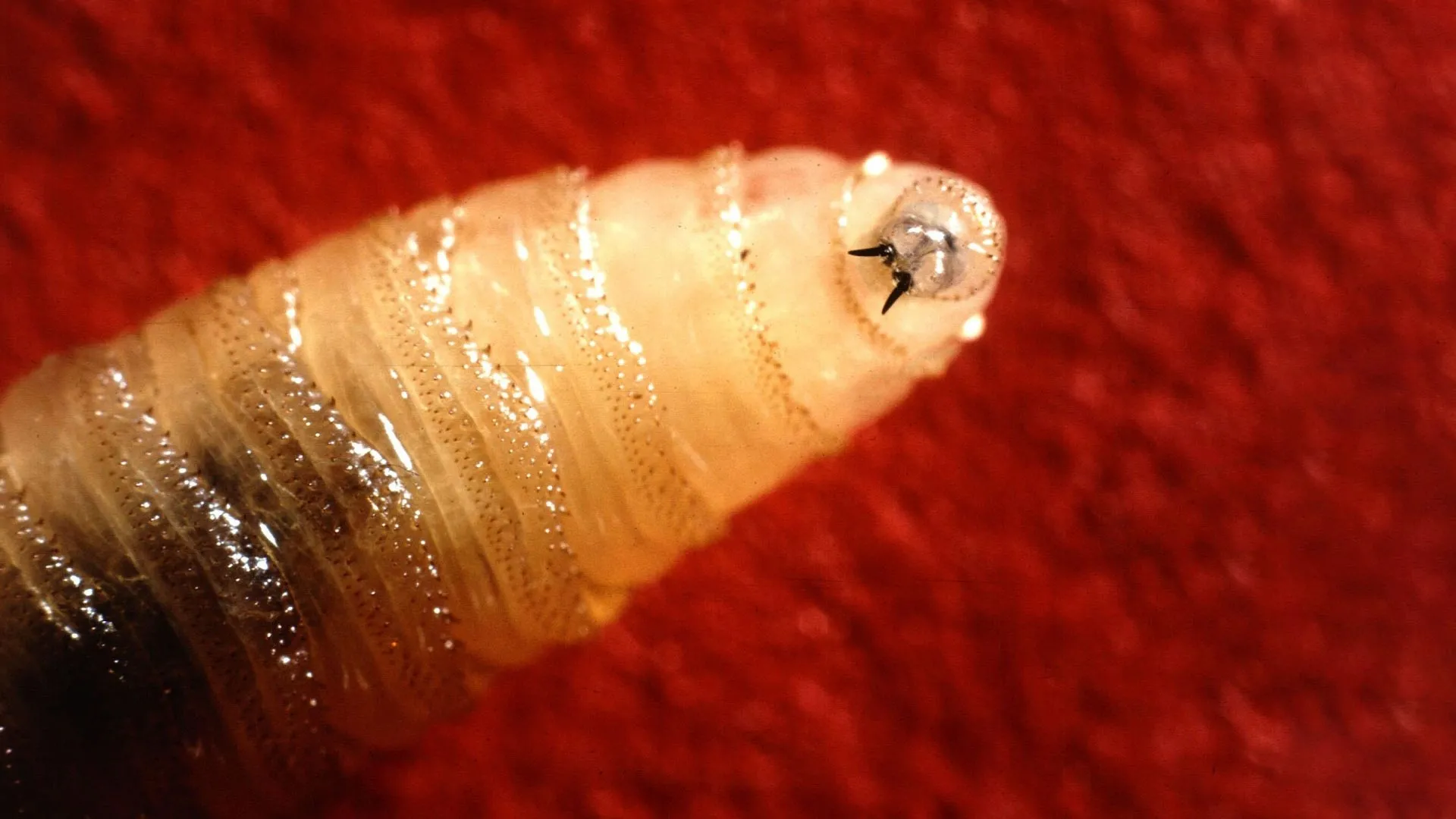
The U.S. Eradicated this flesh-eating parasite. Now it’s back

The flesh eating New World screwworm has returned to the United States, threatening livestock, wildlife, pets and potentially people as it spreads north. A new UC San Diego tracking system aims to predict where the parasite could strike next while officials revive the eradication strategy that defeated it decades ago.

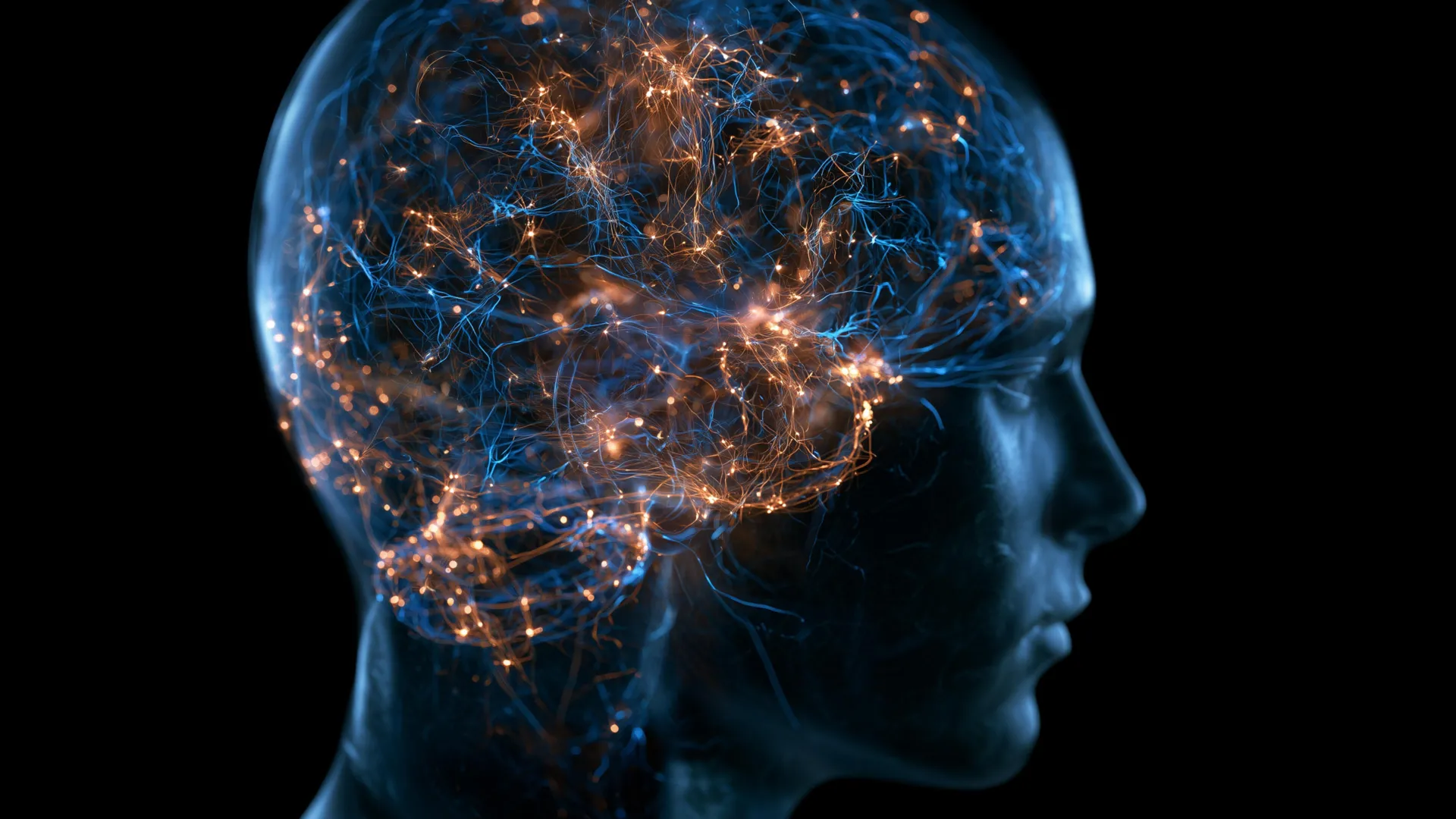
Scientists discover a major brain shift between ages 50 and 75

Scientists have uncovered sweeping changes in how the human brain controls and organizes its genome beginning in midlife, offering new clues to why aging sharply increases the risk of Alzheimer’s and other neurodegenerative diseases. One of the biggest shifts occurred between about ages 50 and 75, when many of the brain’s original immune cells declined and were replaced by cells with more inflammatory characteristics. Researchers also found weakening of cells that help maintain the blood-brain barrier, along with widespread deterioration in the genome’s three-dimensional organization.

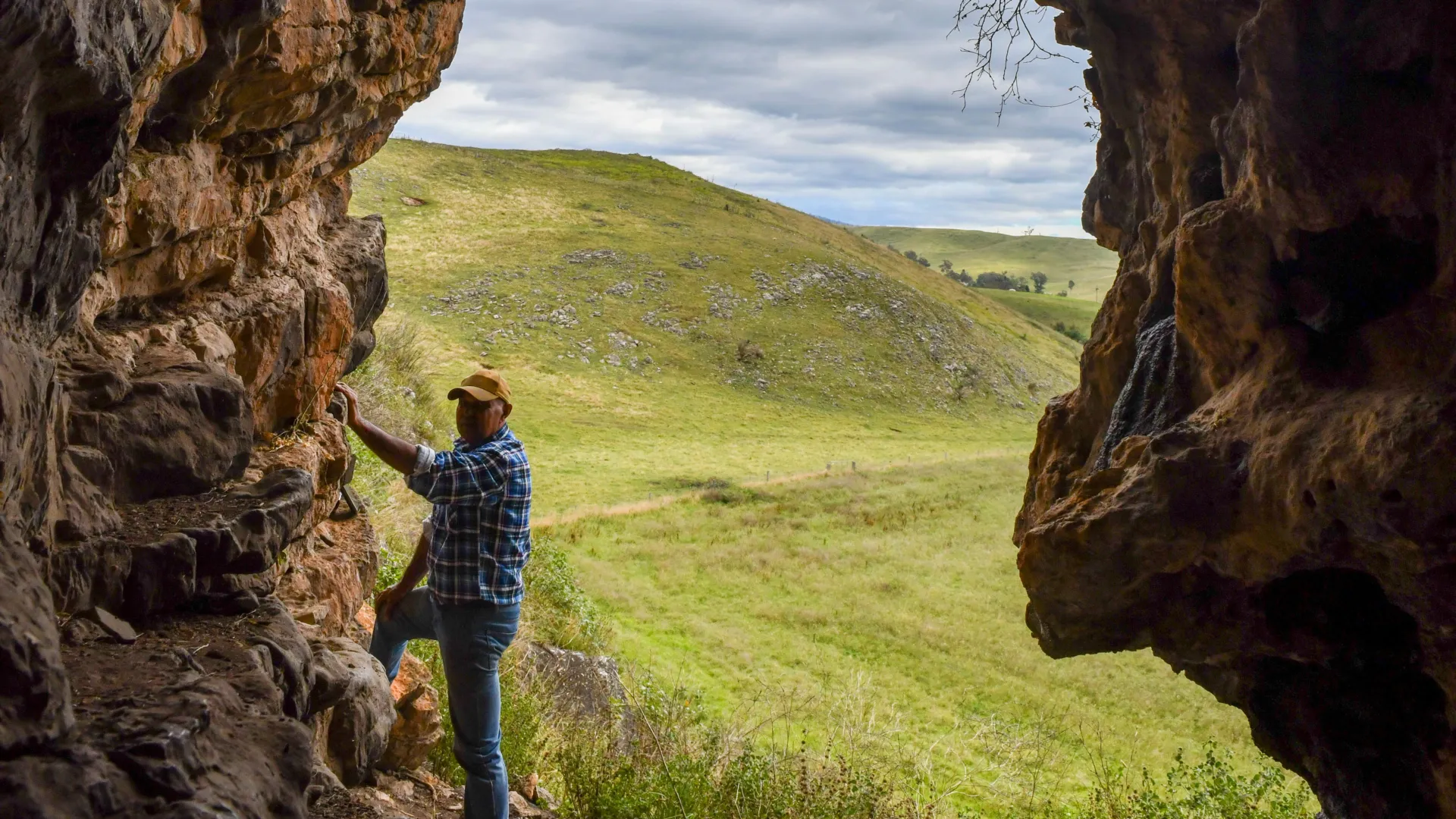
This Australian cave hid 25,000 years of ritual secrets

Microscopic plant remains are revealing how GunaiKurnai ancestors used Cloggs Cave for ritual practices over thousands of years. People deliberately gathered whole grasses, carried them into the dark cave, and burned them in thin layers, leaving behind traces that may span 25,000 years. A standing stone erected around 2,000 years ago and other ritual objects strengthen the evidence that the cave was a long-lived spiritual site.