More than 170,000 respiratory cases recorded in haze-choked Indonesia
More than 40,000 of the cases – which range from mild coughs to pneumonia – involve toddlers.
International news in seven languages
More than 40,000 of the cases – which range from mild coughs to pneumonia – involve toddlers.
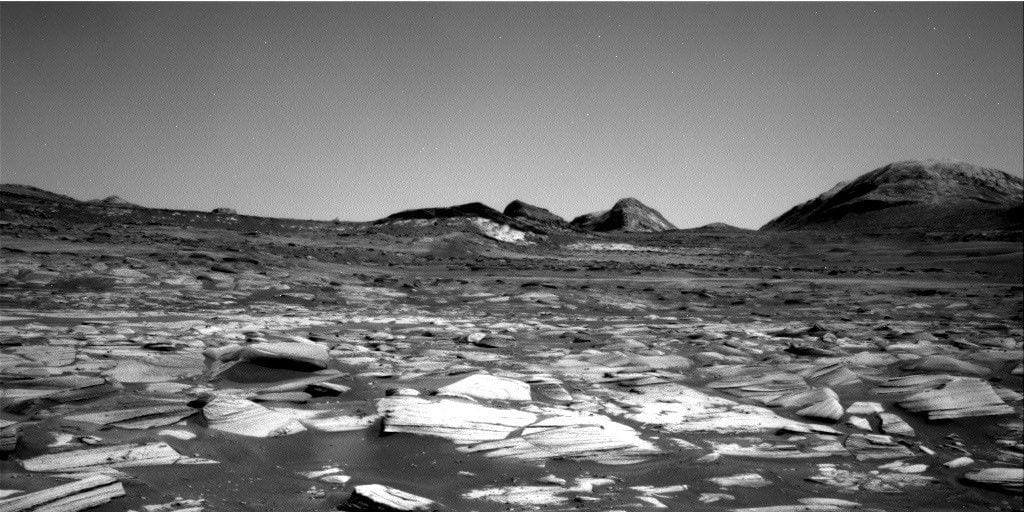
Catherine O’Connell-Cooper, APXS Strategic Planner and Payload Uplink/Downlink Lead, University New Brunswick, NB, Canada Earth planning date: Friday, Sept. 11, 2026 This week we had two planning days (Tuesday and Friday), as Monday was Labor Day in North America, where many of the Curiosity team are based. Labor Day (the first Monday in September) marks […]
The incident with three Madrid football players who did not participate in an act of solidarity with Ceuta reveals a conflict between certain initiatives and the consciousness of each
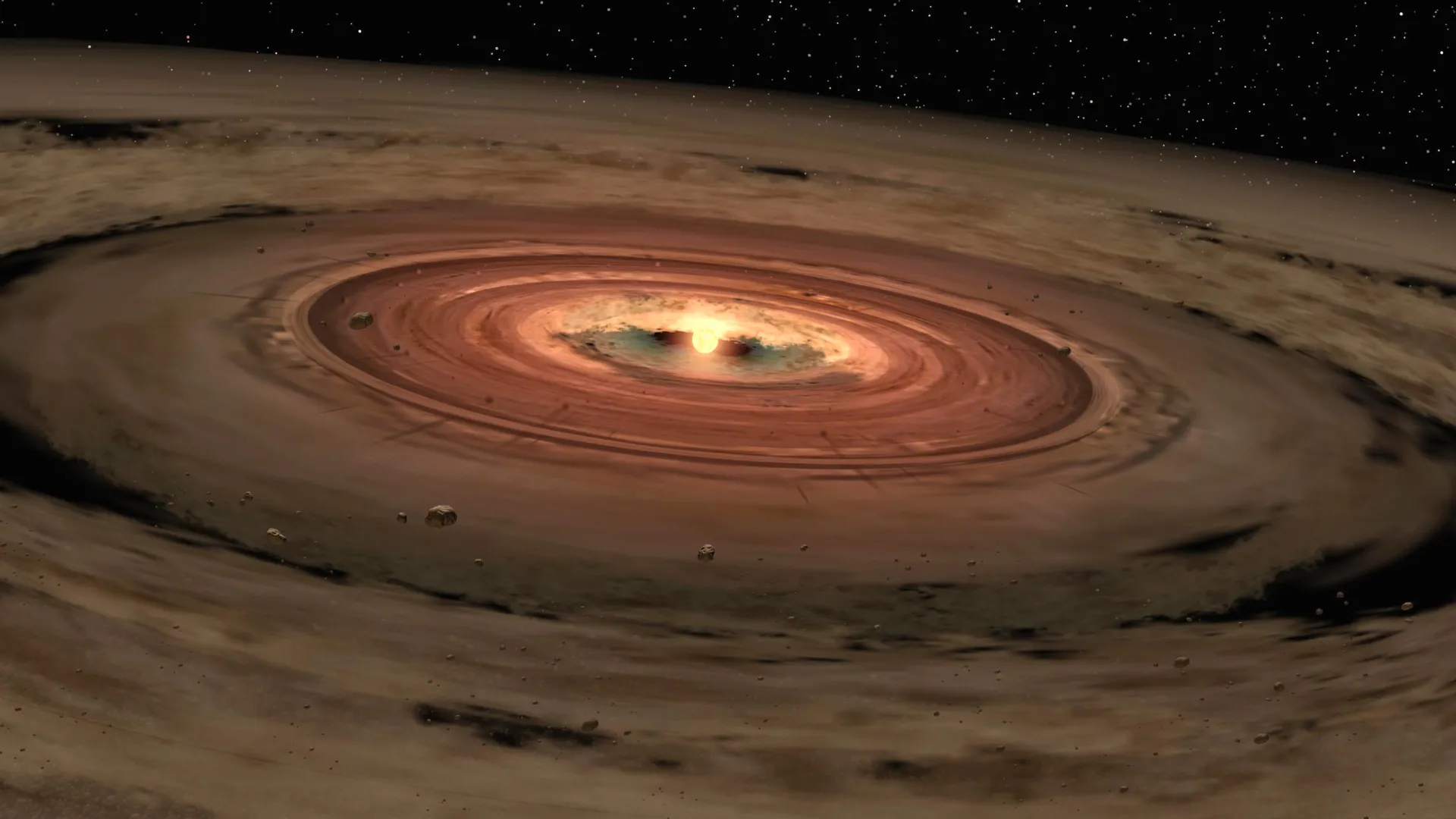
Ancient iron meteorites reveal that some of the Solar System’s first solid bodies were built mostly from tiny heat-forged rock beads called chondrules, while water-rich dust was largely excluded. The finding pushes this selective planet-building process back to within the Solar System’s first million years.
Physicists searching through Large Hadron Collider data found no evidence that the machine has been producing microscopic quantum black holes, but the result sharply narrows where such exotic physics could still be hiding. These hypothetical black holes could form if extra spatial dimensions make gravity much stronger at extremely tiny scales, potentially offering clues toward the long-sought theory of quantum gravity.
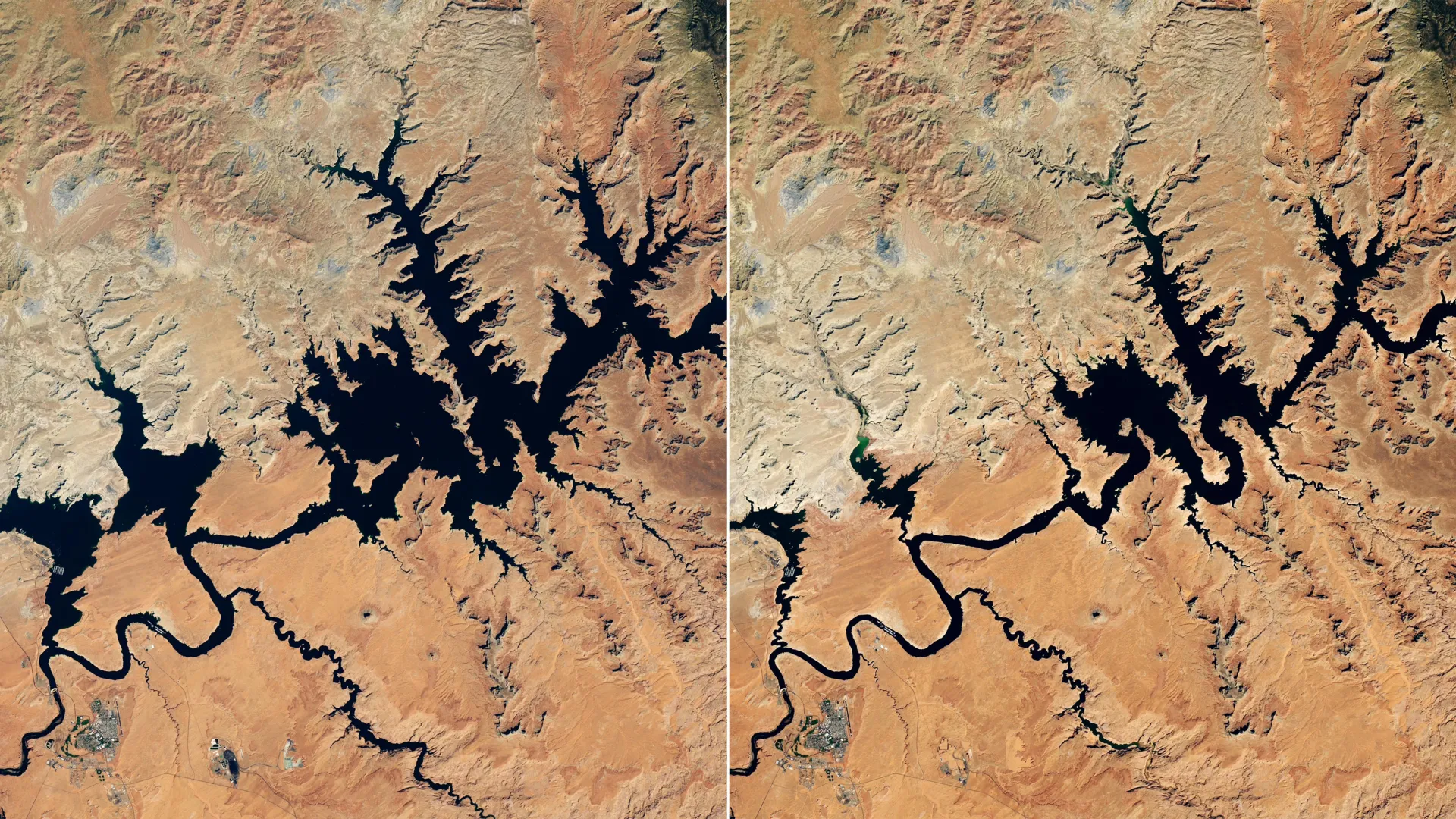
Lake Powell has fallen to its lowest level on record after an exceptionally dry and warm winter left the Colorado River Basin with little mountain snow to melt. Lake Mead also reached record lows, raising concerns for a river system that supplies water and power to more than 40 million people. Federal officials have taken emergency steps to stabilize Lake Powell, including sending in water from another reservoir and reducing releases downstream.
India has rapidly decarbonised electricity generation, but its gains are tempered by transmission shortages.
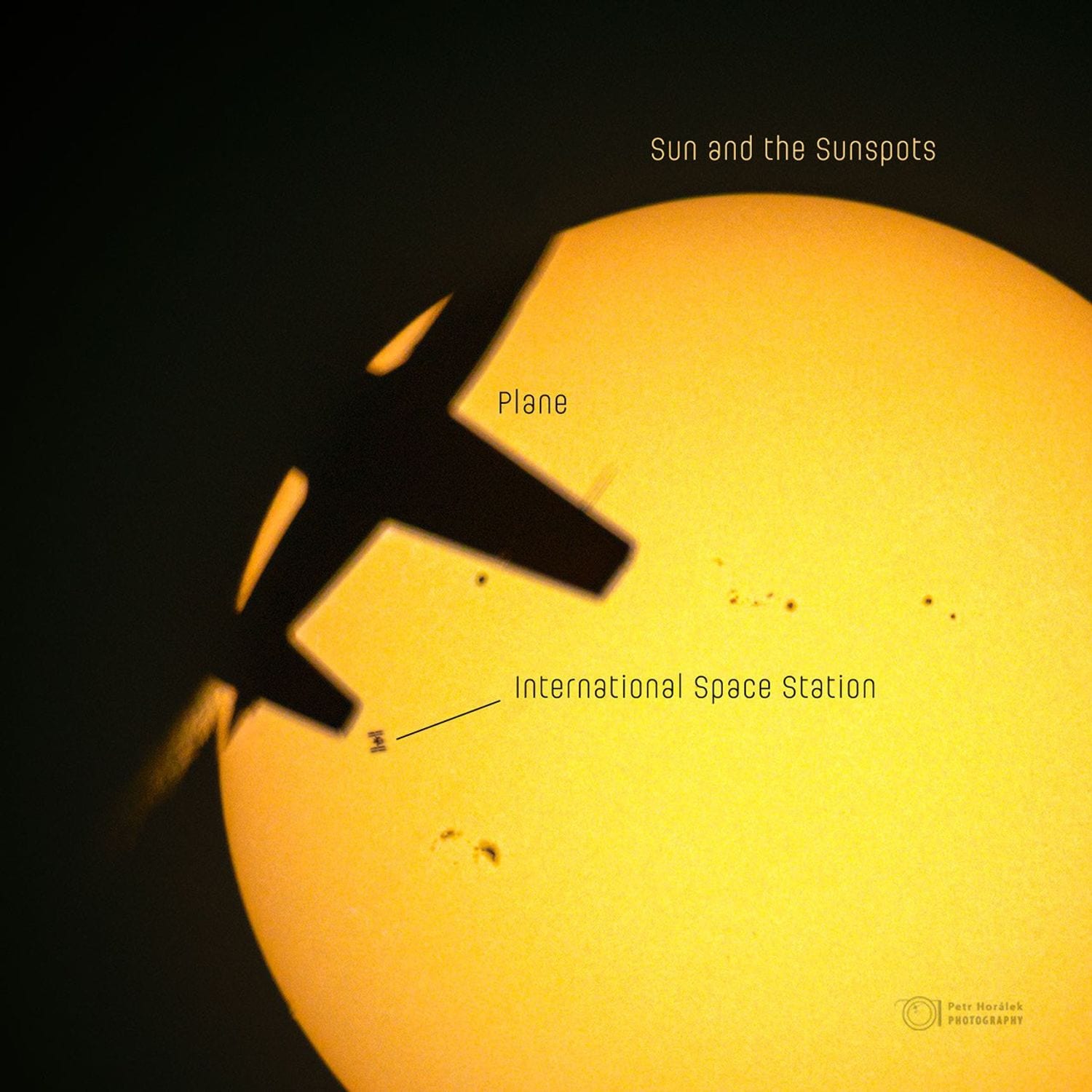
APOD Science APOD APOD: 2026 September 22 –… Today’s APOD Archive Submissions Index Search Calendar RSS Education About Discuss APOD Astronomy Picture of the Day Discover the cosmos! Each day a different image or photograph of our fascinating universe is featured, along with a brief explanation written by a professional astronomer. Chance Triple Alignment: […]
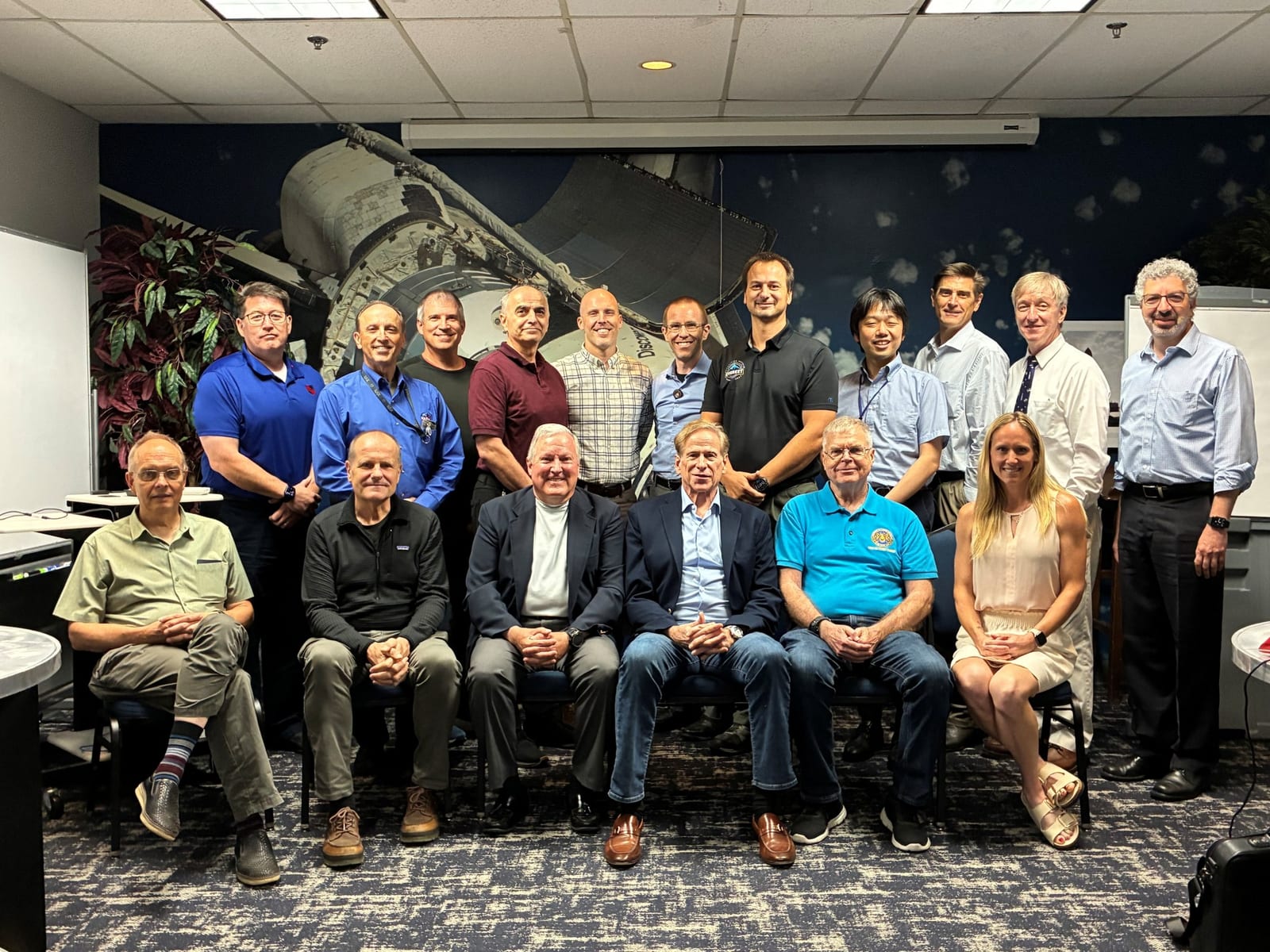
NASA’s Office of the Chief Health and Medical Officer formed a working group in August 2026 to review the most recent data related to extravehicular activity (EVA) prebreathe testing and decompression sickness (DCS) events, venous thromboembolism (VTE) in-flight occurrences, and patent foramen ovale (PFO) implication as they relate to NASA’s Artemis (lunar and beyond) missions. The recommendations from this working group are built upon and integrate the outcomes of previous working groups hosted by OCHMO.
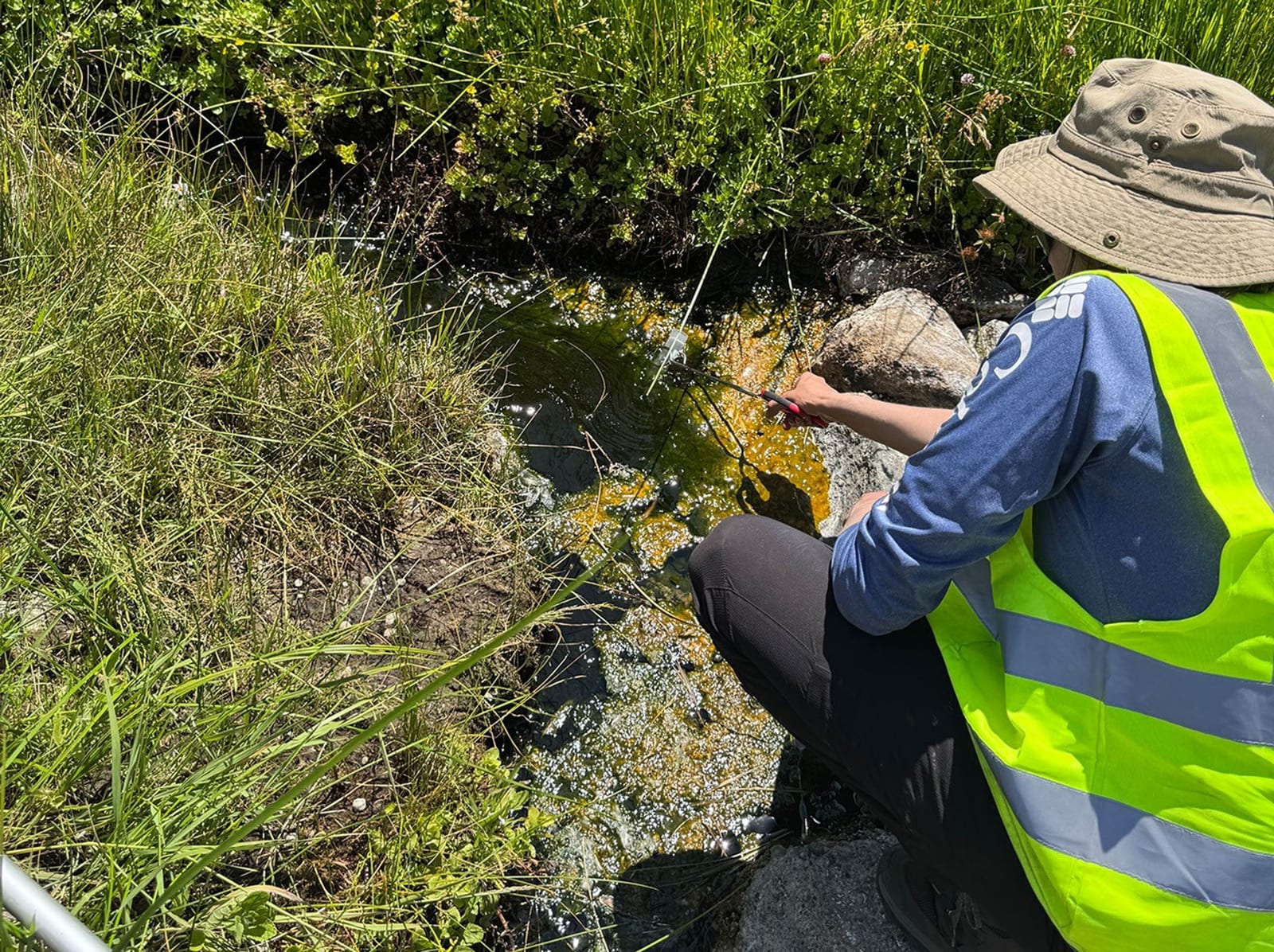
Lee esta historia en español aquí. NASA-supported scientists have discovered an organism that lives at extreme temperatures previously thought impossible for complex life. High temperatures can cause the destruction of necessary cell components, which is a big problem for cells with complex parts like a nucleus encasing delicate genetic information. In the heated waters of […]
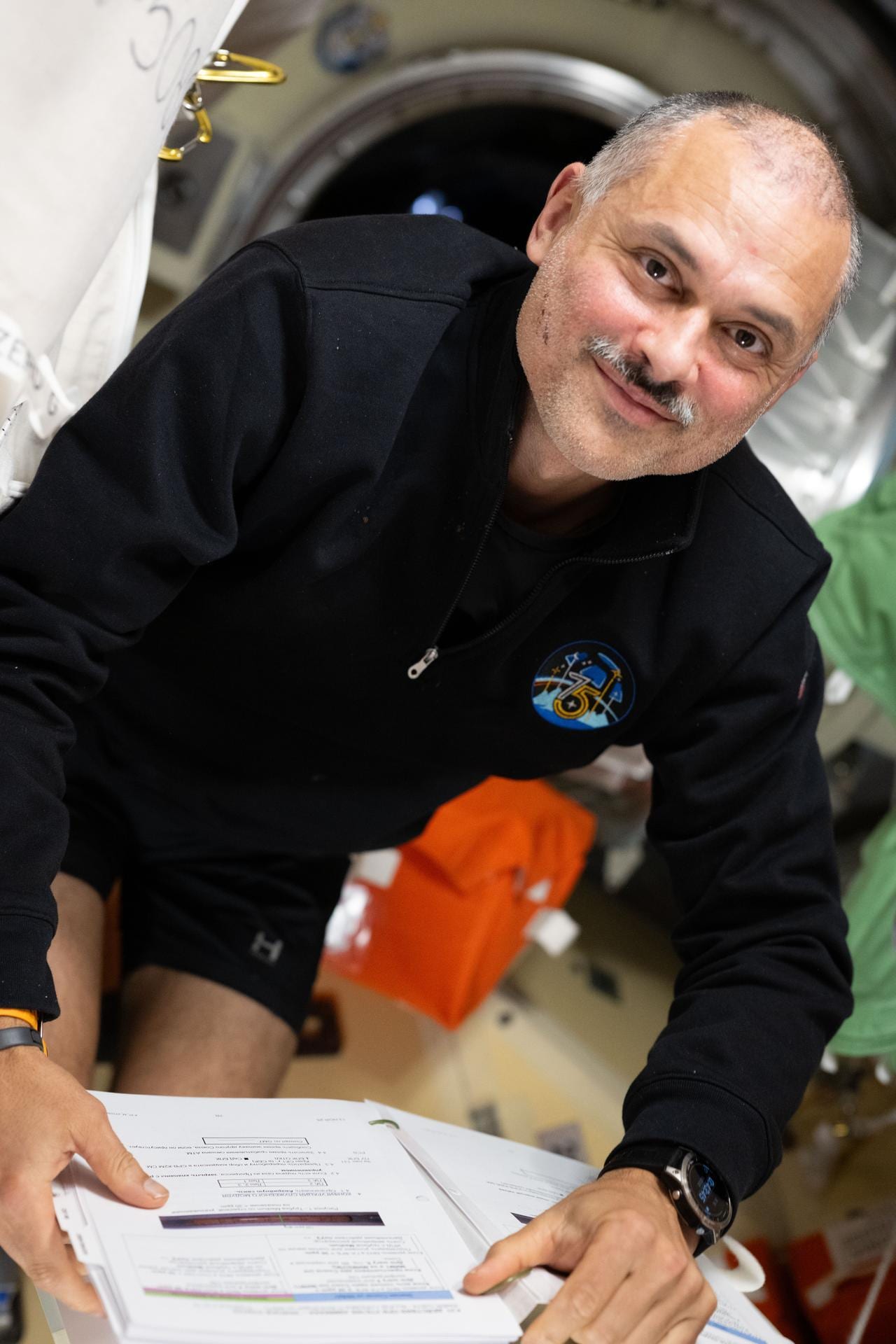
Editor’s Note: This feature was updated Sept. 22, 2026, to note the time change for the in-flight call with students. Students in New Hampshire will hear from NASA astronaut Anil Menon as he answers prerecorded STEM questions while aboard the International Space Station. The Earth-to-space call will begin at 11:40 a.m. EDT Thursday, Sept. 24, and […]
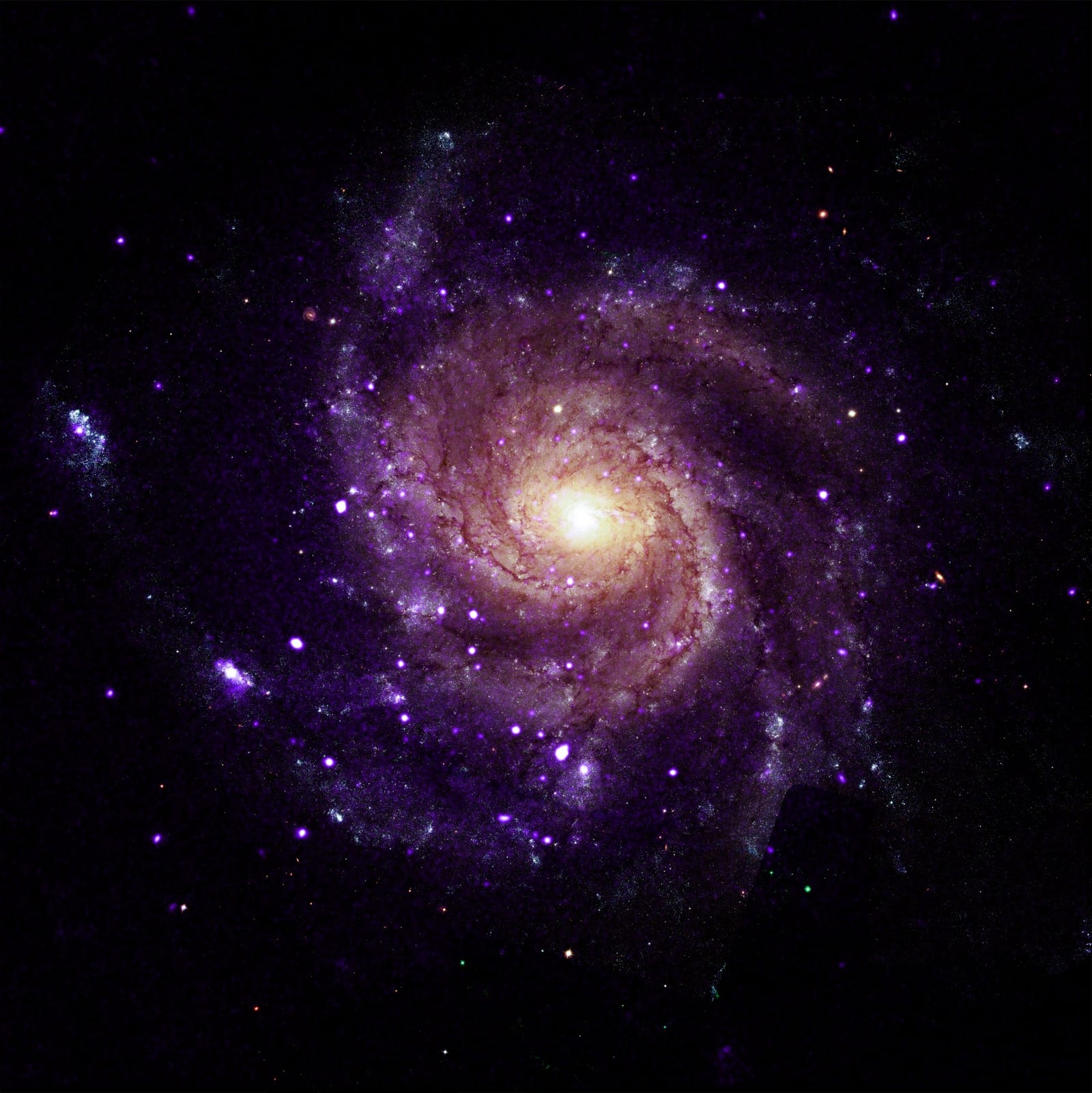
Using NASA’s Chandra X-ray Observatory, researchers found mysterious objects that give off unusually low-energy X-rays but intense levels of ultraviolet radiation. One of the galaxies they studied, M101, is pictured here in this image released on Sept. 9, 2026. Astronomers suggest these newly spotted objects in other galaxies may help solve not one, but two […]
Do Trump's task force and a special envoy for artificial intelligence in the US indicate a move toward regulating this disputed technology, particularly vis-a-vis China?
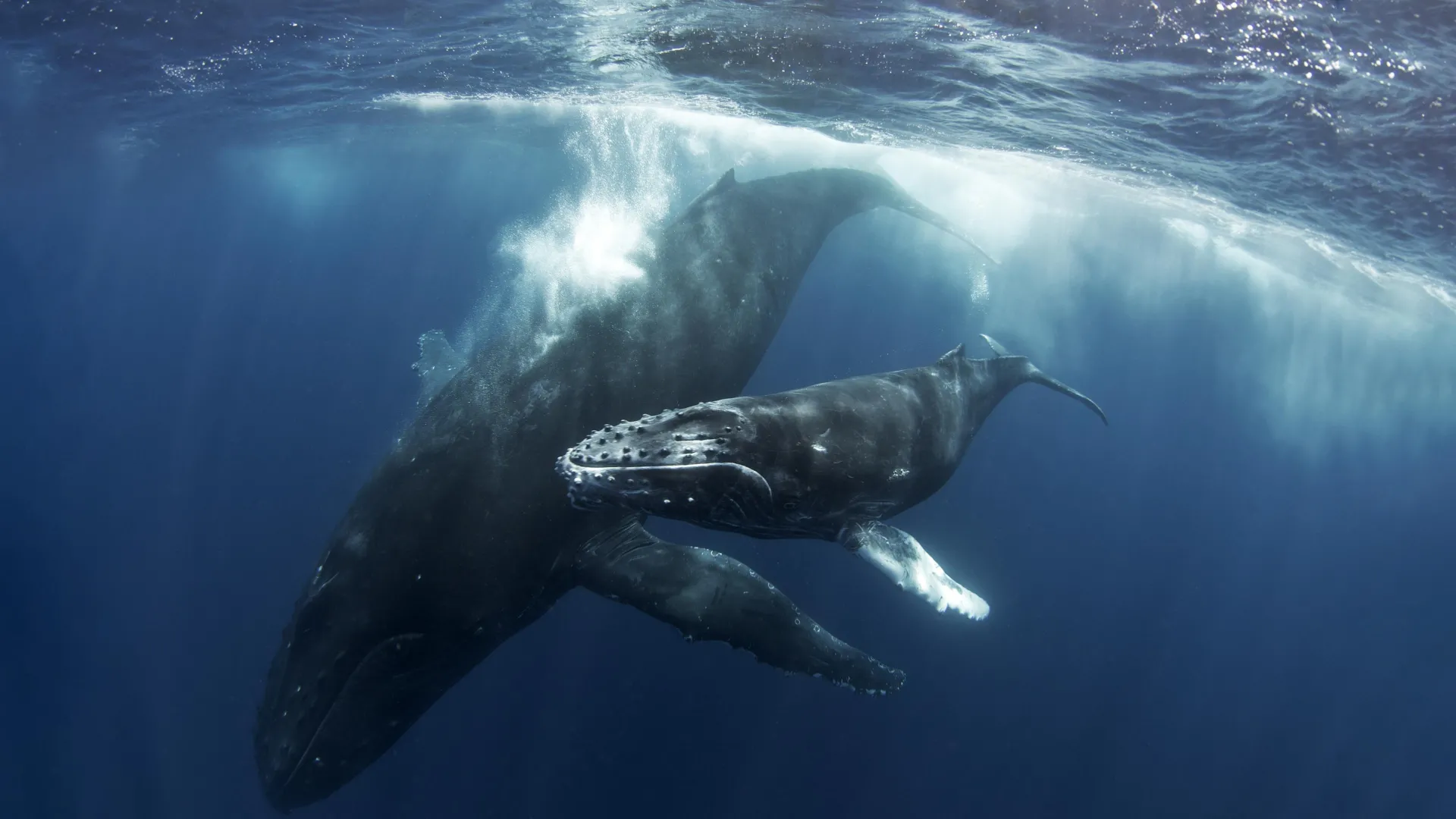
Researchers observed a humpback whale mother staying beside her presumed stillborn calf for hours and possibly days off Australia’s Gold Coast. She maintained eye contact and remained close to the calf in behavior resembling caregiving and nurturing. Scientists say the rare observation may provide new insight into grief, maternal attachment, and emotional complexity in humpback whales.
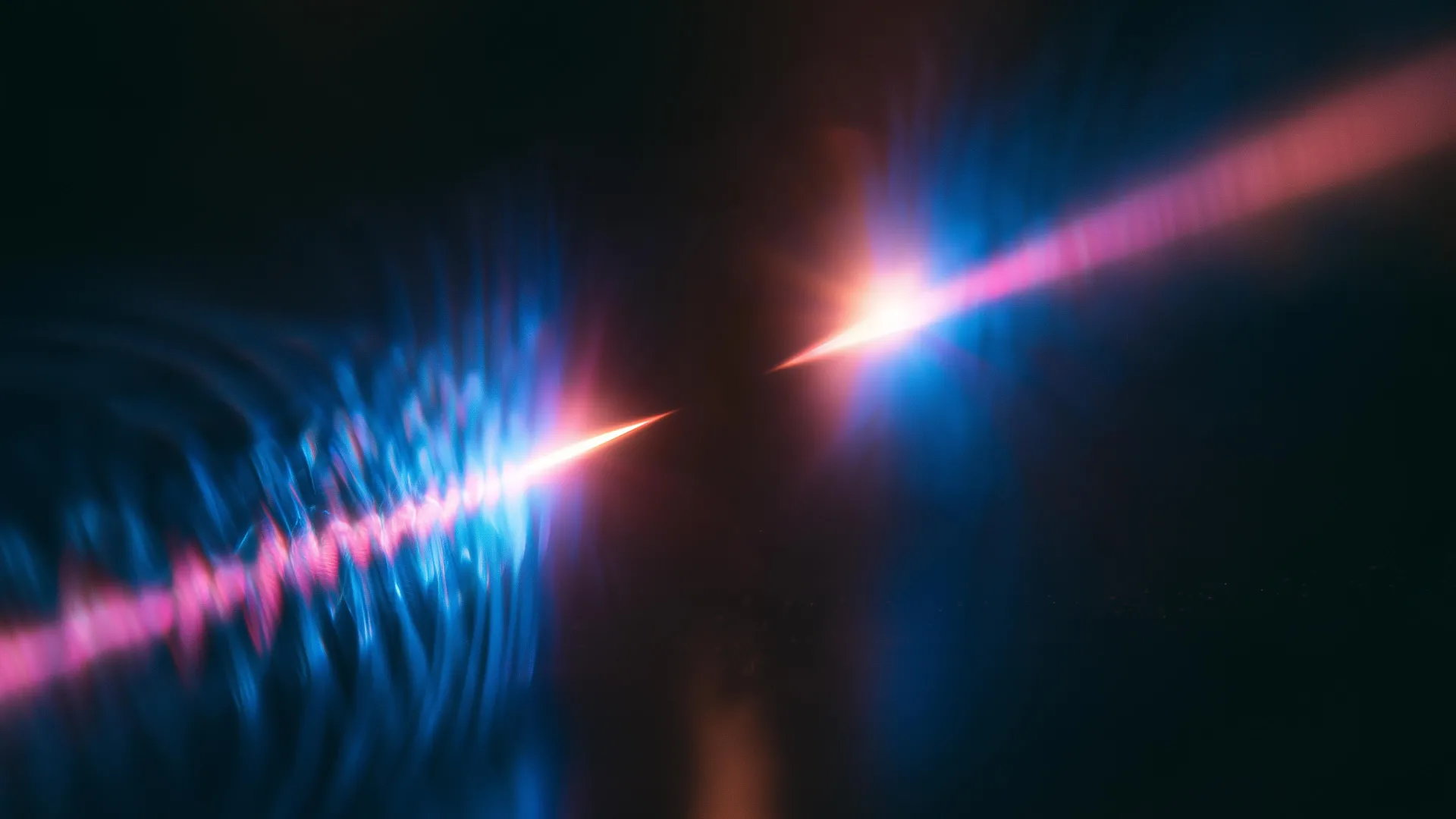
Stanford researchers have recorded the first real-time quantum jumps of sound, watching single phonons abruptly vanish from one energy state to another. The breakthrough could open new paths for quantum computing, error correction, highly sensitive biological sensors, and next-generation sound-based devices.
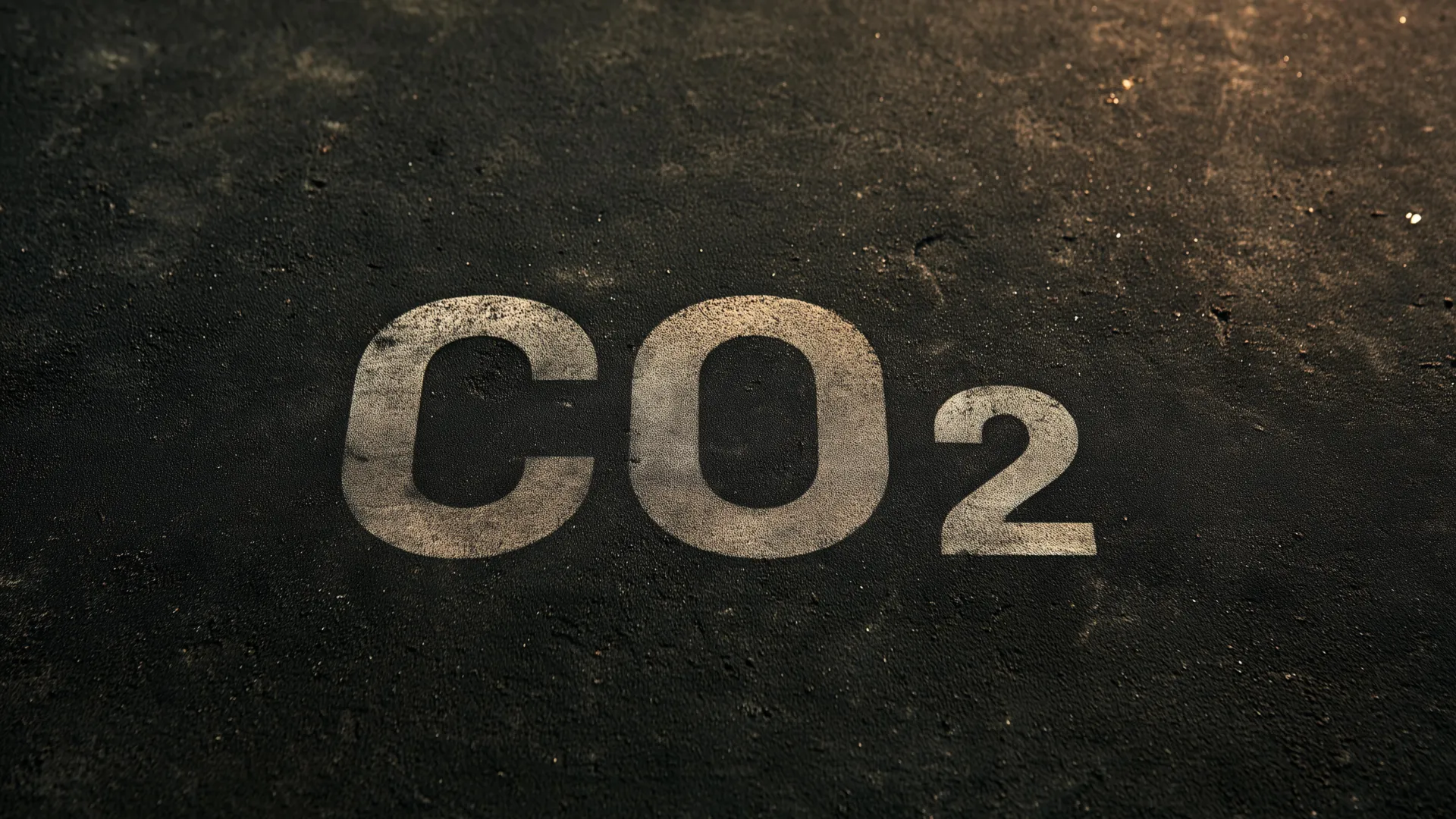
Researchers have created a concrete mixture that is both stronger and capable of absorbing carbon dioxide. The best formula, combining zeolite with bamboo biochar, boosted compressive strength by 7.48% and tensile strength by 15% compared with conventional concrete. It also captured about 1.2 grams of CO₂ per day in laboratory testing.
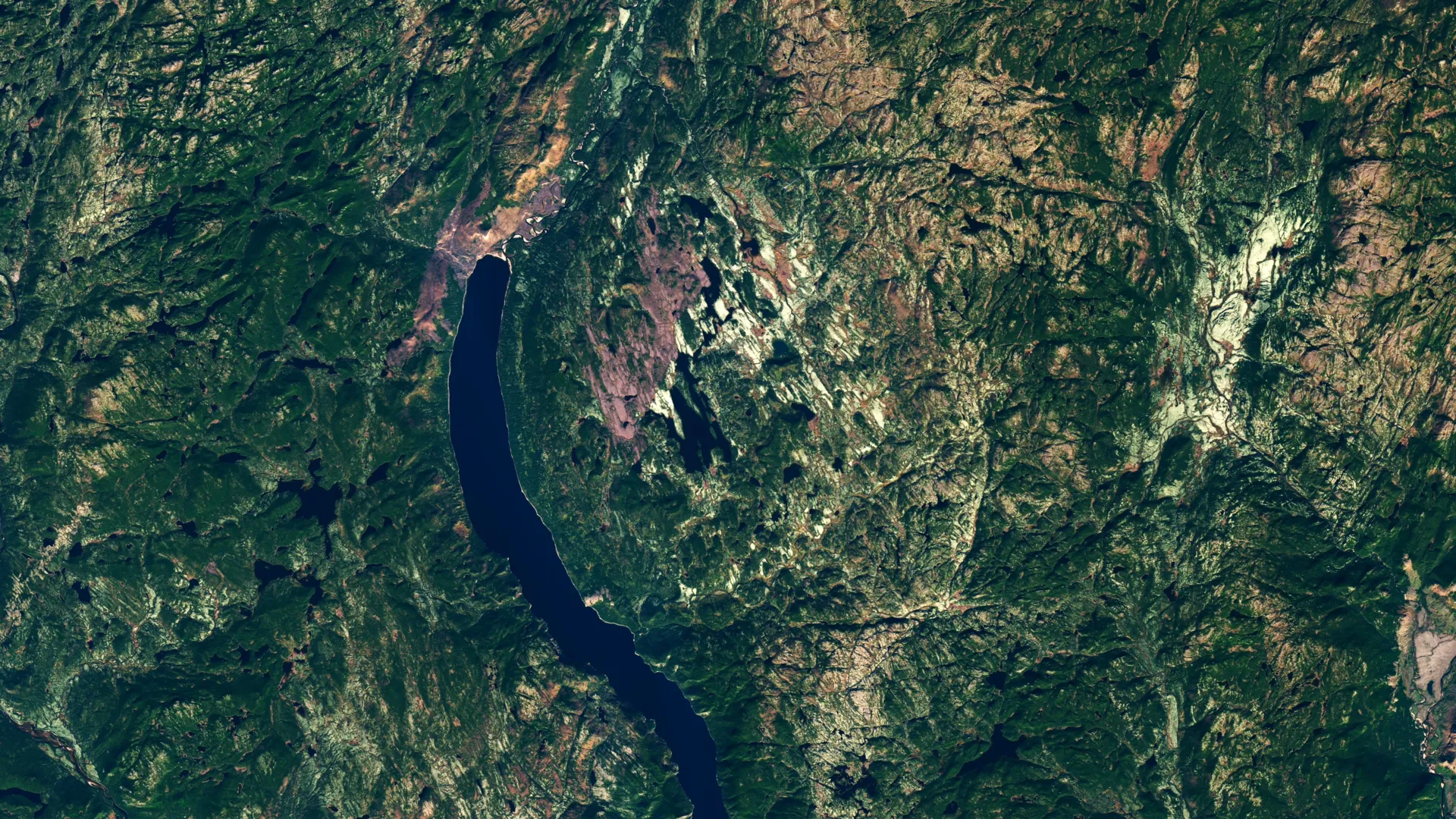
An amateur astronomer searching satellite maps for a Quebec camping spot accidentally discovered a massive ancient impact crater. Scientists later found shatter cones that confirmed the 25-kilometer-wide structure was blasted into Earth roughly 390 million years ago.
A new AI control system lets MIT’s tiny flying robot move with insect-like agility, boosting its speed by about 450 percent and allowing it to pull off 10 somersaults in 11 seconds. The technology could eventually enable miniature robots to search earthquake rubble and navigate dangerous spaces that conventional drones cannot reach.
A Yellowstone super-eruption would begin not with a sudden surprise, but with weeks of increasingly alarming warning signs such as migrating earthquake swarms, rapid ground uplift, changing geysers, and rising volcanic gases. In a worst-case scenario, those signals could culminate in a VEI 8 eruption that blasts ash tens of kilometers into the atmosphere, unleashes deadly pyroclastic flows, buries parts of the western United States in ash, and cripples transportation, electricity, water systems, agriculture, and communications across much of North America.
Caffeine may make sleep less restorative even when you fall asleep normally and stay in bed for eight hours, with EEG recordings revealing fewer of the slow brain waves associated with deep sleep. Individual sensitivity varies dramatically, meaning even caffeine consumed earlier in the day could affect nighttime recovery for some people.