Advertisement
Advertisement

Science

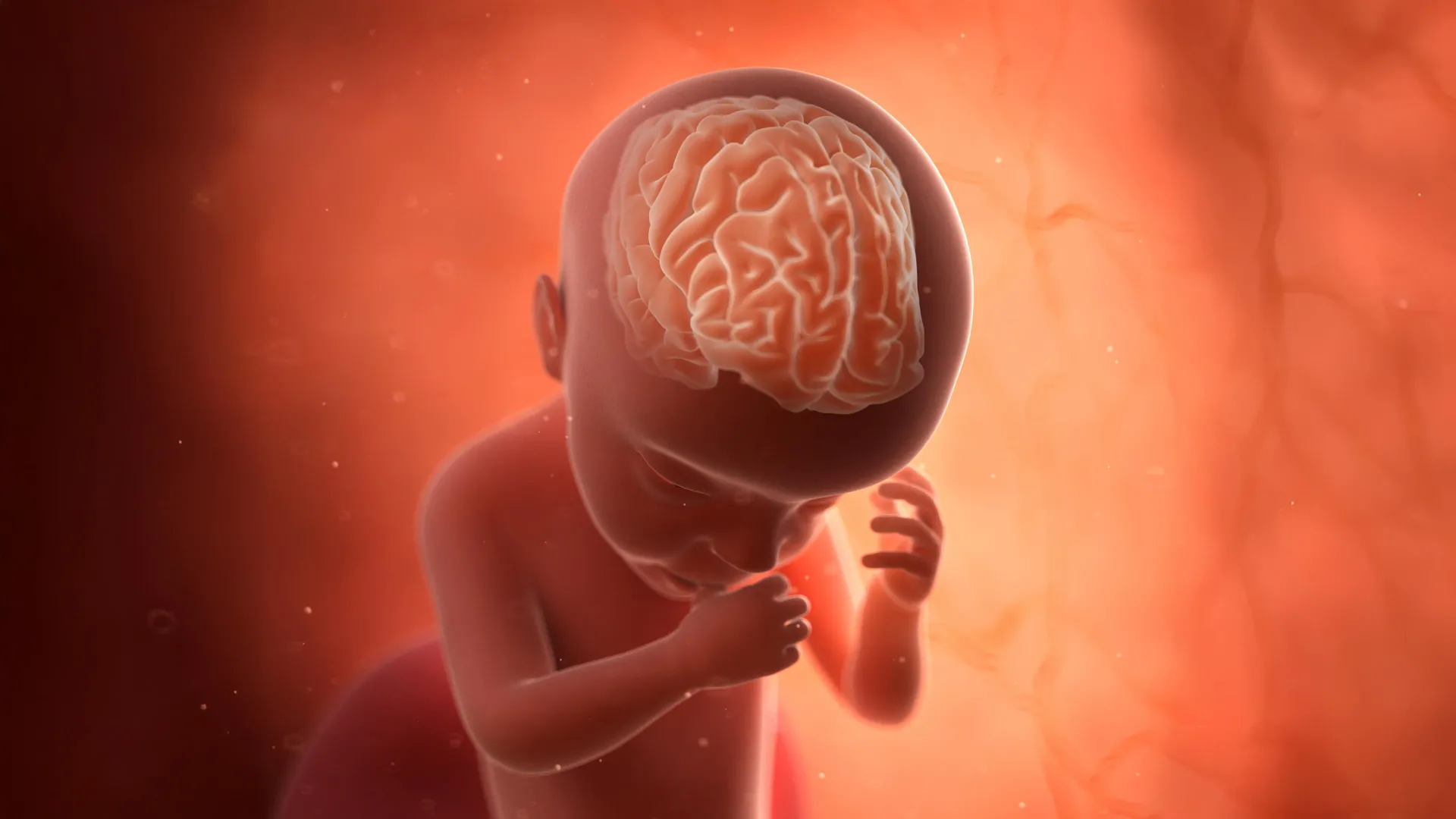
Rare pregnancy infections may triple the risk of autism

A major Swedish study of 3.7 million people has found that rare TORCH infections passed from a pregnant woman to the fetus are linked to much higher risks of autism and intellectual disability later in life. Children with a congenital TORCH infection were about three times more likely to be diagnosed with autism, more than seven times more likely to have an intellectual disability, and up to 30 times more likely to have severe to profound intellectual disability.

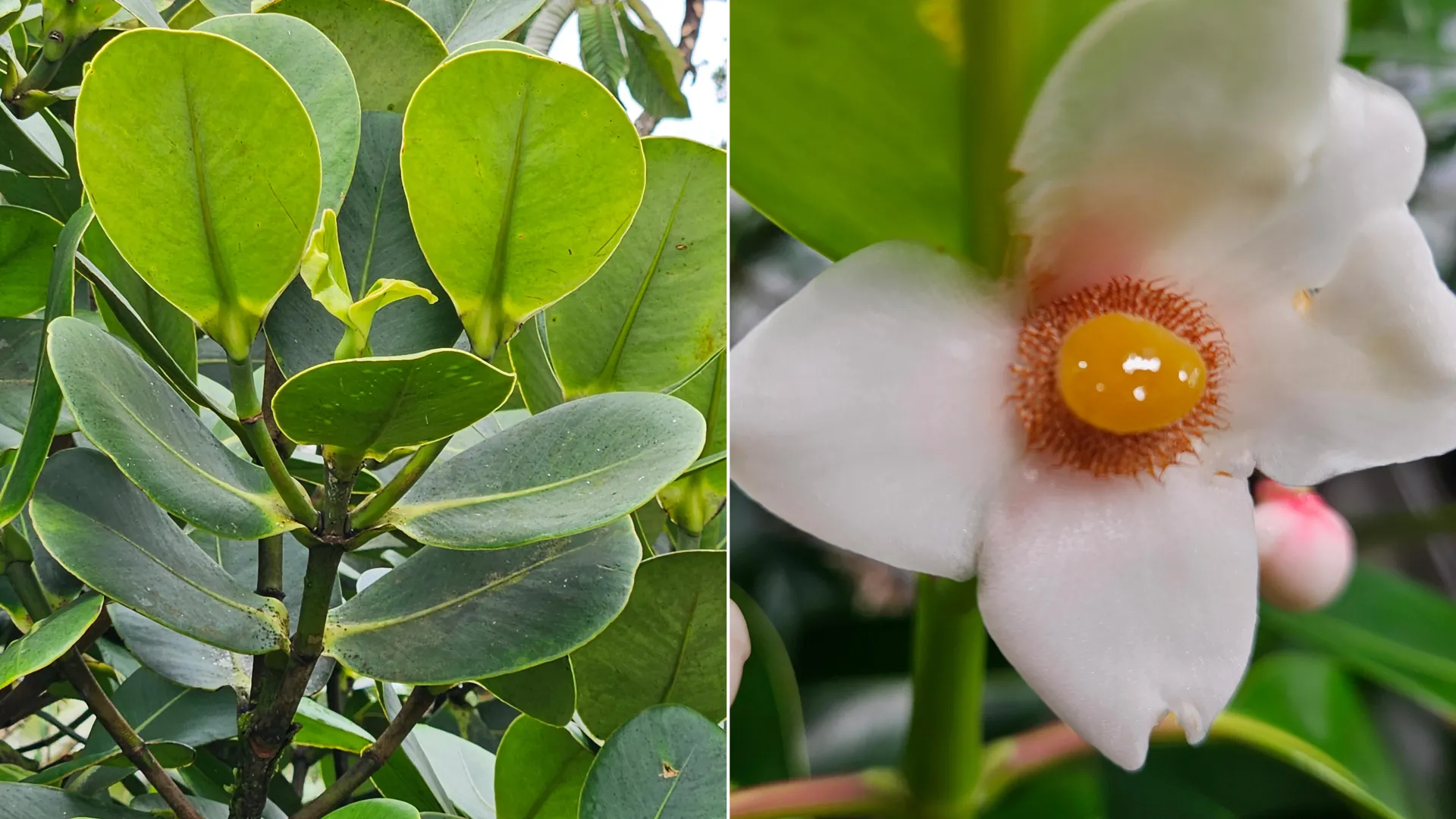
These tropical trees breathe at night to survive drought

Some tropical trees have evolved a clever way to survive drought by taking in carbon dioxide at night, allowing them to keep their pores closed during the hot daytime and conserve water. By comparing three Clusia species, researchers discovered that this water-saving form of photosynthesis, known as CAM, did not arise through a single evolutionary change. Instead, ancient genome duplications followed by millions of years of genetic reshuffling produced strikingly different strategies, from strong CAM to stress-triggered and hybrid forms.

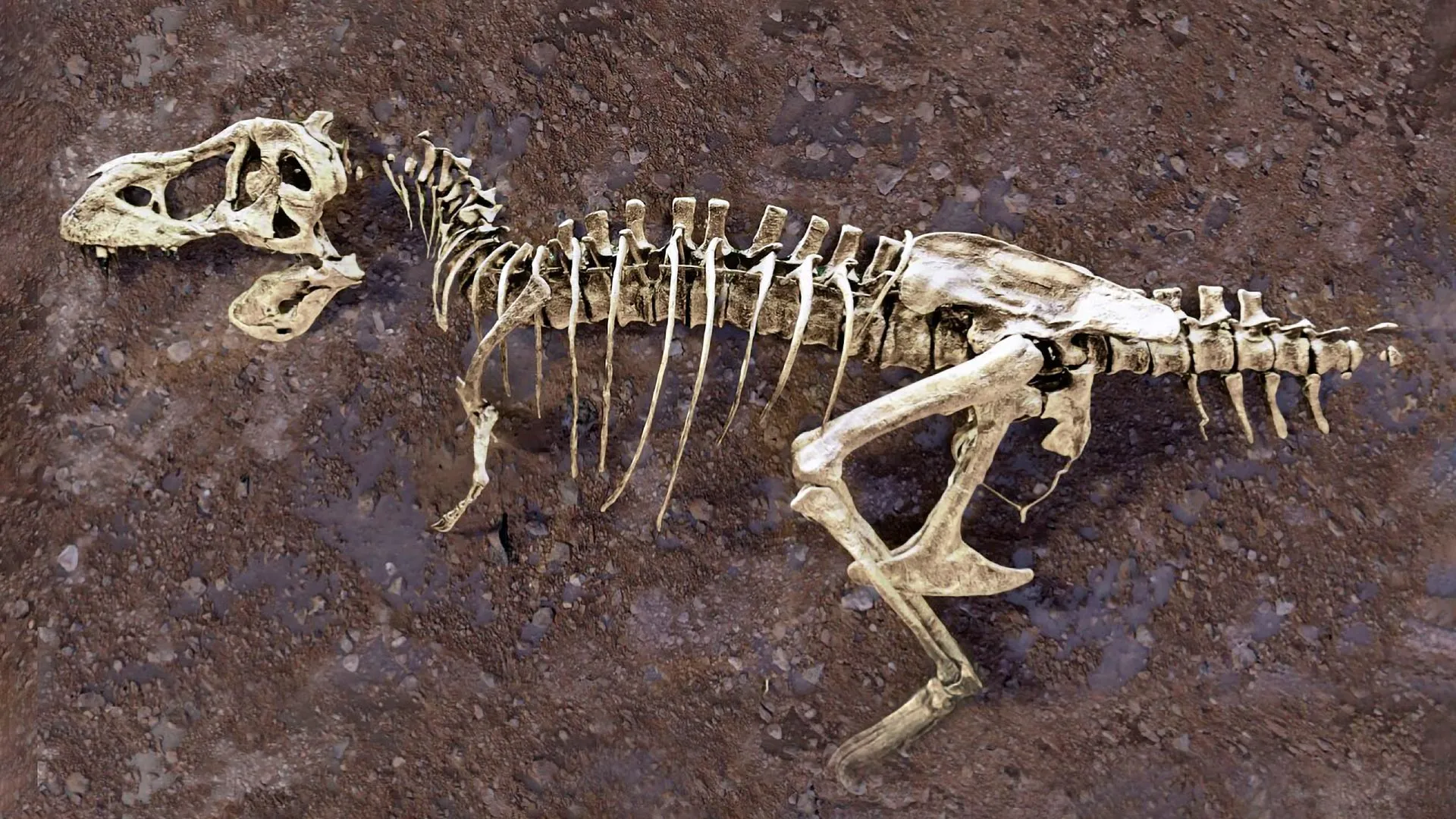
A broken rib from the world’s largest T. rex hid a 66-million-year-old secret

A broken rib from Scotty, the largest known T. rex skeleton, contains an extraordinary fossilized network of blood vessels formed while the dinosaur was healing. Scientists used neutron and X-ray imaging to look inside the 66-million-year-old bone without damaging it, revealing details rarely preserved in fossils.

Why Viking museums still can’t escape the warrior myth

Scandinavian museums are trying to move beyond the familiar image of Vikings as sword-wielding male warriors, highlighting women, farmers, traders, and a far more complicated society. But the enduring popularity of the Viking myth means exhibitions often balance historical accuracy with stories that reflect modern ideas about national identity and culture.

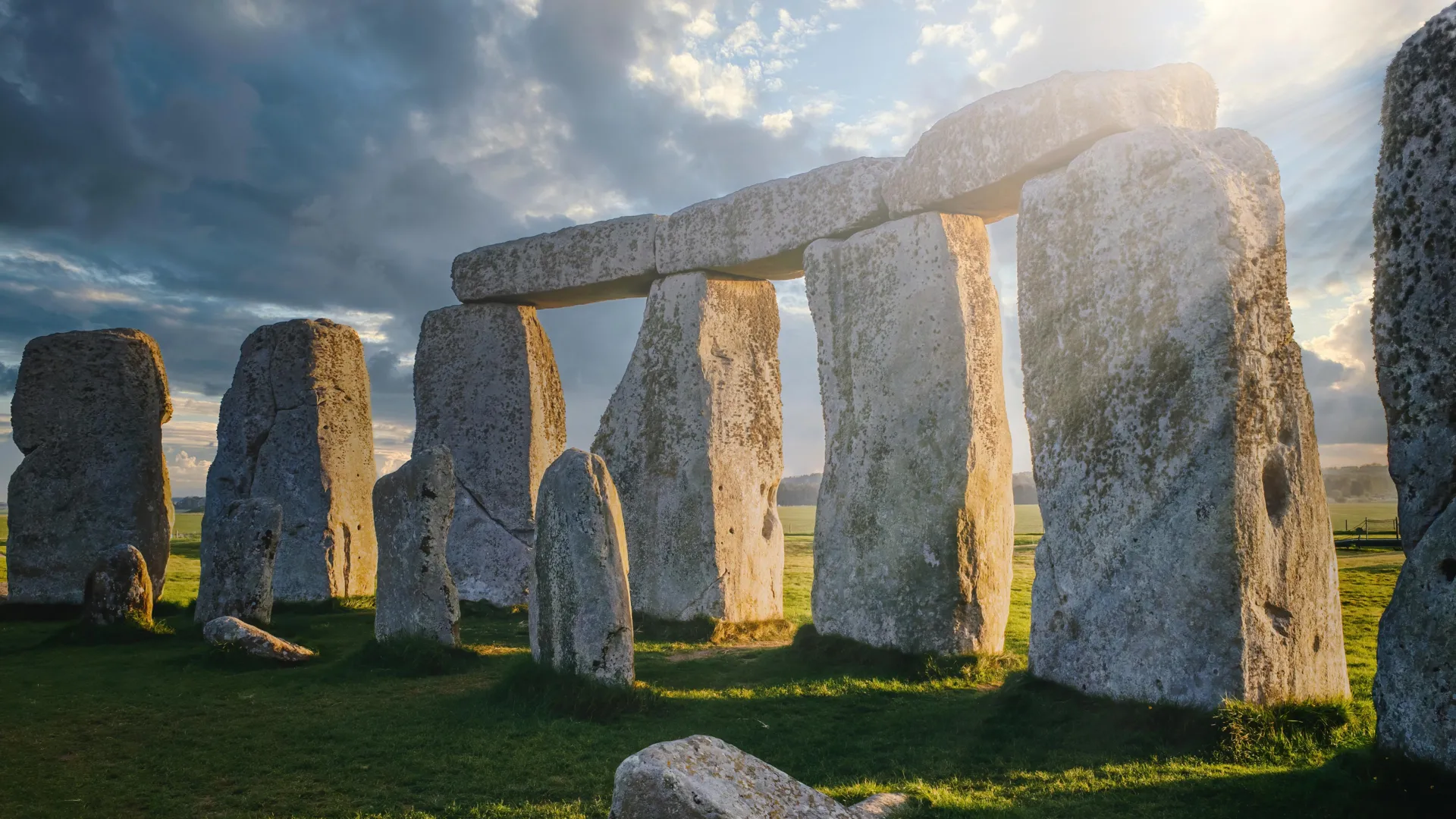
Stonehenge’s 6-ton altar stone may have traveled from Scotland by glacier

Stonehenge’s six-ton Altar Stone may have been carried from Scotland to Dogger Bank by glaciers before prehistoric people transported it hundreds of kilometers to Salisbury Plain. The possible multistage journey suggests remarkable organization and raises the possibility that the stone was valued long before it became part of Stonehenge.

The “big one” might not come alone: Two major West Coast faults may strike back to back

The Cascadia subduction zone and northern San Andreas fault may sometimes rupture in rapid succession, according to evidence preserved in 3,100 years of ocean sediments. Researchers identified unusual sediment layers suggesting that earthquakes on the two systems have occurred just minutes to hours apart, including around the massive Cascadia earthquake of 1700. If such synchronization happened again, several major West Coast cities could face emergencies at nearly the same time.

Advertisement

NASA Selects Far-Infrared Telescope as First in New Mission Class

NASA announced Wednesday a mission to explore the history and evolution of the universe, PRIMA (PRobe far-Infrared Mission for Astrophysics), is advancing to the next phase of development. This space telescope is the first in a new class of NASA astrophysics missions, called Probe Explorers, within the agency’s longstanding Explorers Program. “The PRIMA mission is […]

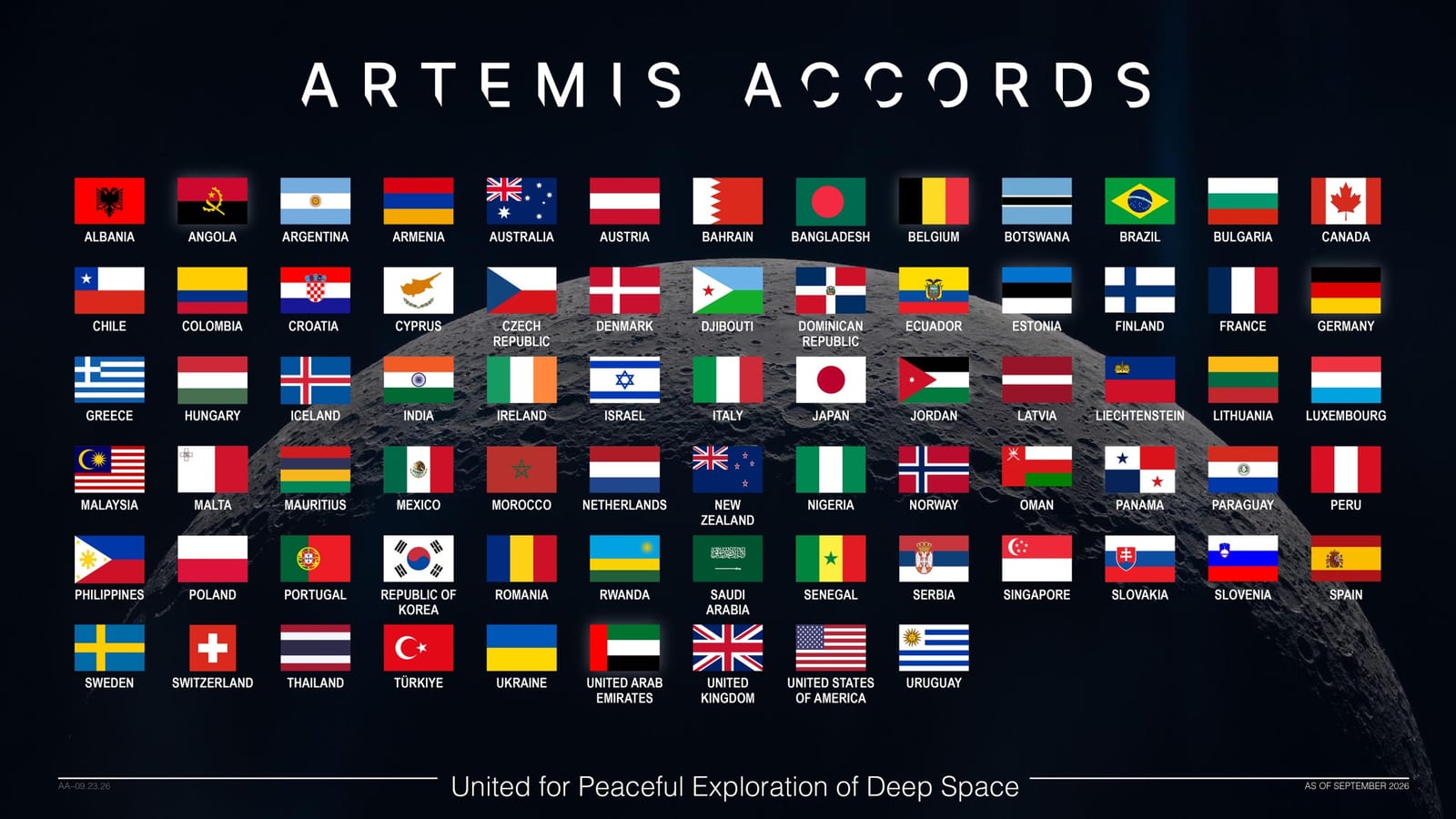
NASA Welcomes Croatia as Newest Artemis Accords Signatory

The Republic of Croatia became the 74th signatory to the Artemis Accords on Wednesday during a ceremony in the capital city of Zagreb with NASA and U.S. Department of State officials present. “It is my privilege to welcome the Republic of Croatia as the latest signatory of the Artemis Accords,” said NASA Deputy Matt Anderson […]

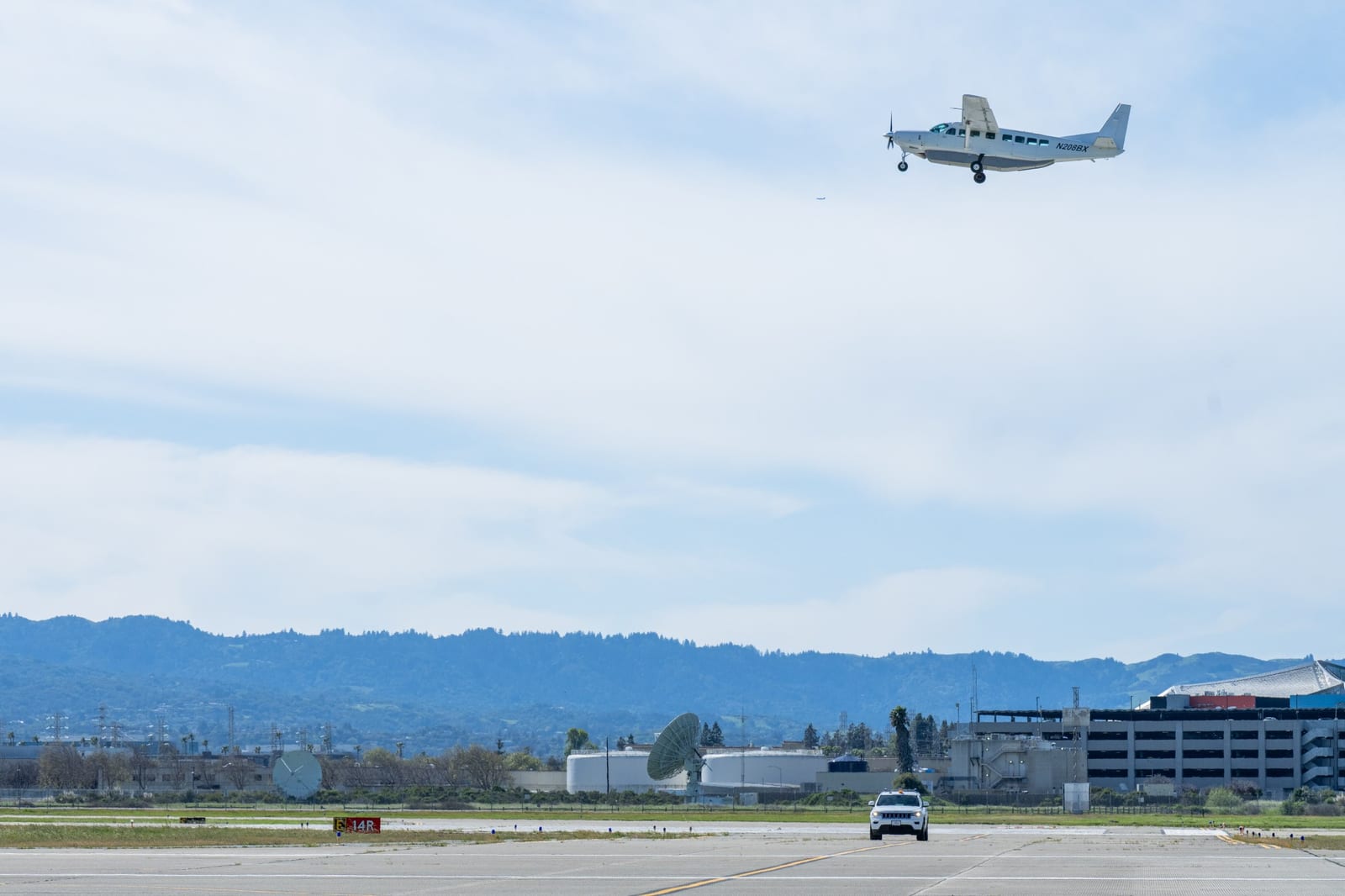
NASA Modernizes Commercial Airline Systems

NASA’s researchers know that when you settle into your seat on a commercial flight, you expect a smooth takeoff, views over the clouds, a steady descent, and hopefully an early arrival at your destination. But when your flight gets delayed on the tarmac instead of lifting off, or it ends up in a holding pattern […]

Advertisement

Arctic Sea Ice Reaches 2026 Annual Minimum Extent

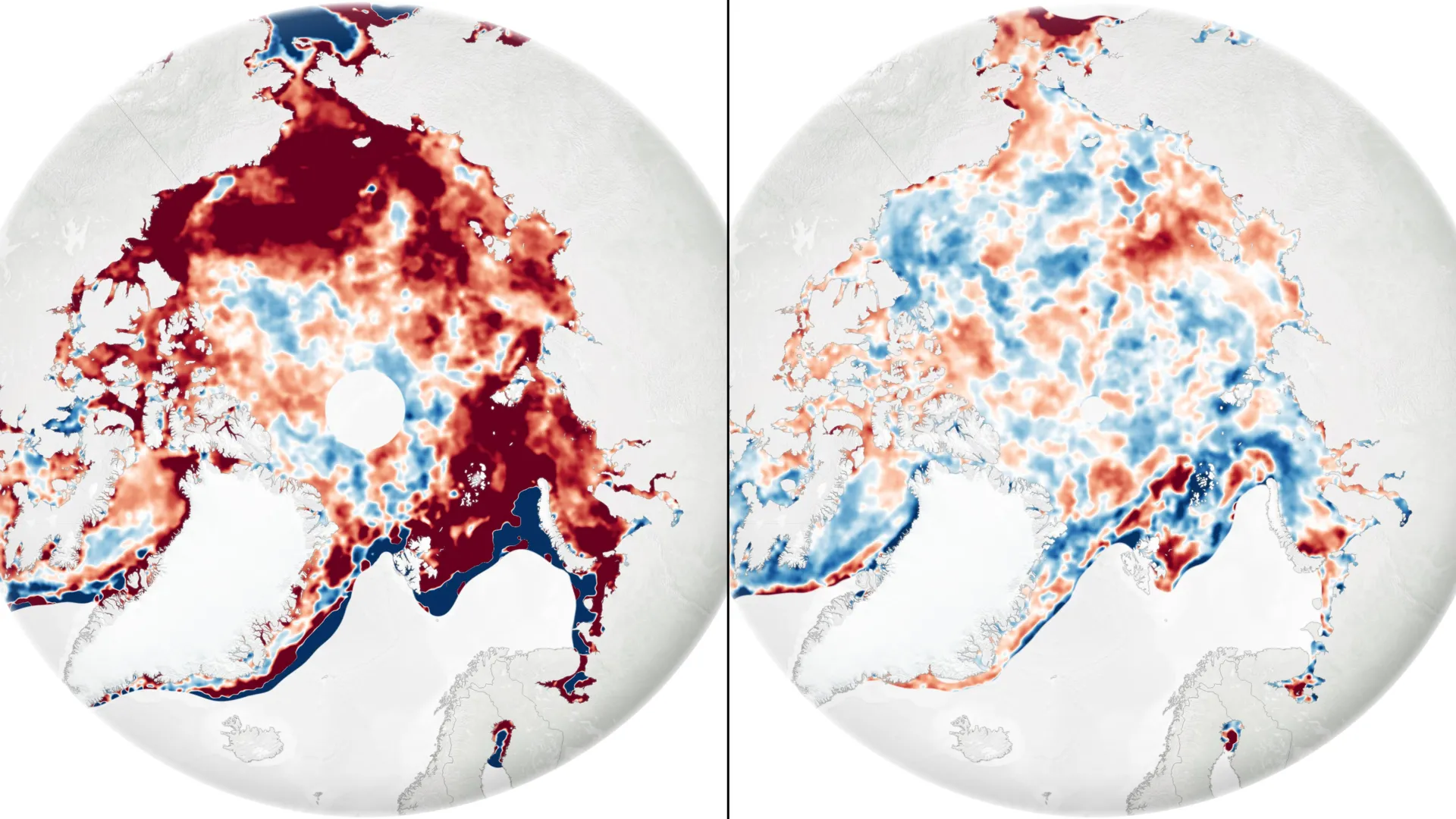
Arctic sea ice reached its annual minimum extent on Sept. 12, according to NASA and the National Snow and Ice Data Center (NSIDC) at the University of Colorado Boulder. The ice covered an estimated 1.78 million square miles (4.6 million square kilometers), tying 2008, 2010, and 2025 for the 10th-lowest minimum in the satellite record. […]

NASA’s Hubble Telescope Reaches Milestone, Looks for Elusive Supernova

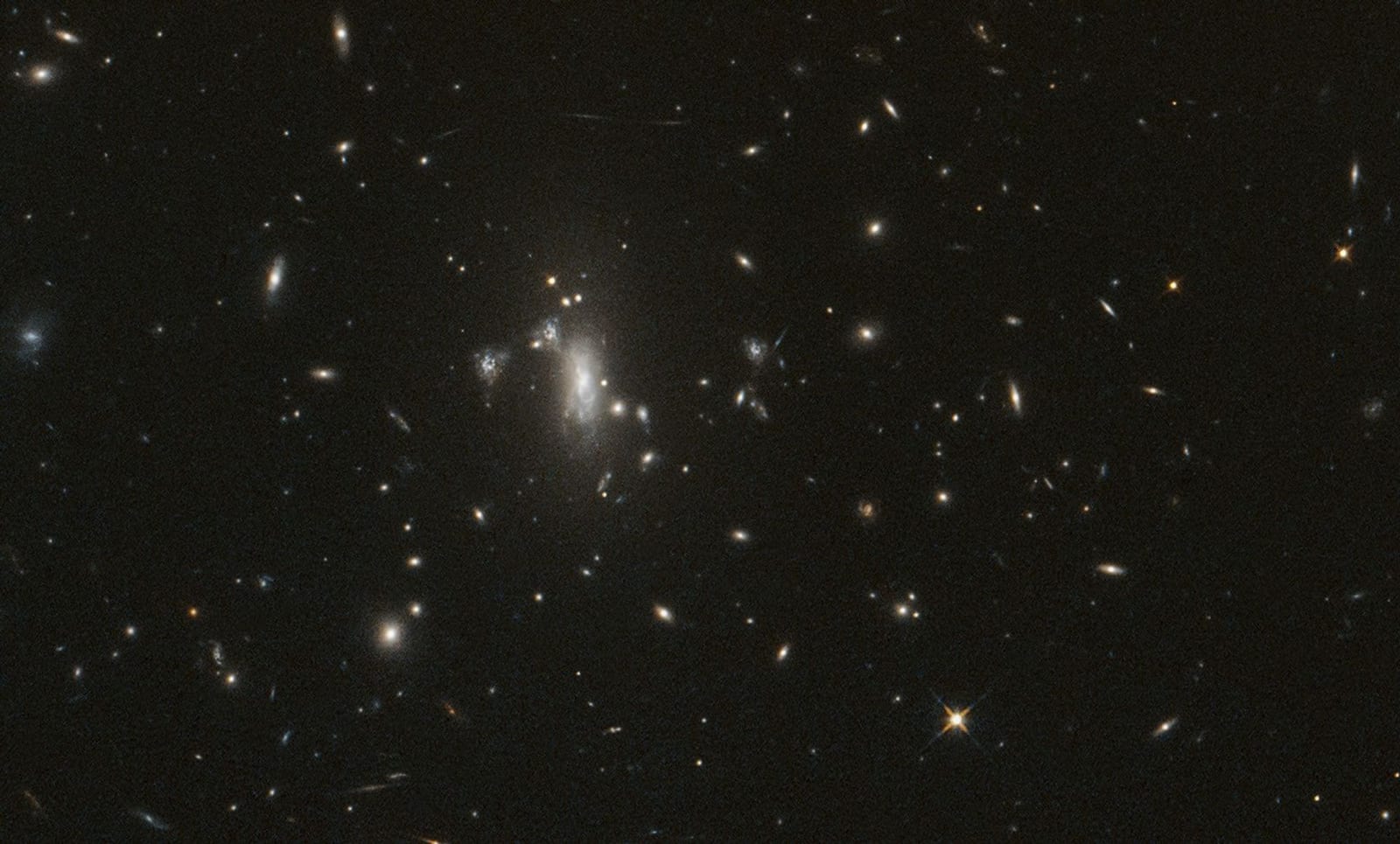
NASA’s Hubble Space Telescope captured this image of massive galaxy cluster MACS J0417 (left of center) on Sept. 19, 2026. This galaxy cluster acts as a gravitational lens, bending and magnifying light from objects far behind it. Supernova Athena, discovered by NASA’s James Webb Space Telescope in 2025, is predicted to reappear between now and […]

NASA Aircraft to Make Low-Altitude Research Flights Over Colorado

Agricultural emissions represent an important and understudied part of Earth’s land and atmosphere systems. The FarmFlux mission will deploy more than a dozen sensors to measure ozone, methane, ammonia, particulates, and other pollutants rising from agricultural lands and animal farms and the interaction with the Earth’s atmosphere. The mission is jointly led by NASA’s Goddard Space Flight Center in Greenbelt, Maryland; Colorado […]