Advertisement
Advertisement

Science

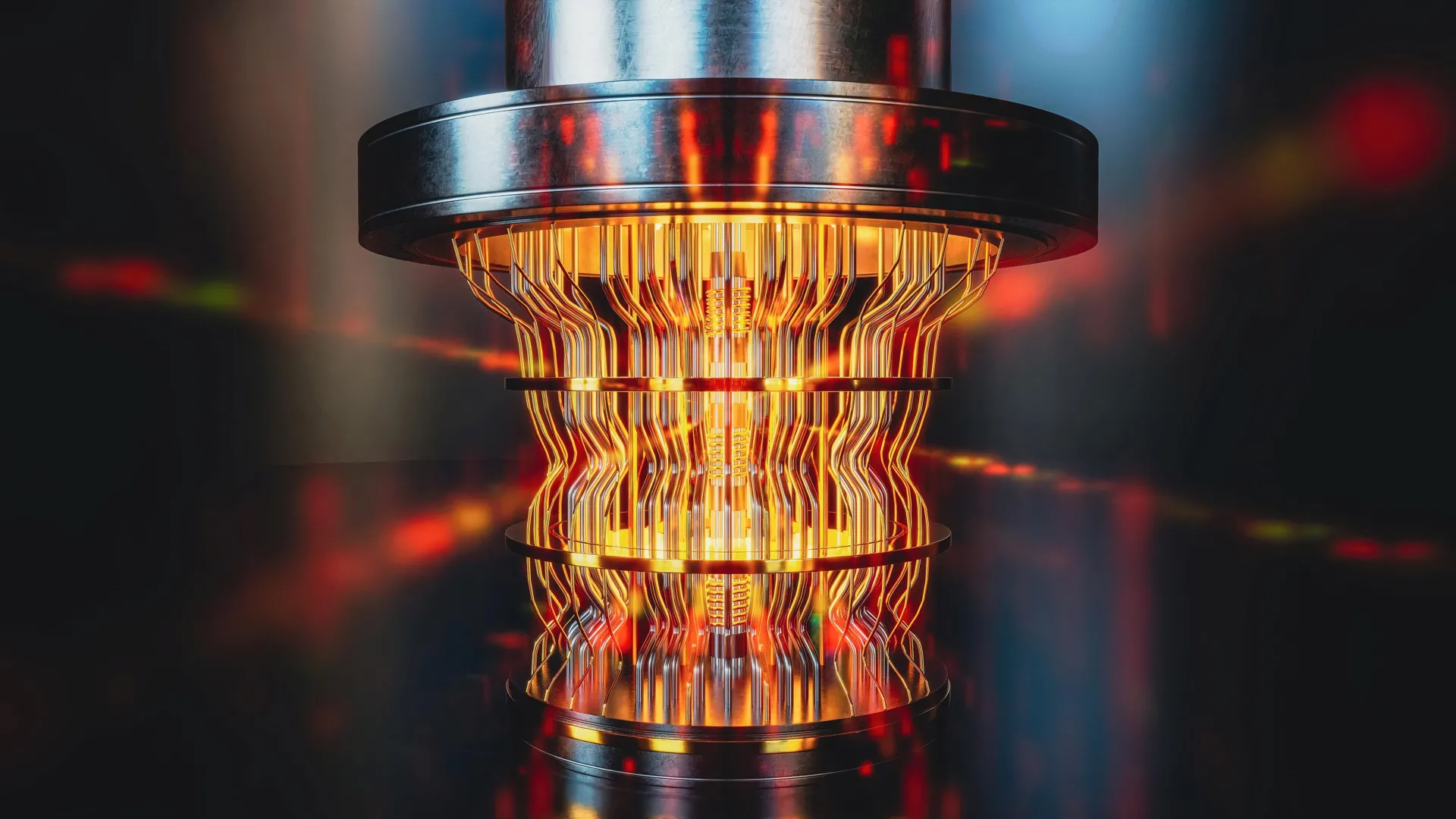
Quantum computing’s “dark horse” just proved it can go universal

Researchers have shown that exotic quantum particles called non-Abelian anyons can perform the full range of operations needed for universal quantum computing. Using 54 qubits on Quantinuum’s H2 processor, they combined braiding and fusion to unlock capabilities that braiding alone could not provide.

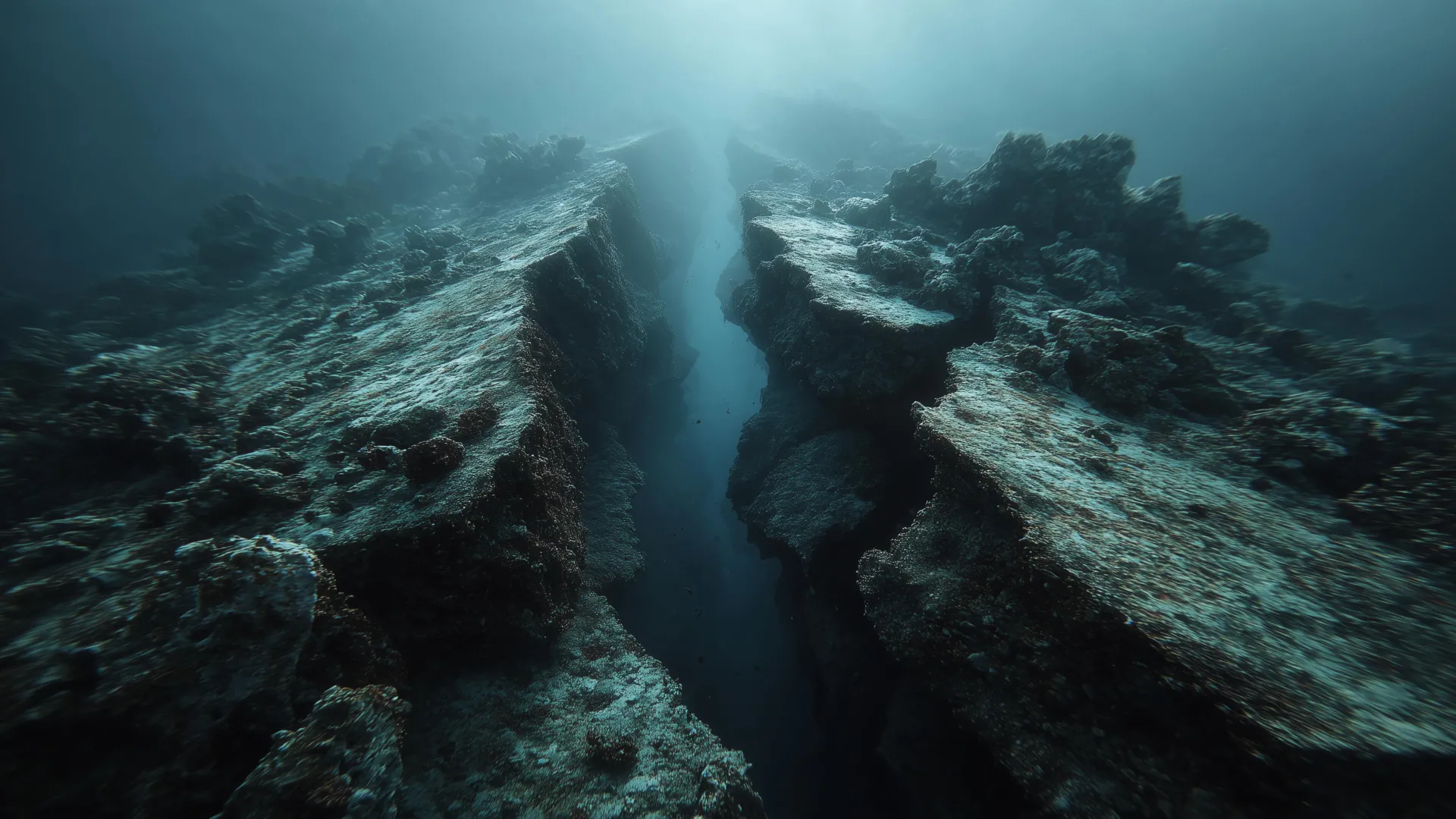
Earth is tearing apart beneath the Pacific Northwest

Scientists have captured a subduction zone off Vancouver Island in the process of tearing itself apart, revealing that these massive tectonic systems may die piece by piece rather than all at once. The discovery could help explain ancient plate fragments, volcanic activity, and how hidden breaks beneath Cascadia may influence future earthquakes.

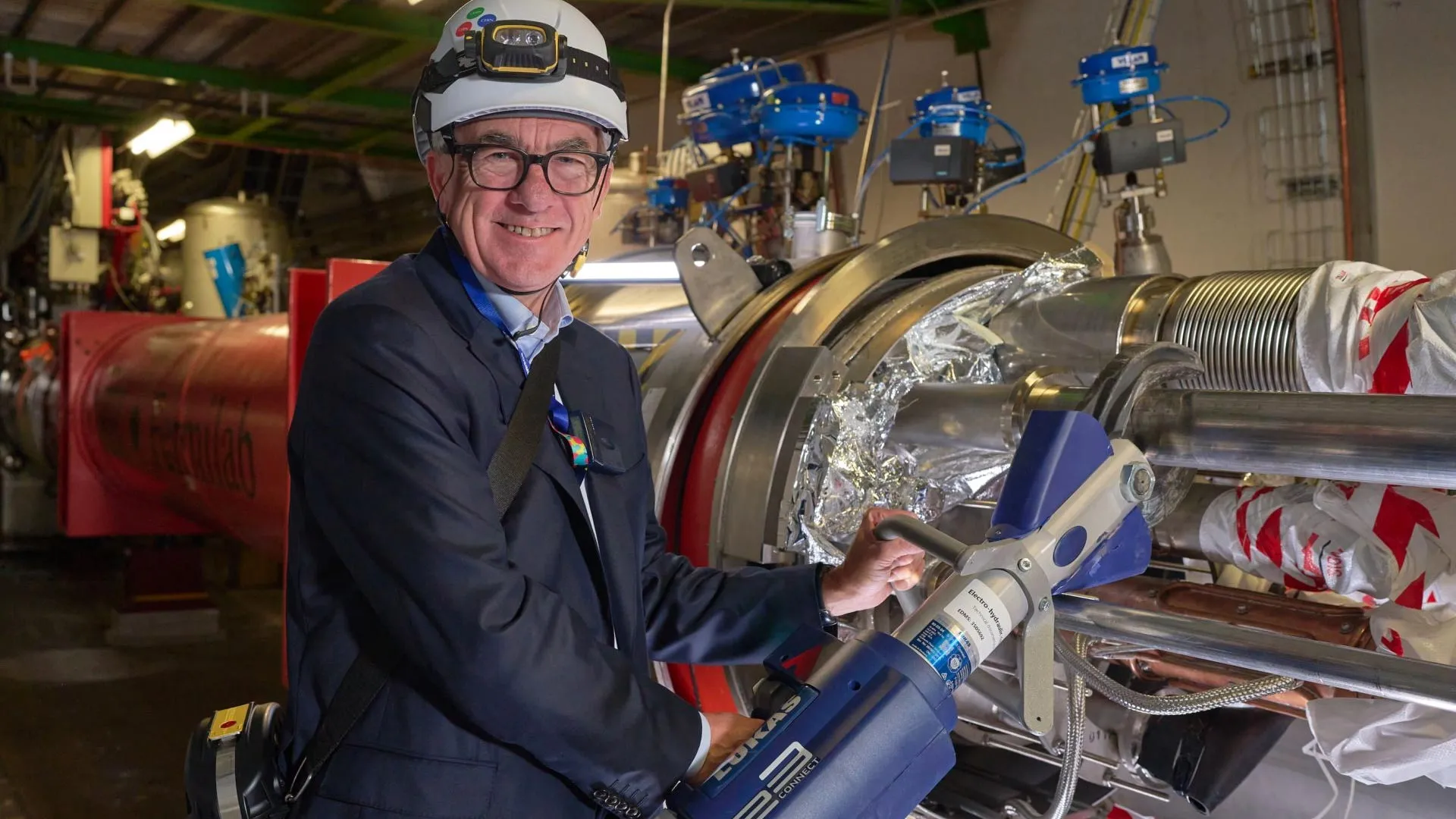
CERN has begun disconnecting the Large Hadron Collider

CERN has started replacing some of the Large Hadron Collider’s most important magnets as part of its High-Luminosity upgrade. The new superconducting magnets will produce fields about 40% stronger, allowing particle beams to be squeezed more tightly before they collide. That should create far more collisions for the ATLAS and CMS experiments to analyze, giving physicists a much larger window into the fundamental workings of the universe.

Advertisement

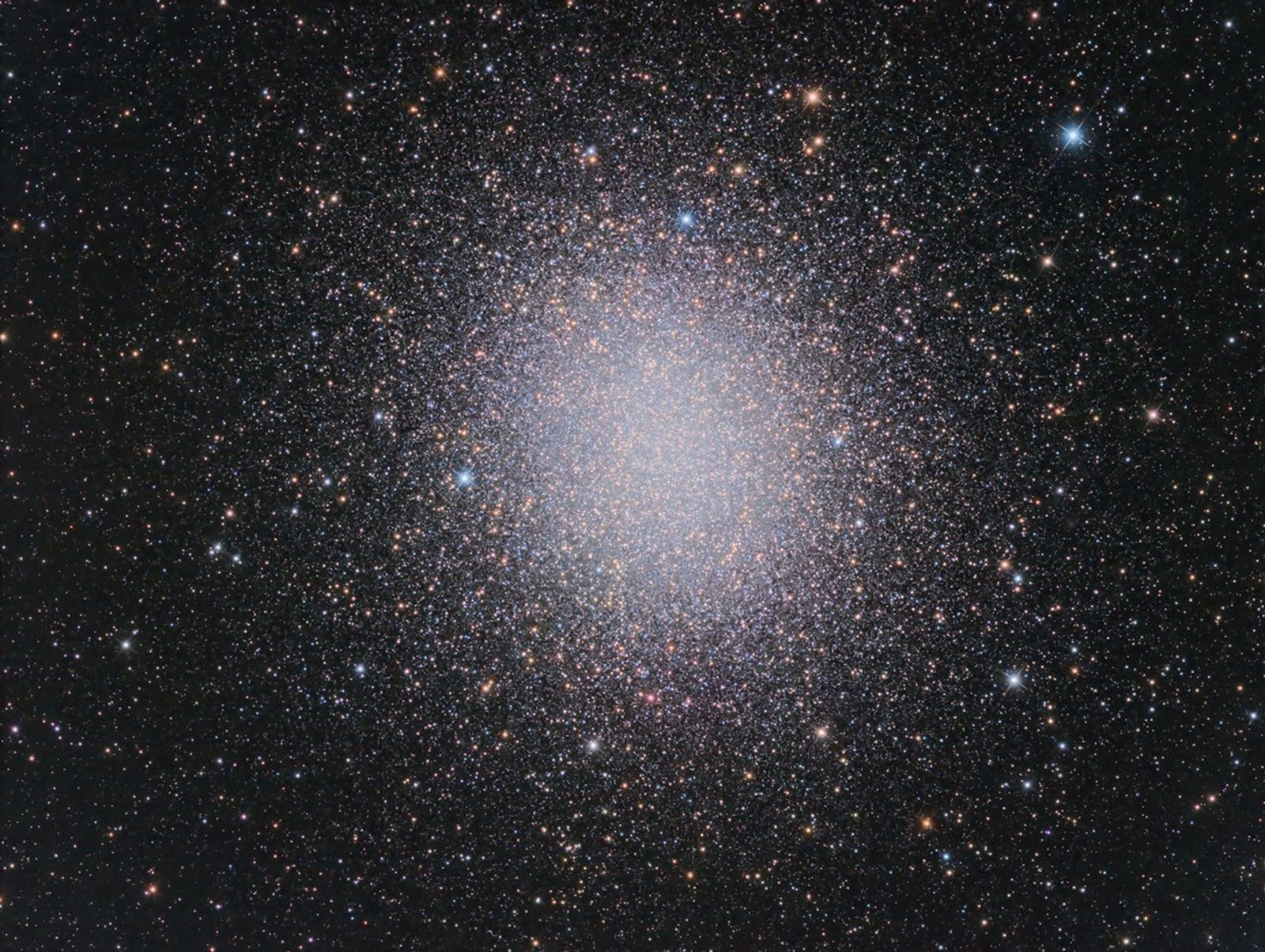
APOD: 2026 September 25 – Globular Star Cluster Omega Centauri

APOD Science APOD APOD: 2026 September 25 –… Today’s APOD Archive Submissions Index Search Calendar RSS Education About Discuss APOD Astronomy Picture of the Day Discover the cosmos! Each day a different image or photograph of our fascinating universe is featured, along with a brief explanation written by a professional astronomer. Globular Cluster Omega […]

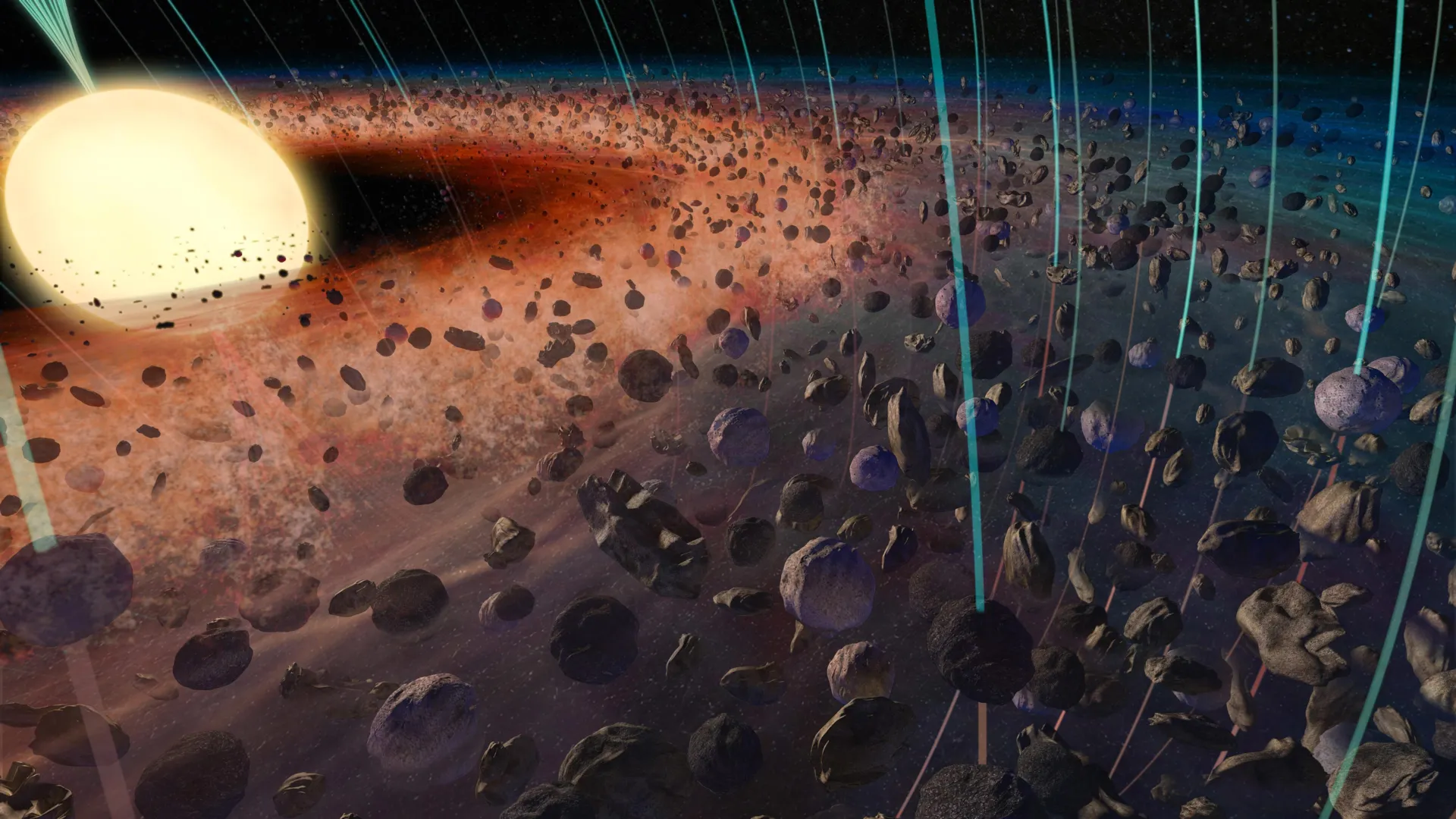
Ancient meteorites reveal a powerful force that helped build the Solar System

Ancient grains inside one of the oldest known meteorites reveal that a surprisingly strong magnetic field existed during the solar system’s first 200,000 years. The discovery suggests magnetism worked alongside gravity to help transform a vast cloud of gas and dust into the sun and planetary disk.

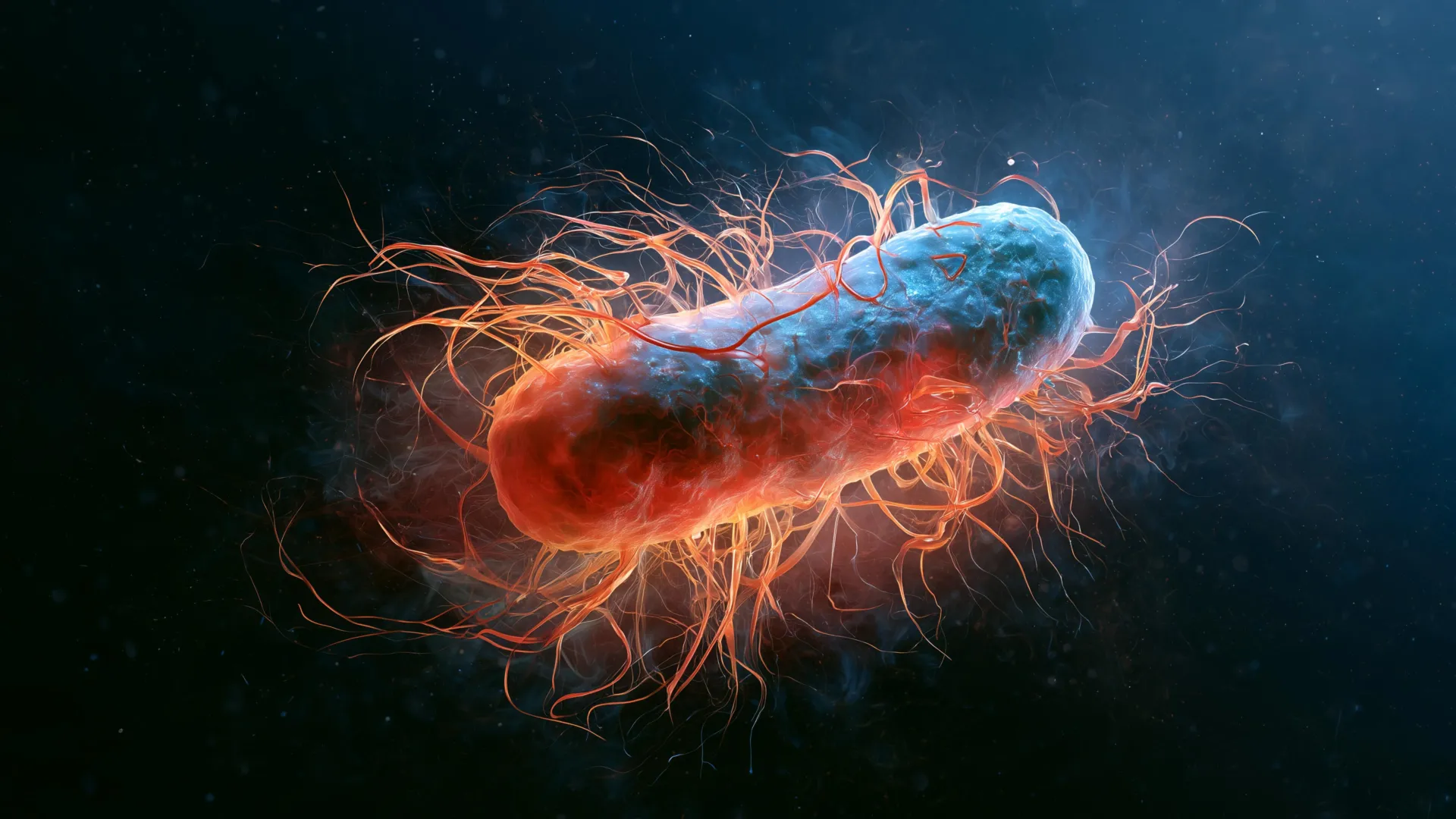
Scientists gave worms magnetic bacteria. They lived 43% longer

A magnet-producing bacterium extended the average lifespan of C. elegans worms by more than 43% while helping protect their neurological and intestinal health. Researchers traced much of the effect to suppression of ferroptosis, a damaging form of cell death linked to iron buildup and oxidative stress.

Advertisement

NASA Shares SpaceX Crew-14 Assignments for Space Station Mission

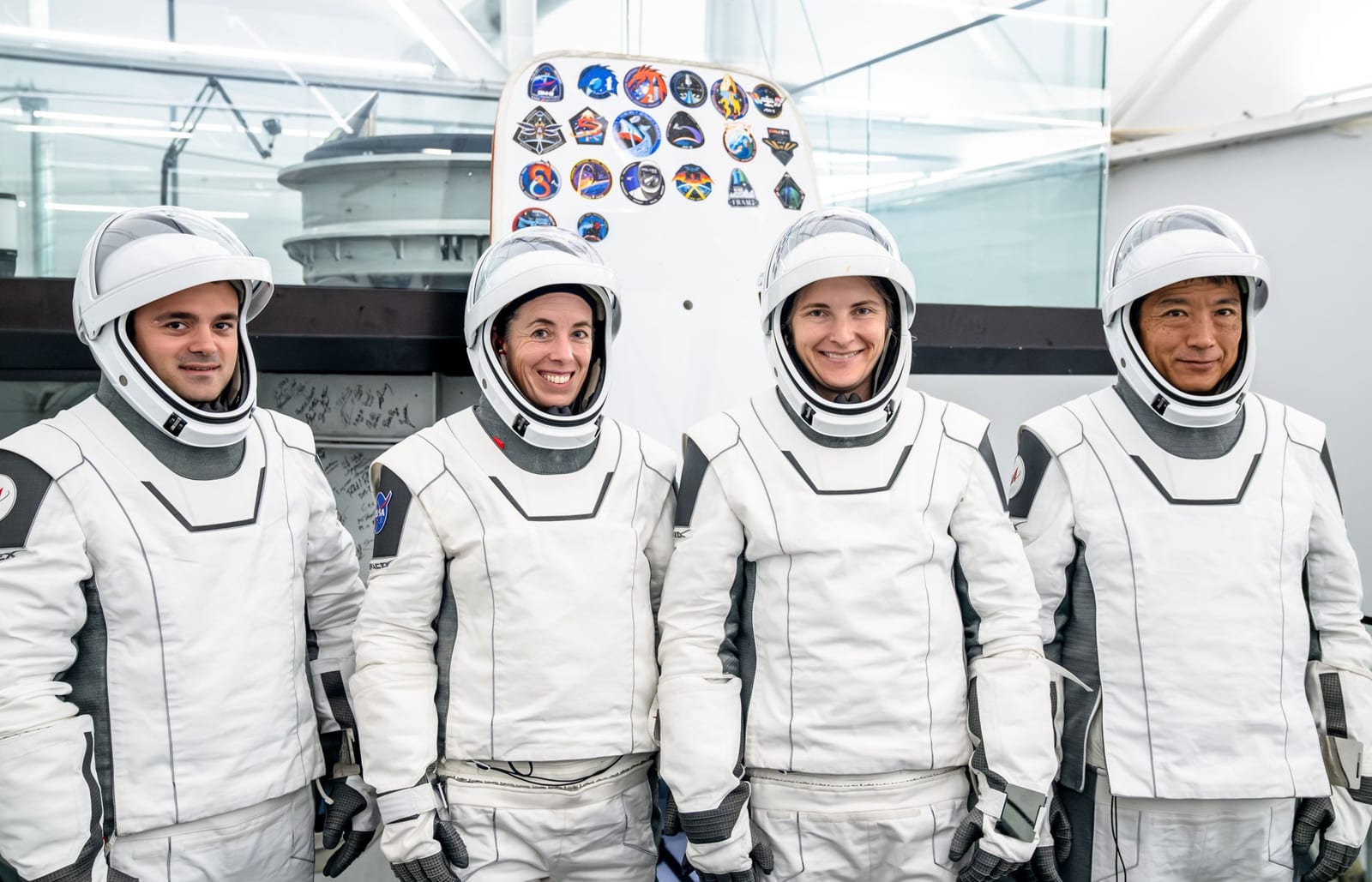
Four crew members from three space agencies will launch to the International Space Station no earlier than spring 2027 for a long-duration science expedition as part of NASA’s SpaceX Crew-14 mission. NASA astronauts Kayla Barron and Chris Birch will serve as spacecraft commander and pilot, with JAXA (Japan Aerospace Exploration Agency) astronaut Makoto Suwa, and Roscosmos cosmonaut […]

NASA Welcomes Côte d’Ivoire as Newest Artemis Accords Signatory

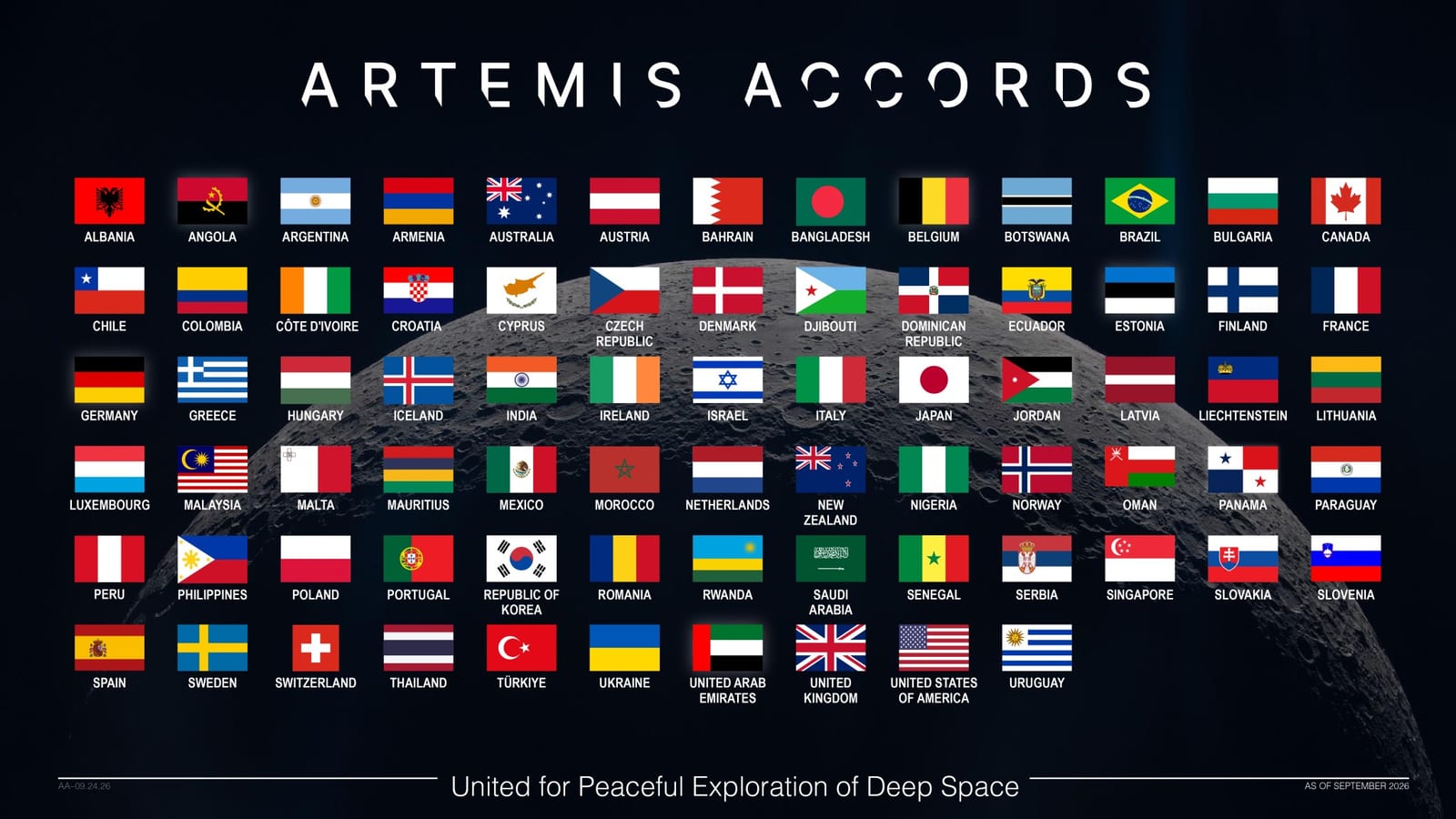
Côte d’Ivoire signed the Artemis Accords on Thursday, becoming the 75th signatory and marking a major milestone for this growing coalition. With the signing ceremony in the nation’s largest city, Abidjan, Côte d’Ivoire joined other like-minded nations and committed to the peaceful, transparent, and responsible exploration of the Moon, Mars, and beyond. “The United States […]

Practicing for Safe Landings on the Moon and Beyond

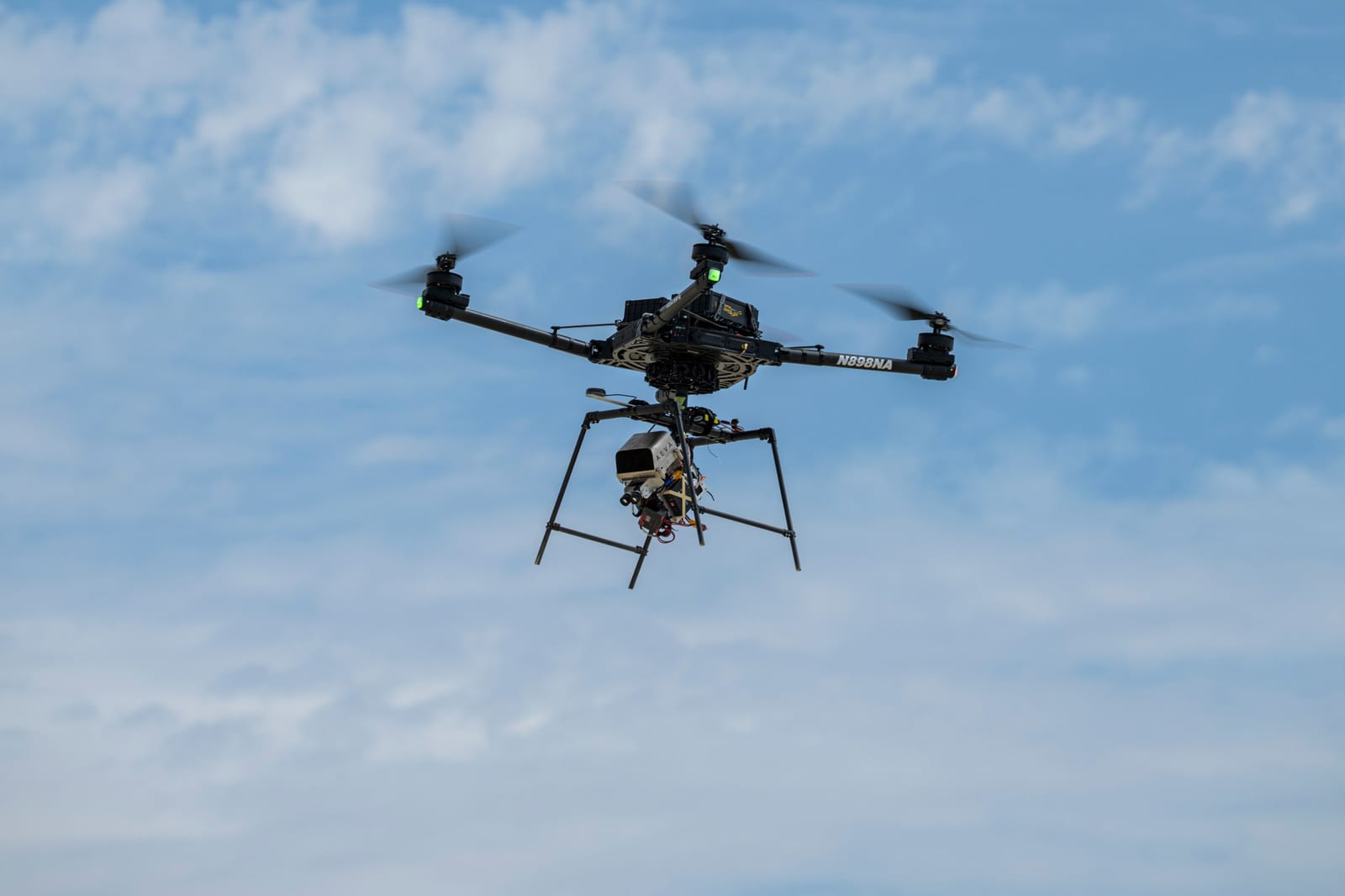
In this Aug. 27, 2026, image, an Alta-X drone flies an advanced guidance and navigation system known as the Safe and Precise Landing – Integrated Capabilities Evolution (SPLICE) experiment near NASA’s Armstrong Flight Research Center in Edwards, California. Researchers at NASA’s Johnson Space Center in Houston developed SPLICE, which successfully completed simulated lunar descent and […]