Advertisement
Advertisement

Science

One CRISPR treatment cut “bad” cholesterol in half for a full year

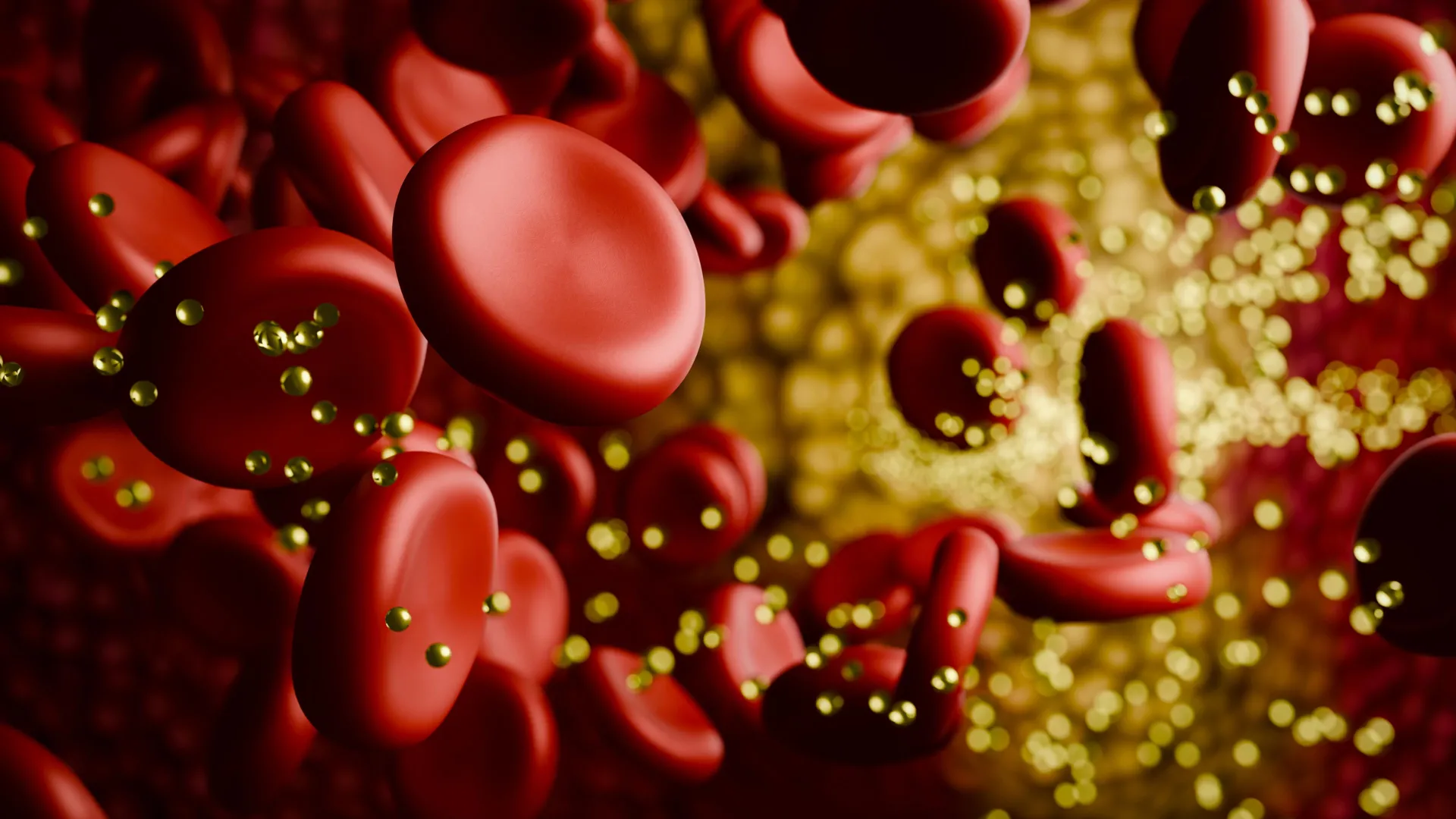
A single dose of an experimental CRISPR therapy cut LDL cholesterol and triglycerides by about half in patients with difficult-to-treat lipid disorders. The reductions were still present one year later, with the highest dose lowering LDL by 52.5% and triglycerides by 47.8%.


Atrial fibrillation patients saw 69% lower risk with common blood thinners

Direct oral anticoagulants cut the risk of serious clinical events by 69% in atrial fibrillation patients with an intermediate risk of stroke, according to the randomized SINGLE-AF trial. The benefit was driven mainly by fewer ischemic strokes, with no increase in major bleeding.

New soil test could reveal how soil microbes help feed plants

Scientists have streamlined a method for measuring DNA-bound phosphorus in soil, making it cheaper and easier while preserving its accuracy. The technique could reveal how soil microbes help recycle phosphorus and ultimately support more sustainable fertilizer and nutrient management.

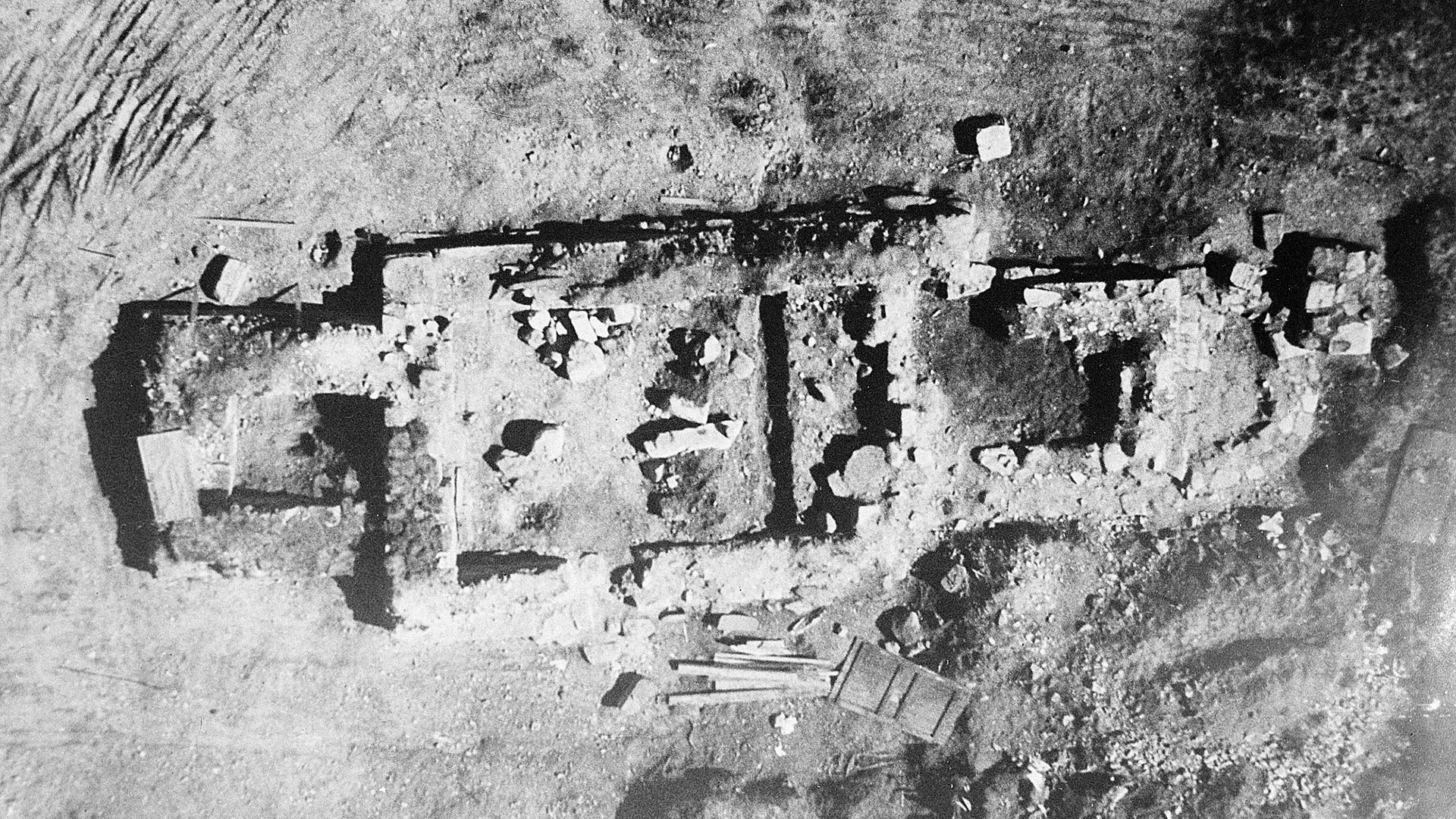
These medieval graves looked like family burials. DNA told a different story

Ancient DNA shows that adults and children buried together in medieval Sweden were often not members of the same immediate family, suggesting that burial choices reflected more than biological kinship. The research also revealed early gender-based burial customs and uncovered the remarkable story of a young woman who may have completed a pilgrimage across Europe.

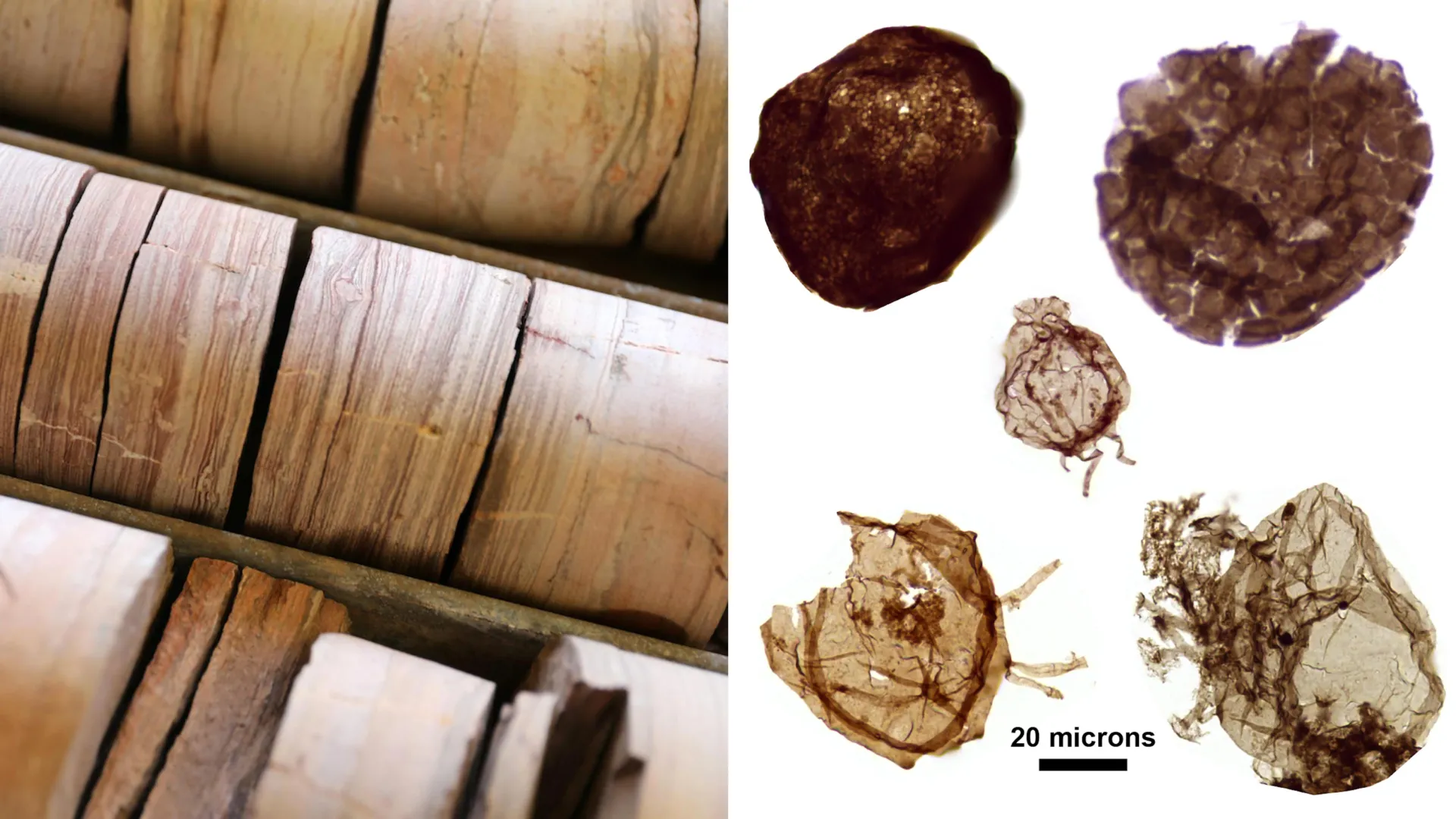
1.7-billion-year-old fossils reveal a crucial clue to the rise of complex life

Scientists studying ancient Australian rocks uncovered more than 12,000 fossils from some of the oldest known eukaryotes on Earth. These early complex cells lived in settings ranging from coastal mudflats to the open sea, but only where oxygen was available. Oxygen-free environments contained simpler microbes instead. The findings strengthen the idea that oxygen played a crucial role in the emergence of complex life.

Why rheumatoid arthritis pain may persist even when inflammation is under control

Pain and fatigue in rheumatoid arthritis can persist even after inflammation improves, with depression, poor sleep, obesity, smoking, and chronic pain potentially helping sustain symptoms. Researchers say identifying these hidden drivers could prevent unnecessary medication changes and lead to more personalized treatment.

Advertisement

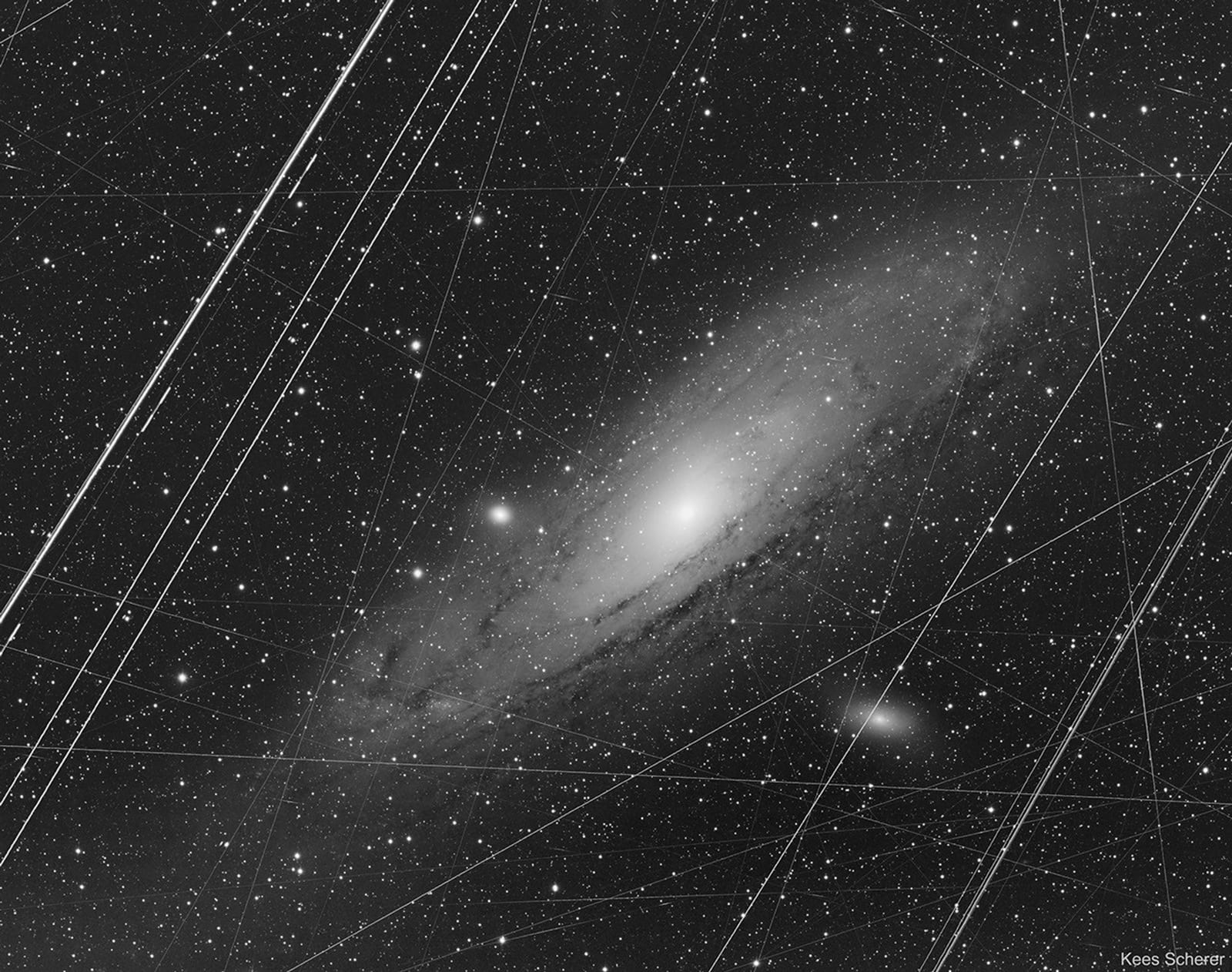
APOD: 2026 September 27 – Andromeda Before and After Photoshop

APOD Science APOD APOD: 2026 September 27 –… Today’s APOD Archive Submissions Index Search Calendar RSS Education About Discuss APOD Astronomy Picture of the Day Discover the cosmos! Each day a different image or photograph of our fascinating universe is featured, along with a brief explanation written by a professional astronomer. BeforeAfter Andromeda Before […]

Video
Advertisement

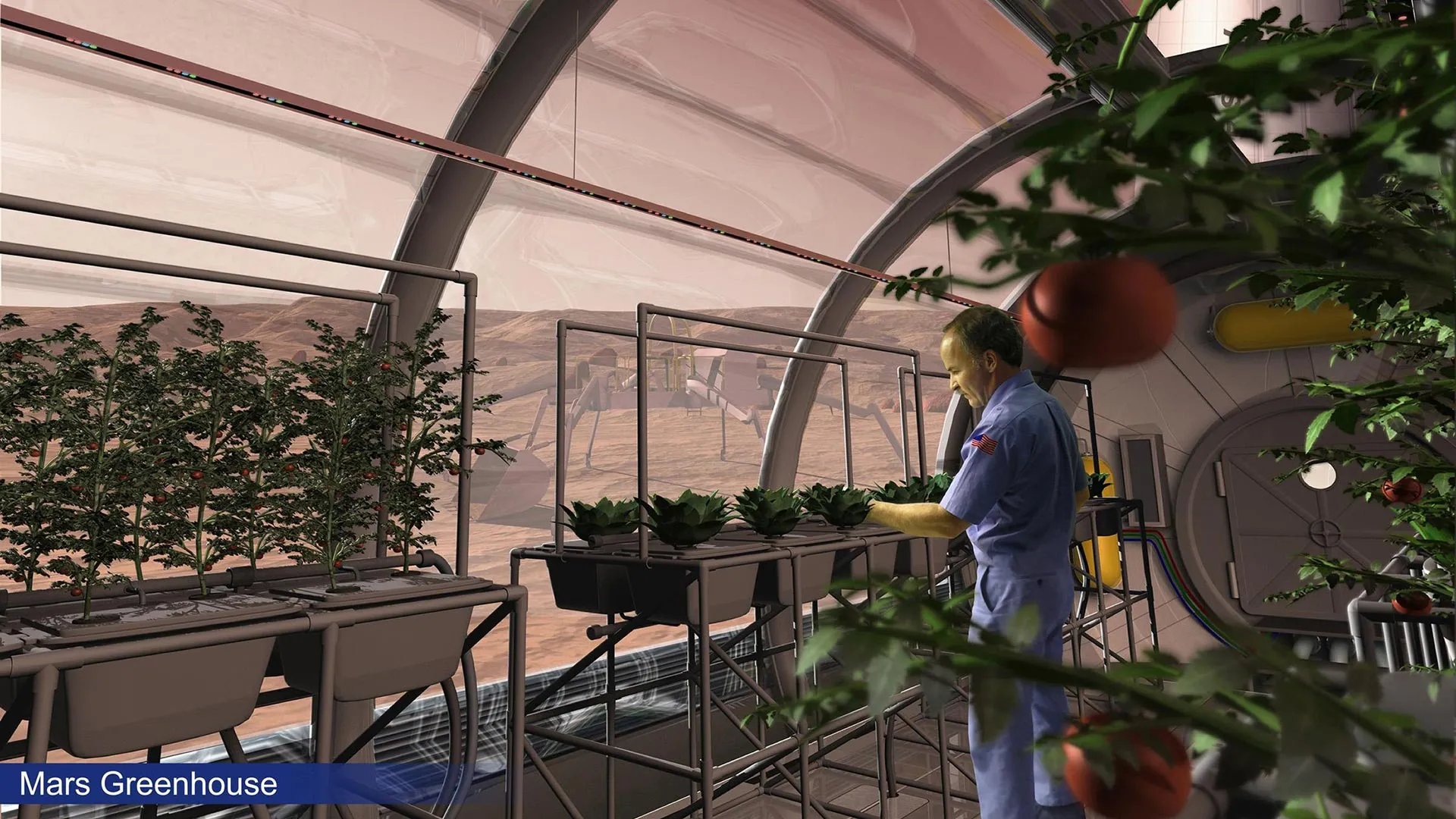
The secret to growing food on Mars could be fungi

Scientists think beneficial fungi could help transform nutrient-poor lunar and Martian regolith into a material capable of supporting crops. By helping plants access nutrients and withstand harsh conditions, these microbes could someday make self-sustaining space farming more realistic.

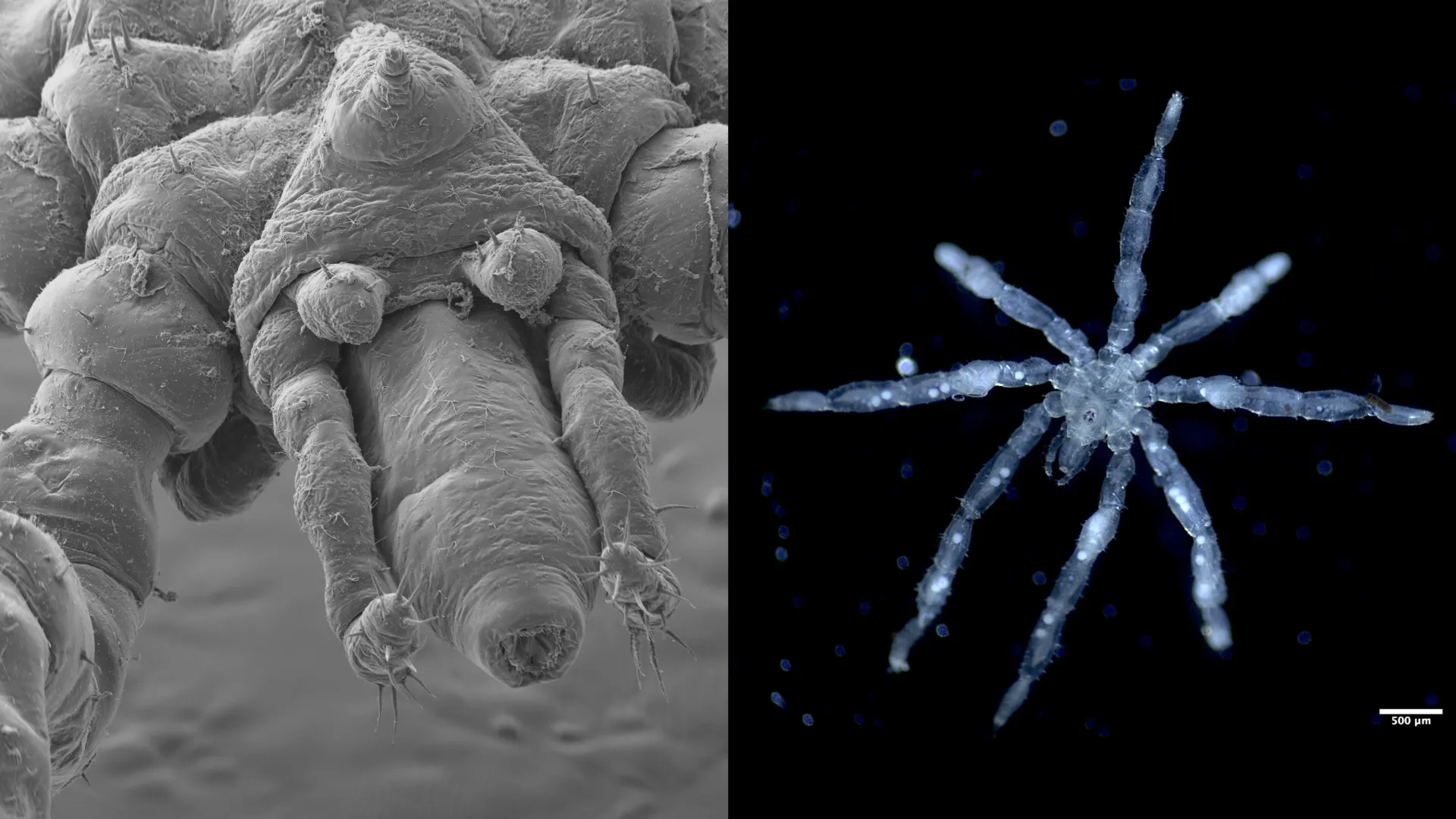
Scientists discovered two bizarre new sea spiders that are “nightmare fuel”

Scientists discovered two strange new sea spider species in the Salish Sea, including a hairy-legged, red-eyed species that can groom itself with comb-like appendages. Another is frequently covered in tiny parasites, and researchers say many more undiscovered sea spiders may still be hiding in the region.

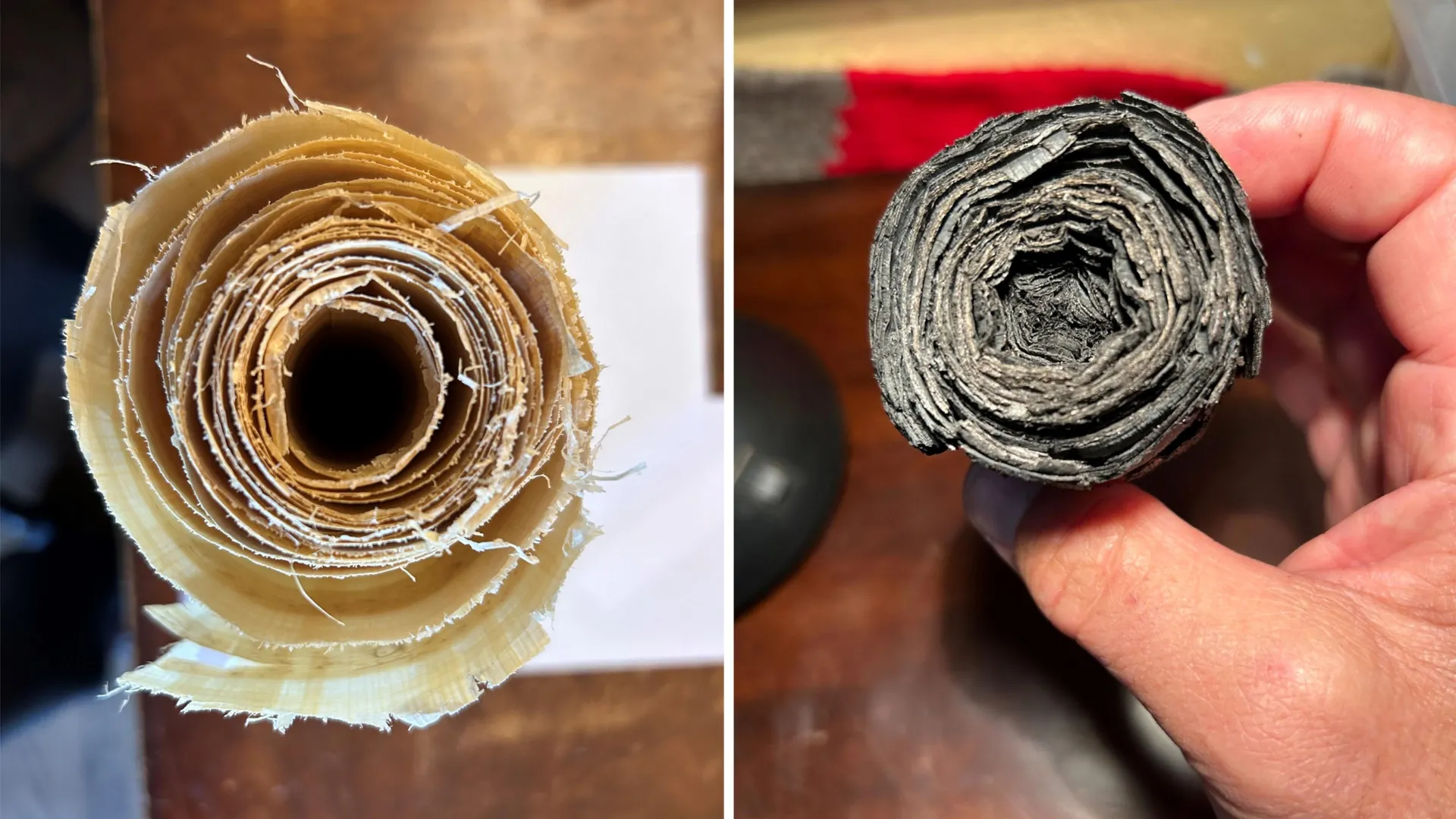
Scientists burned their own scrolls to unlock a 2,000-year-old mystery

Scientists discovered that tiny amounts of lead in ancient ink can make writing inside burned papyrus scrolls stand out dramatically in X-ray scans. The technique could help unlock lost Greek and Roman texts preserved by the eruption of Mount Vesuvius nearly 2,000 years ago.

Quantum computer simulates matter “popping into existence”

Scientists recreated a particle-forming process linked to the extreme physics of the early universe using a 13-ion quantum simulator. The breakthrough suggests quantum computers could eventually help researchers investigate how matter formed and evolved after the Big Bang.