Advertisement
Advertisement

Science

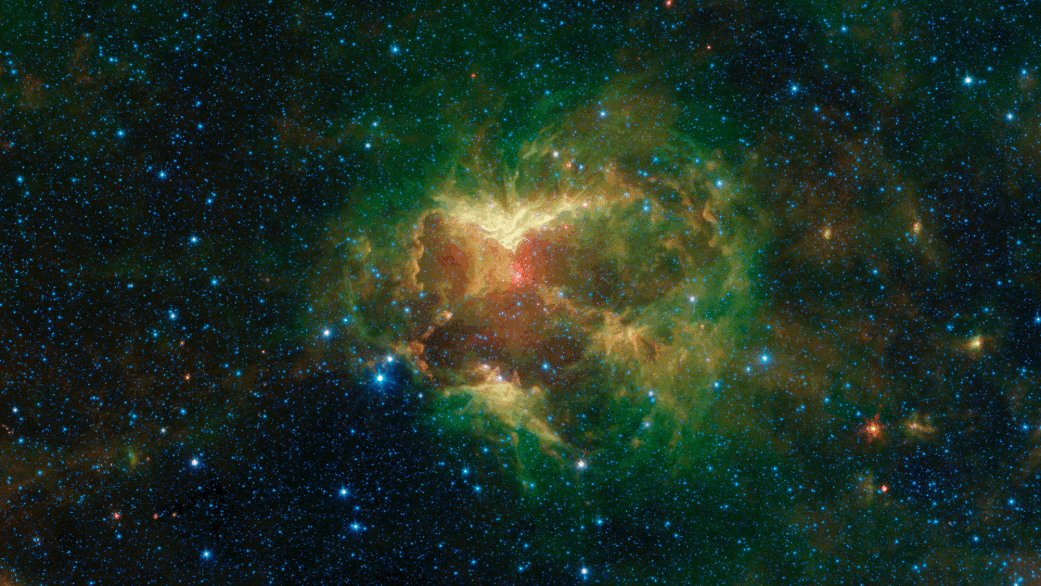
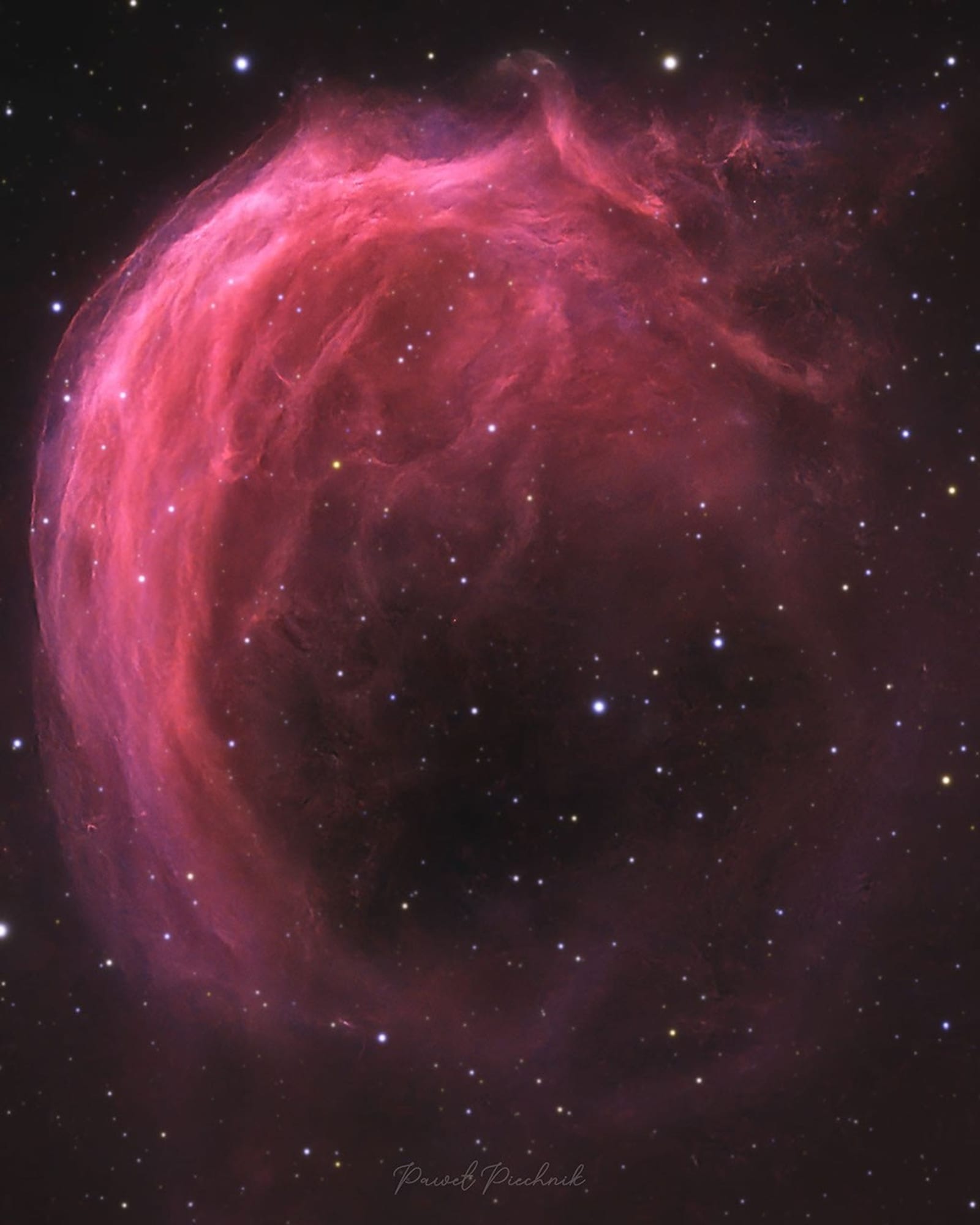
APOD: 2026 September 29 – Sh2-188: The Shrimp Nebula

APODScienceAPODAPOD: 2026 September 29 –…Today’s APODArchiveSubmissionsIndexSearchCalendarRSSEducationAboutDiscuss APOD Astronomy Picture of the Day Discover the cosmos! Each day a different image or photograph of our fascinating universe is featured, along with a brief explanation written by a professional astronomer. Sh2-188: The Shrimp Nebula Explanation: What causes the swirl in the Shrimp Nebula? Its high speed is […]


Video

October’s Night Sky Notes: Spooky Stargazing

The Ghoul Located within the constellation Perseus lies a star called Algol, also known as ‘Demon Star’ or ‘The Ghoul’. You can spot this star during the autumn months, along with Cassiopeia and Andromeda in the northeastern sky, beginning after 9 PM. In Greek mythology, this star represents the ‘blinking eye’ of the gorgon Medusa. […]

Mars Has Its Charmes

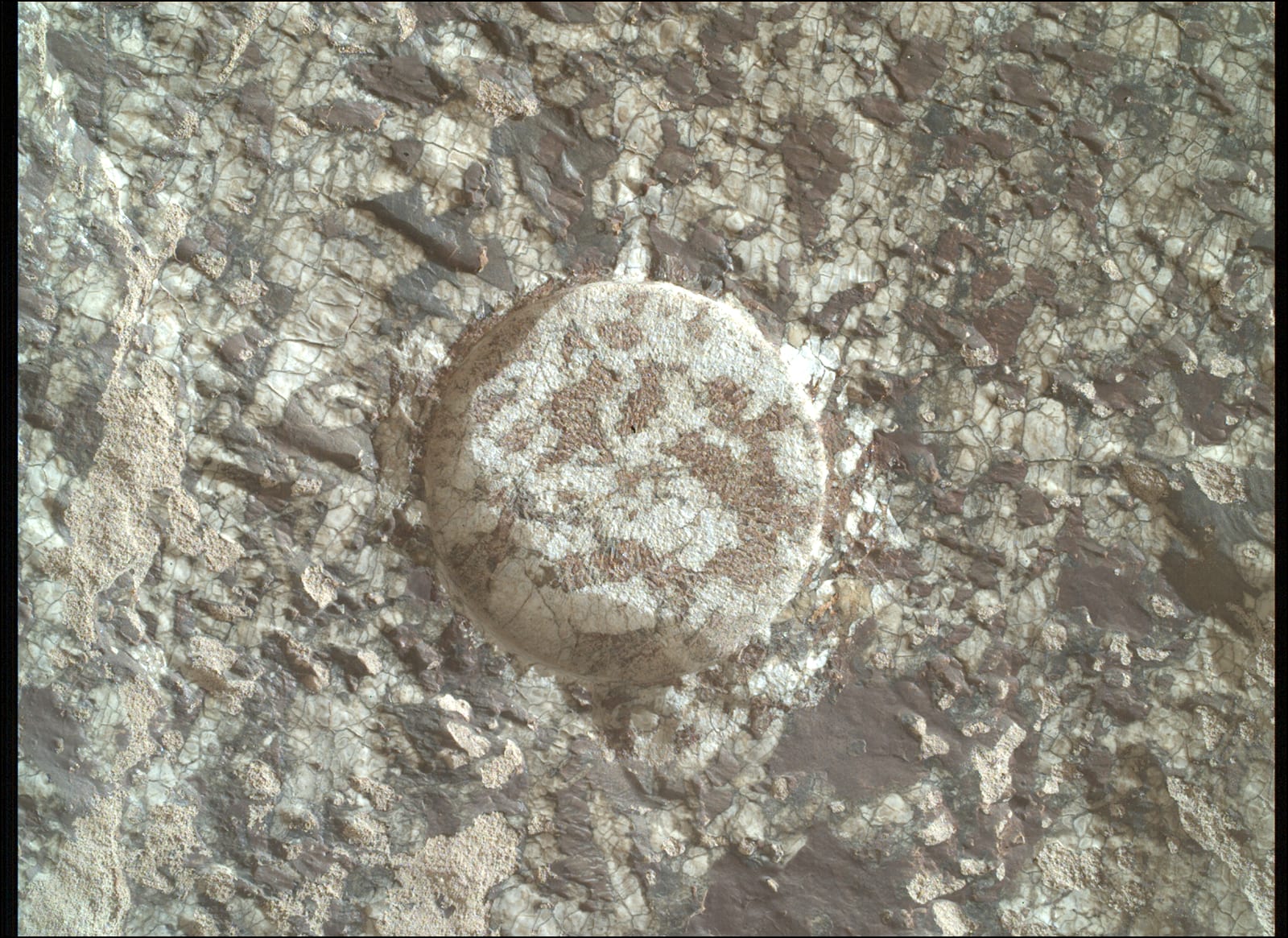
Written by Athanasios (Thanos) Klidaras, Ph.D. candidate at Purdue University Sept. 21, 2026 After a long hiatus, the Perseverance rover updates page is back. A lot has happened on Mars in the meantime, and with regular updates now resuming, there is plenty to catch up on — Perseverance has been busy. The rover has spent […]

NASA Highlights Lessons Learned From Swift Boost Mission

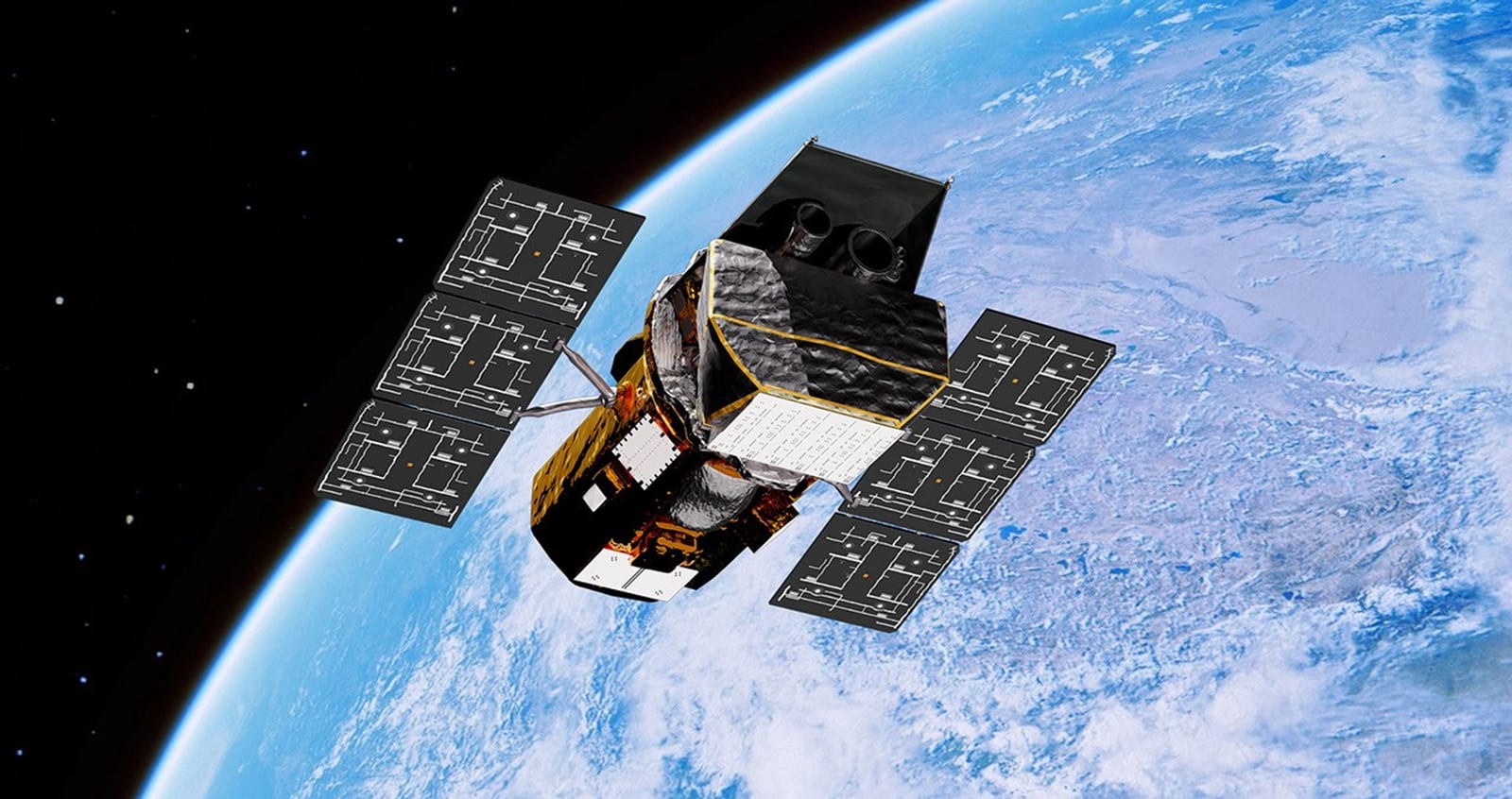
A commercial mission to boost NASA’s Swift observatory concluded without raising the spacecraft’s orbit, but the agency and industry vendor gained valuable experience that will benefit future in-space servicing programs.

NASA Armstrong Celebrates 80 Years of Flight Innovation

On Sept. 30, 1946, five National Advisory Committee of Aeronautics (NACA) engineers arrived at Muroc Army Airfield in California’s high desert to achieve supersonic flight for the first time. In less than two years, NACA flew the X-1 aircraft faster than the speed of sound, marking an important milestone in aviation history. Fast forward 80 […]

Video
Advertisement

NASA, Boeing Share Update on Commercial Starliner Development Plans

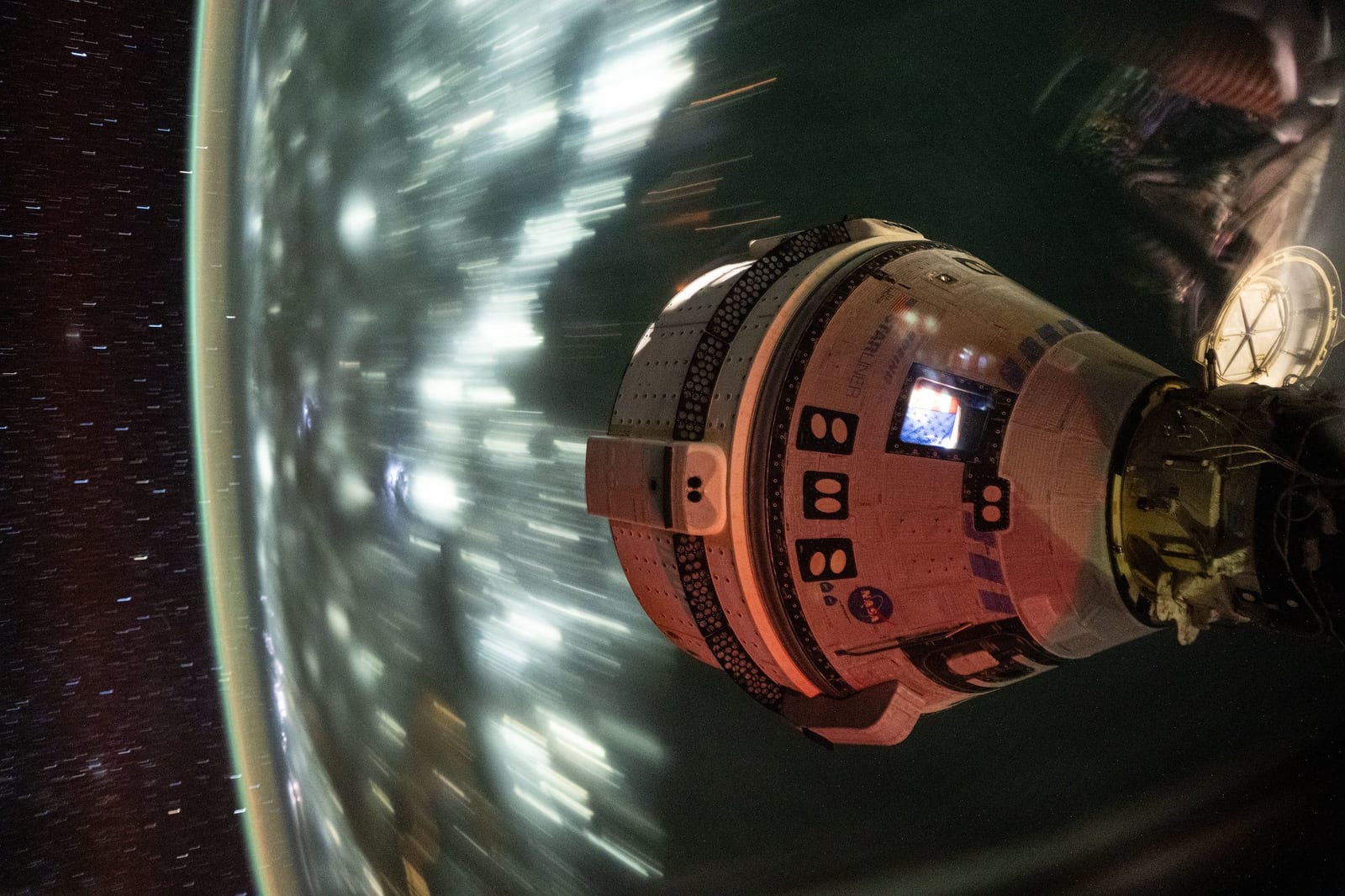
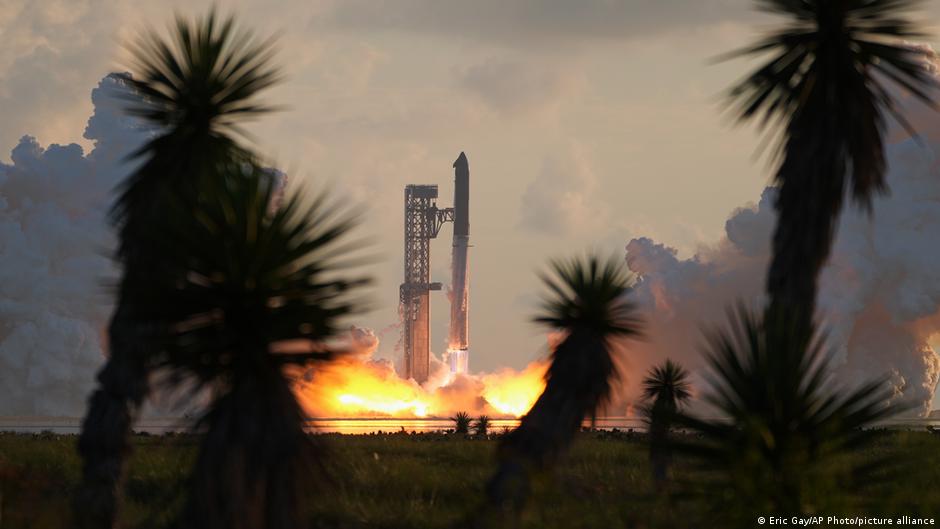
On Monday, NASA and Boeing provided an update on the company’s Starliner spacecraft, including adding additional crew missions and certifying a new rocket for crew transportation to low Earth orbit. “We are living through the most exciting era of space exploration since Apollo,” said NASA Administrator Jared Isaacman. “As this domain continues to open, there […]

NASA ORBIT Challenge 2027

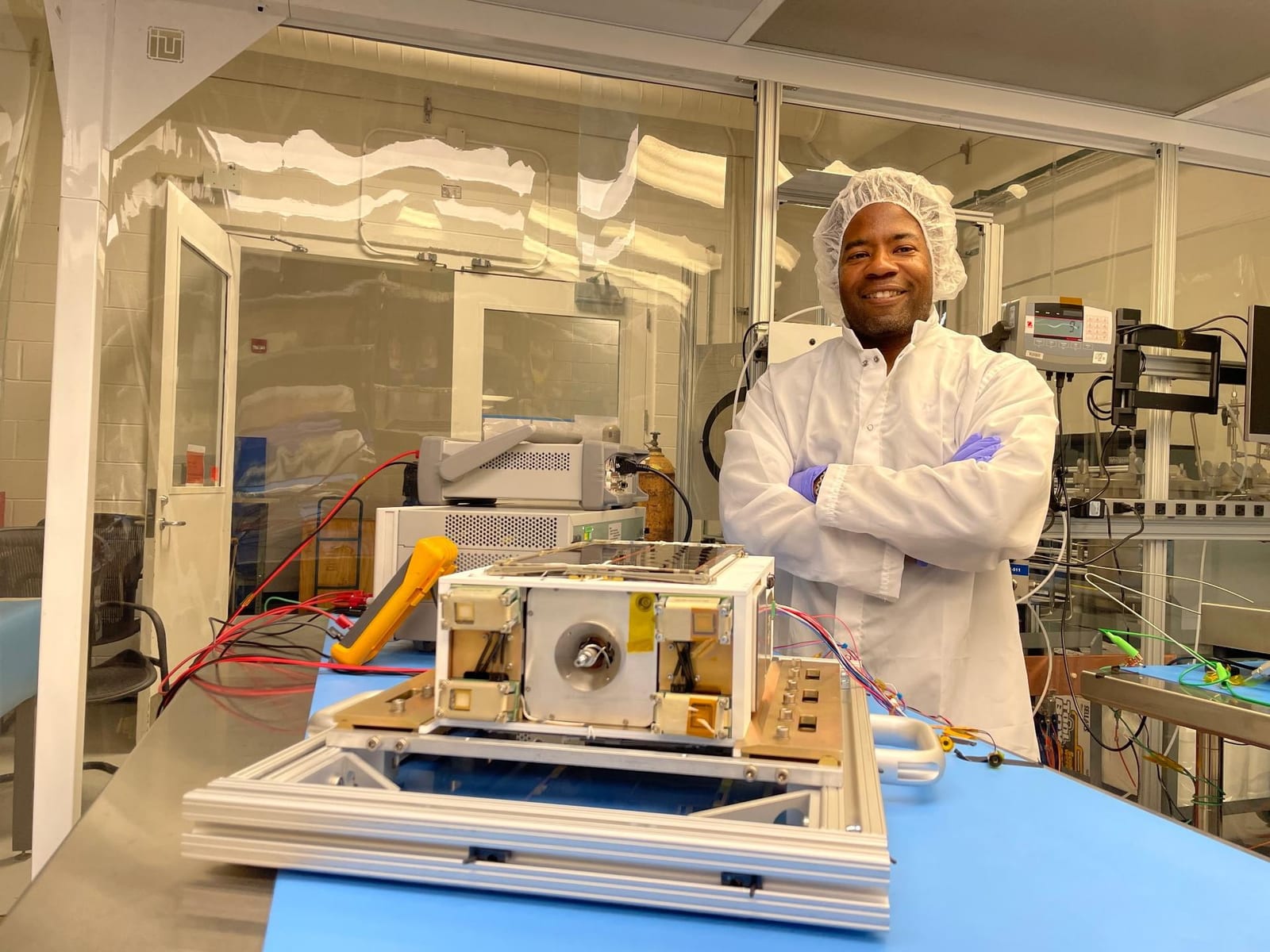
The NASA ORBIT (Opportunities in Research, Business, Innovation, and Technology for the Workforce) Challenge invites university and community college students nationwide to work with real NASA intellectual property and mission challenges. Choose your path: develop commercial applications of NASA patents that solve problems here on Earth (ORBIT Earth), or design next-generation technologies for space exploration […]

Space Station View of Earth at Night

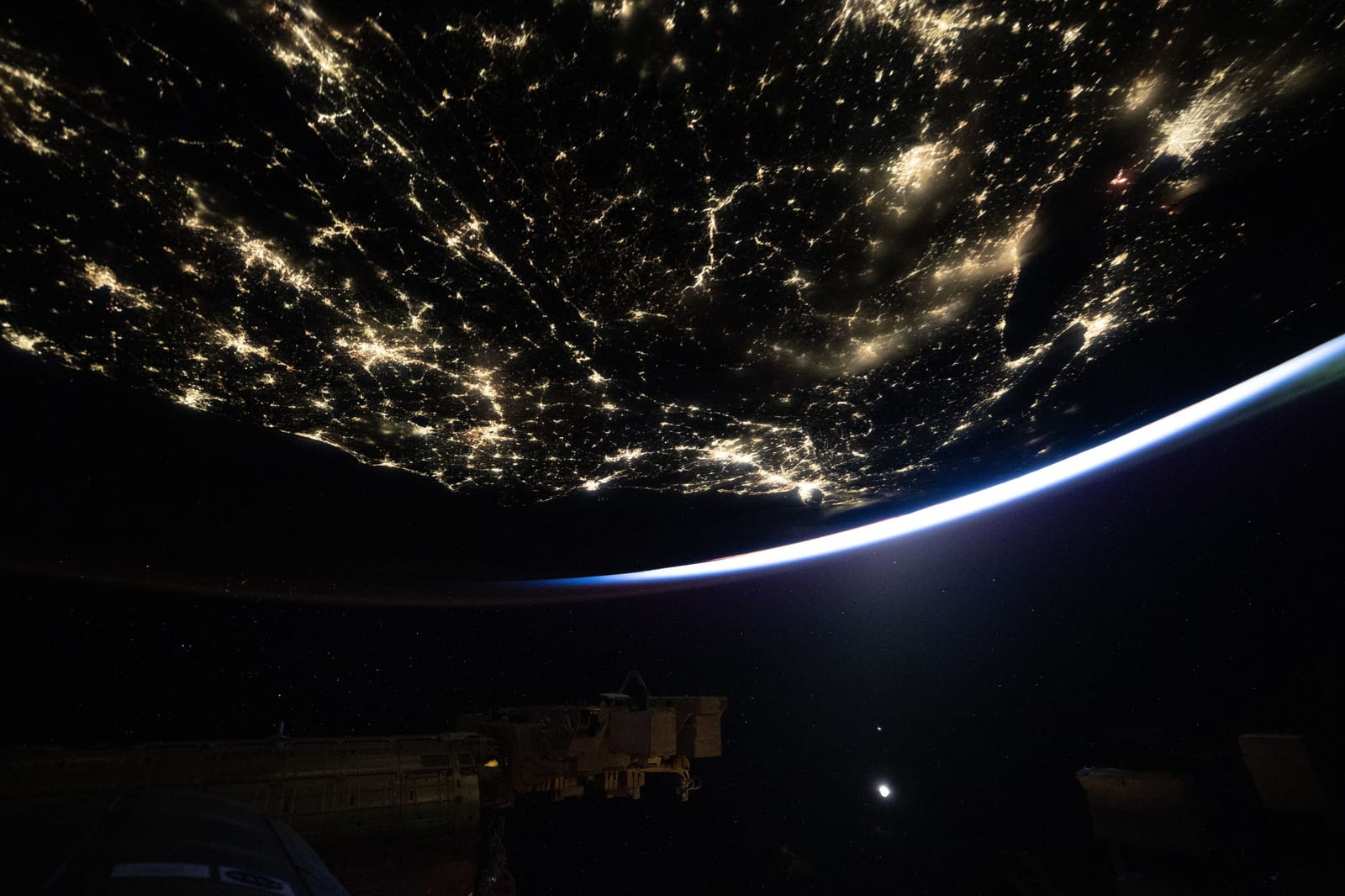
This nighttime view of the United States, dotted with city lights looking toward New York City (center), was taken at approximately 3:40 a.m. local time on Sept. 8, 2026, from the International Space Station as it orbited 259 miles above Earth. Image credit: NASA/Jessica Meir

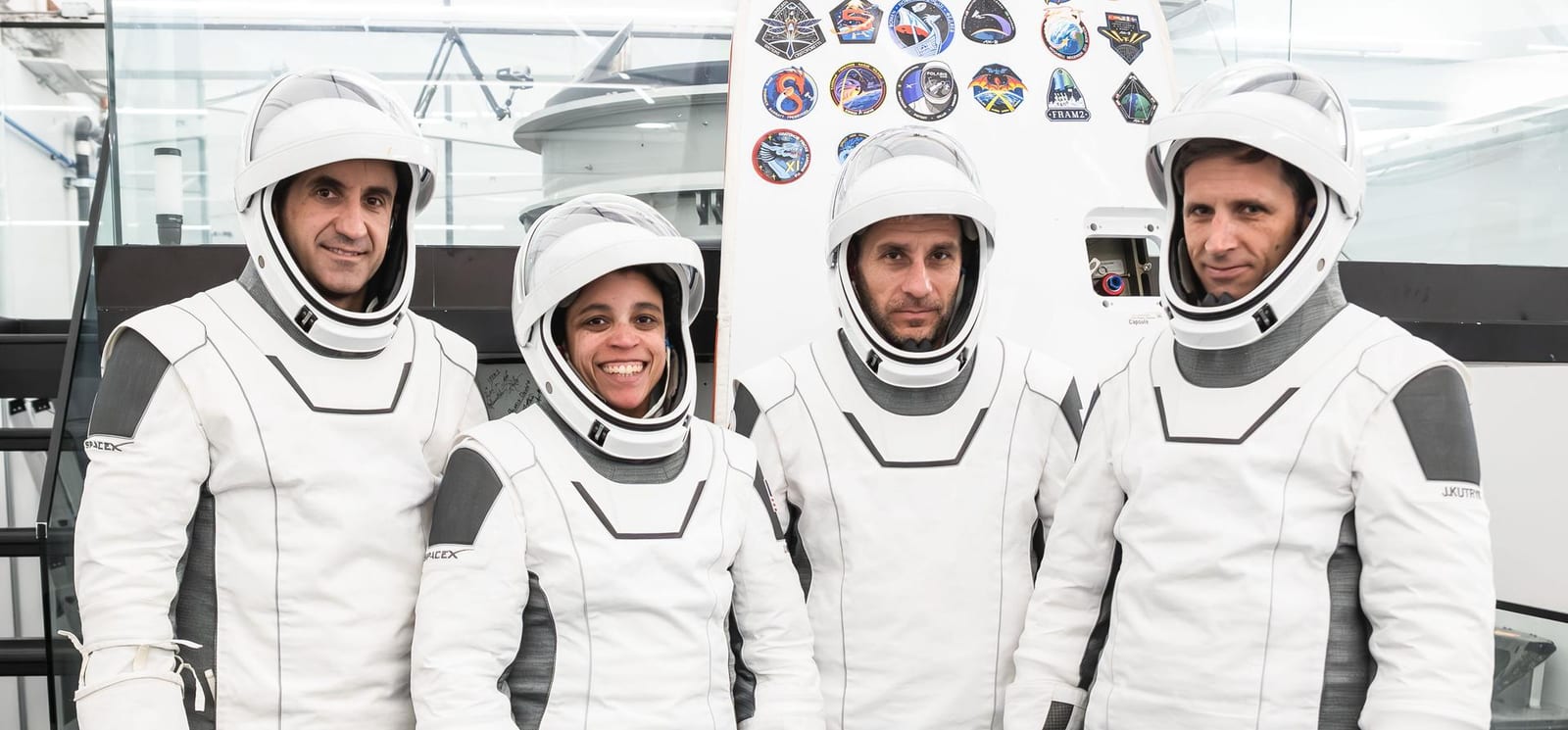
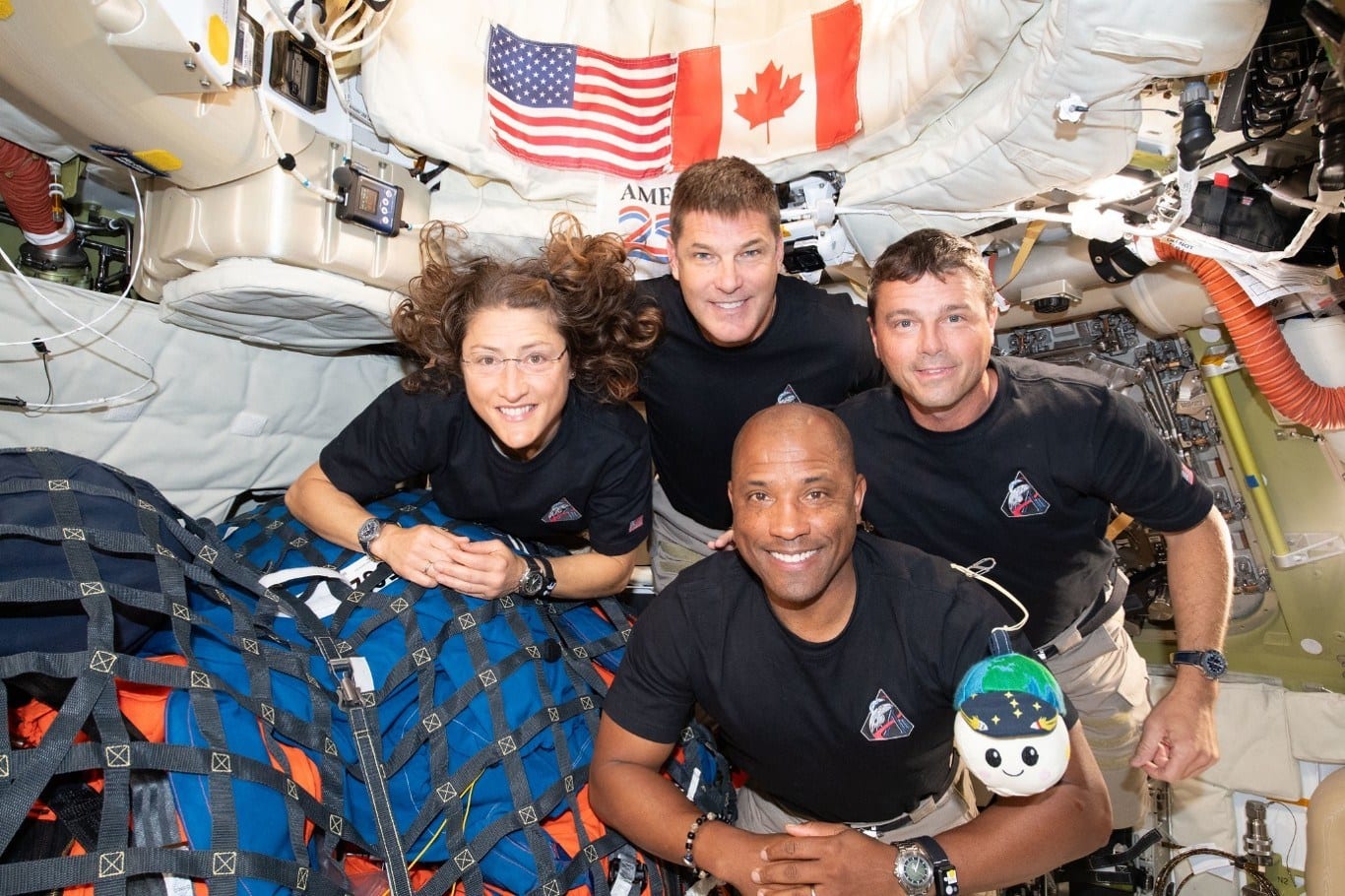
Meet NASA’s Artemis II Crew During Houston Public Event

Editor’s Note: This advisory was updated on Sept. 28, 2026, with ticketing information for the public. The four astronauts of NASA’s Artemis II mission will participate in an event hosted by industry and community partners at the University of Houston to discuss their mission around the Moon aboard the Orion spacecraft. It will be the […]

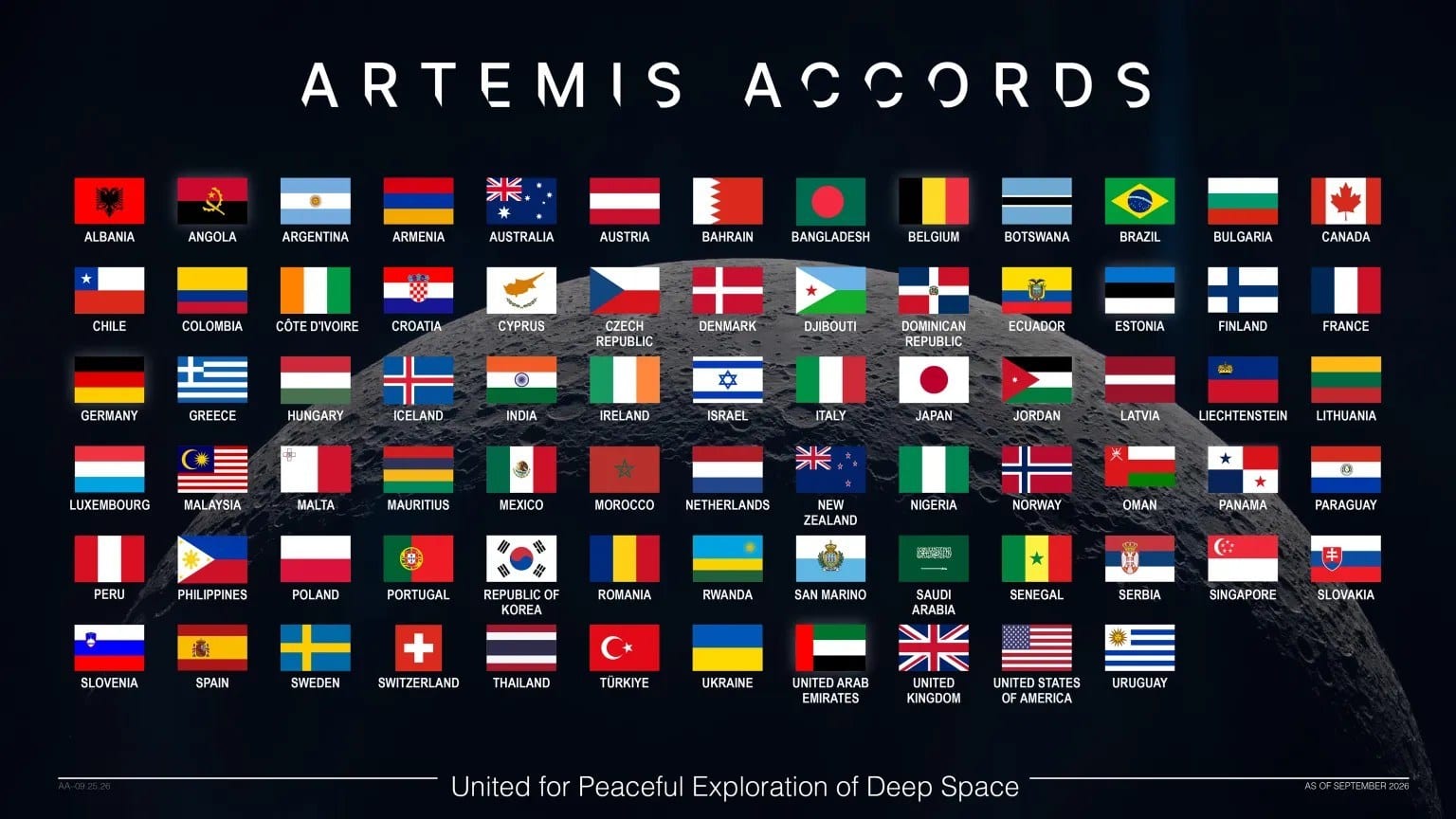
NASA Celebrates as Artemis Accords Surpasses 75 Signatories

Marking a significant expansion in the number of signatories to the Artemis Accords, NASA welcomed Albania, Croatia, Côte d’Ivoire, and San Marino, bringing total participation to 76 countries. “Our momentum reflects a growing commitment to peaceful, responsible exploration and a shared understanding that the future in space will be shaped by those willing to lead,” […]

Advertisement

Resetting the body clock could help the brain recover after stroke

Strengthening the body’s natural daily rhythms helped mice recover after stroke by improving the brain’s waste-clearing system and reducing lingering inflammation. The approach worked even when treatment began three days after the stroke, suggesting circadian-based therapies could eventually offer a new way to support long-term recovery.

Scientists found a surprising driver of Alzheimer’s outside the brain

Scientists found that immune cells contributing to Alzheimer’s-related brain damage may be activated in lymph nodes outside the brain before traveling into the nervous system. Blocking this pathway in mice dramatically reduced neurodegeneration and preserved cognitive abilities, pointing to a potentially more accessible treatment target.

160-million-year-old proteins show surprising power against superbugs

Scientists resurrected antimicrobial peptides from mammals that lived millions of years ago and found that some were more potent against drug-resistant bacteria than modern human versions. These evolutionary relics could provide new clues for designing treatments as antibiotic resistance becomes an increasingly serious threat.