Advertisement
Advertisement

Science

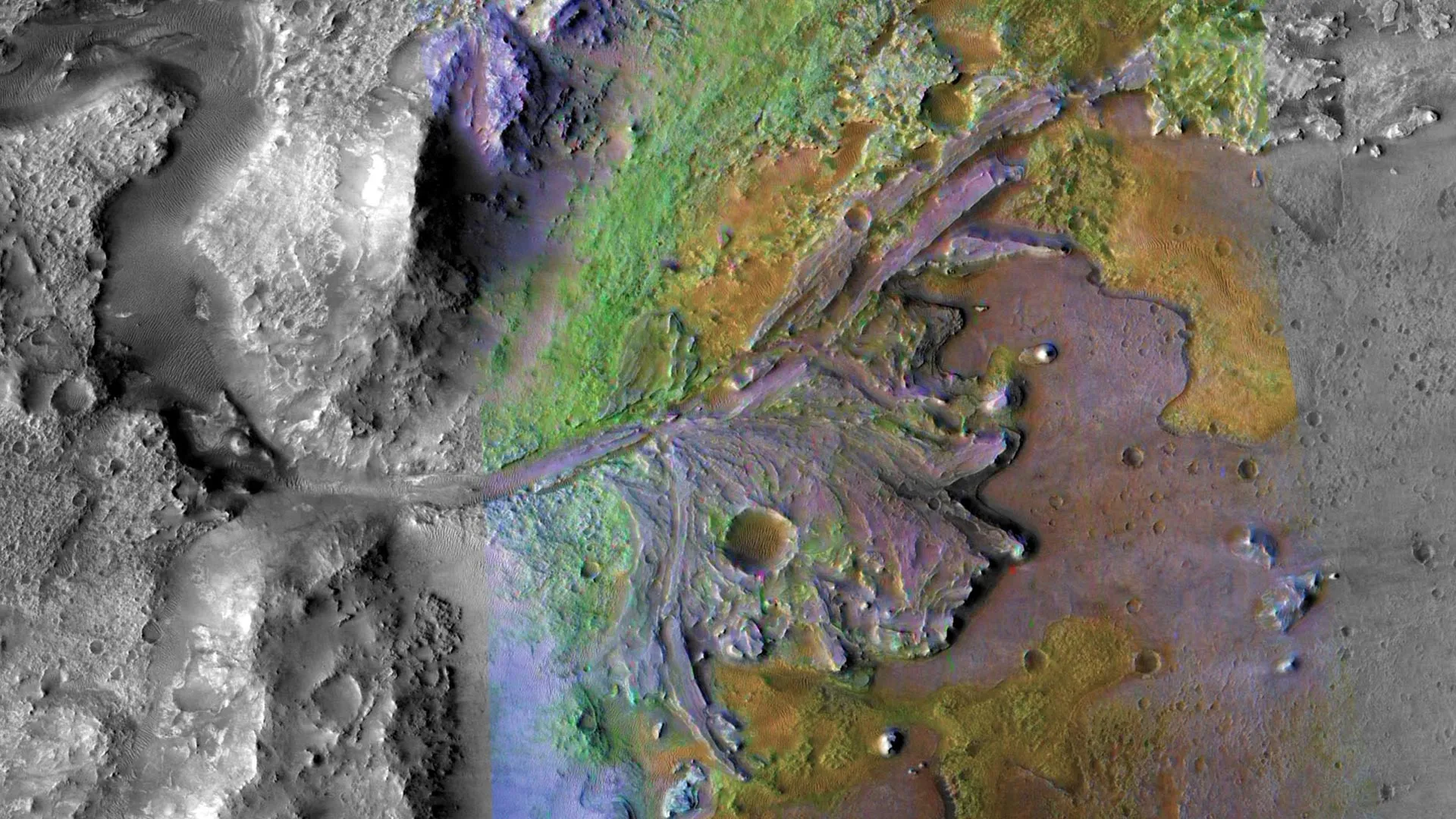
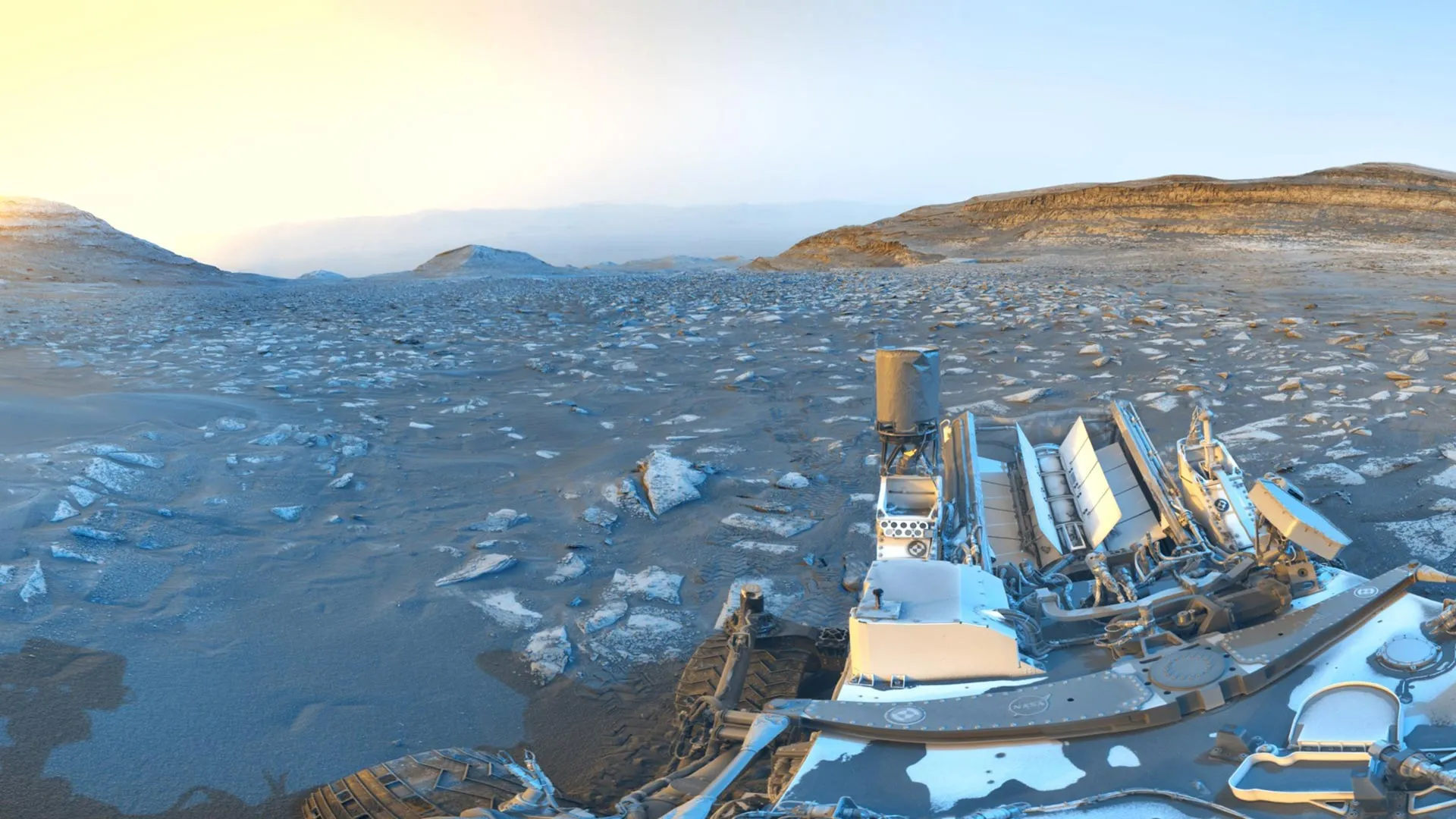
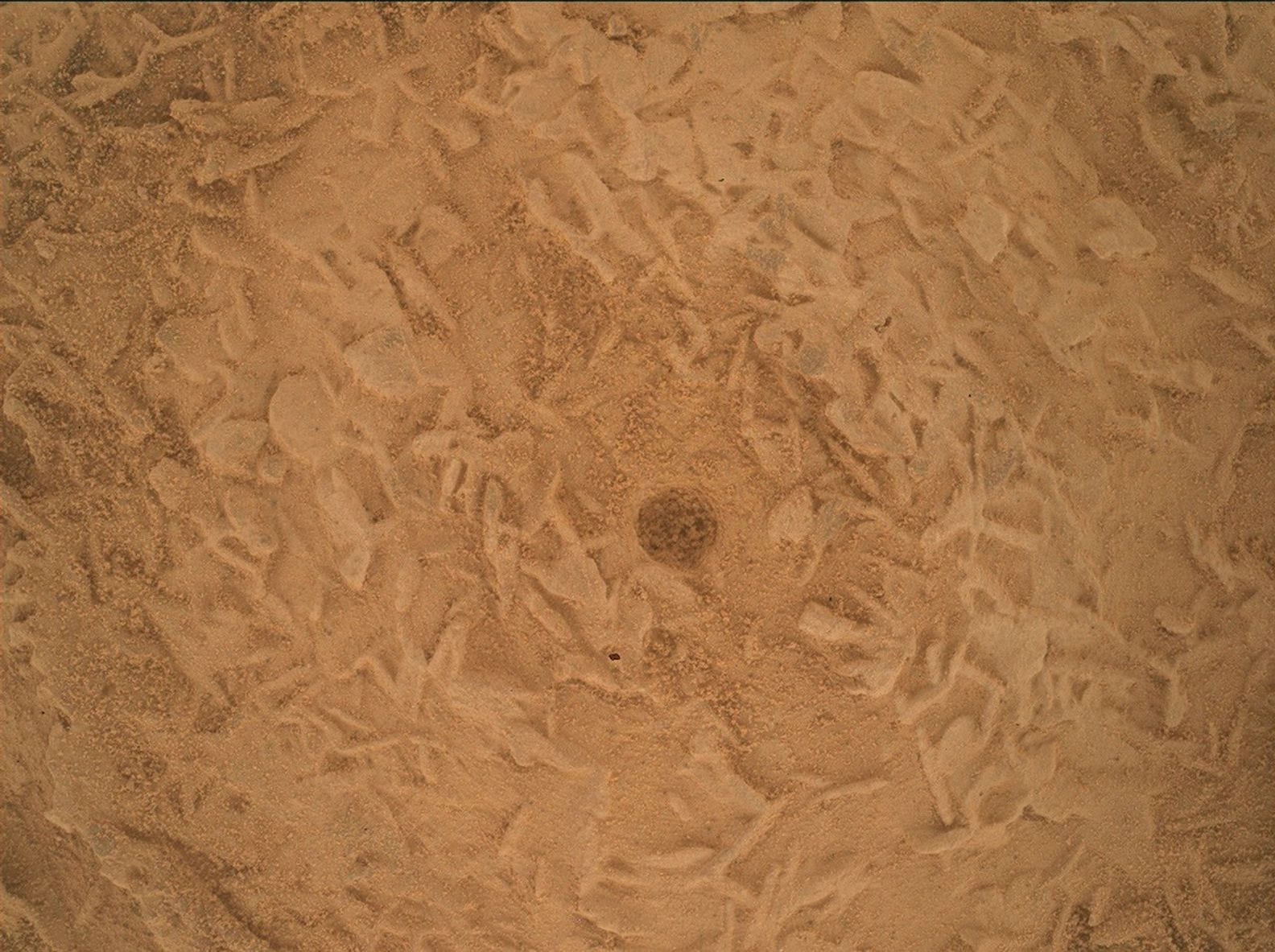
Curiosity Blog, Sols 5016–5021: Fantastic Minerals and How To Detect Them

Written by Lucy Lim, Planetary Scientist at NASA Goddard Space Flight Center Earth planning date: Friday, Sept. 18, 2026 Curiosity surprised us at the beginning of the week with a change in rock texture — instead of the finely layered bedrock blocks we’ve been seeing in our recent sulfate unit workspaces, suddenly we were looking […]

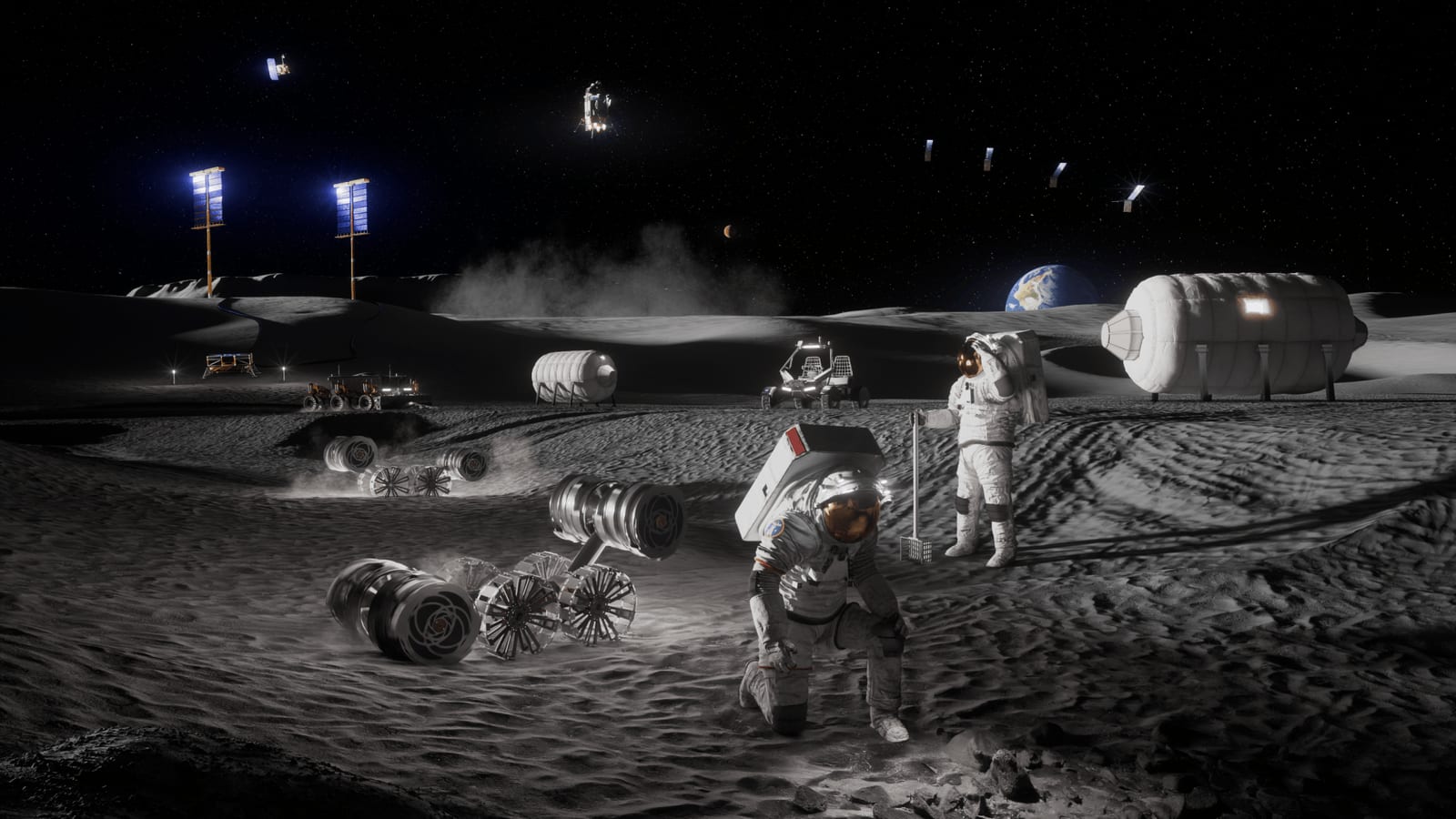
NASA Adds New Science Investigations for Moon Base

Editor’s note: This release was updated on Sept. 30, 2026, to correct the name of the DISCO payload. NASA selected three new scientific investigations and their payload suites to advance our knowledge of the Moon and help pave the way for building humanity’s first lunar outpost, Moon Base. The suite of science instruments and technologies […]

NASA Awards Contract to Develop 5G Communications for Moon

NASA has awarded Modulate Space Corporation a contract to develop key elements of a 5G communications system for use on the lunar surface with built-in Wi-Fi 6, for NASA’s Glenn Research Center in Cleveland. This accelerated effort is organized into two primary work areas that together will develop a scalable, standards-based communications capability designed to […]

Help Overlap Zoo Reveal Cosmic Dust

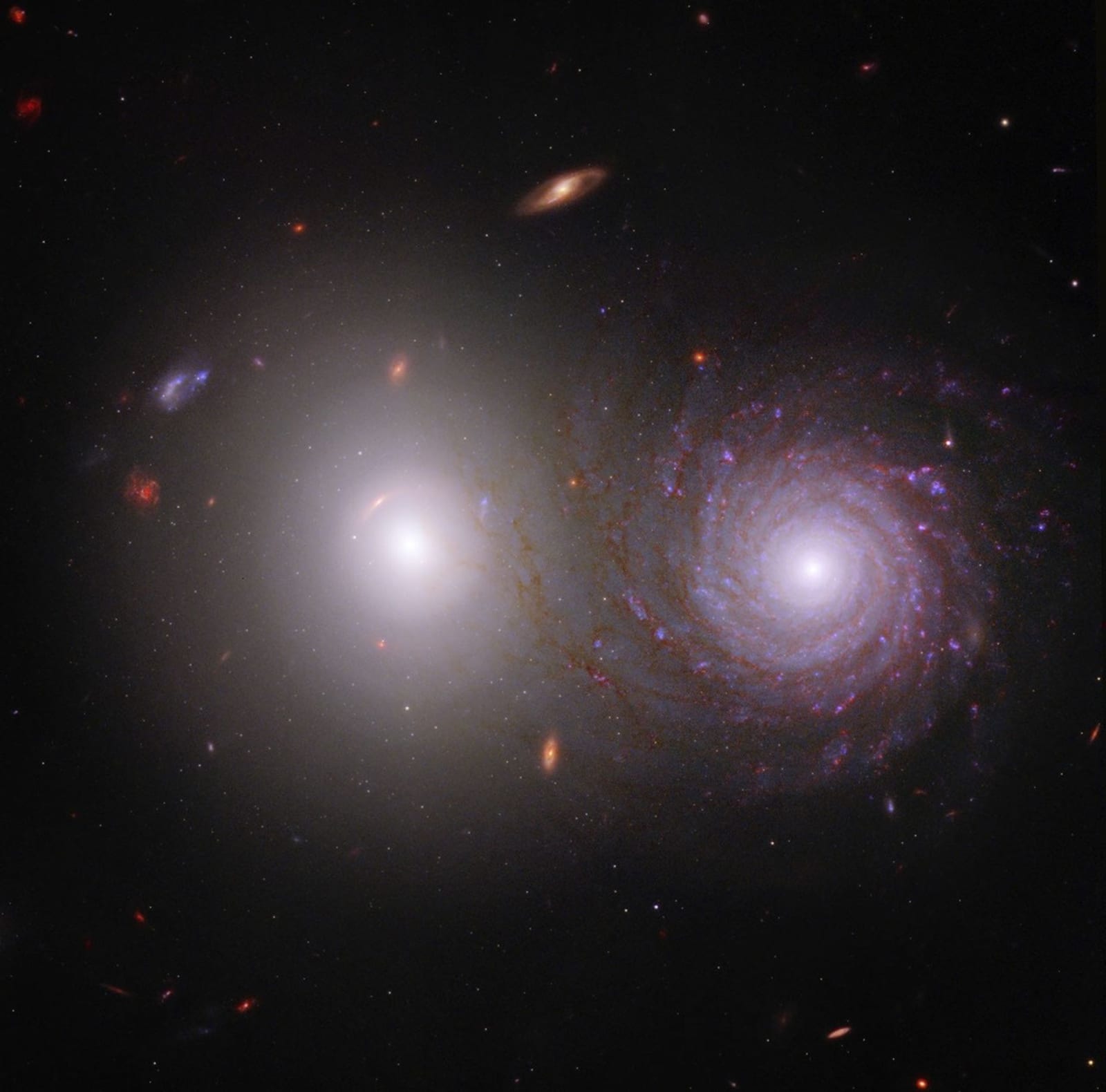
Galaxies, vast collections of billions of stars, gas, and dust held together by gravity, are scattered across the immensity of space. But every so often, a coincidence occurs: Two galaxies line up from our point of view on Earth (or from a space telescope) and appear to overlap in the sky. These rare overlapping galaxies […]

Star Trails

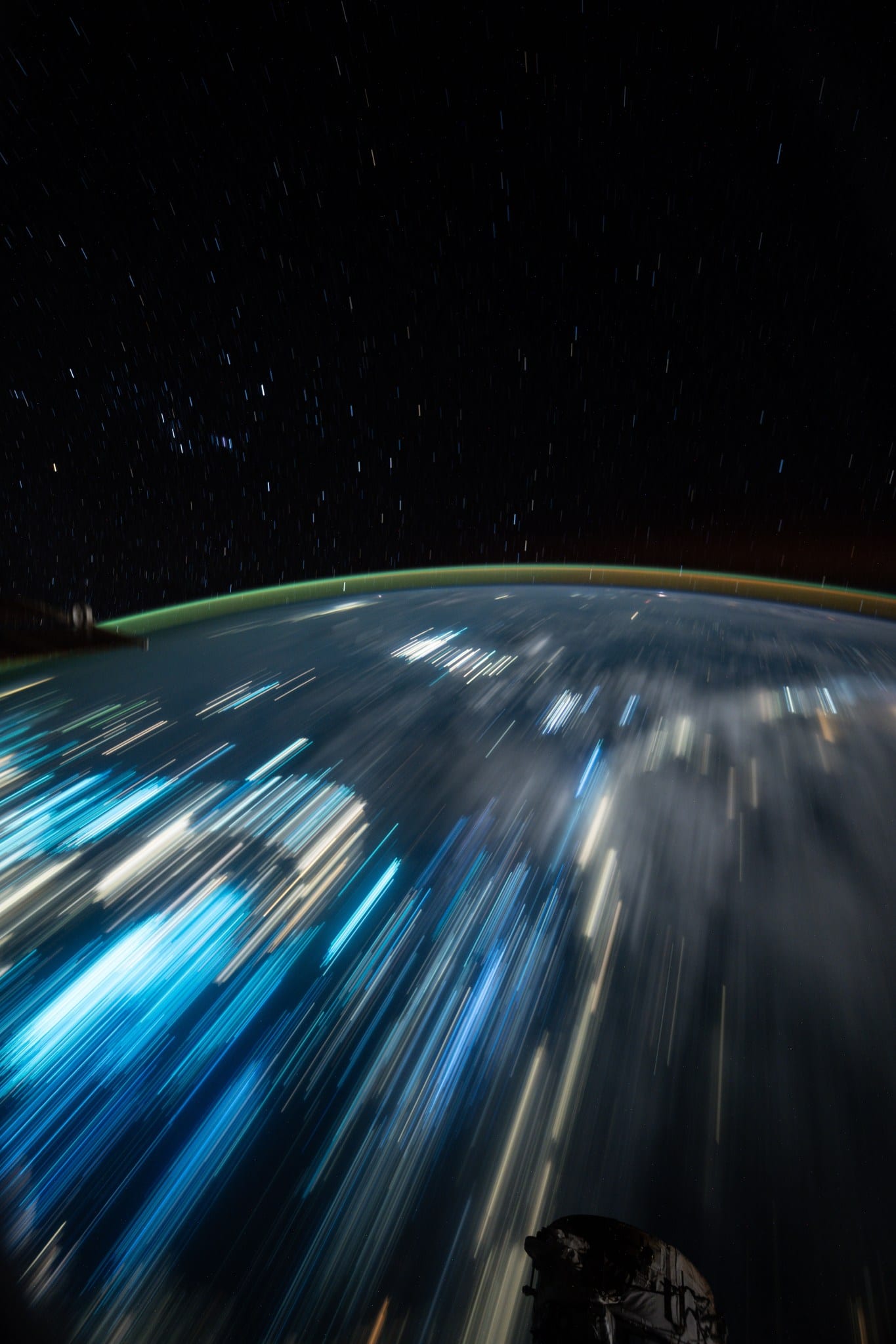
This long-duration image shows star trails above Earth and the blue lights of fishing boats and the yellow lights of Indonesian cities stretching below the International Space Station as it orbited 258 miles above the Banda Sea on Sept. 20, 2026. Image credit: NASA/Anil Menon

NASA, International Partners Advance Work on Space Crops

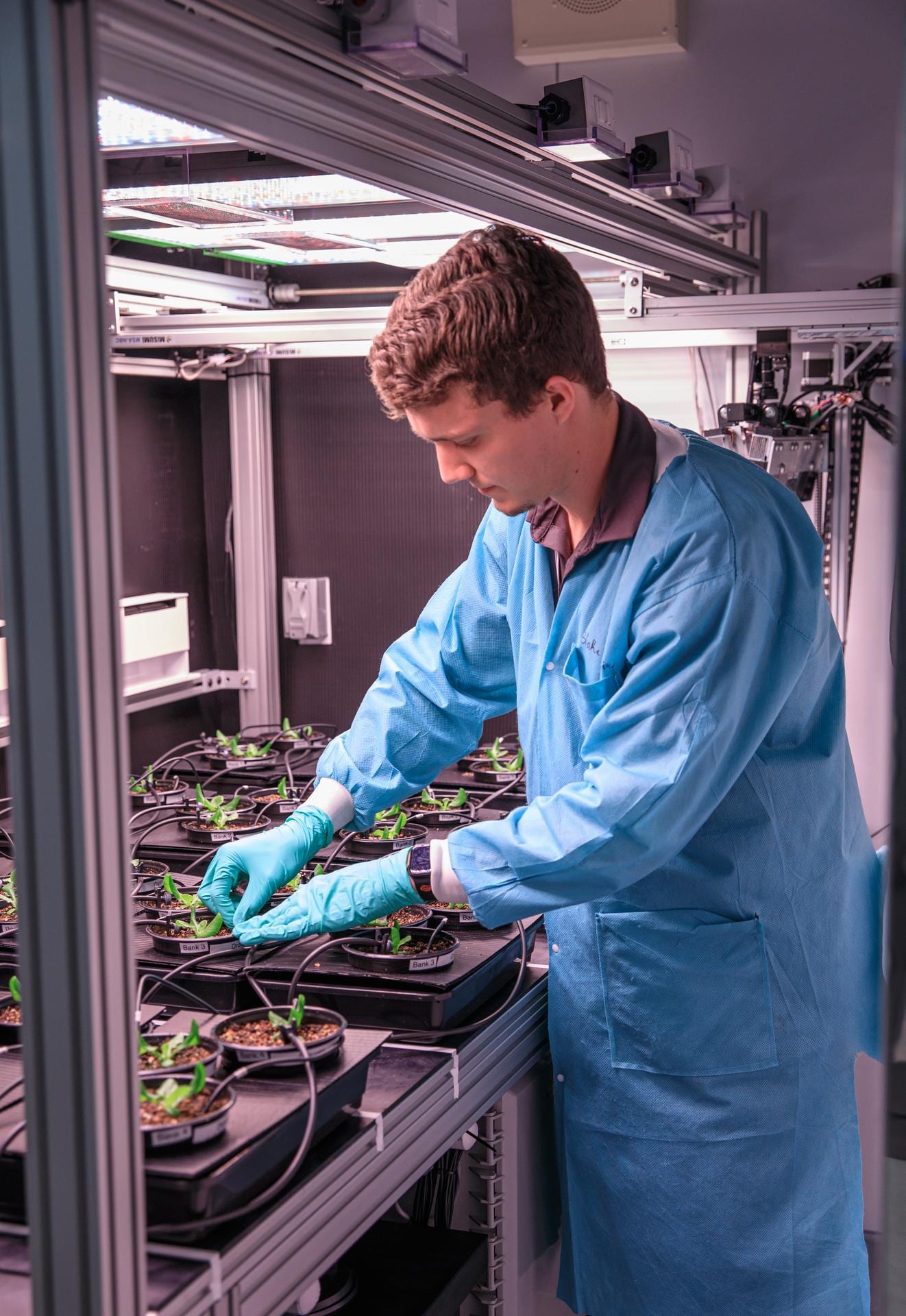
NASA, CSA (Canadian Space Agency), and the German Aerospace Center signed a joint statement of intent to begin coordinated, preparatory work toward an Earth-based demonstrator to learn how to grow crops on the Moon.

Advertisement

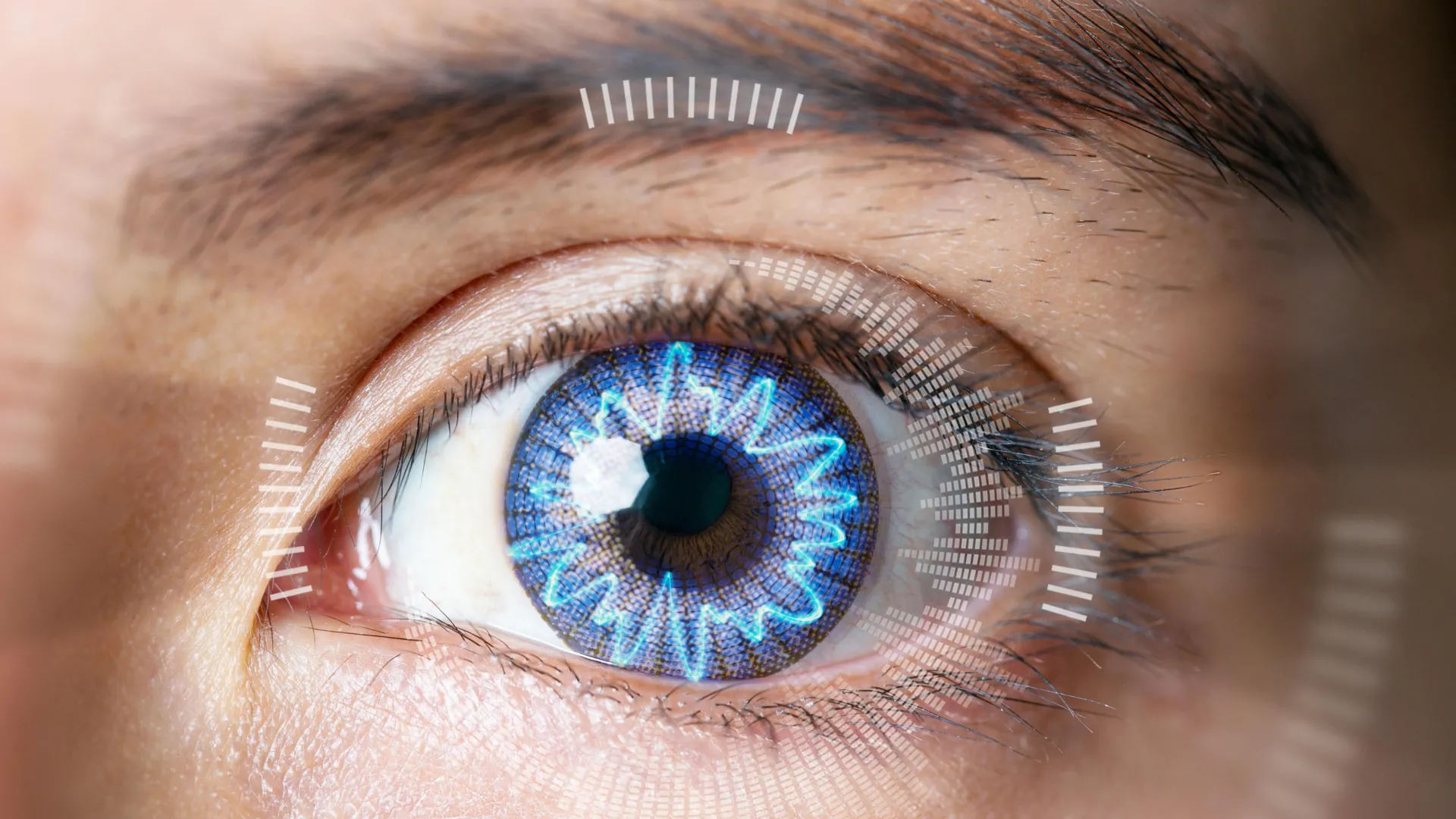
Forget LASIK: Safer, cheaper vision correction without lasers or incisions

Scientists are developing a possible alternative to LASIK that reshapes the cornea without cutting it or using a laser. The technique uses a small electric potential and a specially shaped platinum lens to temporarily soften the cornea, allowing it to be molded in about a minute.

Children at risk for depression get “stuck” on sad faces

Depression may change which emotional faces children notice most, but the pattern appears to depend on family history. Children at higher familial risk became increasingly focused on sad faces, while lower-risk children with rising symptoms paid less attention to happy ones.

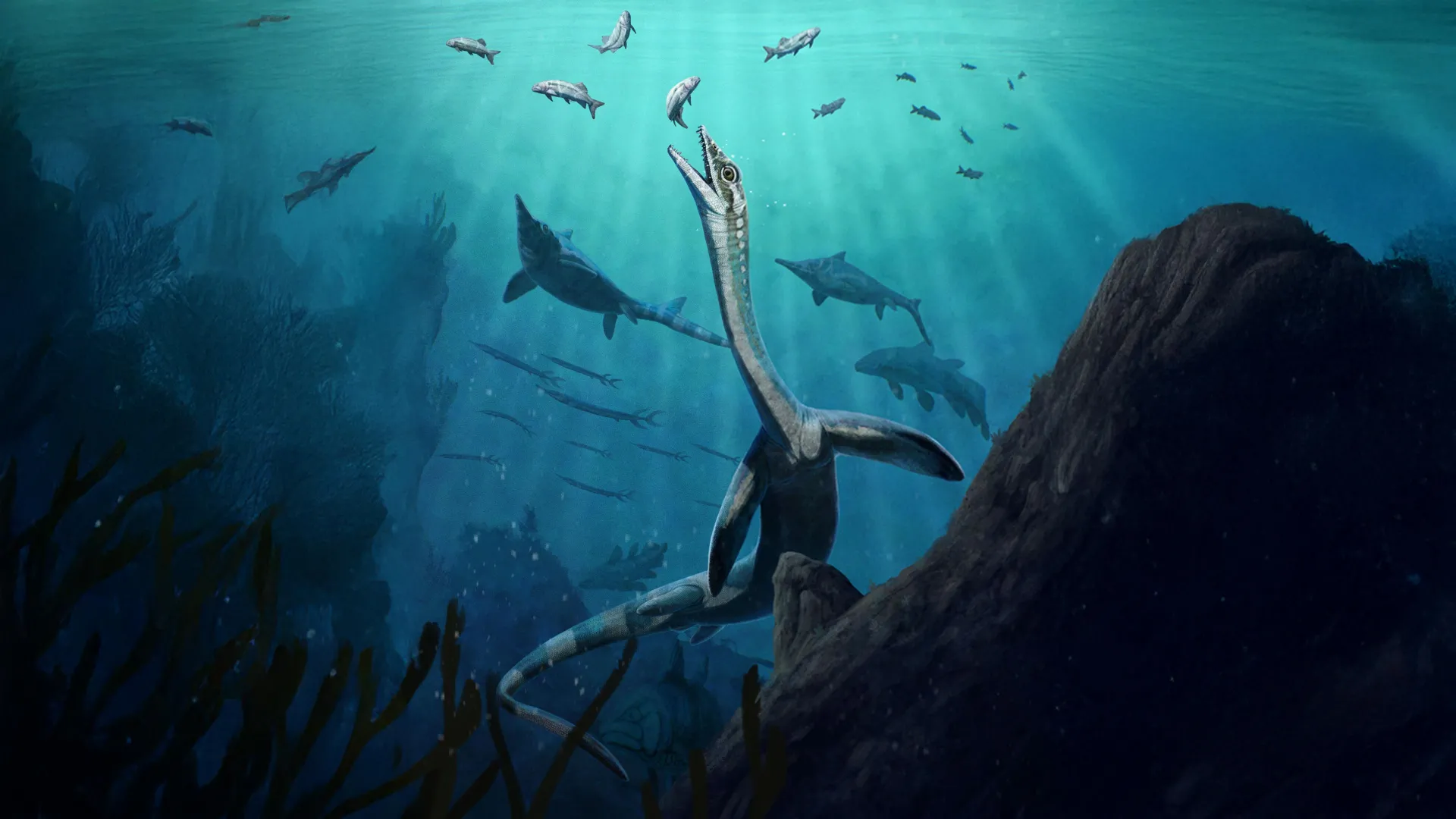
This 245-million-year-old fossil still has its stomach and intestines

A 245-million-year-old marine reptile fossil preserves an astonishing amount of detail, including its stomach, liver, and intestines. The discovery reveals that Austronaga minuta was highly adapted for swimming even though its digestive system remained surprisingly simple.

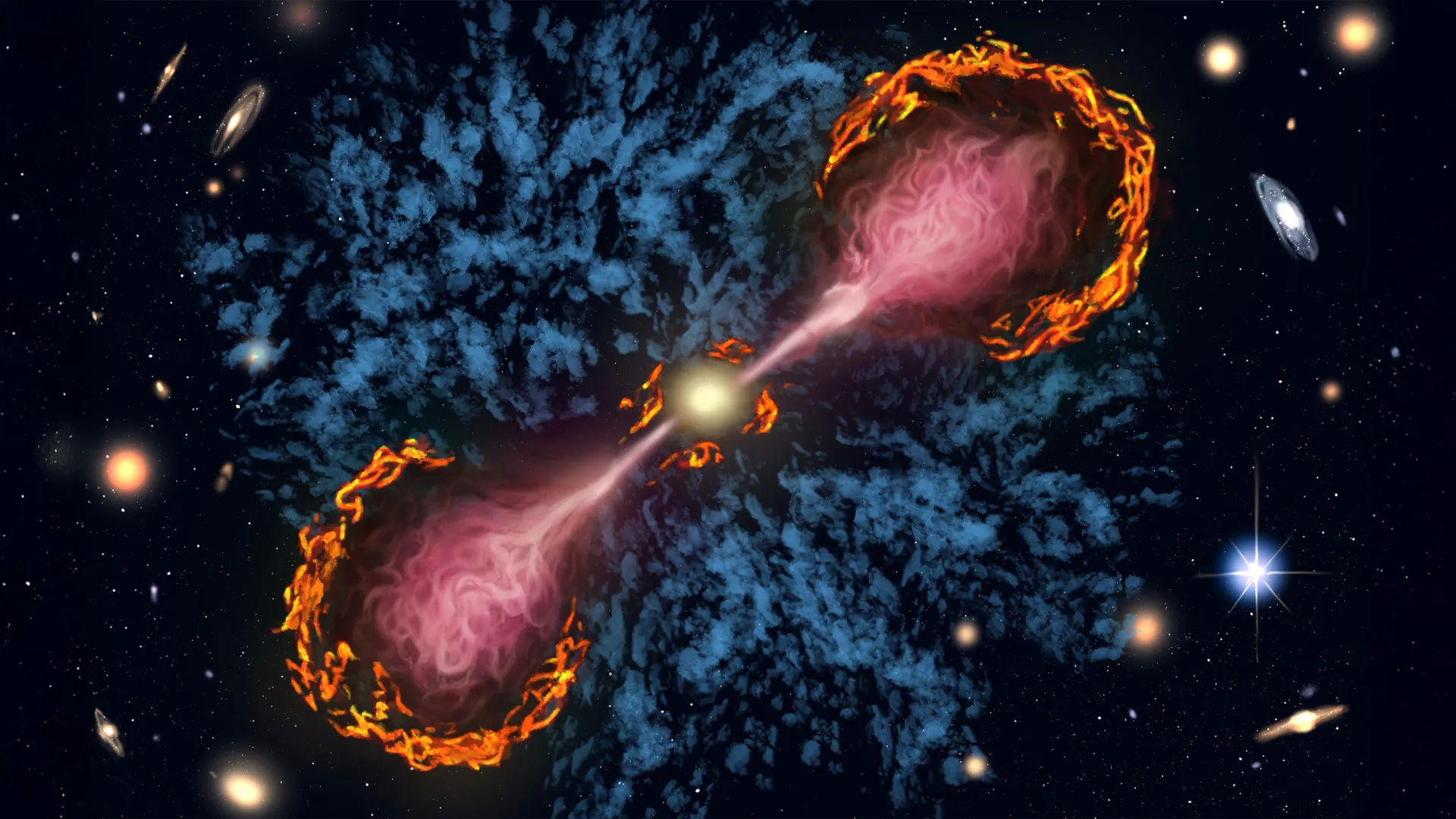
Black hole jets may decide the fate of entire galaxies

Powerful jets from supermassive black holes can disturb star-forming gas far beyond a galaxy’s visible edge, leaving a glowing trail hundreds of thousands of light-years long. By keeping this gas hot and preventing it from falling inward, the jets may help determine whether a galaxy keeps forming stars or becomes quiet.

Creatine may help build muscle even without exercise, researchers find

Creatine helped middle-aged adults gain muscle and strength even without a structured workout program in a new 12-week study. When combined with exercise and a calorie-reduced diet, it produced even greater strength gains while helping participants add lean tissue and lose fat. Researchers say the results strengthen the case for creatine as a potentially useful tool for maintaining muscle with age.

Advertisement

Ocean heatwaves are hiding months of extra warming

Marine heatwaves may be only the most intense part of much longer warming events, with elevated temperatures sometimes lingering for months. Researchers found that conventional measurements underestimate total heat exposure by more than 150% on average, potentially overlooking a major source of stress on marine ecosystems.

Bats may have first evolved in Europe 65 million years ago

A huge genomic and fossil study suggests bats first evolved in Europe around 65 to 60 million years ago before spreading across the globe. The findings also indicate that flight and echolocation emerged near the beginning of bat evolution, potentially helping explain how bats became one of the most successful mammal groups on Earth.

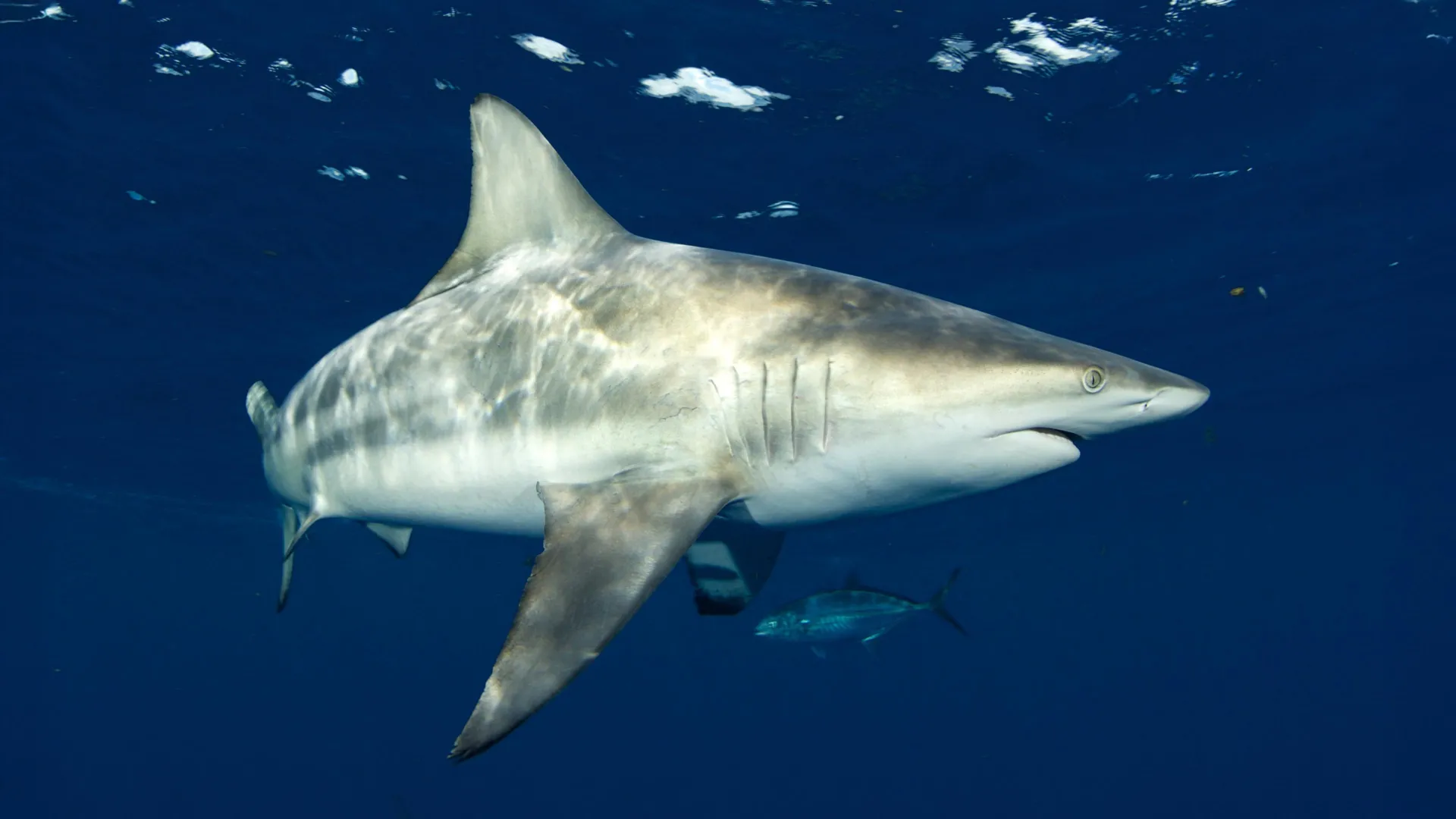
Sharks can hear nearly 250 feet away and pinpoint the source

Wild blacktip sharks can detect low-frequency sounds from nearly 250 feet away, according to experiments conducted off the Florida coast. The sharks not only heard the sounds but sharply changed direction away from them, suggesting they could pinpoint where they were coming from.

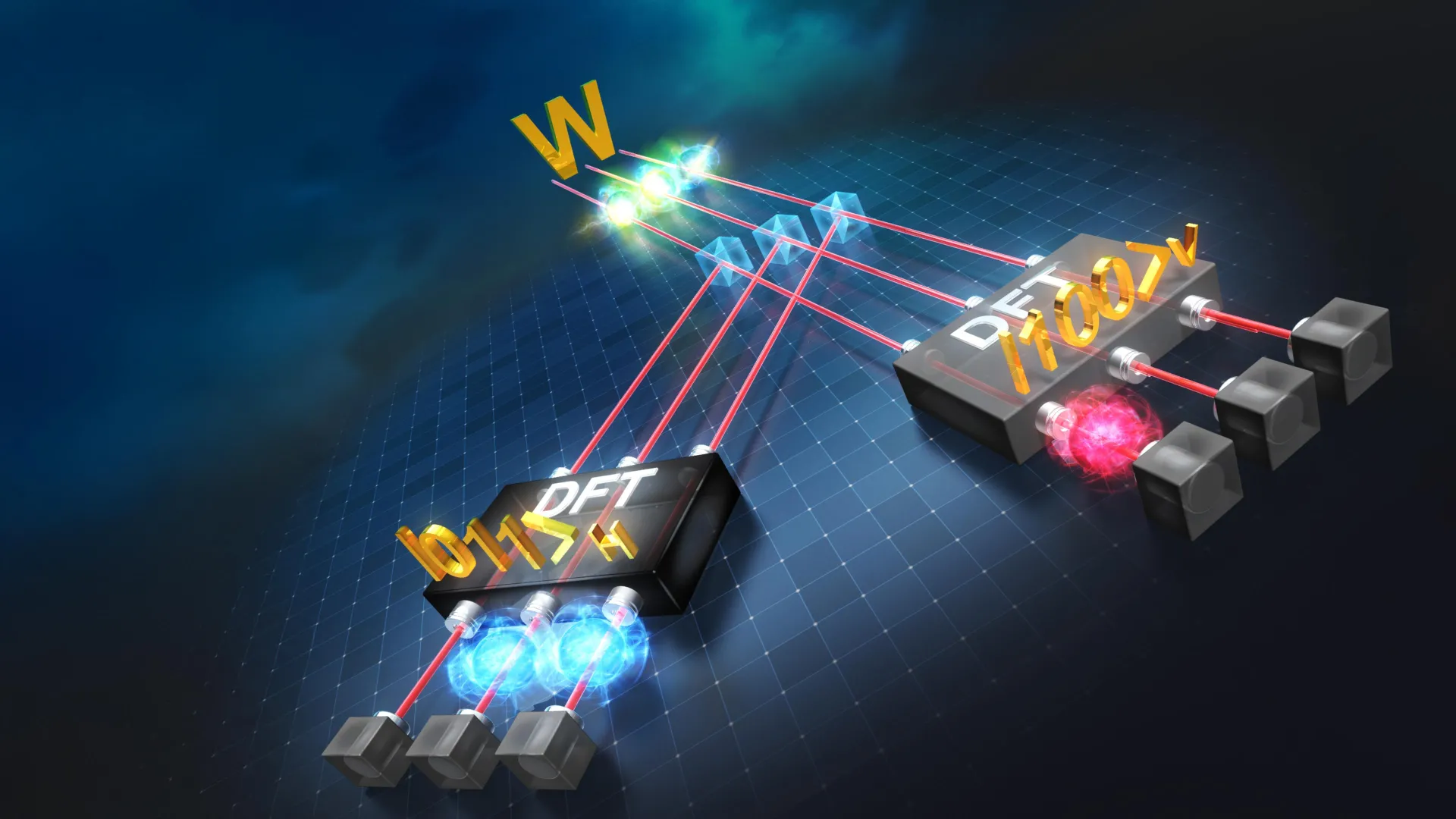
Quantum teleportation breakthrough: Scientists crack a 25-year entanglement challenge

Scientists have developed and experimentally demonstrated a long-sought method for identifying W states, an important form of multi-photon quantum entanglement. The technique could make complex entangled systems much easier to measure, opening new possibilities for quantum teleportation, communication, and computing.