Advertisement
Advertisement

Science

NASA’s SPHEREx Telescope Sees Menagerie of Brown Dwarfs

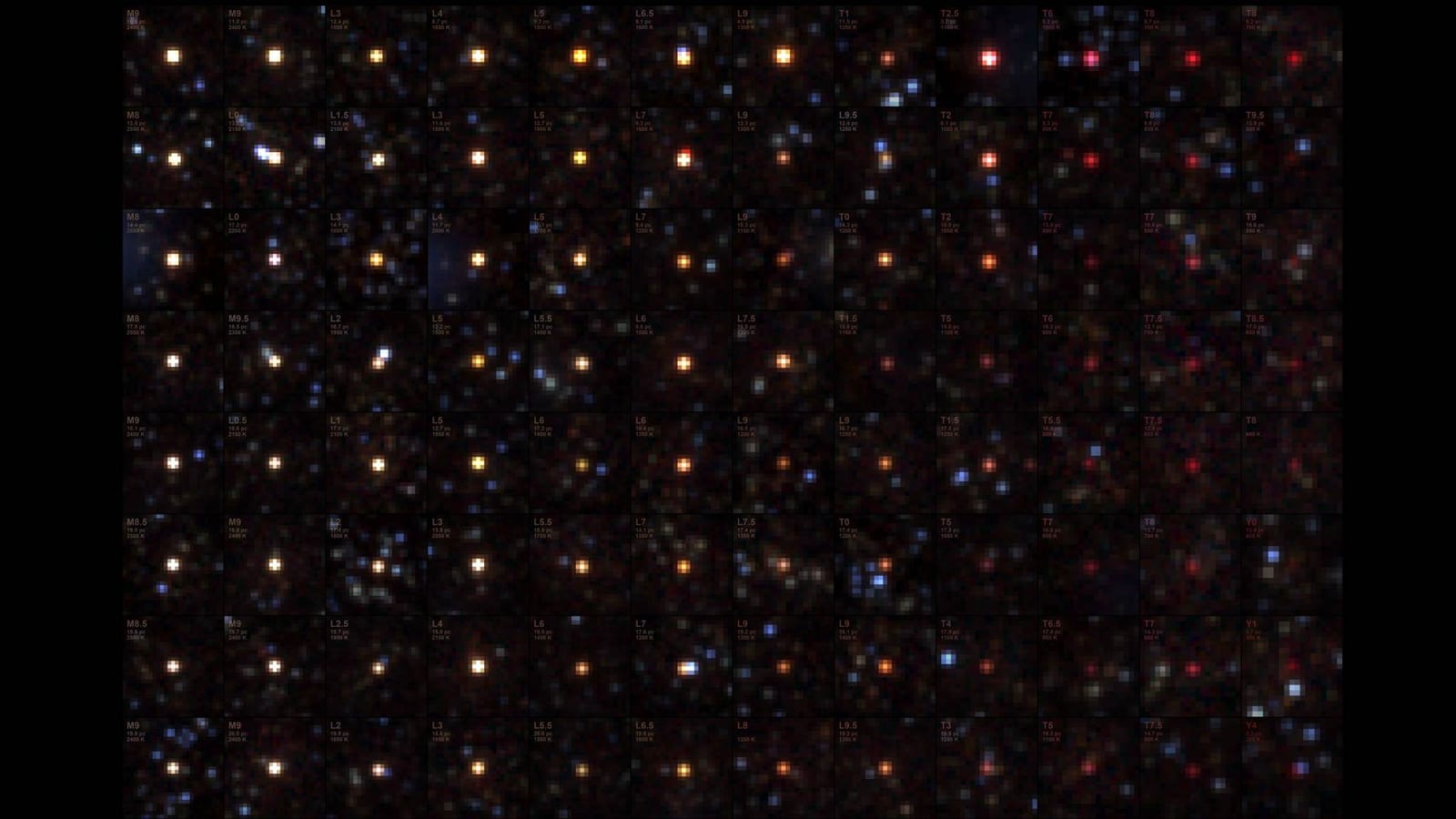
NASA’s SPHEREx (Spectro-Photometer for the History of the Universe, Epoch of Reionization, and Ices Explorer) space telescope is shedding light on brown dwarfs, celestial objects that blur the line between stars and exoplanets. New findings published in The Astrophysical Journal show that these dark and cloudy worlds have chemically rich atmospheres not unlike the giant […]
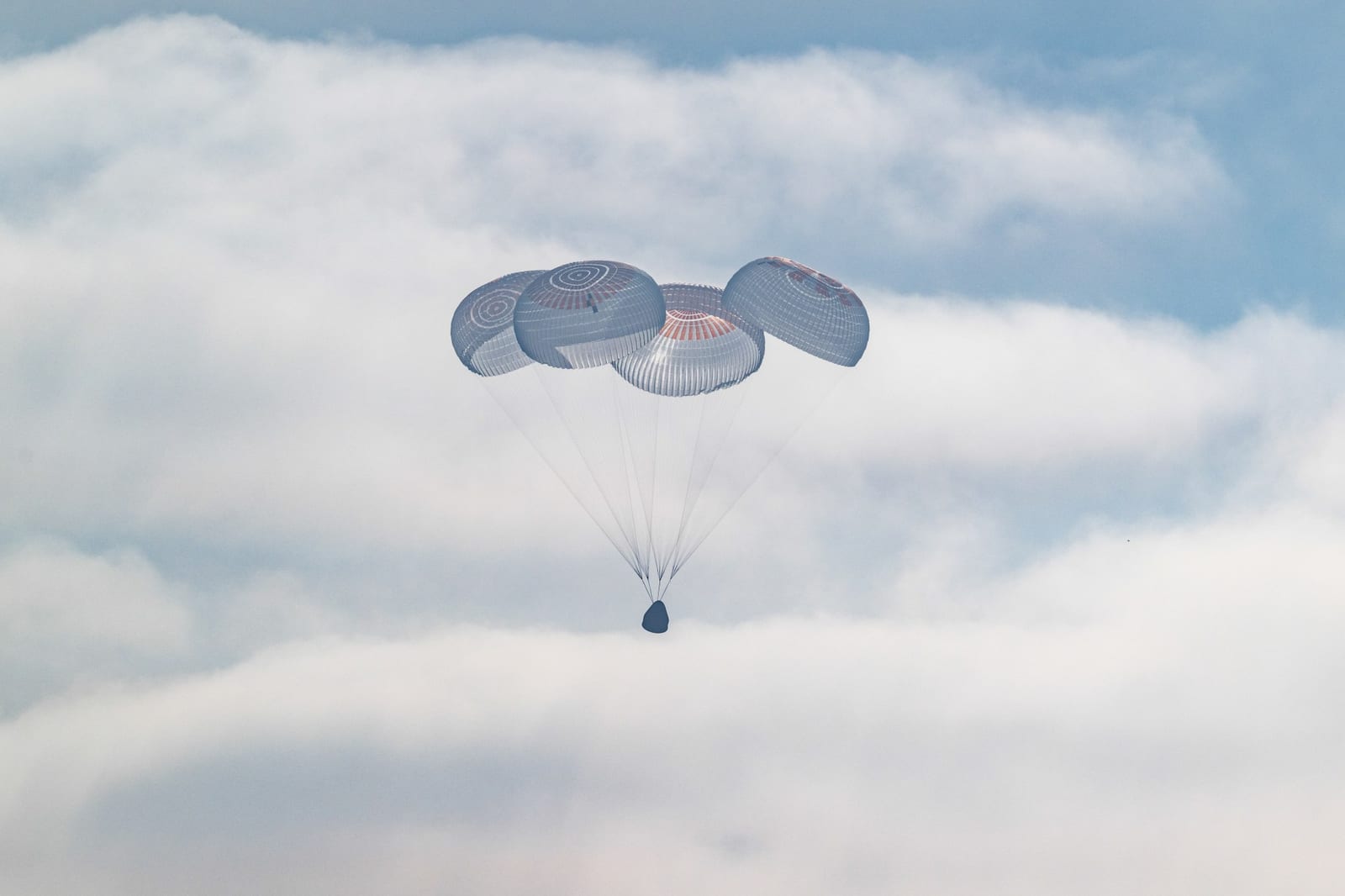
Crew-12 Returns to Earth

The SpaceX Crew Dragon Freedom spacecraft is seen moments before splashing down in the Pacific Ocean off the coast of California in this Oct. 8, 2026, photograph. Aboard were NASA’s SpaceX Crew-12 members NASA astronauts Jessica Meir and Jack Hathaway, ESA (European Space Agency) astronaut Sophie Adenot, and Roscosmos cosmonaut Andrey Fedyaev. The four spent […]

NASA’s SSPICY Mission to Demonstrate In-Space Inspection Technologies

A new NASA-supported spacecraft will get up close to satellites that are no longer in service, demonstrating technologies that could support future in-space repairs and reduce orbital debris. The Small Spacecraft Propulsion and Inspection Capability (SSPICY) mission launched Oct. 1 from Vandenberg Space Force Base in California. The mission is a technology demonstration where an […]

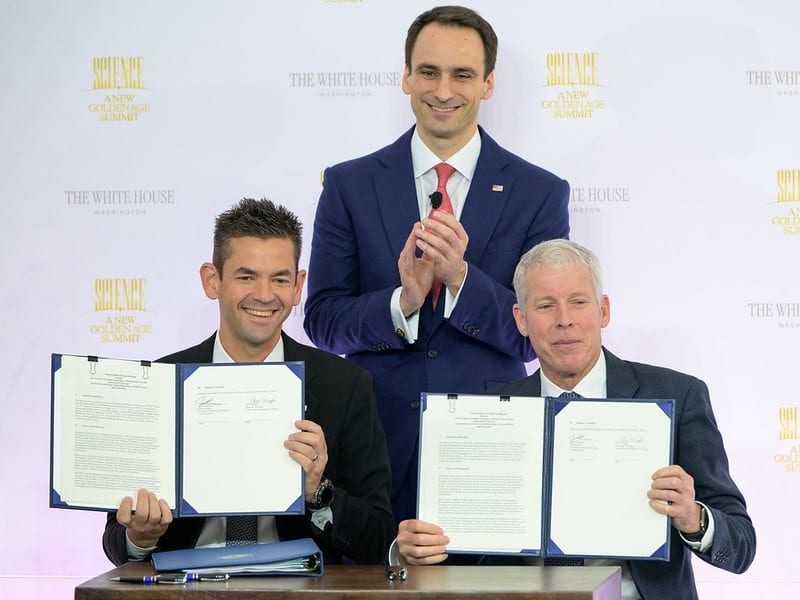
NASA Announces Bold Science Initiatives for America’s Golden Age Summit

Editor’s note: This release was updated Oct. 8, 2026 with the formal name of the summit. NASA is launching two new science and technology initiatives to deepen scientific understanding and accelerate the innovation that will shape America’s future in space. The initiatives are announced in conjunction with the White House Office of Science and Technology […]

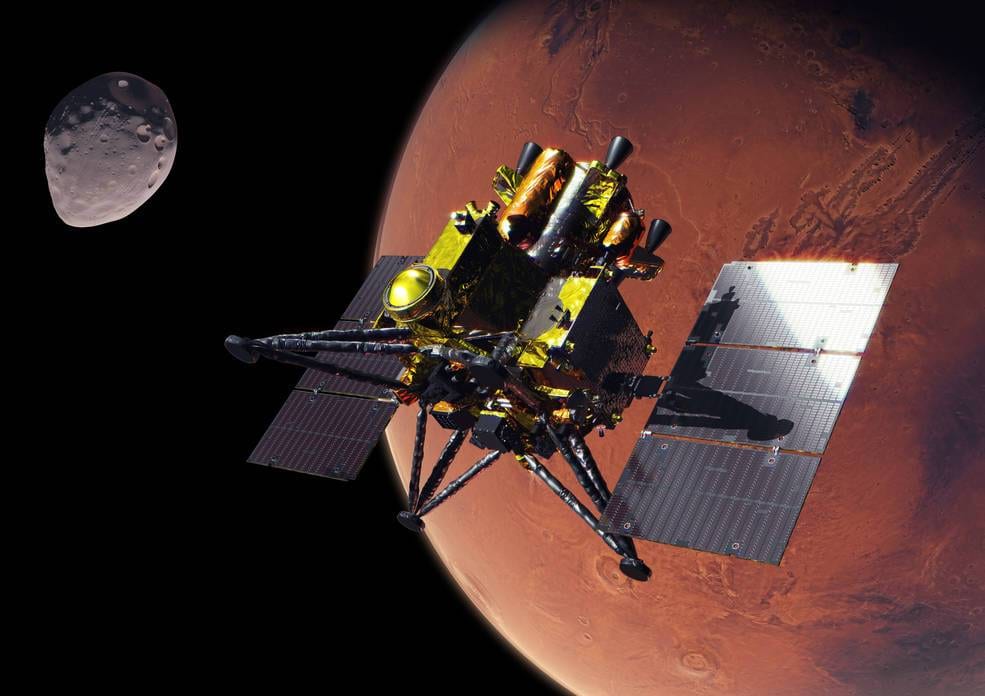
NASA Briefing to Highlight Contributions to Martian Moons Mission

Media are invited to join NASA for a media teleconference at 4 p.m. EDT, Thursday, Oct. 15, to preview the agency’s contributions to JAXA’s (Japan Aerospace Exploration Agency) Martian Moons eXploration (MMX) mission. The mission is scheduled to launch from JAXA’s Tanegashima Space Center in Japan on Monday, Oct. 19 EDT (Tuesday, Oct. 20 JST). […]

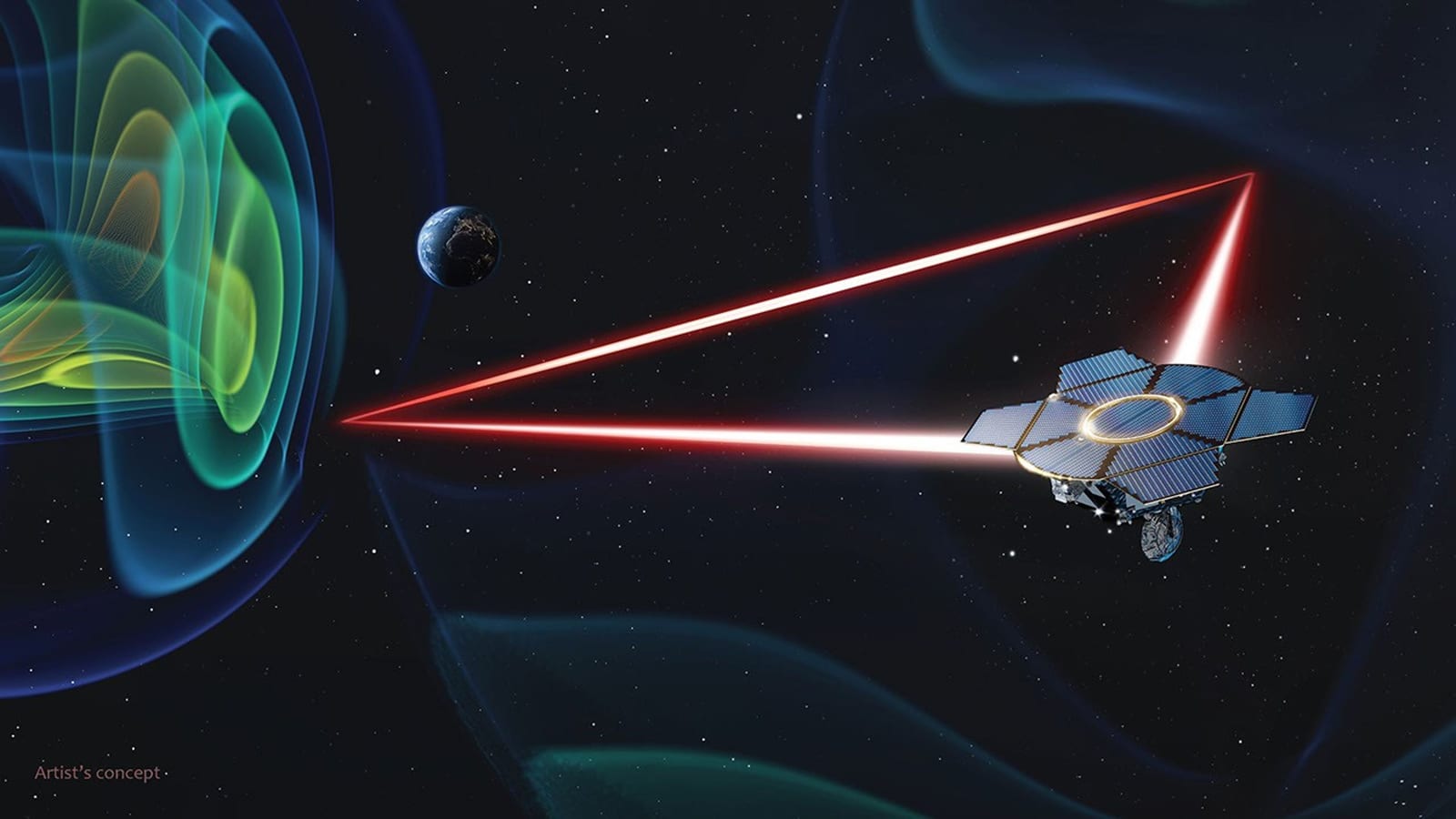
NASA Advances LISA Mission Contributions With New Test Telescope

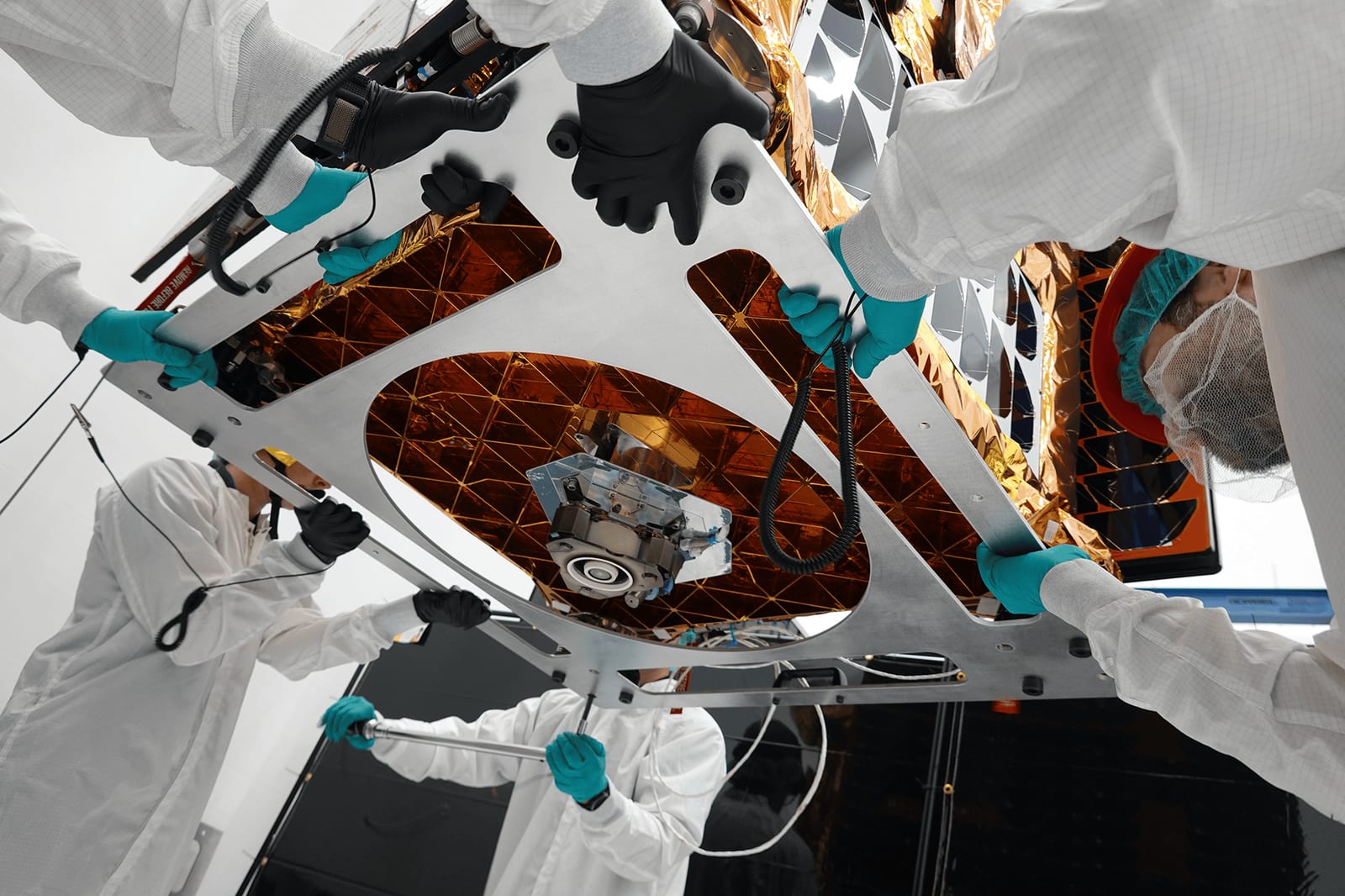
NASA has taken the next step in the process of developing a new all-glass telescope for the LISA (Laser Interferometer Space Antenna) mission, a space observatory designed to detect ripples in space-time called gravitational waves. L3Harris Technologies will design, assemble, and integrate the new telescope for NASA. Called the Engineering Test Unit, this contribution represents […]

NASA, Energy Department Advance New Era of Nuclear-Powered Exploration

Editor’s note: This release was updated Oct. 8, 2026 with the formal name of the summit. As the Golden Age of deep-space exploration begins, NASA and the U.S. Department of Energy are advancing the development of safe, reliable, next-generation nuclear technologies for space. Together, the agencies will supercharge civil space exploration, unlock bold scientific discovery, […]

Advertisement

NASA’s SpaceX Crew‑12 Splashes Down, Sets Briefing to Discuss Mission

After more than seven months aboard the International Space Station, NASA’s SpaceX Crew-12 mission safely splashed down Thursday in the Pacific Ocean off the coast of Los Angeles. The crew members will discuss their science mission during a news conference at 3:30 p.m. EDT, Thursday, Oct. 15, at the agency’s Johnson Space Center in Houston. […]

Just 7 days of strength training started shrinking fat cells in mice

Just seven strength-training sessions helped obese mice shrink visceral fat cells and reactivate molecular pathways involved in burning stored fat, despite no change in overall body weight. The findings suggest some benefits of resistance exercise may begin long before weight loss becomes visible, though the results still need to be confirmed in humans.

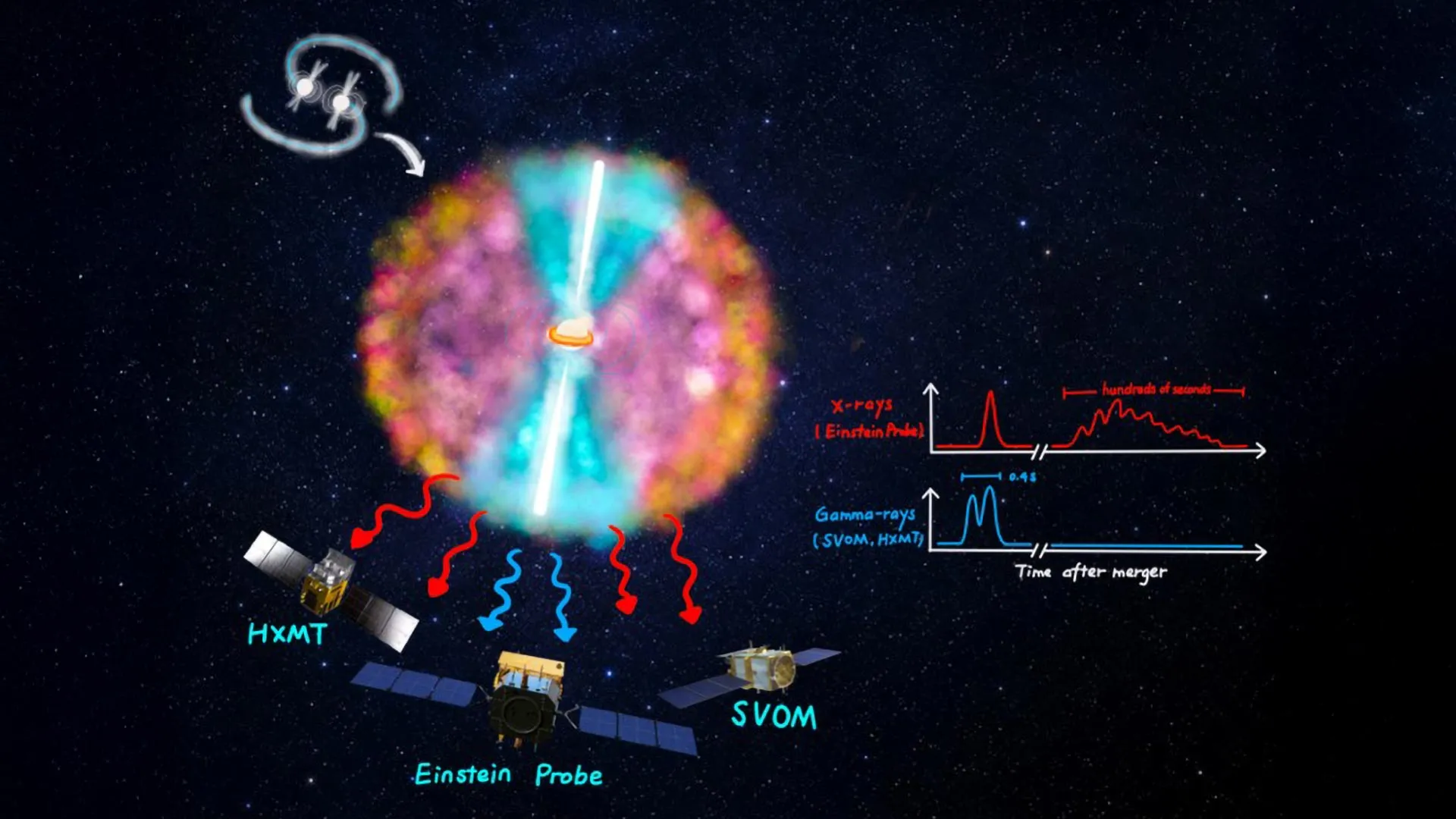
Einstein Probe reveals a hidden phase of neutron star collisions

Einstein Probe revealed nearly 10 minutes of soft X-ray activity following a short gamma-ray burst, exposing a phase of neutron star mergers that previous missions may have missed. The prolonged emission could have been powered by a newly formed magnetar and may provide a valuable new counterpart to gravitational-wave signals.

Scientists found Homo erectus 200,000 years earlier than expected

New fossils from South Africa are reshaping the story of early human evolution. Researchers have described 18 hominin fossils from Drimolen Cave, including an adult Homo erectus skull fragment dated to about 2 million years ago, supporting evidence that the species appeared in southern Africa roughly 200,000 years earlier than long thought. The finds also reveal that Paranthropus robustus, which lived alongside Homo erectus, was gradually evolving even larger teeth and stronger chewing muscles as the climate changed.

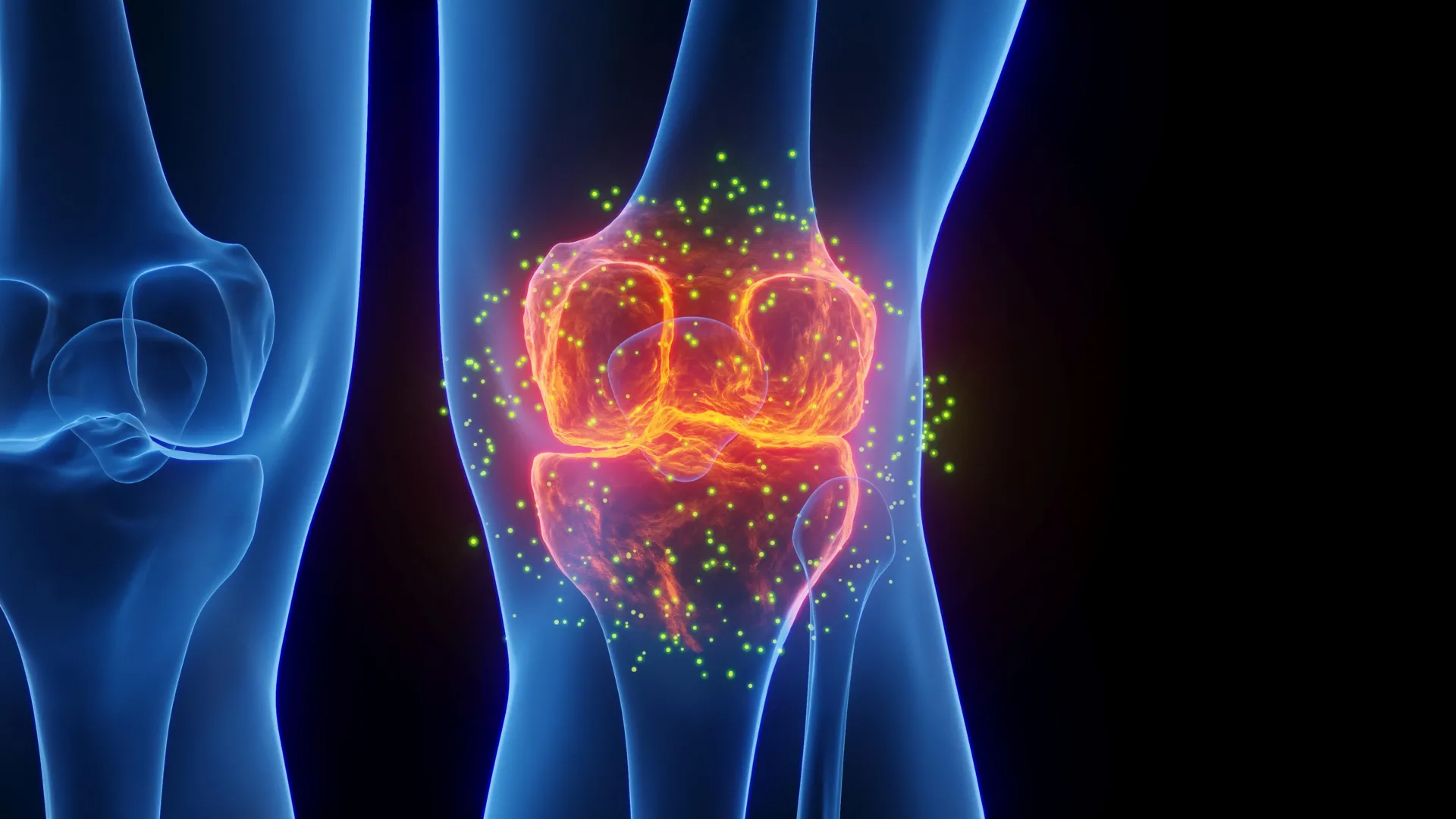
FDA-approved epilepsy drug may help reverse osteoarthritis damage

Researchers at Yale have identified a promising new approach to osteoarthritis that could do more than simply ease pain. The epilepsy drug lacosamide appears to block a protein involved in both pain signaling and cartilage destruction, helping damaged joints shift back toward repair in preclinical studies.

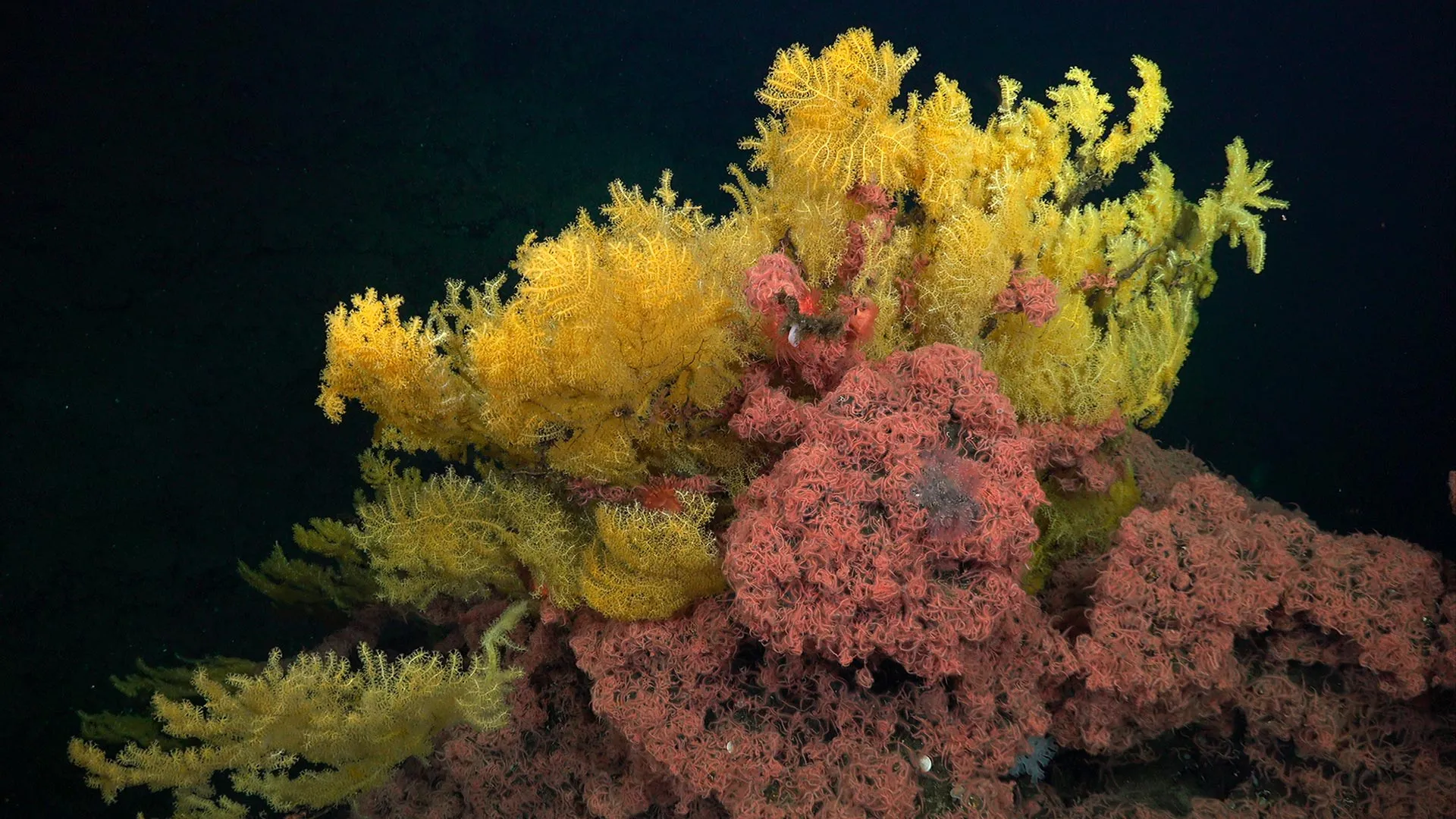
This “golden tree” coral was too strange for any known family

A brilliant yellow coral discovered off Costa Rica proved so unusual that scientists had to create an entirely new family to classify it. The meter-tall colonies rise from seafloors covered in brittle stars, inspiring the Tolkien-inspired name Laurinque elenya, or “golden tree of the stars.” Advanced genetic analysis revealed that the coral belongs to a previously unknown evolutionary lineage.

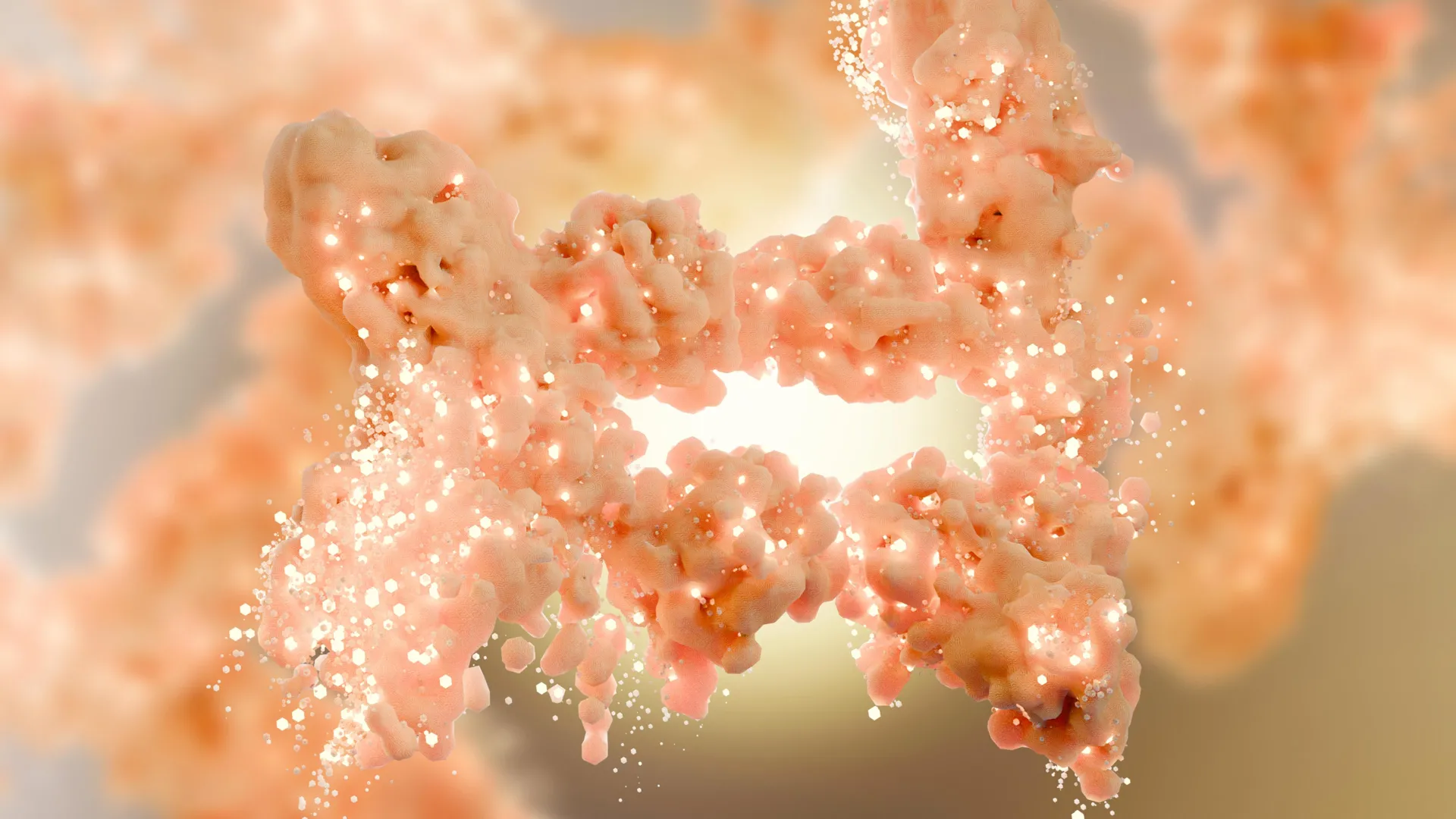
Scientists accidentally discover a genetic code that breaks the rules of life

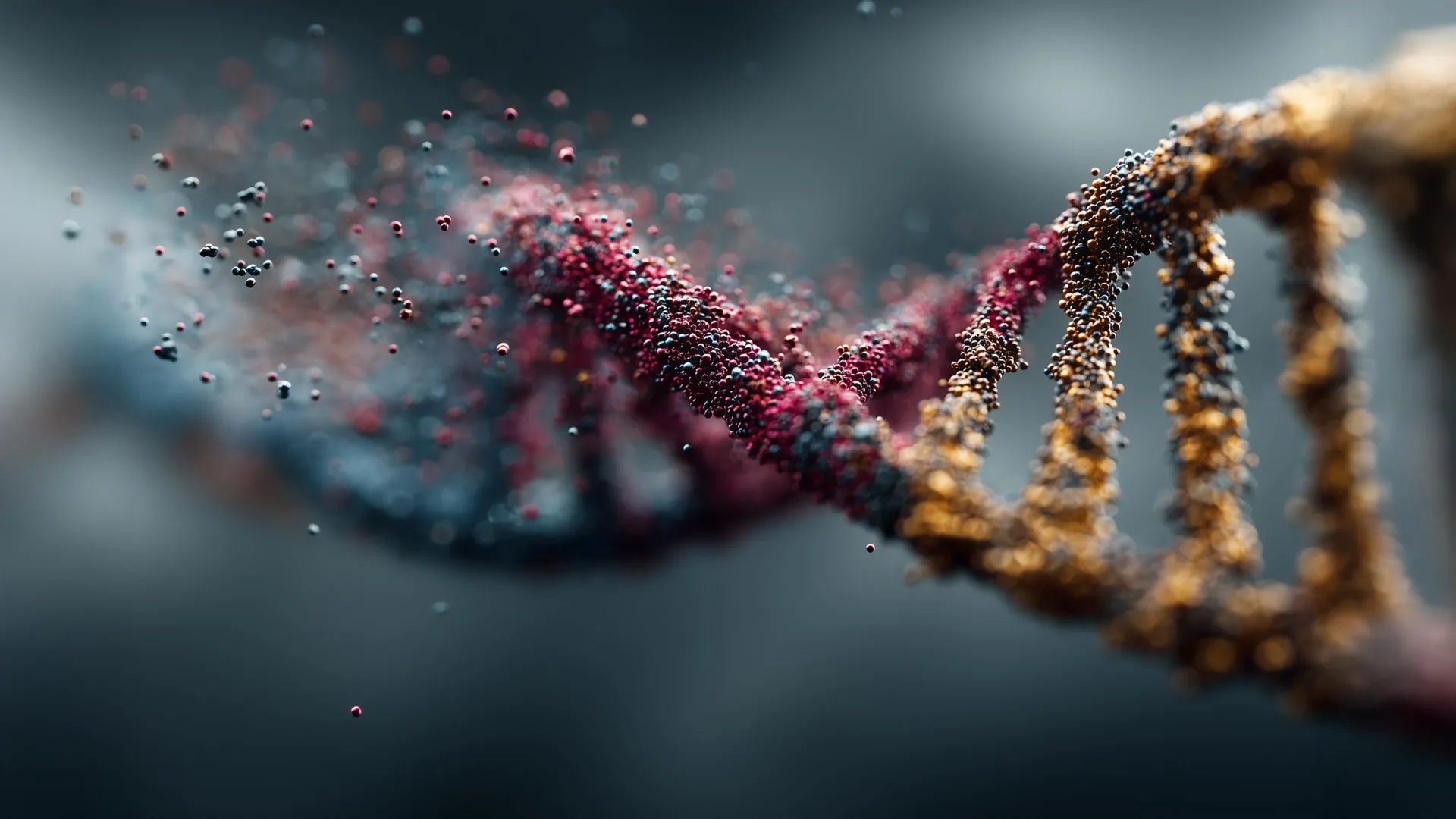
Scientists accidentally discovered a microscopic organism with a genetic code that breaks a rule researchers thought was nearly universal. While testing a new DNA sequencing technique, they examined a previously unknown protist collected from a freshwater pond at Oxford University. To their surprise, the organism uses two genetic signals that normally mark the end of a gene to encode two entirely different amino acids instead. These signals were previously thought to evolve together, making the discovery particularly remarkable.

NASA is searching for hidden caves to build its first Moon base

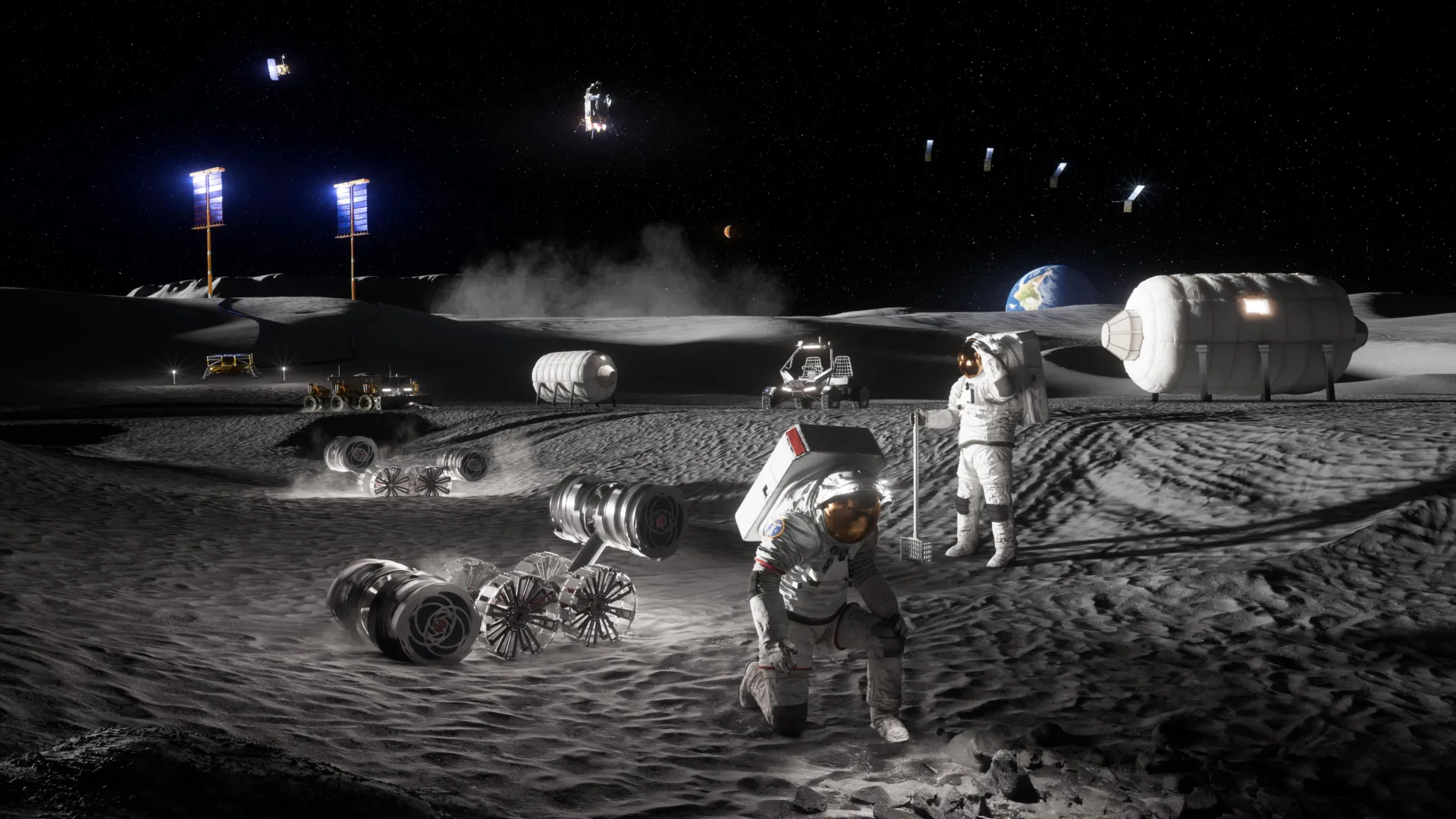
NASA is preparing for humanity’s first Moon base with three investigations that will hunt for underground shelters, uncover hidden ice, and track dangerous conditions on the lunar surface. The findings could reveal how astronauts can survive and thrive on the Moon while laying the groundwork for future journeys to Mars.

Advertisement