Advertisement
Advertisement

Science

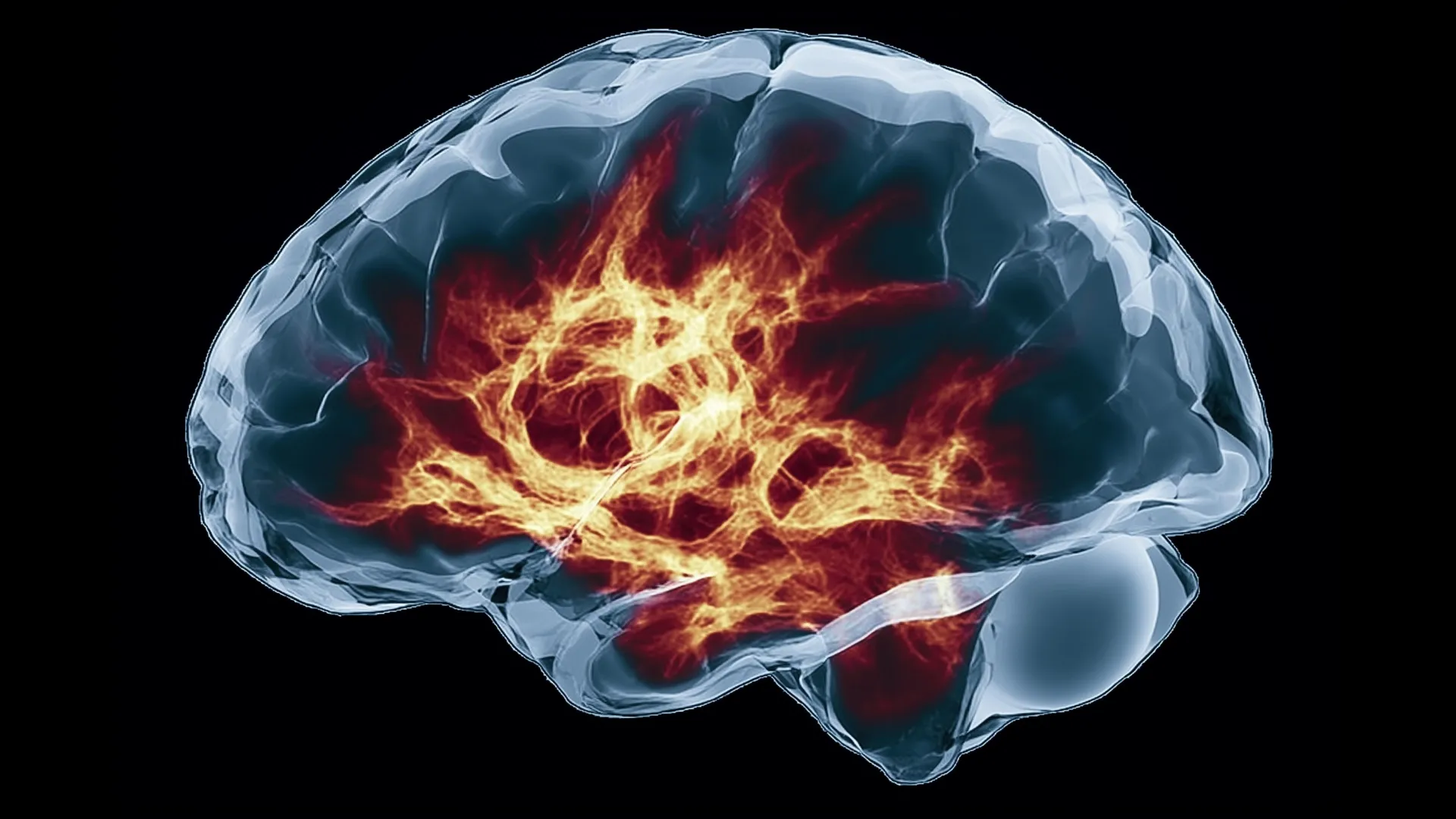
After 30 years, scientists finally have a drug for a deadly brain disease

The FDA has approved the first drug that directly targets Alexander disease, a devastating neurological disorder affecting fewer than one in a million people. Developed through decades of research, Zanvastro showed promising results in clinical trials, stabilizing motor function and even improving movement in some patients.

Scientists find a surprising genetic twist behind octopus intelligence

The remarkable intelligence of octopuses, squid, and cuttlefish may trace back to an ancient reshuffling of their DNA that created new connections between genes. Scientists discovered that these changes in the genome's 3D structure may have helped drive the evolution of their unusually complex nervous systems.

Scientists recreate a bizarre quantum effect that stops a particle cold

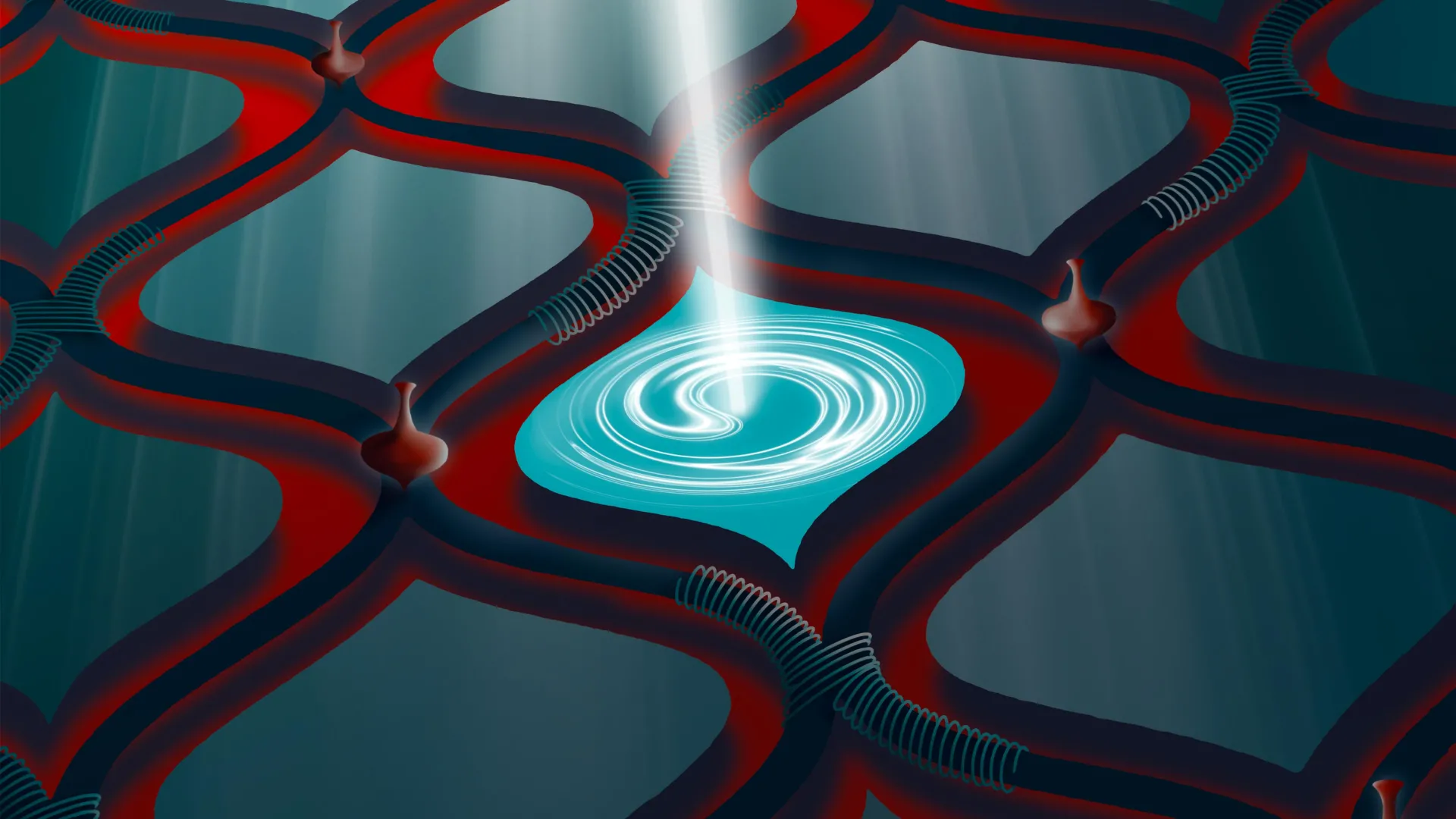
Oxford physicists have recreated a bizarre quantum effect in which a particle responds to a magnetic field without ever traveling through it. Using a hybrid quantum computer, they demonstrated how introducing a simulated magnetic flux could completely halt a particle's movement through quantum interference. The experiment brings a decades-old prediction into a new setting where matter and quantum fields influence one another.

Scientists uncover the 2.3-billion-year-old secret that helped keep Earth habitable

Scientists may have solved a 2.3-billion-year-old mystery about how Earth maintained enough oxygen to support life. Ancient rocks reveal that phosphorus recycling in the oceans created a self-sustaining cycle that helped keep oxygen levels high, even as the planet underwent dramatic environmental changes. The discovery challenges assumptions about Earth's early atmosphere and raises new questions about why complex life took so long to emerge.

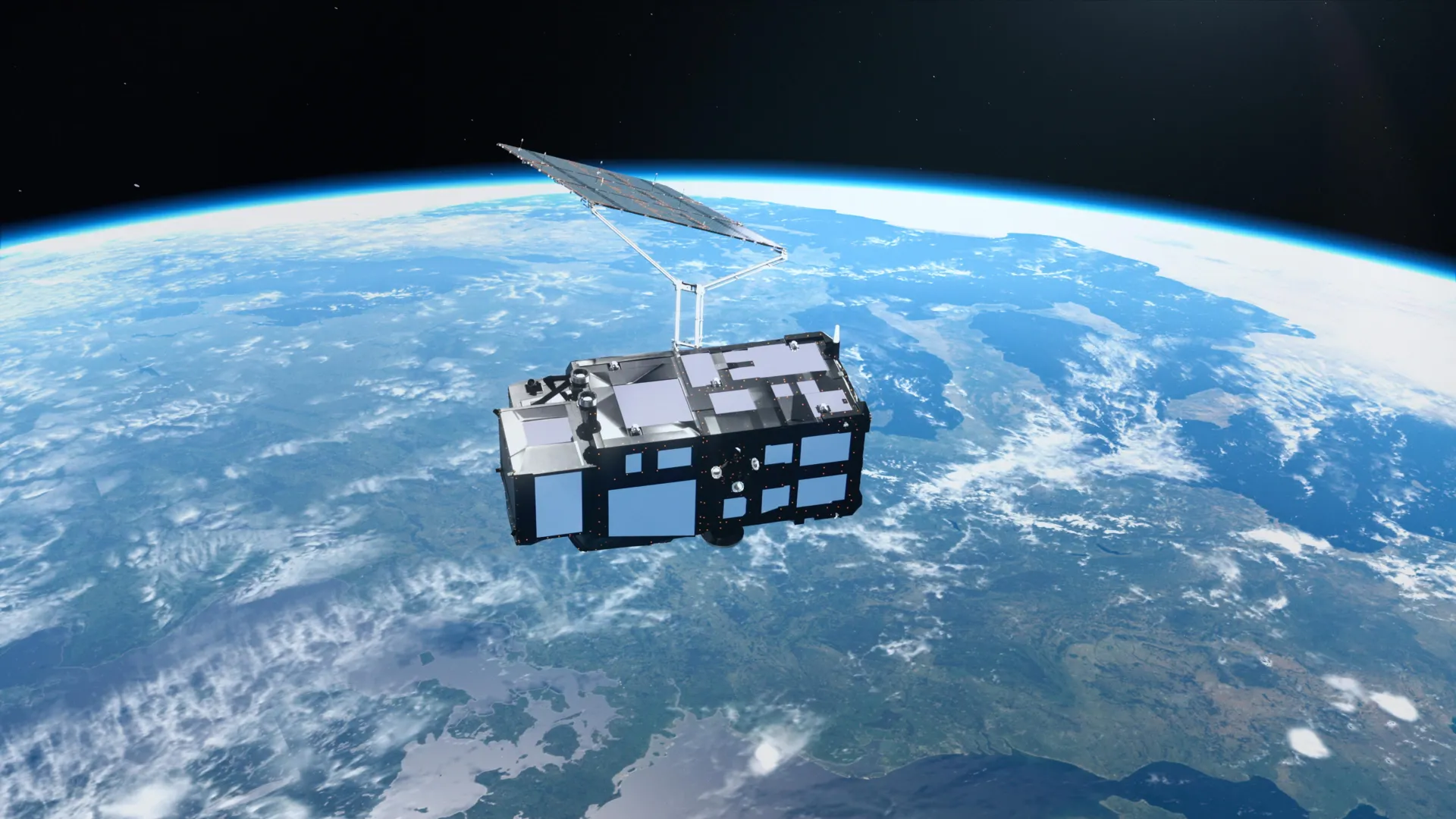
Europe's new Sentinel-3C satellite just sent back spectacular images of Earth

Europe's Sentinel-3C satellite has returned breathtaking images of Earth just two weeks after launch, revealing the snowy Alps, frozen Arctic islands, and brilliant turquoise Caribbean waters. Its first measurements also show promising results for tracking rising seas, melting ice sheets, and other changes reshaping our planet.

Scientists find a hidden problem with endless smartphone scrolling

Excessive smartphone use may be taking a hidden toll on the brain and body, with heavy scrolling linked to poorer memory, reduced attention, disrupted sleep, and potential balance problems. Researchers found that weak self-control and fear of missing out, rather than personality alone, are key factors behind problematic phone use.

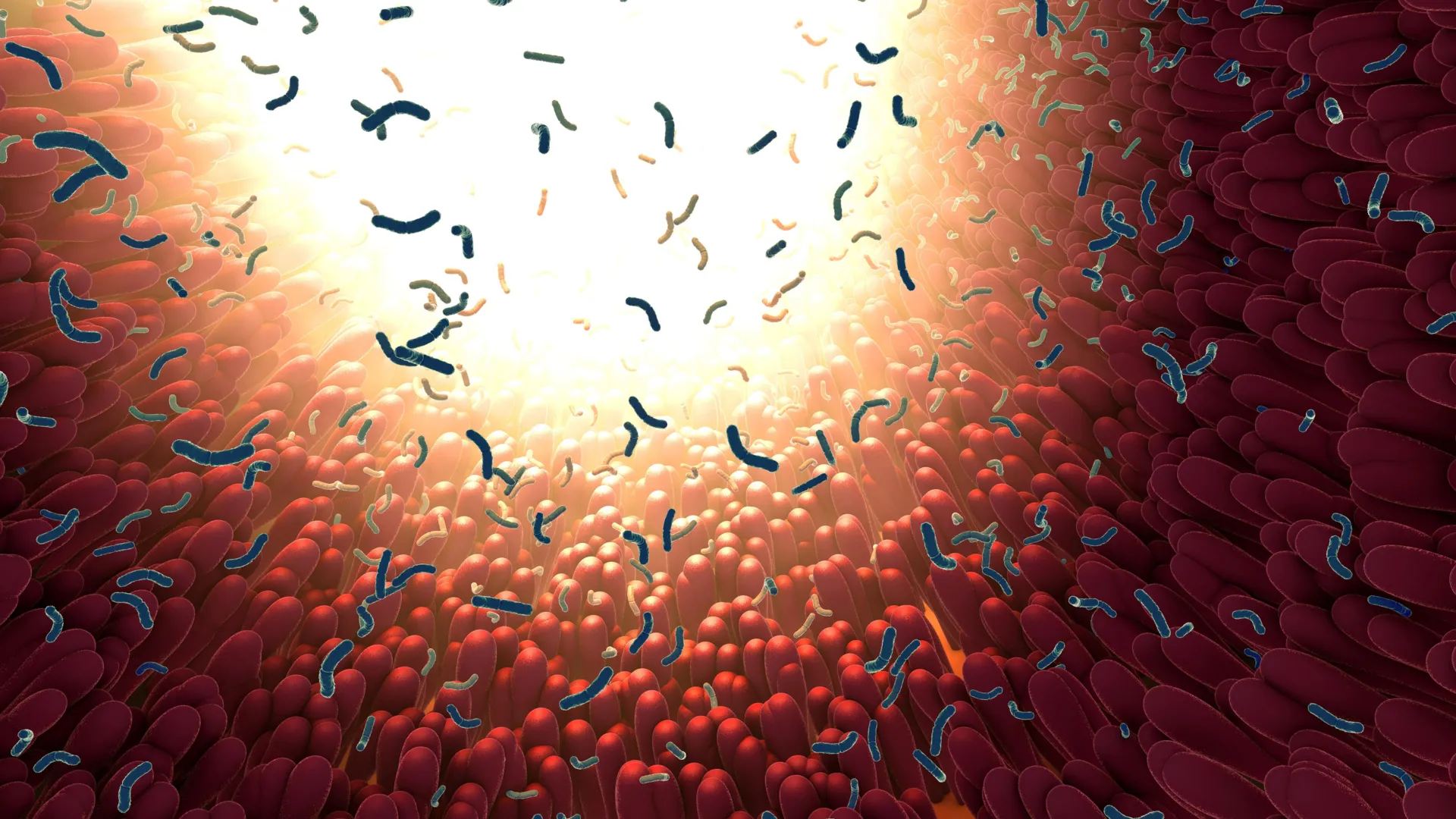
Your gut bacteria could be changing how many calories you absorb

Scientists have developed a model showing that gut bacteria play a surprisingly important role in how many calories we absorb, meaning food labels may not tell the full story. In a controlled study, people eating a high-fiber diet absorbed about 116 fewer calories per day than those eating a typical Western diet, without feeling hungrier.

Physicists discover “astonishing” property of light that defies expectations

Scientists have uncovered a surprising hidden ability of light that allows it to develop spinning, twisting behavior as it travels through empty space, without special lenses, mirrors, or materials. Researchers discovered that light’s internal geometry can naturally produce left- and right-handed patterns, challenging long-standing assumptions about how light behaves. By carefully arranging a beam’s structure, scientists can control where and how these spinning patterns emerge, unlocking a new way to manipulate light.

Advertisement

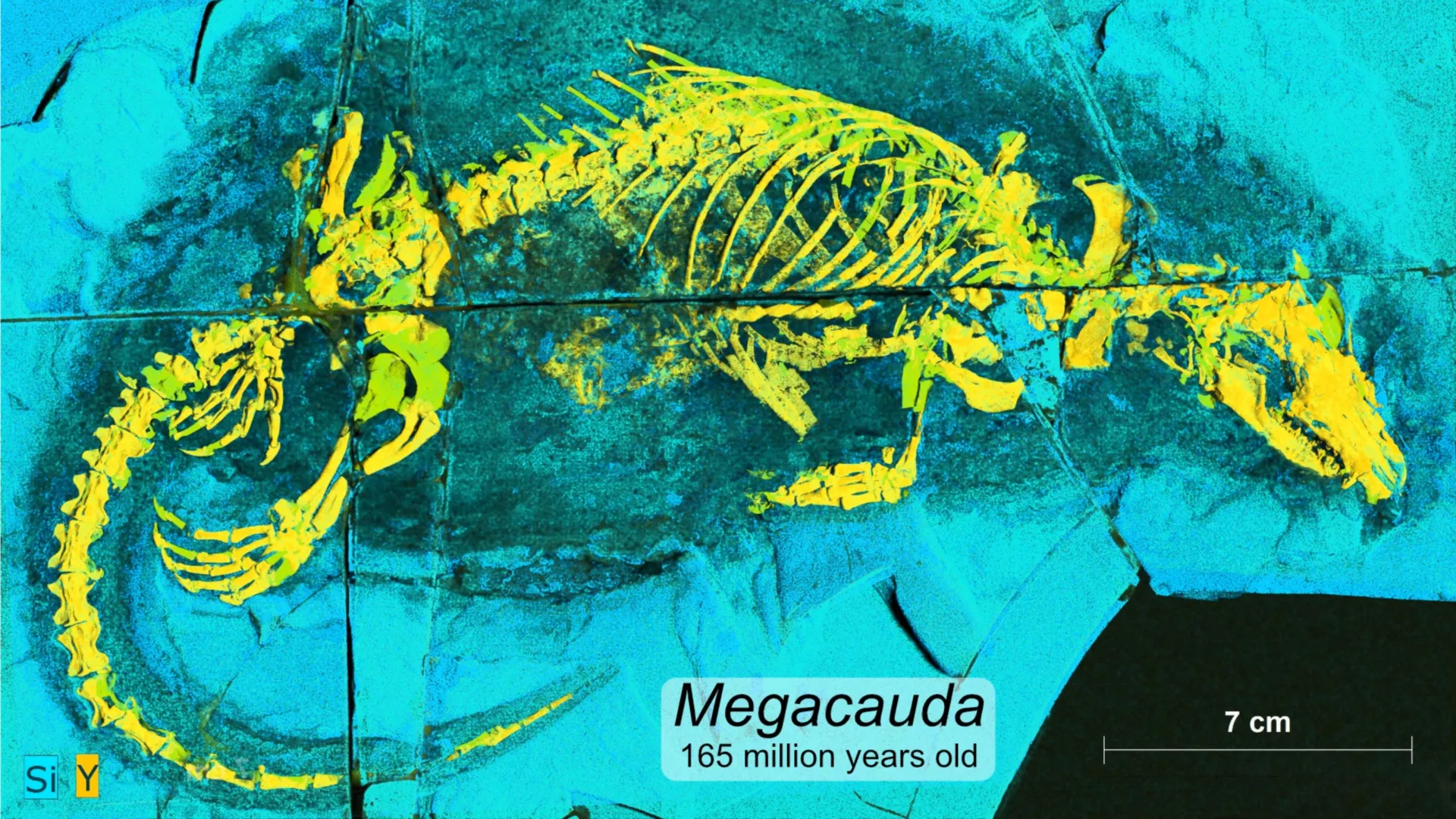
This tiny jurassic predator helped pave the way for the human brain

A 165-million-year-old fossil has revealed an extraordinary Jurassic predator that may help explain how mammals developed one of their most important evolutionary advantages. Although only 20 inches long, Megacauda sungei was a heavyweight among early mammal relatives, swimming through ancient waterways and hunting prey with specialized teeth. Its advanced swallowing anatomy reveals an early step toward the ability to safely nurse on milk, a key development in mammalian evolution.

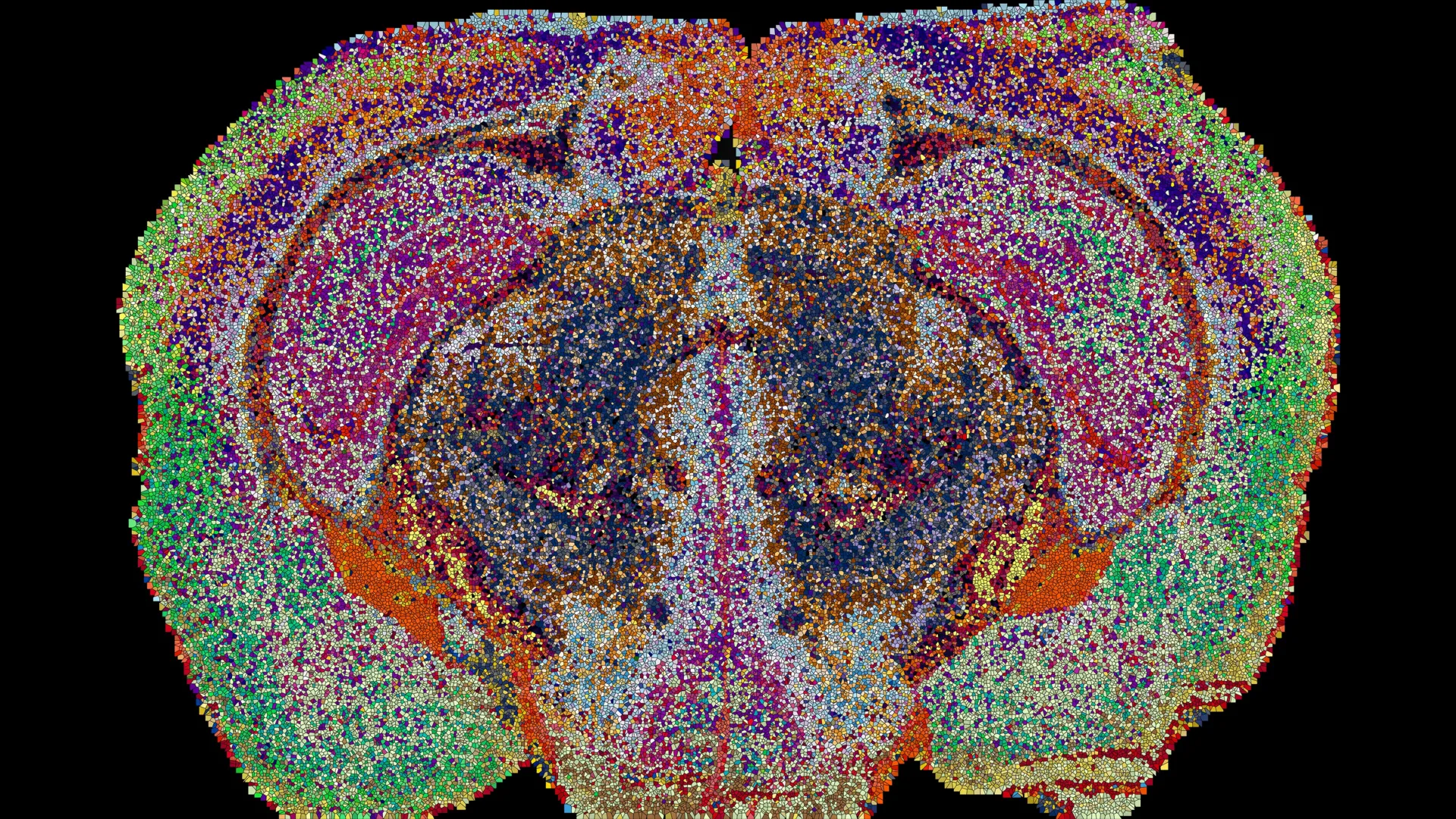
Scientists uncover a hidden map of the brain with 539 distinct regions

Scientists have uncovered a hidden layer of organization in the brain by creating the first detailed 3D map of its lipids, the fatty molecules essential for brain structure and communication. By analyzing millions of measurements from mouse brains, researchers identified 539 distinct chemical zones, revealing patterns and boundaries that traditional brain maps have missed. Surprisingly, even white matter, once thought to be relatively uniform, contains a complex patchwork of chemically distinct regions.

NASA Science, Cargo Launch on 35th SpaceX Resupply Mission to Station

NASA’s SpaceX 35th commercial resupply mission lifted off at 6:33 a.m. EDT Tuesday aboard a Falcon 9 rocket from Space Launch Complex 40 at Cape Canaveral Space Force Station in Florida, carrying more than 6,300 pounds of supplies and hardware, bound for the International Space Station. Following its successful launch, the SpaceX Dragon spacecraft will […]

Advertisement

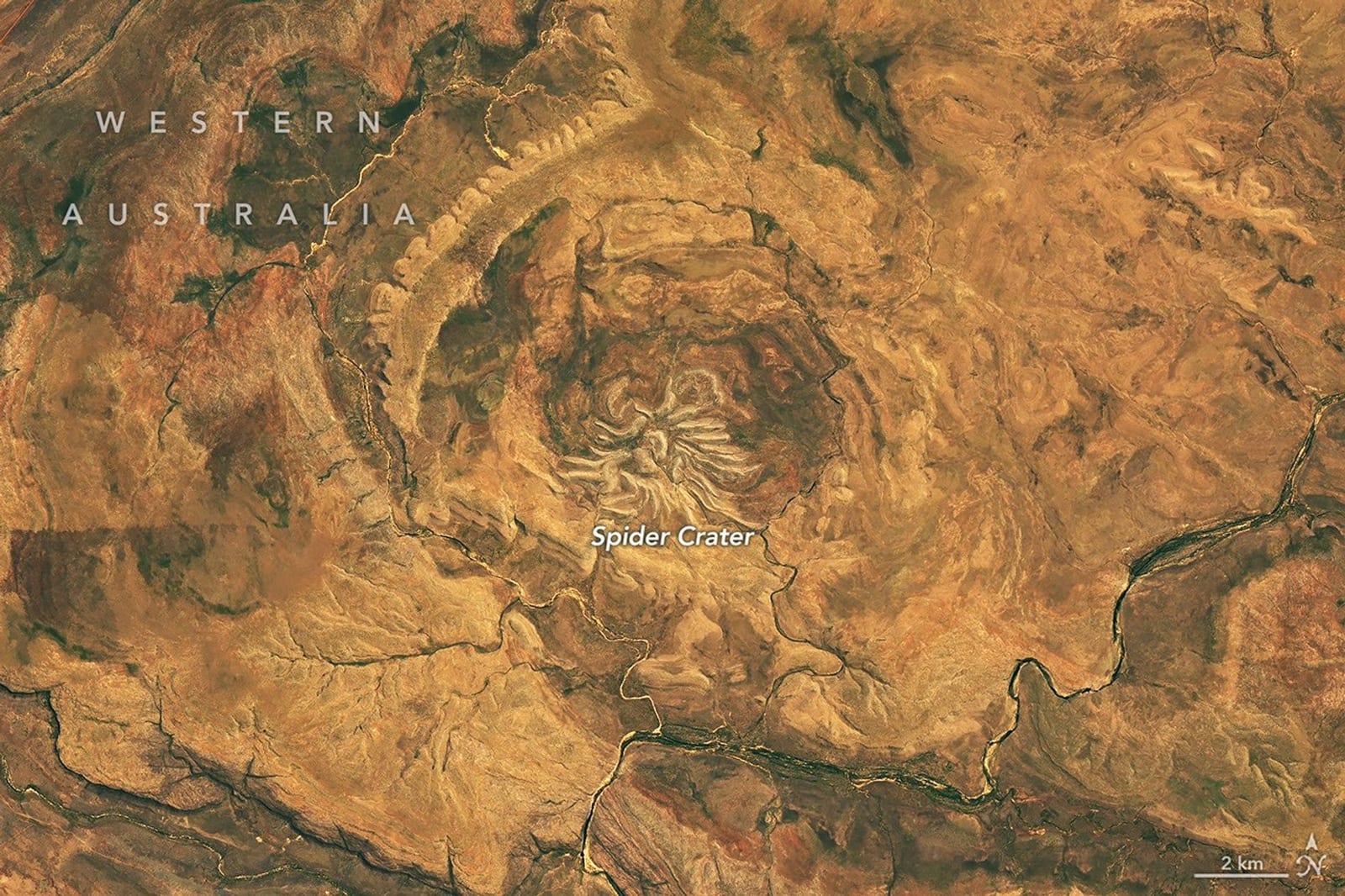
An Impact Structure With Legs

If the thought of extraterrestrial objects crashing into Earth weren’t creepy enough, behold Australia’s Spider Crater.

APOD: 2026 October 13 – Desert Stairway to Heaven

APODScienceAPODAPOD: 2026 October 13 –…Today’s APODArchiveSubmissionsIndexSearchCalendarRSSEducationAboutDiscuss APOD Astronomy Picture of the Day Discover the cosmos! Each day a different image or photograph of our fascinating universe is featured, along with a brief explanation written by a professional astronomer. OriginalAnnotated Desert Stairway to Heaven Explanation: This stairway in Chile brings you only a little bit closer […]

Video