Advertisement
Advertisement

Science

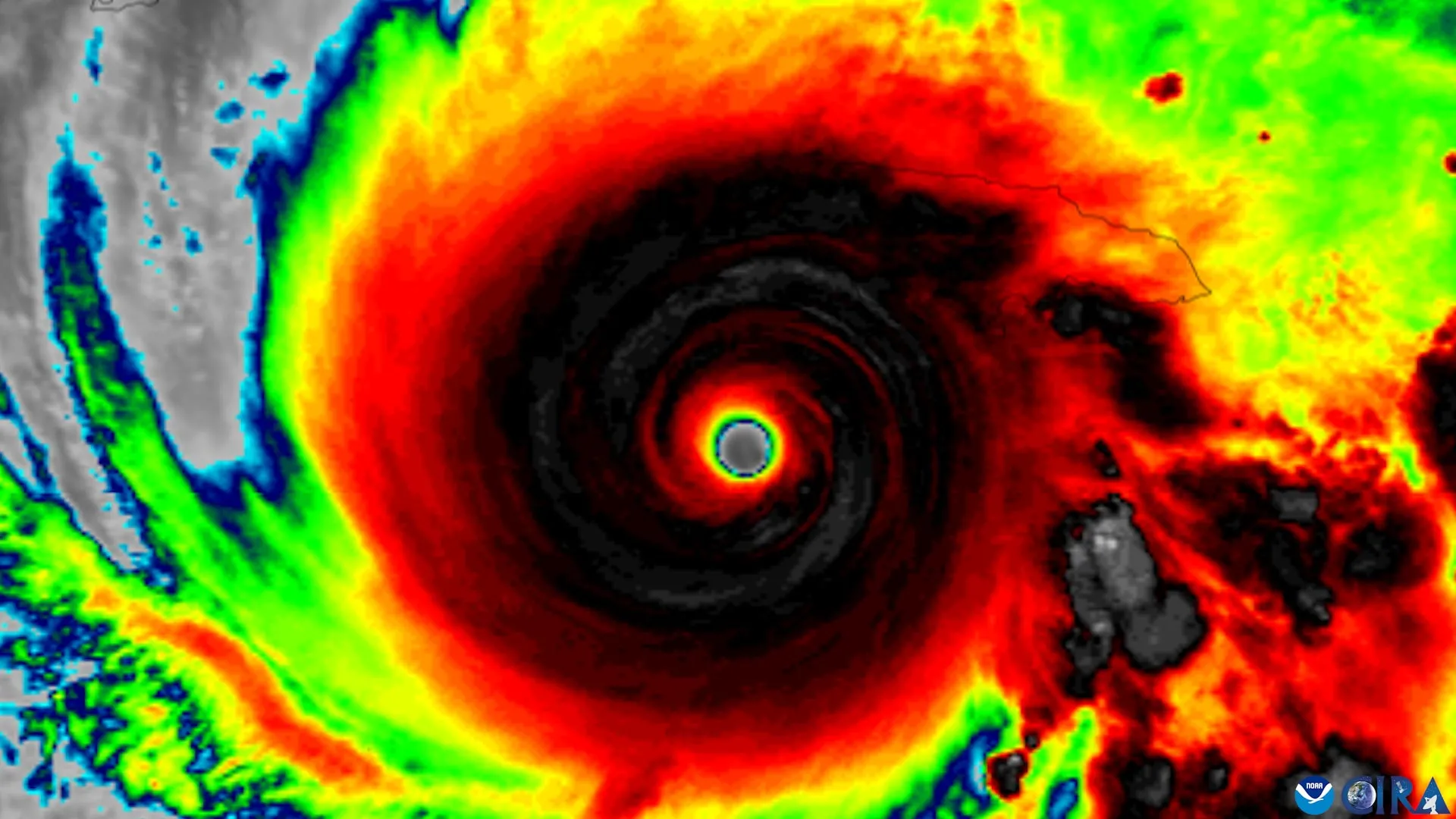
Hurricane warning maps are improving, but a dangerous problem remains

A new study reveals that improved hurricane forecast graphics may help people identify threatened areas without making them more likely to recognize the danger or take protective action. Researchers also found that a widespread misunderstanding of the hurricane cone persists, highlighting a potentially dangerous gap between accurate forecasts and public preparedness.
Scientists finally uncover why statins can cause muscle pain

Scientists have uncovered a surprising reason why statins, the widely prescribed cholesterol-lowering drugs that help prevent heart attacks and strokes, can sometimes cause muscle pain, weakness, and even severe muscle damage. Using advanced imaging technology, researchers discovered that statins can attach to a crucial protein in muscle cells and force open a channel that normally controls calcium flow. This causes calcium to leak continuously, potentially damaging muscle tissue.

APOD: 2026 October 20 – An Anticrepuscular Rainbow Fan

APOD Science APOD APOD: 2026 October 20 – An… Today’s APOD Archive Submissions Index Search Calendar RSS Education About Discuss APOD Astronomy Picture of the Day Discover the cosmos! Each day a different image or photograph of our fascinating universe is featured, along with a brief explanation written by a professional astronomer. An Anticrepuscular […]

Video
Advertisement

Curiosity Blog, Sols 5036-5042: Watching the Clouds Go By

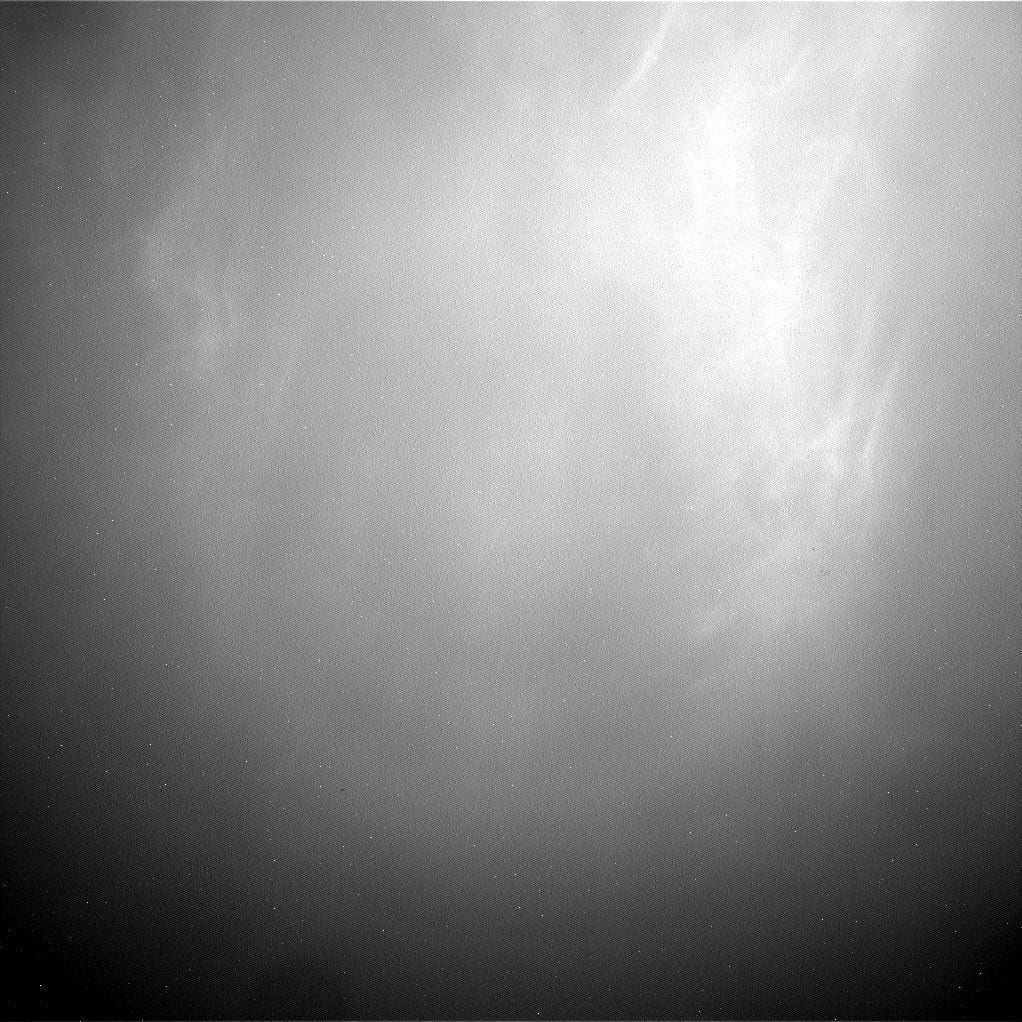
Written by Alex Innanen, Atmospheric Scientist at York University Earth planning date: Friday, Oct. 9, 2026 Happy New Mars Year! We mark the start of a new year on Mars at the beginning of the northern hemisphere spring, or the vernal equinox. We then keep track of the seasons by counting degrees of solar longitude […]

NASA Improves Shock, Vibration Analysis

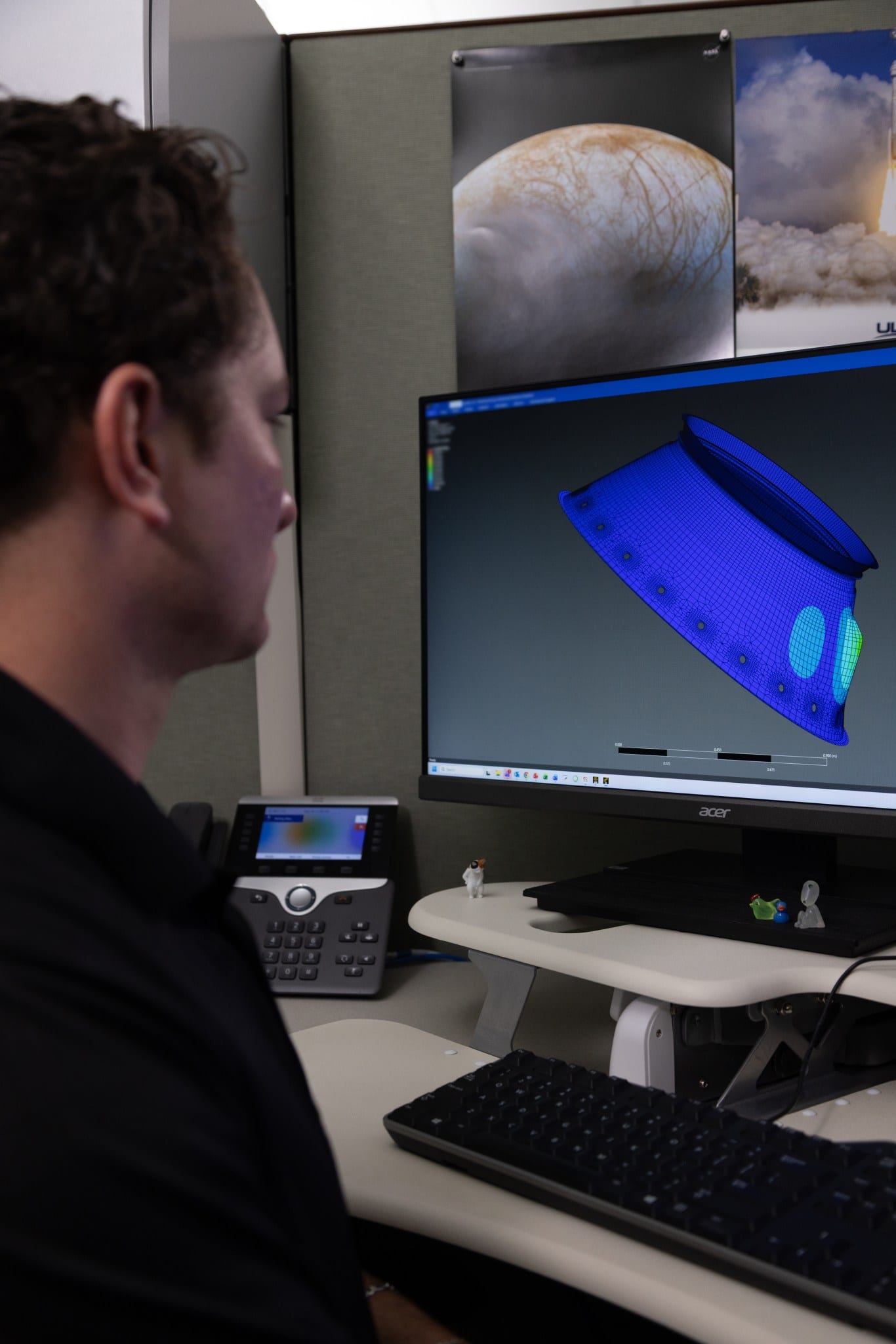
Rockets vibrate, shake, and flex intensely as they climb into space, and spacecraft packed with delicate scientific instruments must survive those forces. Before any rocket leaves the ground, NASA engineers work to predict how those stresses will affect every part of a spacecraft. To do that, engineers in the Dynamic Environments Group with NASA’s Launch […]

Martian Dawn

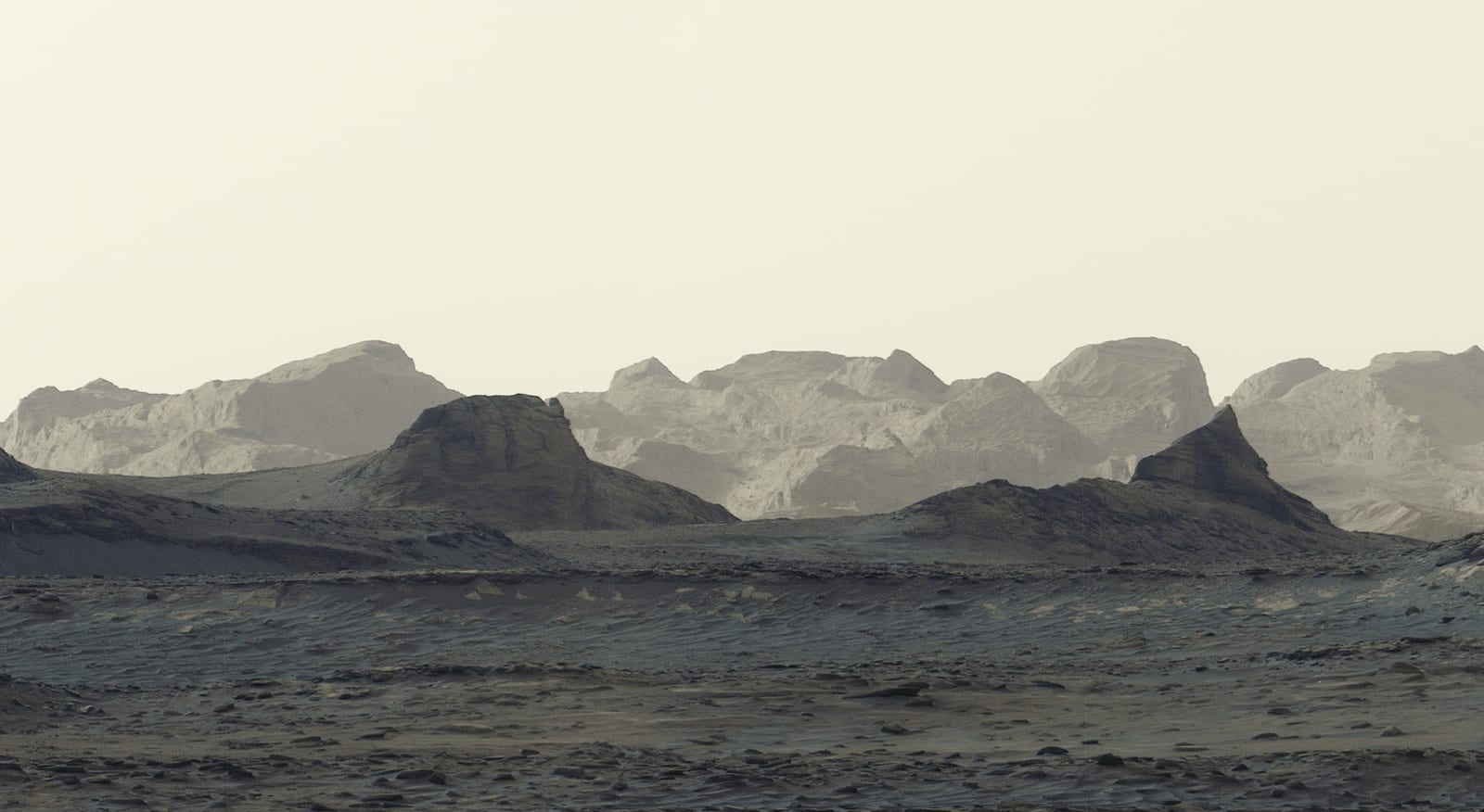
NASA’s Curiosity captures the dawn on Mars – as well as elongated ridges formed by wind erosion, or yardangs – in this close-up from a panorama released on Oct. 6, 2026. This is the most detailed view yet of distant, wind-carved Martian cliffs, highlighting features the mission’s scientists have long been waiting to see up […]

Instrumentation

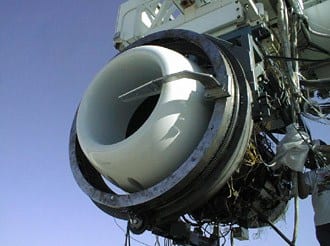
To measure airflow and sound, research teams at the NASA Glenn Research Center use special instrumentation like particle image velocimetry, hot wire anemometry, Raman spectroscopy, microphones in phased arrays or continuously rotating rakes. The global aviation noise reduction community relies on data from NASA GRC experiments to validate theory and noise prediction software. Rotating Rake […]

Experimental Facilities

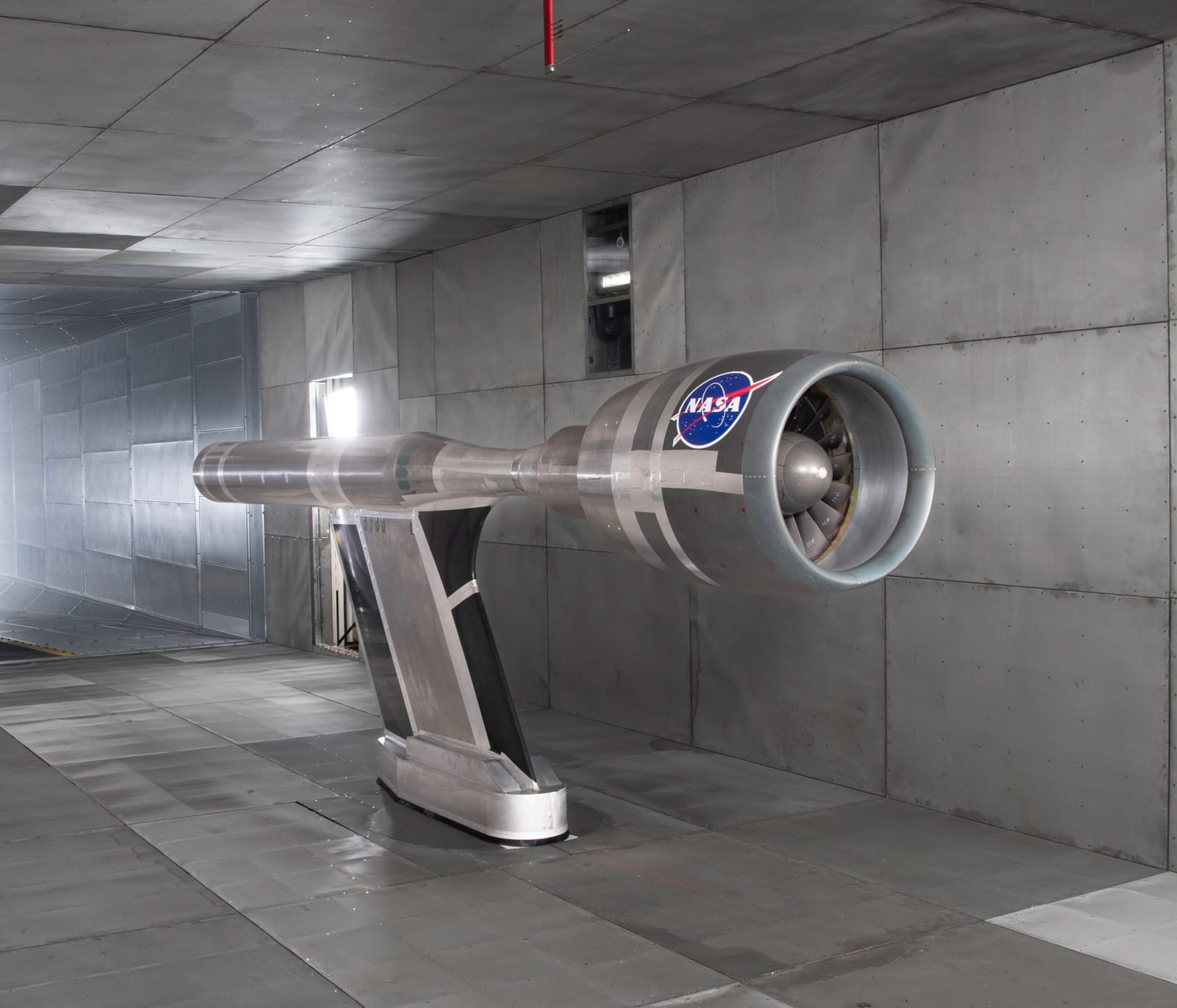
Research teams at the NASA Glenn Research Center perform experiments in world-class facilities such as the 9- by 15-Foot Low-Speed Wind Tunnel (9 x15 LSWT), the Aero-Acoustic Propulsion Laboratory (AAPL), the Small Hot Jet Acoustic Rig (SHJAR), the Nozzle Acoustic Test Rig (NATR), the DGEN AeroPropulsion Research Turbofan (DART), and the Acoustical Testing Laboratory (ATL). […]

Software

Research teams at NASA’s Glenn Research Center are involved in developing theory and software to predict the noise from aircraft engines. This software helps engineers to design and analyze new and improved aircraft propulsion systems. Copies of our software can be requested from NASA’s Software Catalog. JeNo Development of jet noise prediction codes is multifaceted. […]

Advertisement

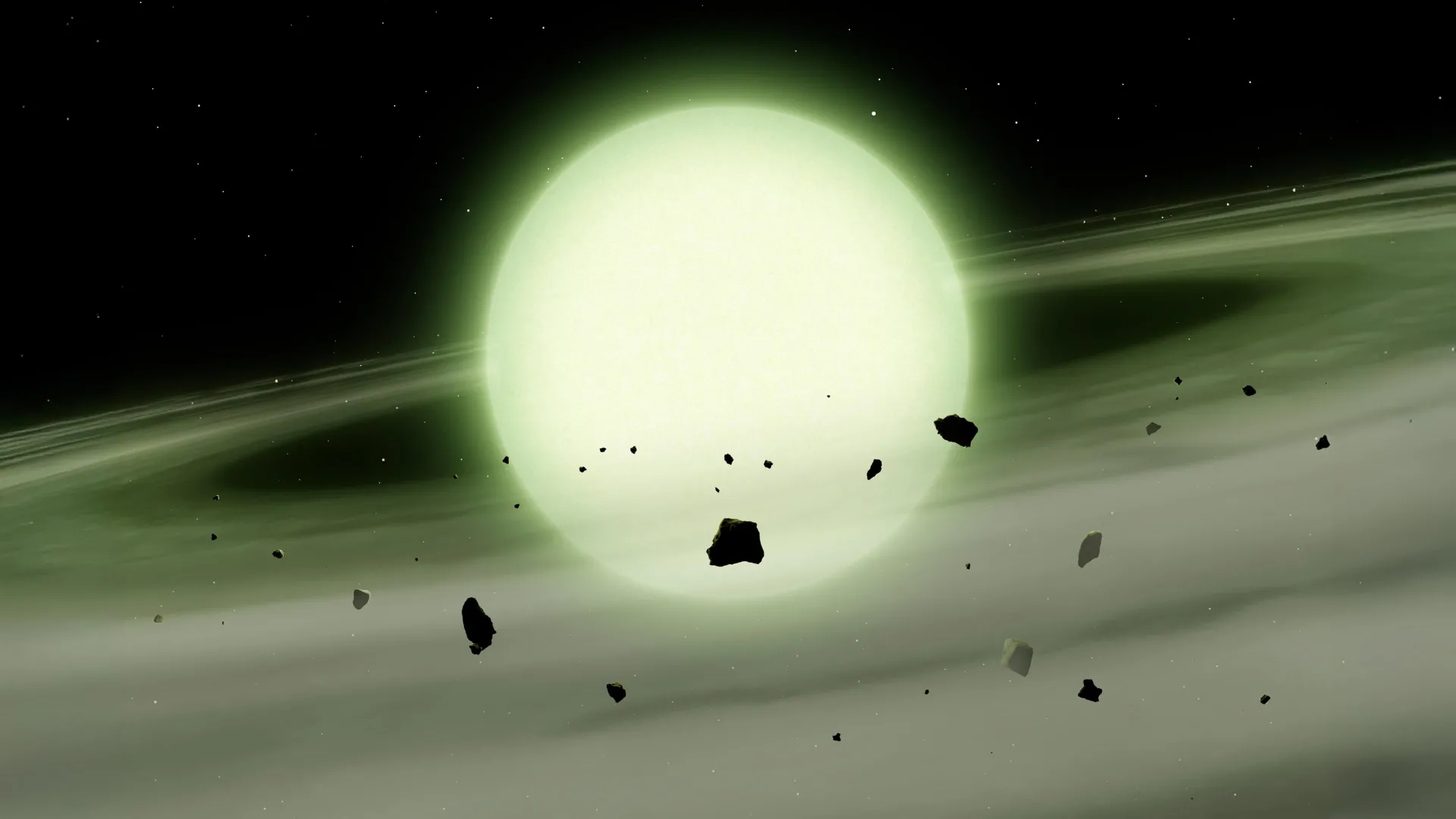
Astronomers discover a ghostly green star unlike any known before

Astronomers have uncovered a surprising rainbow of dead stars, including the first known star that would appear genuinely green to human eyes. Researchers found that white dwarfs can glow in unexpected shades of pink, purple, yellow, and cyan because of unusual chemical interactions in their extremely dense atmospheres.

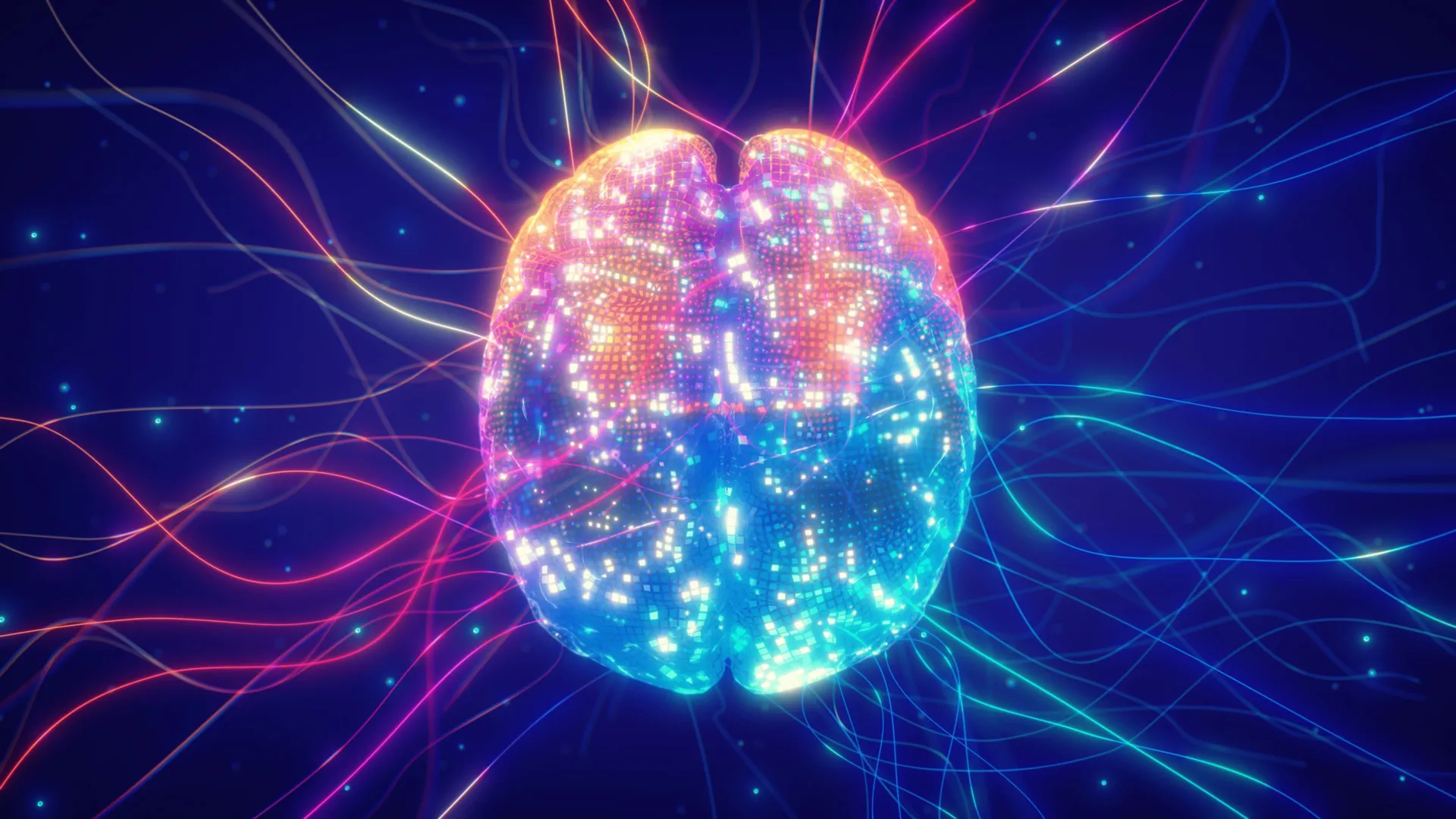
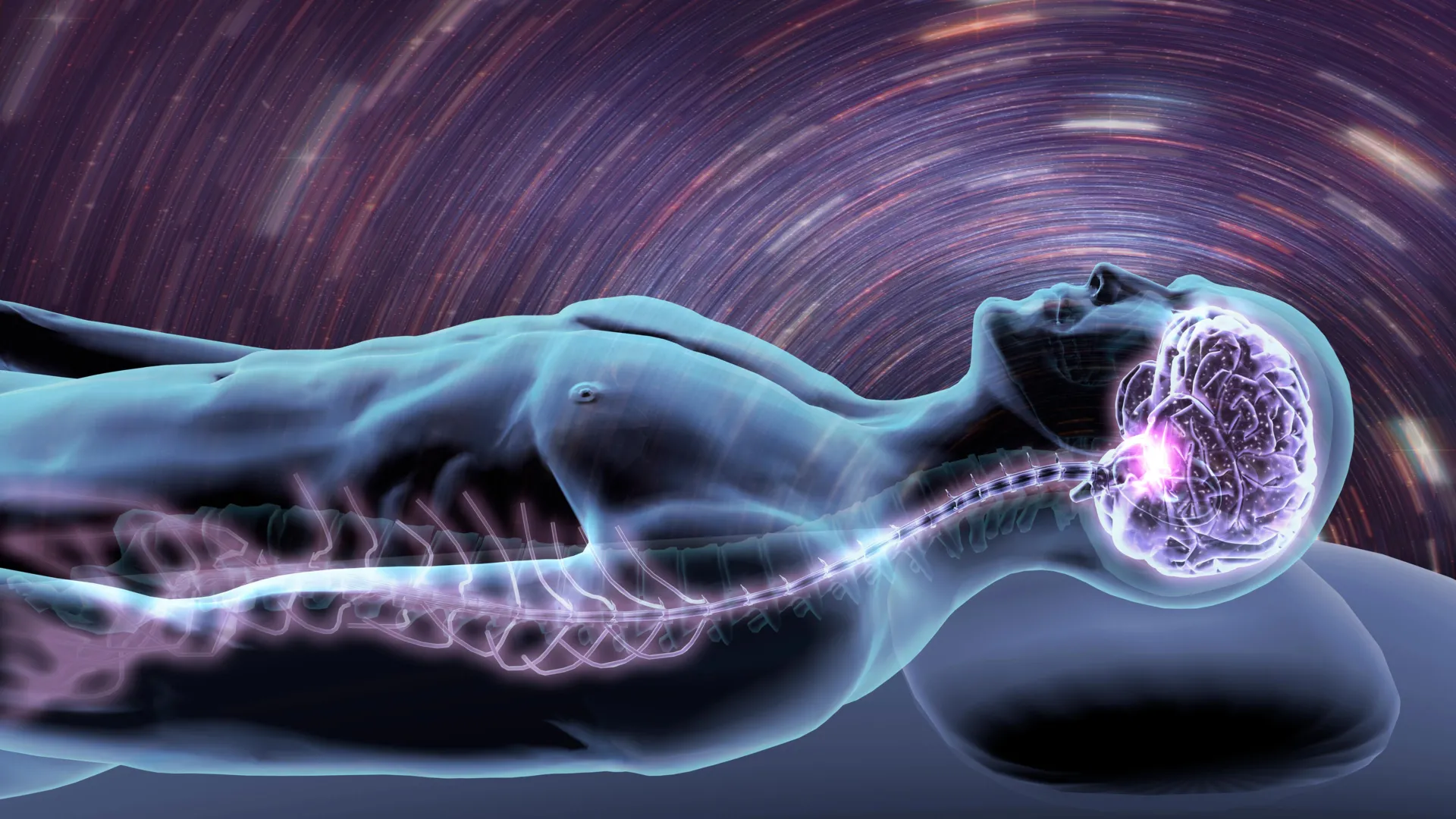
Modern neuroscience is rediscovering a surprising idea freud had 130 years ago

Researchers have identified striking parallels between Sigmund Freud’s century-old theories and modern neuroscience, suggesting that the brain’s constant predictions shape how we experience reality. The findings could help explain why harmful thought patterns are so difficult to break and offer new insights into treating mental disorders.