Can a giant tunnel save Windermere?
A £3.6bn proposal to stop sewage being discharged into Windermere, England's largest lake, has been unveiled.
International news in seven languages
A £3.6bn proposal to stop sewage being discharged into Windermere, England's largest lake, has been unveiled.
BBC Verify's Ben Chu explains why energy prices are so high, and what Jackdaw could mean for your bills.
From orbit, today’s space-based laser instruments measure Earth’s forests and terrain one narrow line at a time. Between those lines are enormous gaps that include millions of acres of land scientists never directly measure. NASA’s CASALS instrument will blend machine learning with an ultra-compact lidar instrument to adaptively ‘sweep’ large swaths of Earth’s surface. This […]
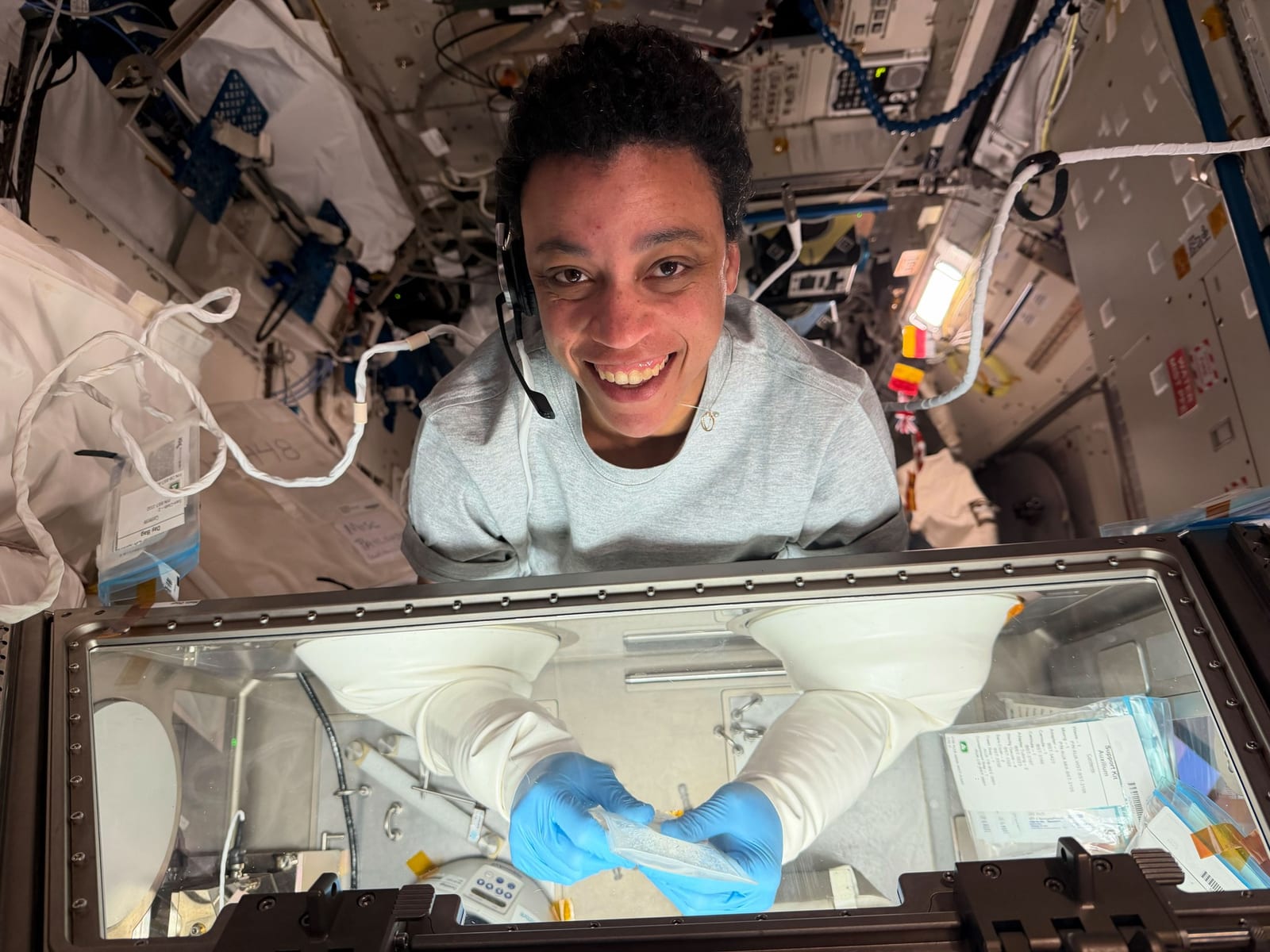
NASA astronaut and Expedition 75 flight engineer Jessica Watkins works inside the Kibo laboratory module’s Life Science Glovebox on Oct. 9, 2026, safely mixing living cell samples with a bioink and then filling a special cartridge with the cell‑ink mixture. The advanced research operations were part of the InSPA‑Auxilium Bioprinter‑Cell Printing investigation, which explores 3D […]
The UK government says the field, which is opposed by environmental campaigners, could be producing gas by the end of this month.
How Jackdaw ignites arguments over climate and costs
A study by DZNE finds that healthy eating is associated with slower biological aging—and that there is more than one way to eat healthily. The researchers examined ten dietary patterns considered healthy, including the Mediterranean, Nordic, and a plant-based diet, as well as the DASH diet, which is designed to help lower blood pressure. The findings are published in the journal Nature Communications.
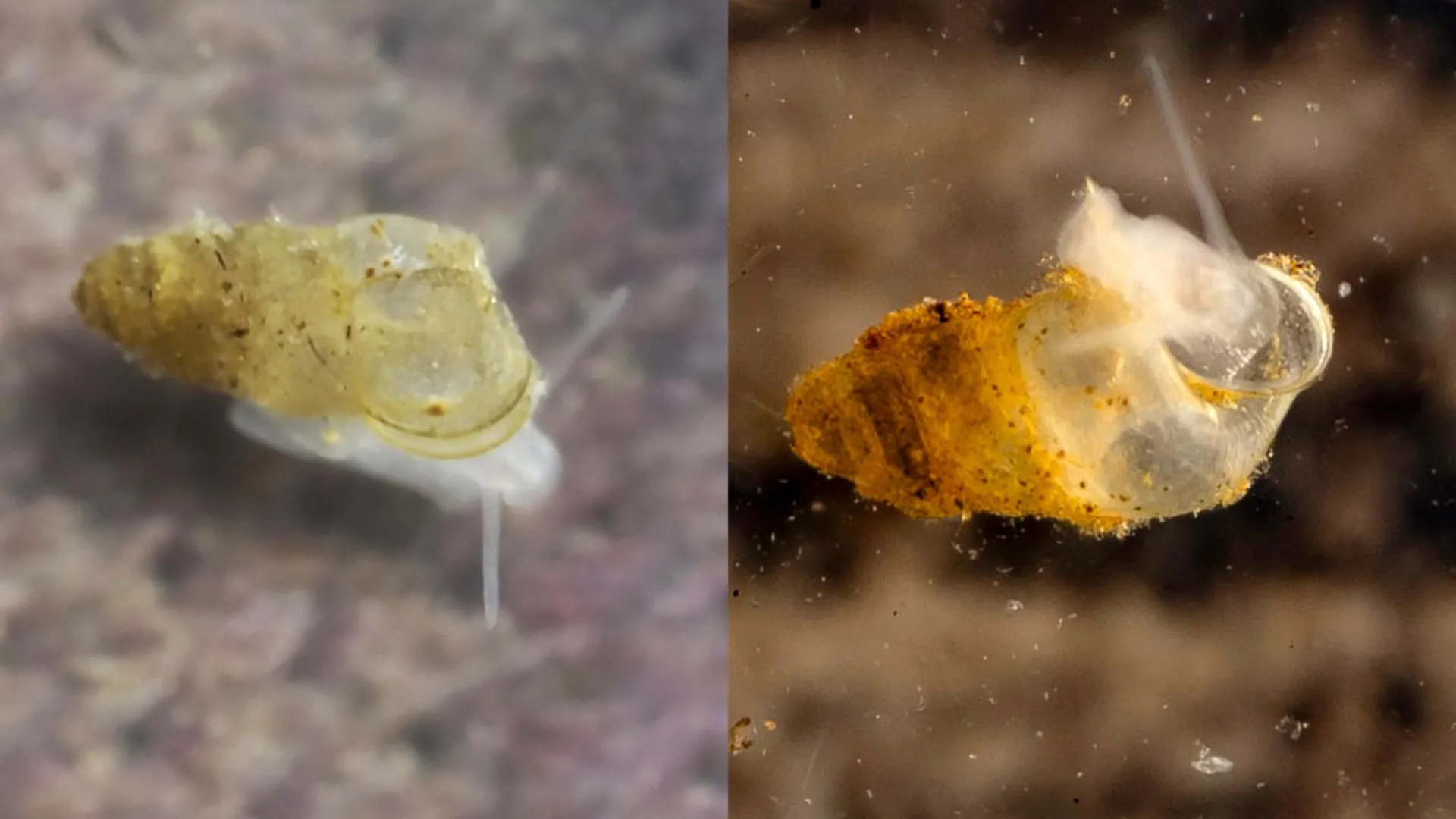
Deep inside a high-altitude Chinese cave, scientists discovered a ghostly, eyeless freshwater snail that has evolved to live entirely in darkness, marking the first recorded discovery of its kind in China. Named after a faceless mythical creature, the rare species may already be in danger, with researchers finding only three living adults.
NASA’s Perseverance rover has shattered a historic space exploration record, traveling farther across another world than any vehicle before it. Its advanced self-driving system helped it surpass Opportunity’s 28.06-mile record in just five and a half years, a feat that previously took nearly 15. Now, Perseverance is exploring some of the oldest rocks in the solar system, searching for clues about ancient Martian environments that may once have supported life.
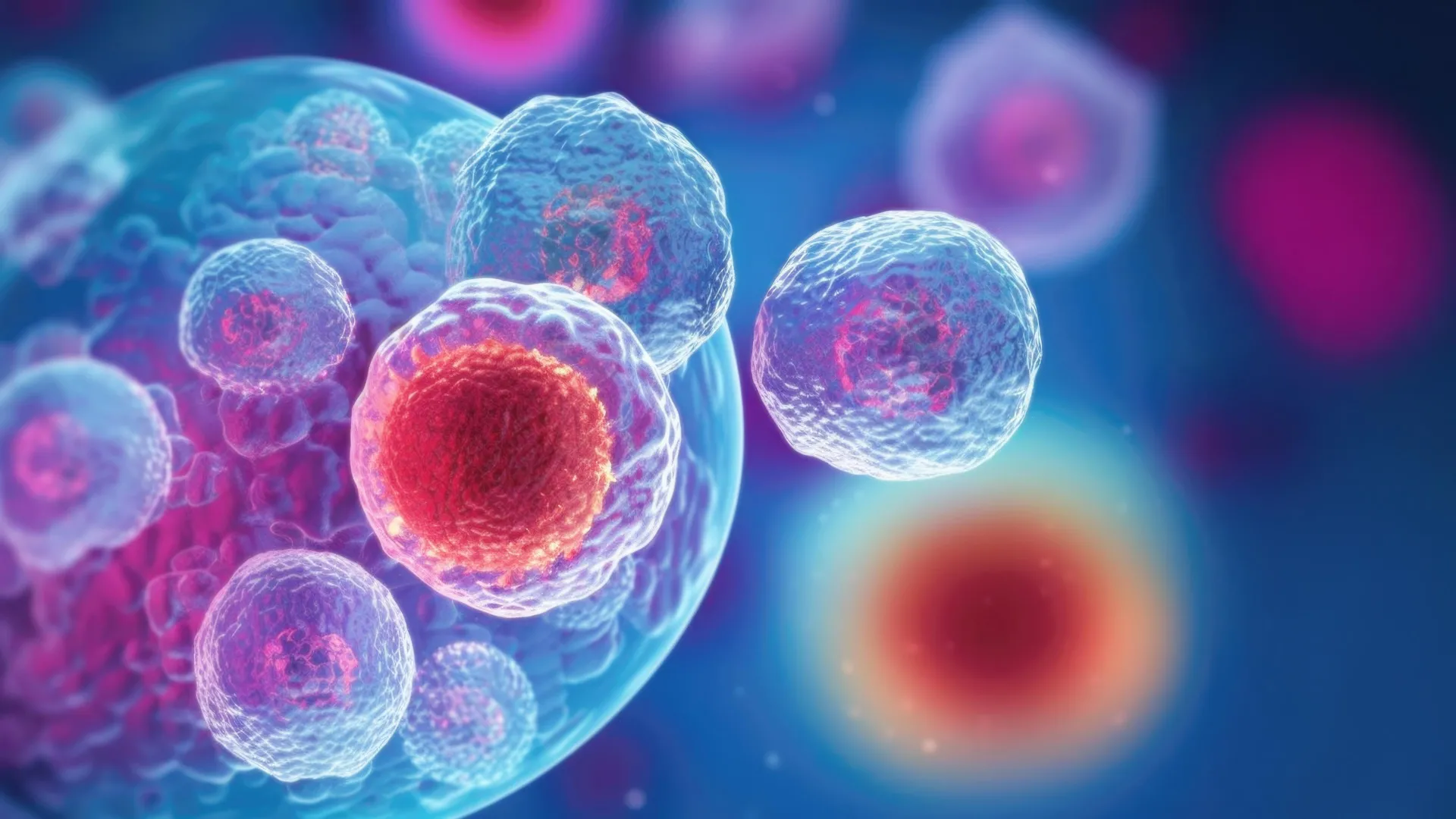
Scientists have turned blood cells from an 80-year-old into neural stem cells with a molecular age of less than 20, effectively reversing more than 60 years of cellular aging in the laboratory. The discovery offers a new way to investigate how cells become younger and could help researchers better understand age-related diseases such as Alzheimer's.
A new study tracking 13 astronauts suggests that the human heart may be surprisingly well equipped for a journey to Mars, especially with regular exercise during spaceflight. Researchers found that astronauts' hearts adapted to months of weightlessness and handled simulated Martian gravity without major problems, offering new hope for future missions to the Red Planet.
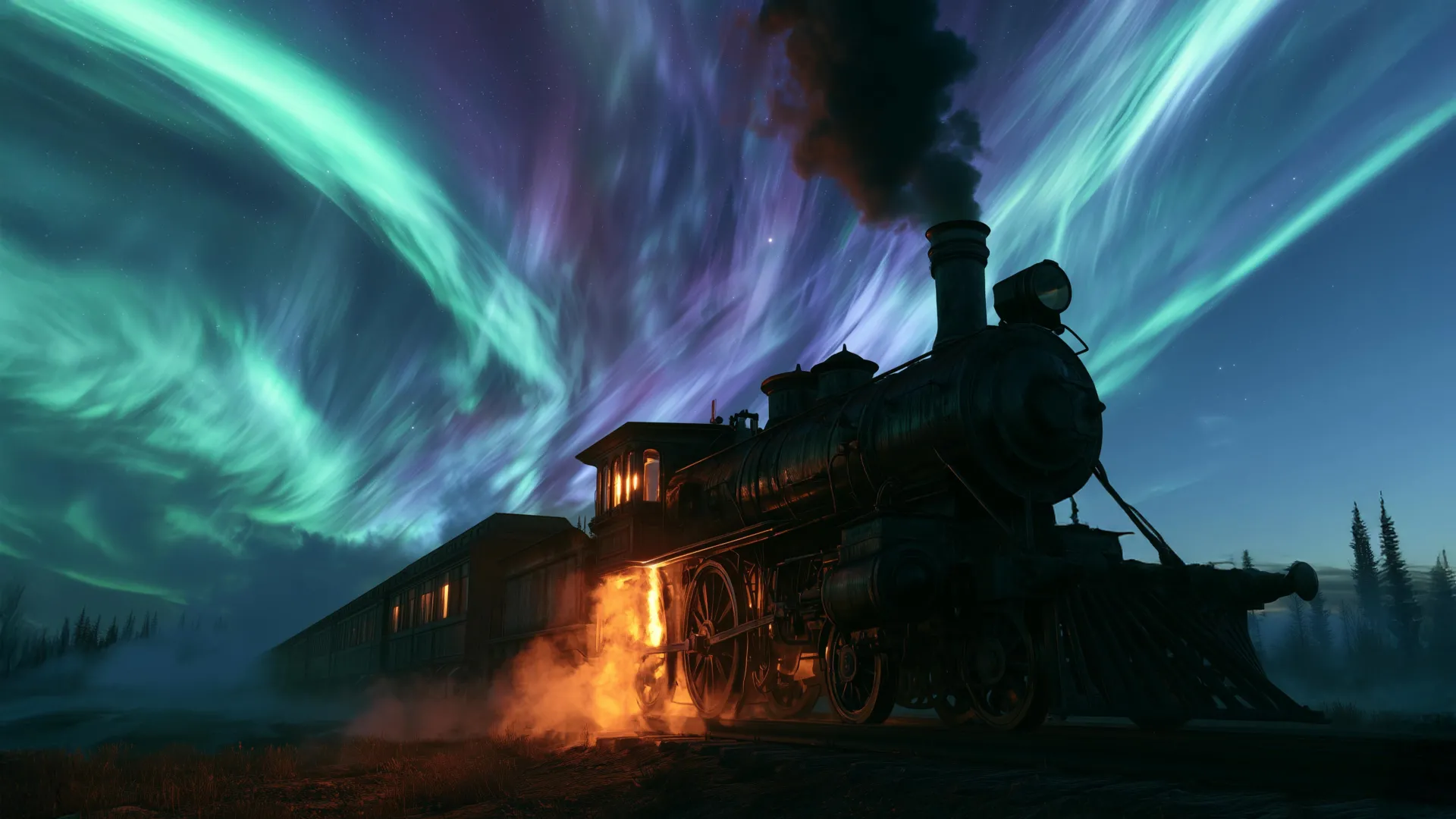
Scientists have cracked a 178-year-old mystery surrounding a train delayed by a solar storm, revealing that the famous incident happened in 1848 rather than 1841. The discovery rewrites the early history of space weather and highlights a threat that still endangers modern power grids, satellites, and communication systems.
A new Penn State study suggests that just four minutes of daily strength training can significantly improve mobility and physical function in older adults. After 12 weeks, participants showed meaningful gains in balance, leg strength, and their ability to stand up from a chair, all important factors for maintaining independence and reducing fall risk.
A decades-long mystery beneath the North Sea has finally been solved. Scientists have confirmed that the Silverpit Crater, buried 700 meters below the seabed, was created when a 160-meter-wide asteroid struck Earth roughly 43 to 46 million years ago. The violent collision blasted a towering curtain of rock and water 1.5 kilometers into the air and triggered a tsunami more than 100 meters high.
BBC Verify looks at what the Jackdaw decision means for bills, energy security and the environment.
The surprise came after a teacher's father met Peake while working on a cruise ship.
Gusts of wind about 50 to 60mph are likely to hit large parts of south Wales on Friday.
The deep area of low pressure is expected to move close to the south of the UK early on Friday with south-west England set to bear the brunt.
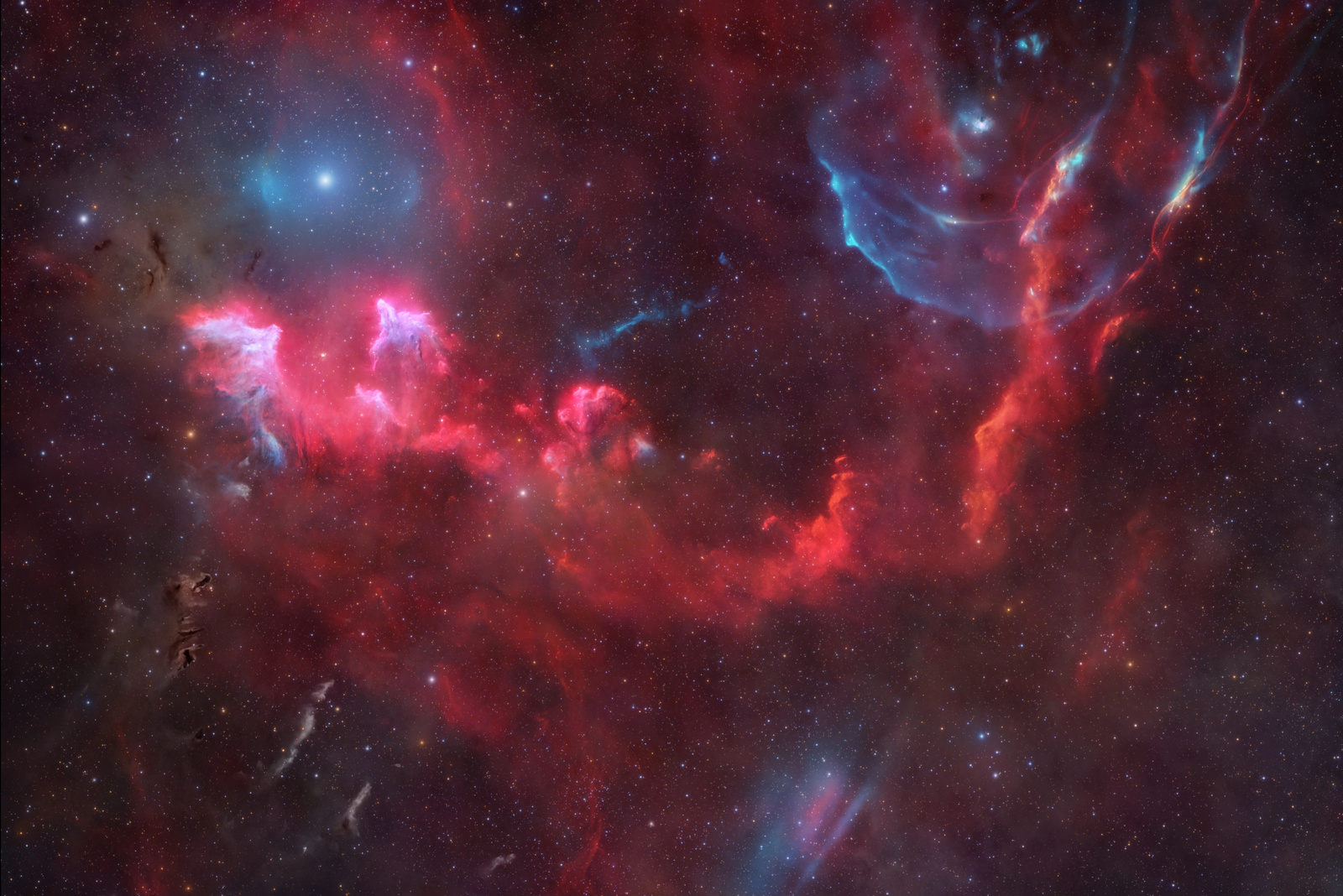
APODScienceAPODAPOD: 2026 October 21 – New…Today’s APODArchiveSubmissionsIndexSearchCalendarRSSEducationAboutDiscuss APOD Astronomy Picture of the Day Discover the cosmos! Each day a different image or photograph of our fascinating universe is featured, along with a brief explanation written by a professional astronomer. OriginalAnnotated New Ghosts Revealed in Cassiopeia Explanation: Jinkies, look at all those ghosts! It took 100 […]
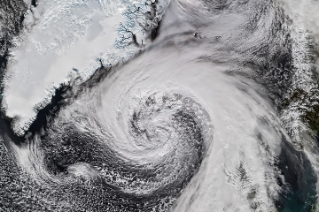
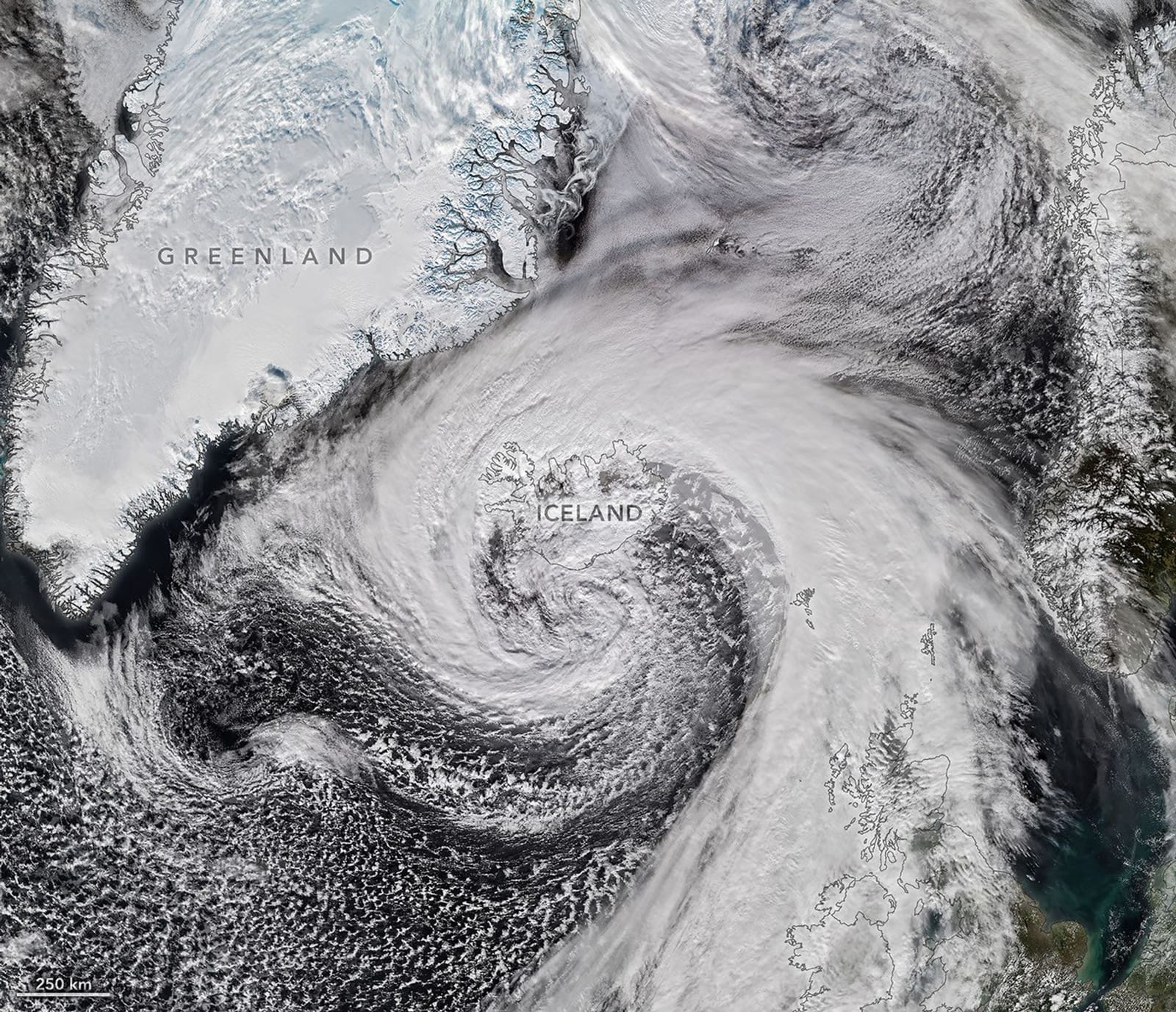
The powerful low-pressure system formed over the North Atlantic out of the remnants of Hurricane Isaias.