The people on standby when a storm strikes
While most people are preparing to stay indoors as another storm approaches, others are getting ready to head straight into it.
International news in seven languages
While most people are preparing to stay indoors as another storm approaches, others are getting ready to head straight into it.
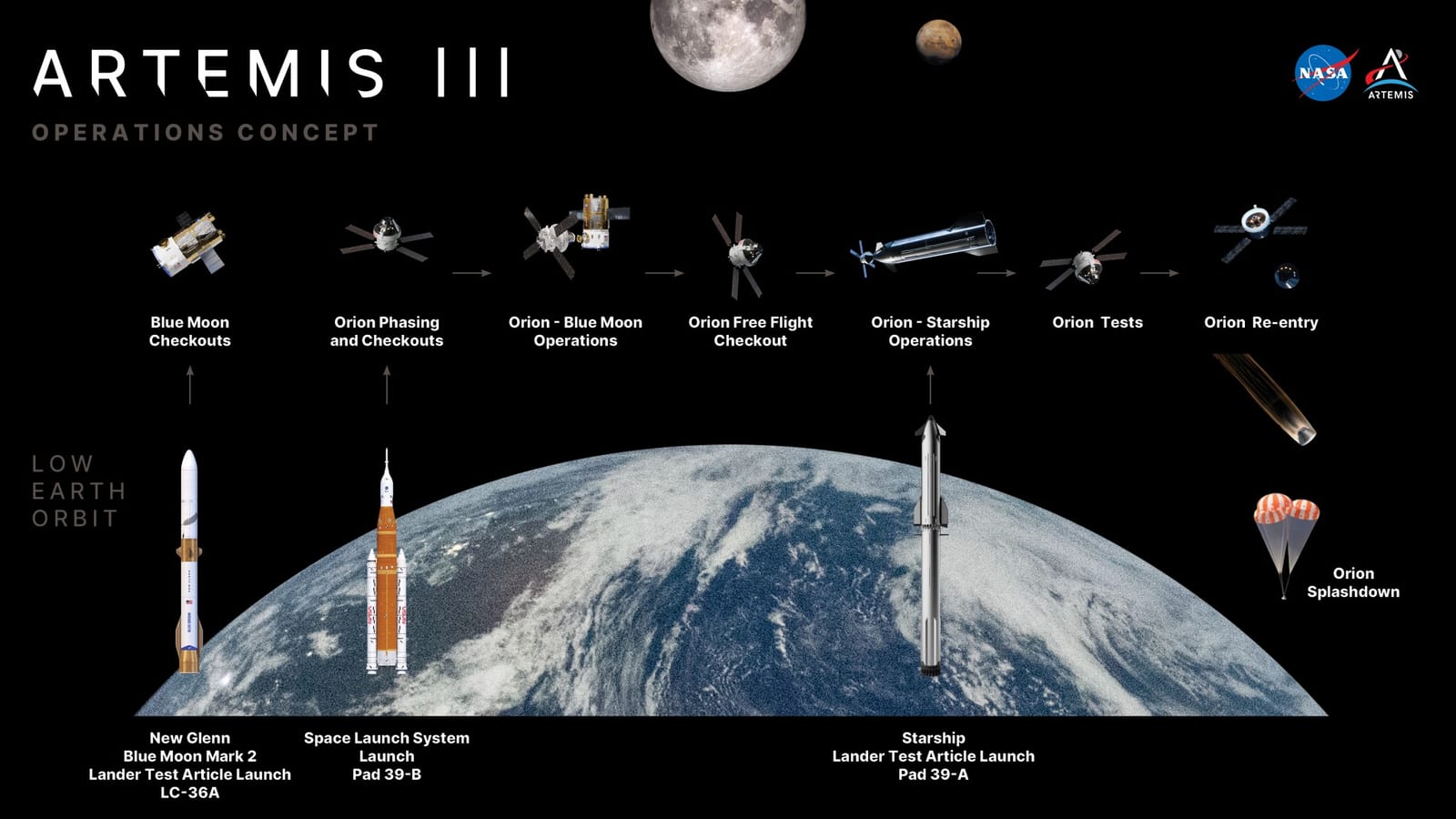
Before astronauts return to the lunar surface, NASA will first conduct one of the most ambitious and complex test missions in the agency’s history. Launching in 2027, Artemis III will send NASA astronauts Randy Bresnik, Frank Rubio, Andre Douglas, and ESA (European Space Agency) astronaut Luca Parmitano aboard the Orion spacecraft into low Earth orbit […]
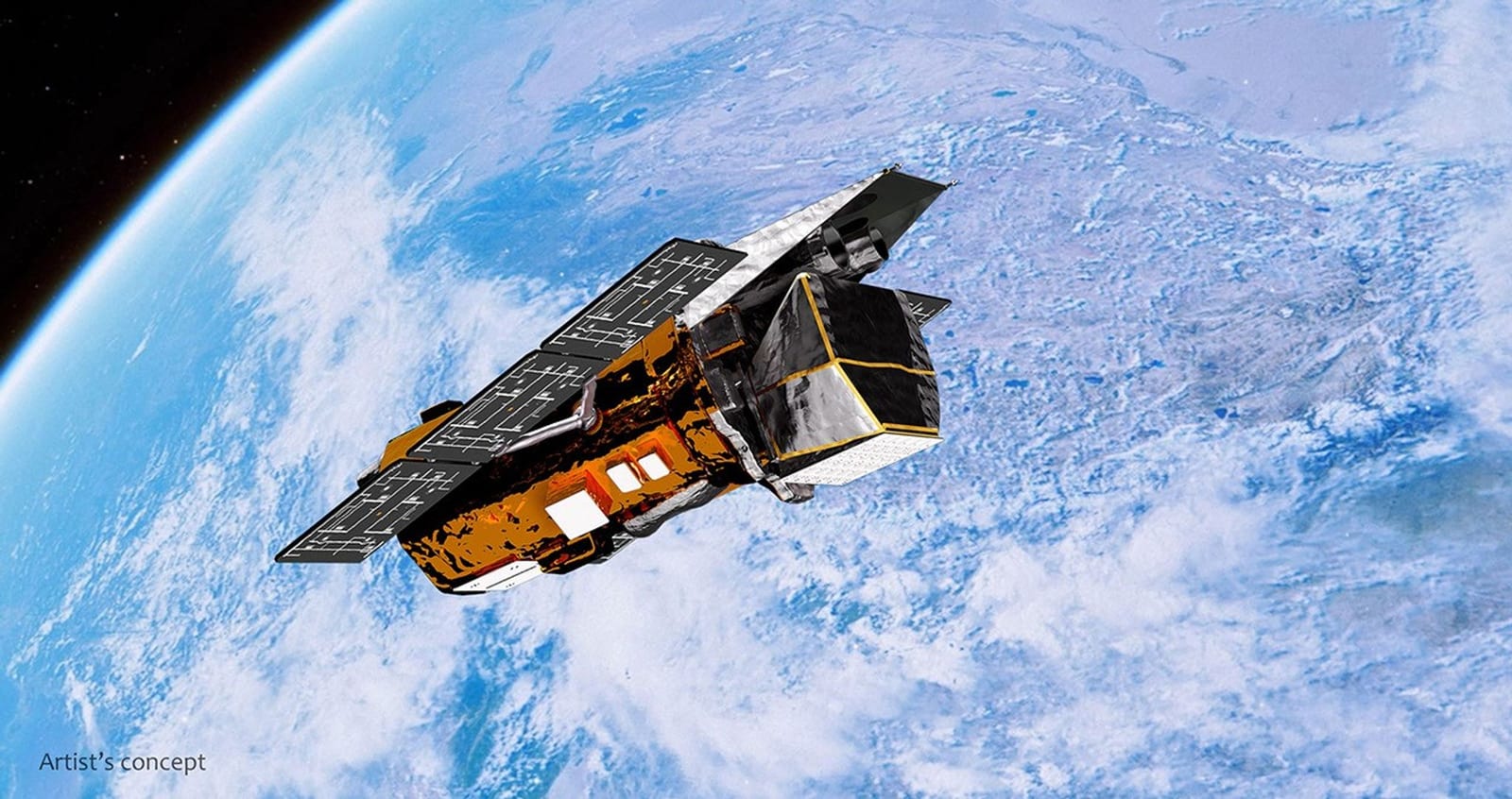
NASA’s Neil Gehrels Swift Observatory has ended its science mission now that the spacecraft is orbiting less than 171 miles (275 kilometers) above Earth’s surface. The greater atmospheric drag at this height prevents the satellite’s telescopes from steadily gazing at their astronomical targets. Swift conducted its final observation on Oct. 20. It is expected to […]
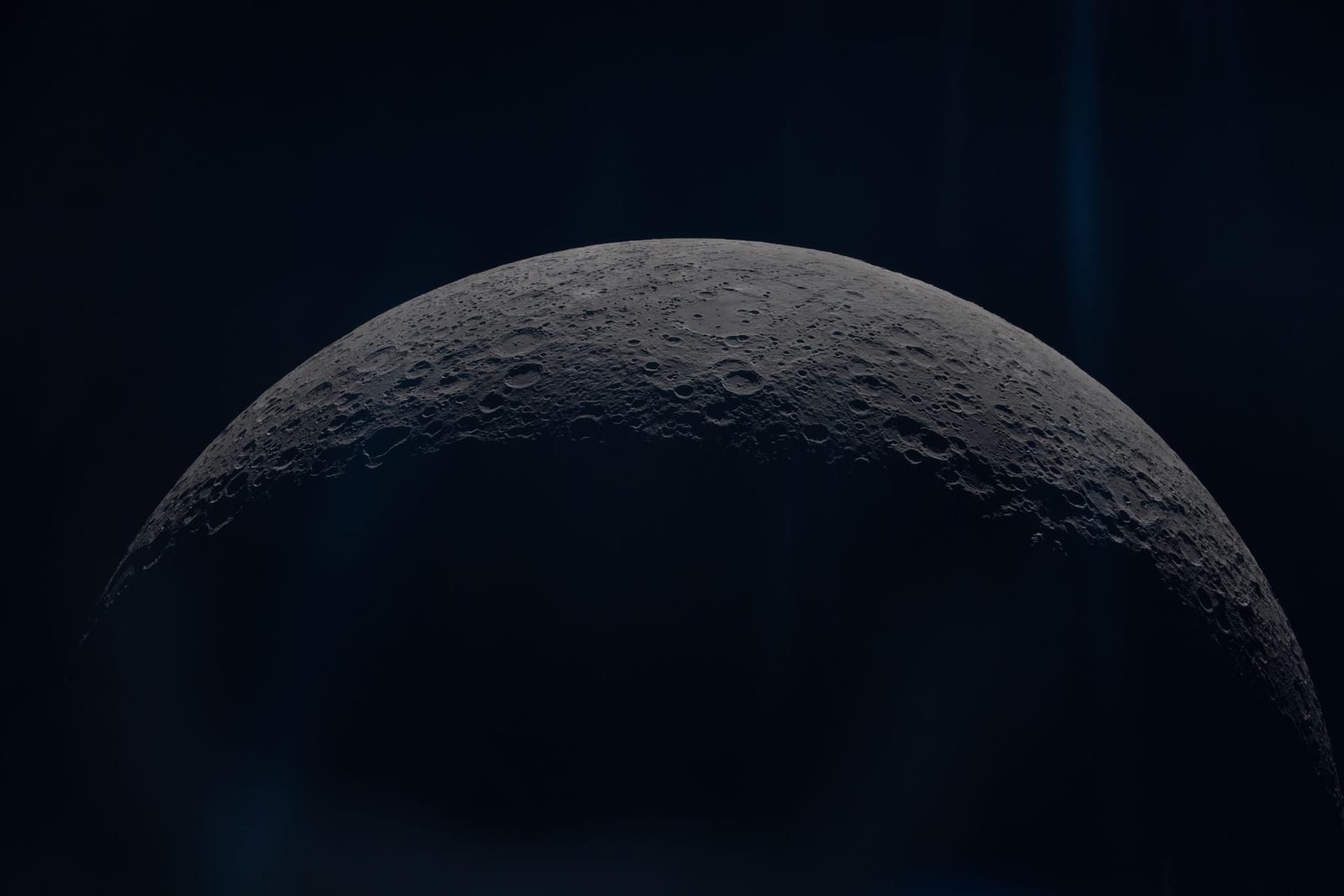
As NASA returns humans to the lunar surface and establishes a long-term presence on our closest celestial neighbor, the agency and commercial human landing system providers Blue Origin and SpaceX have streamlined the designs and changed both concepts of operations for its future crewed landers. Since NASA established initial contracts with Blue Origin and SpaceX […]
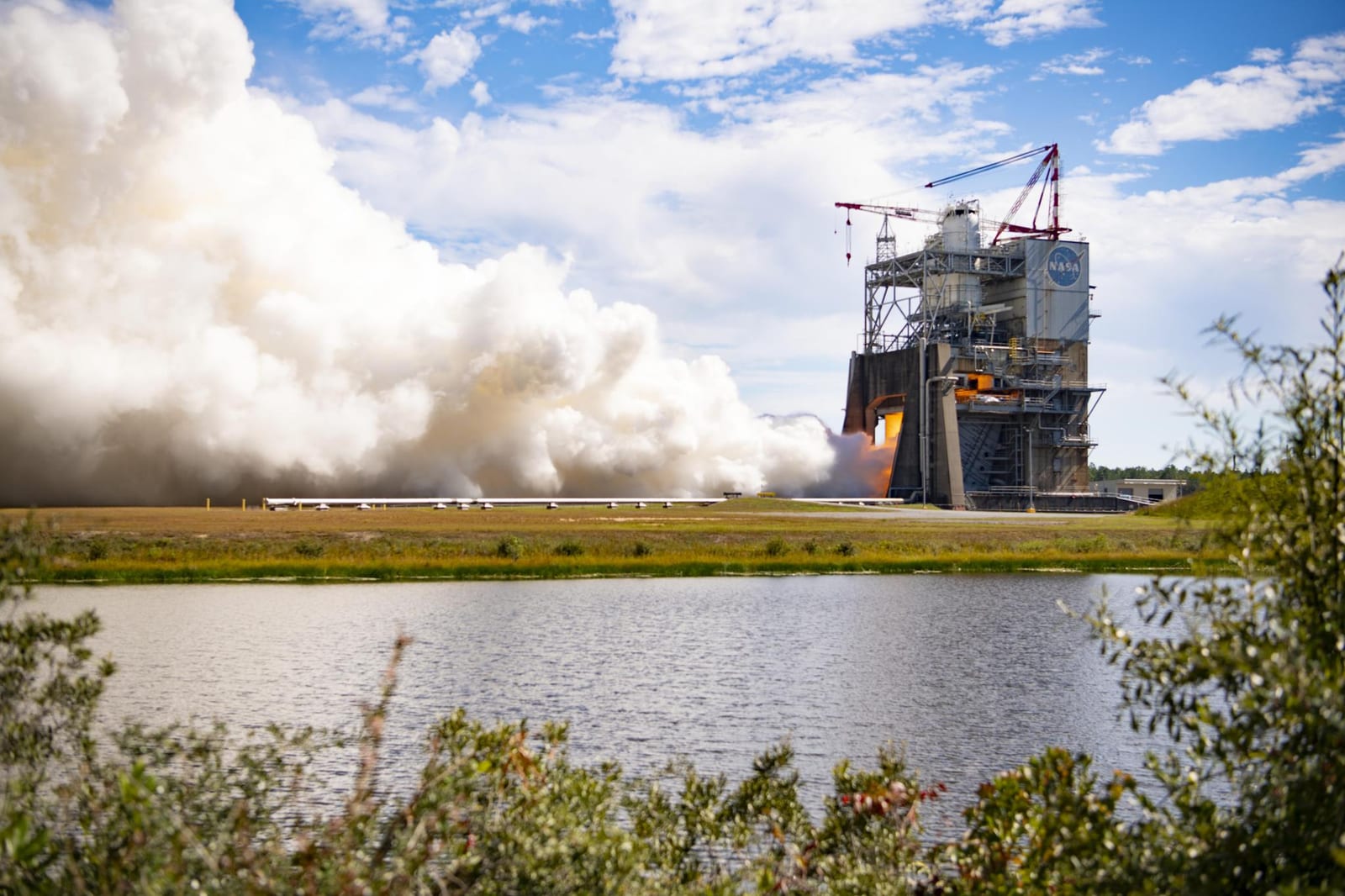
Teams at NASA’s Stennis Space Center near Bay St. Louis, Mississippi tested RS-25 engine No. 10001 on Oct. 21, 2026. The hot fire test lasted for almost eight-and-a-half minutes (500 seconds), the same amount of time RS-25 engines fire during launch of NASA’s SLS (Space Launch System) rocket, with a 111% power level. For each […]
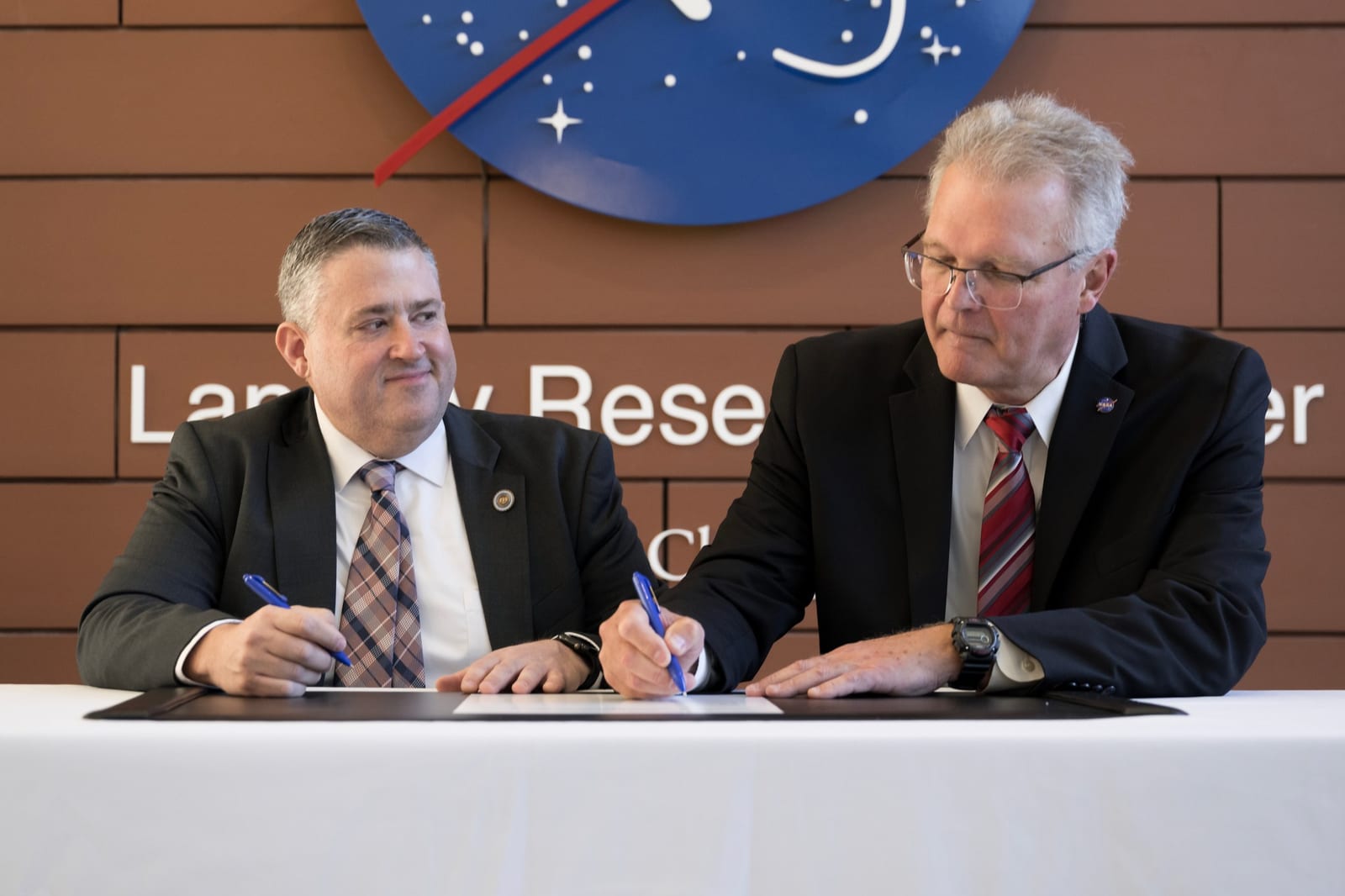
NASA is helping to foster long-term energy security in Virginia. NASA’s Langley Research Center in Hampton, Virginia, is partnering with the Virginia Department of Energy to support informed decisions for effective energy generation, delivery and use by providing solar, meteorological, and future weather risk datasets for energy system modeling and planning purposes. Under a new […]
The UK government has warned households to have three days of essential supplies on hand.
Experts from the University of Bath are testing out a new invention at a lake in Wiltshire.
The Danish Environment Protection Agency says nurdles it has tested are similar to the Tyne pellets.
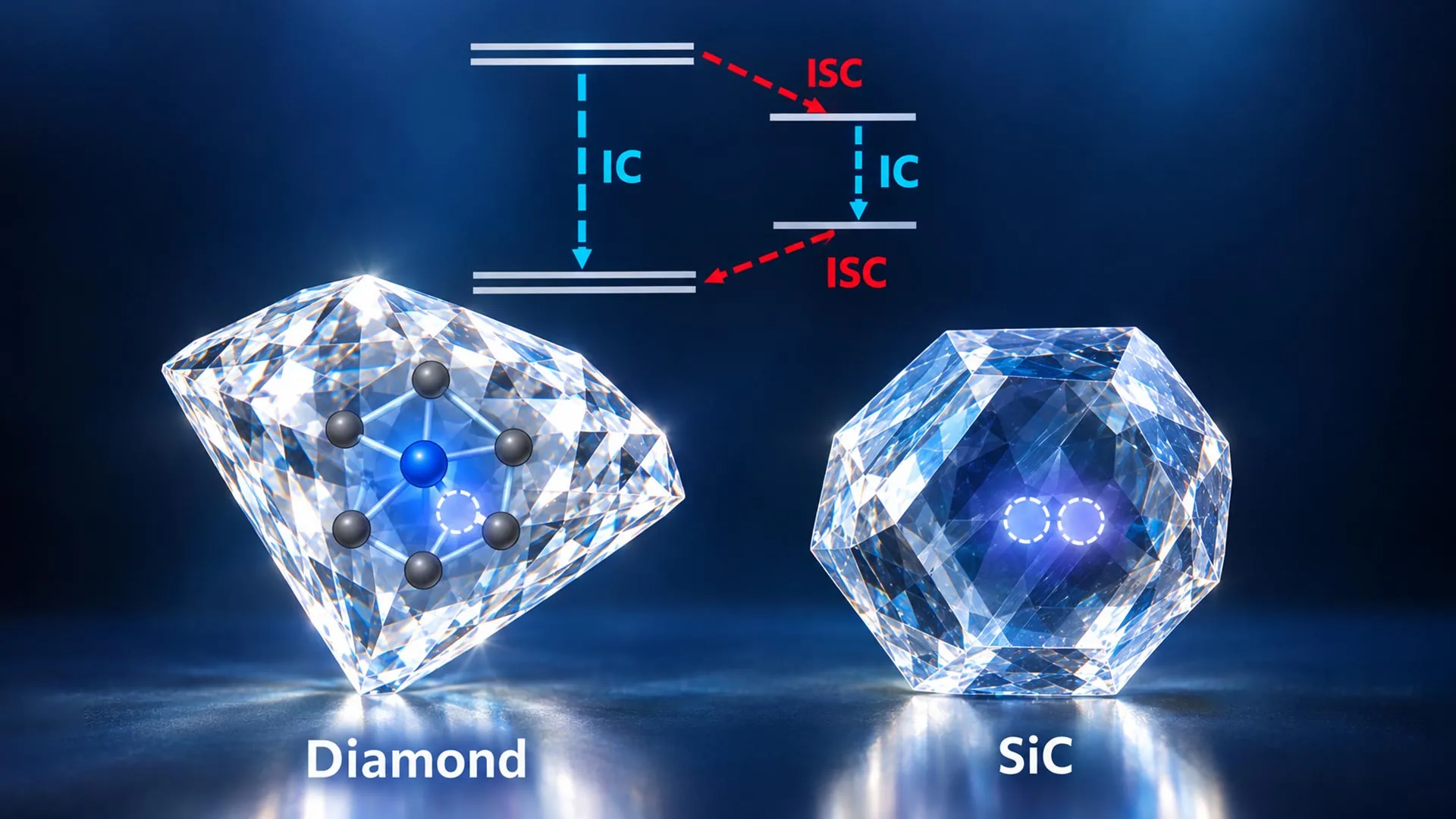
Researchers have solved a long-standing challenge in understanding how tiny defects in materials like diamond and silicon carbide behave when exposed to light. Their new computational method revealed a surprisingly important energy-loss mechanism in silicon carbide that scientists had previously underestimated. The finding helps explain a mystery that has puzzled researchers for years and could improve the design of quantum computers and sensors.
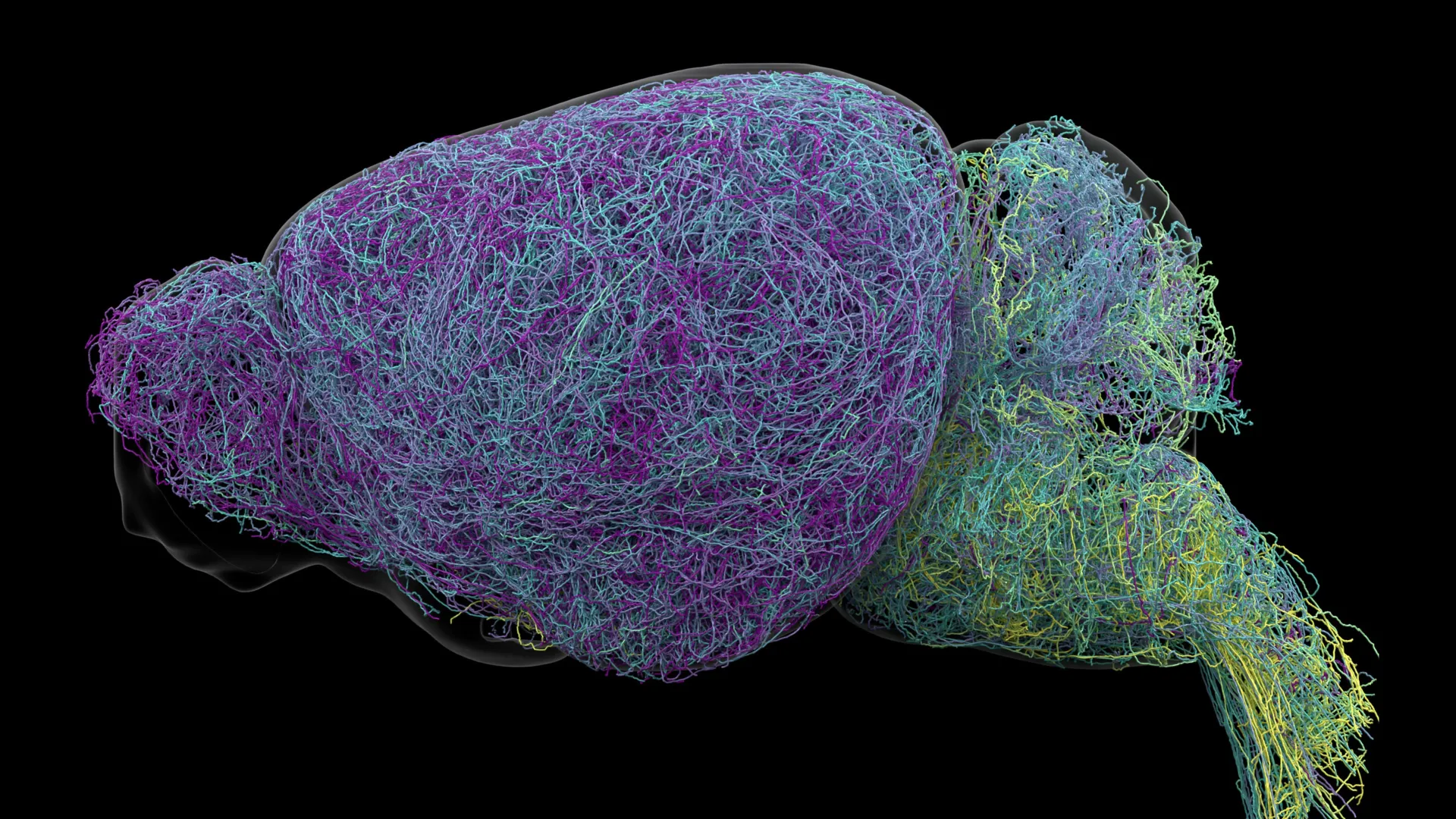
A tiny region deep within the brain has surprised scientists by revealing a remarkably sophisticated communication system. Previously thought to broadcast the same chemical signal throughout the brain, this region actually sends targeted messages that help control learning, attention, and behavior, according to new research in mice.
MIT engineers have built a paper-thin swimming robot powered by living muscle cells that respond to flashes of light, allowing it to swim and steer through water. The breakthrough could pave the way for tiny, self-healing biological robots capable of exploring fragile environments that ordinary machines cannot safely navigate.
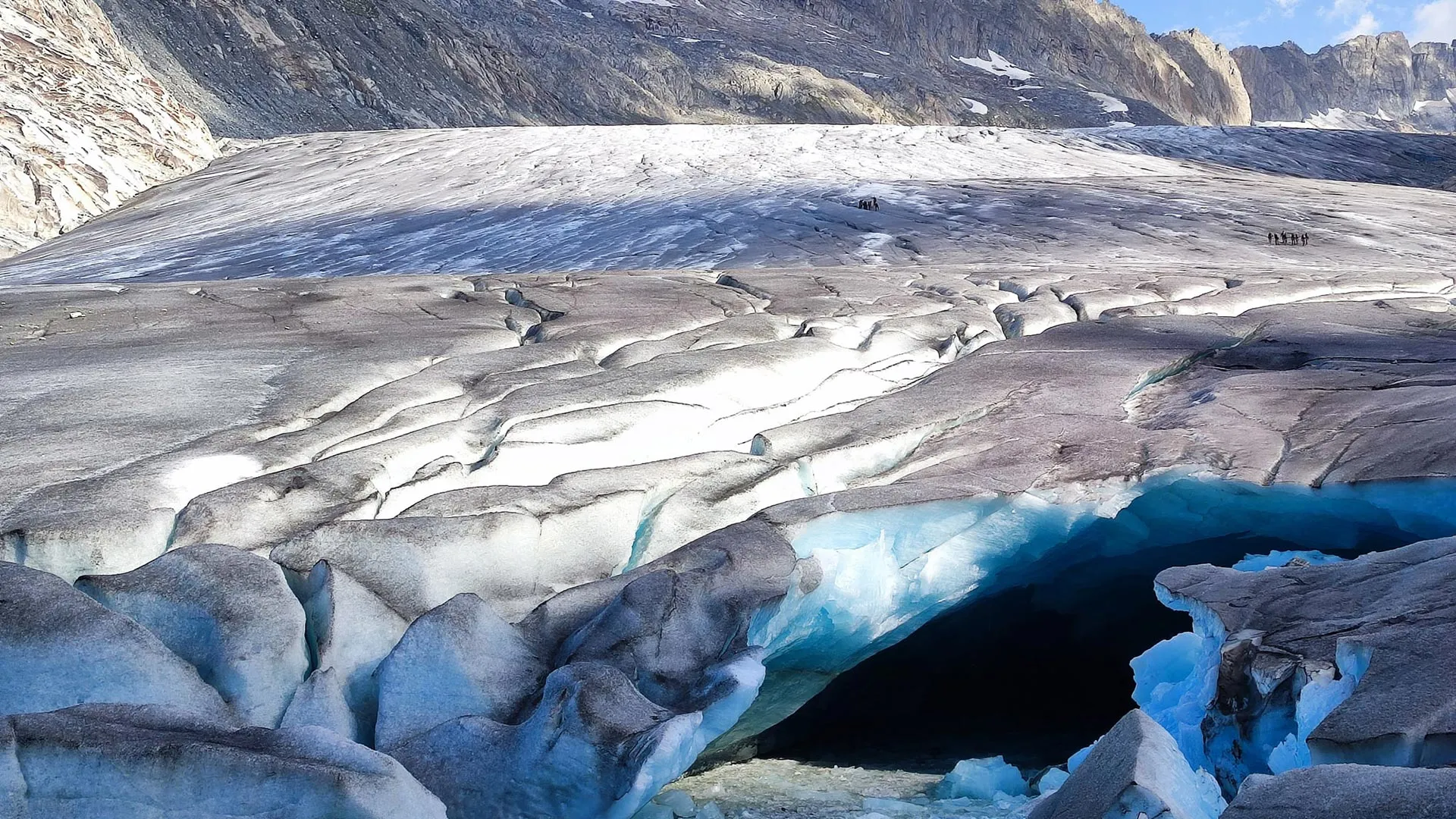
Switzerland’s glaciers are disappearing at an alarming rate, losing more than 5% of their ice volume in 2026 alone. Some of the country’s most famous glaciers experienced their worst melting on record, while several smaller glaciers vanished completely. Nearly 20% of Switzerland’s glacier ice has disappeared in just five years, driven by unusually snowless winters and extreme summer heat.
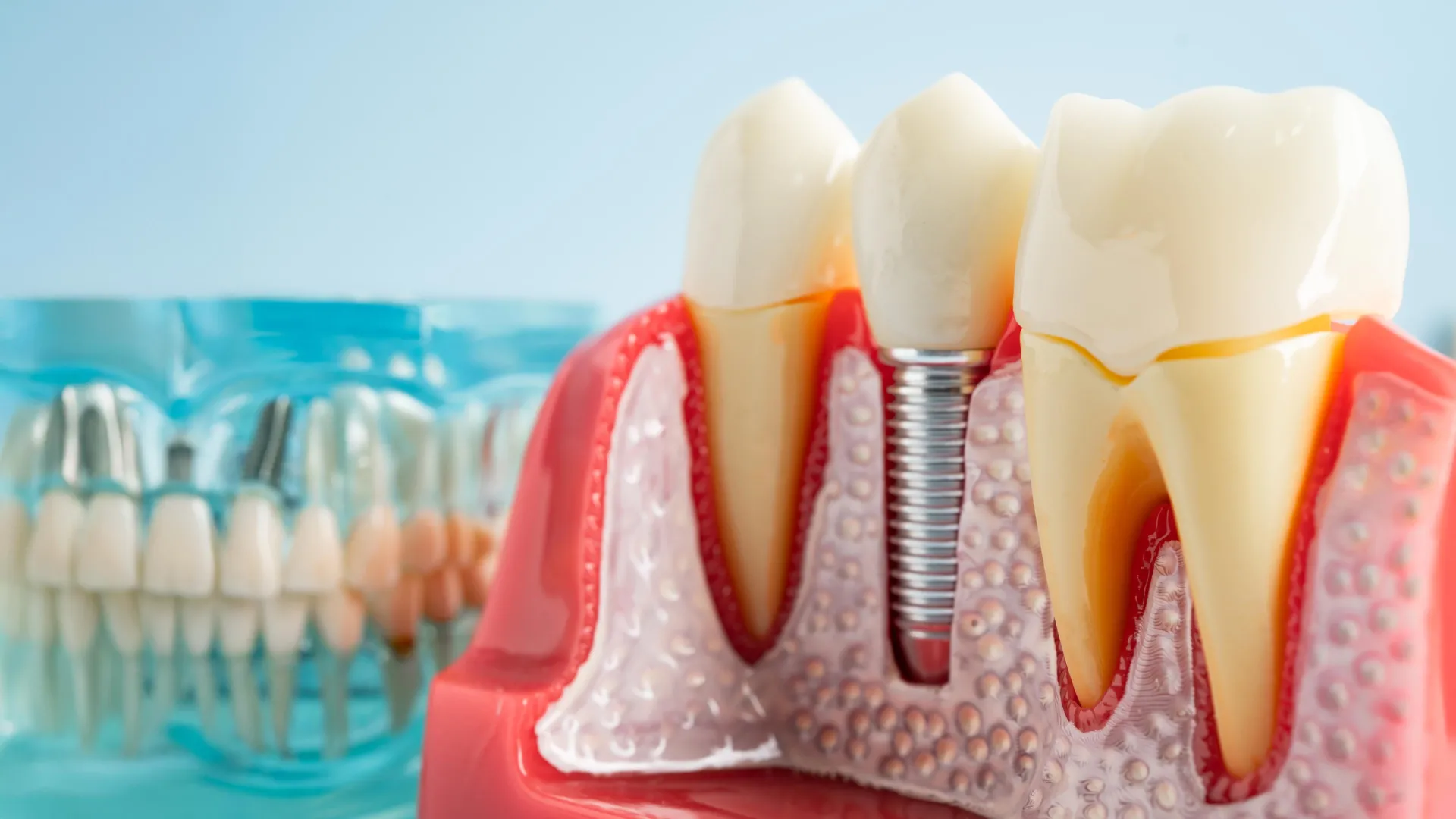
Researchers have uncovered a surprising reason dental implant infections often resist antibiotics: the implants themselves can contribute to the problem. Bacteria corrode titanium implants, releasing microscopic particles that hijack immune cells, trigger destructive inflammation, and accelerate jawbone loss.
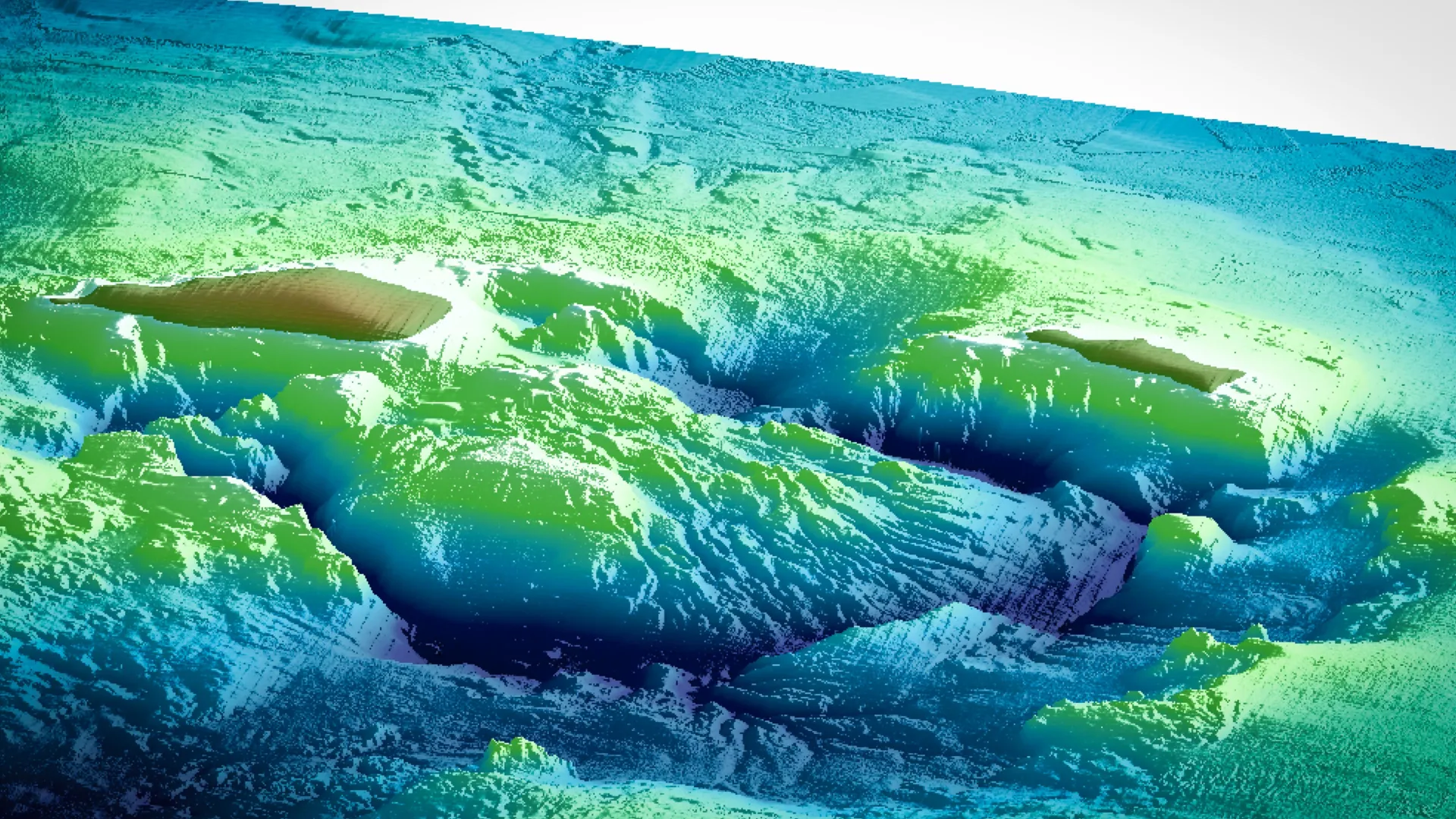
Deep beneath Japan’s Kikai caldera, a massive magma reservoir is refilling 7,300 years after one of the most powerful volcanic eruptions in Earth's recent geological history. Scientists used underwater seismic surveys to reveal a vast store of magma that appears to have accumulated since the ancient catastrophe. The discovery could help explain how supervolcanoes like Yellowstone and Toba rebuild their magma supplies.
The Welsh government says it is consulting on an "undergrounding-first approach" to electricity lines.
Council leader Stephen Place says it will help businesses counter the rising cost of fuel.
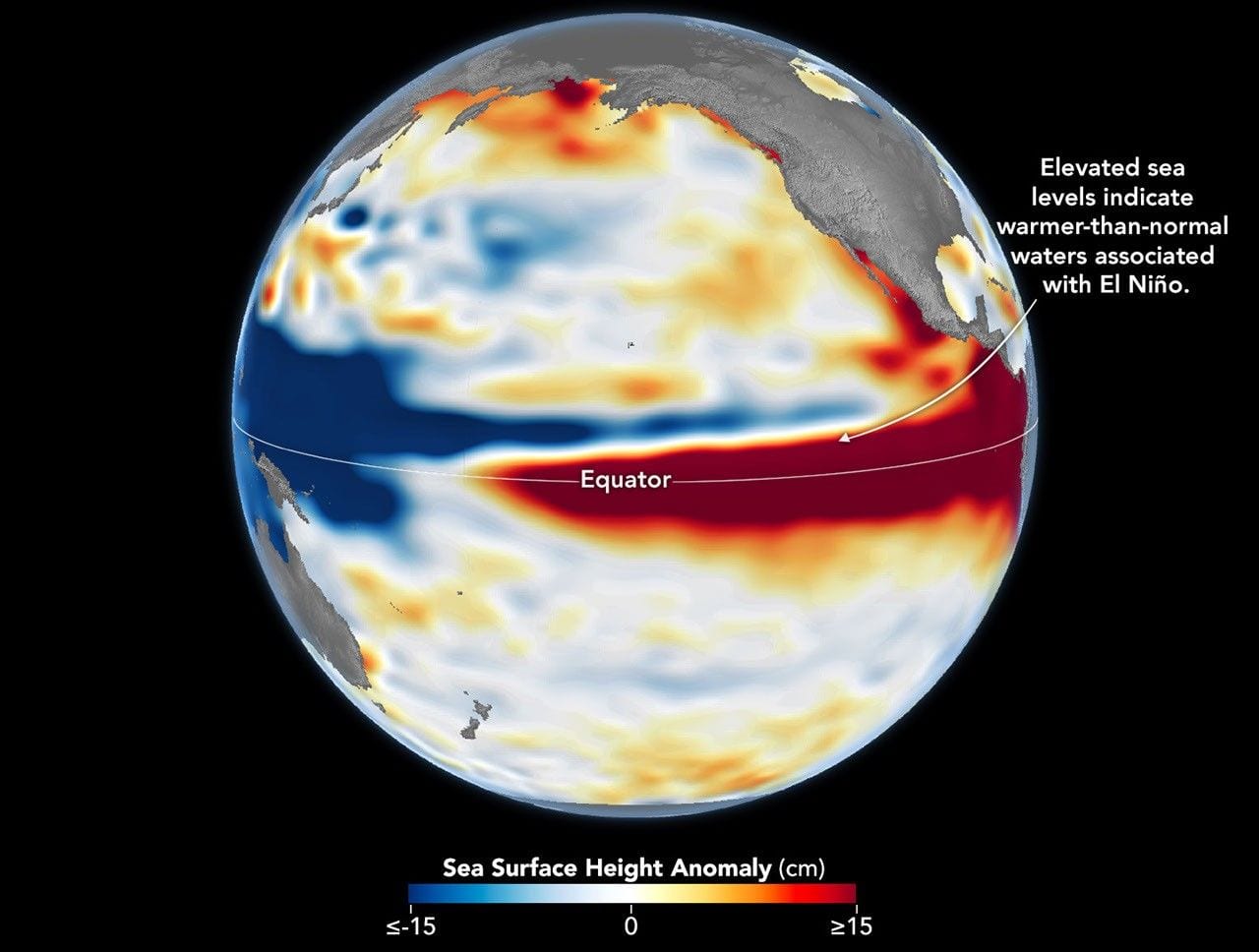
A 35-year satellite altimetry record lets scientists hold this year’s El Niño up against its strongest predecessors.
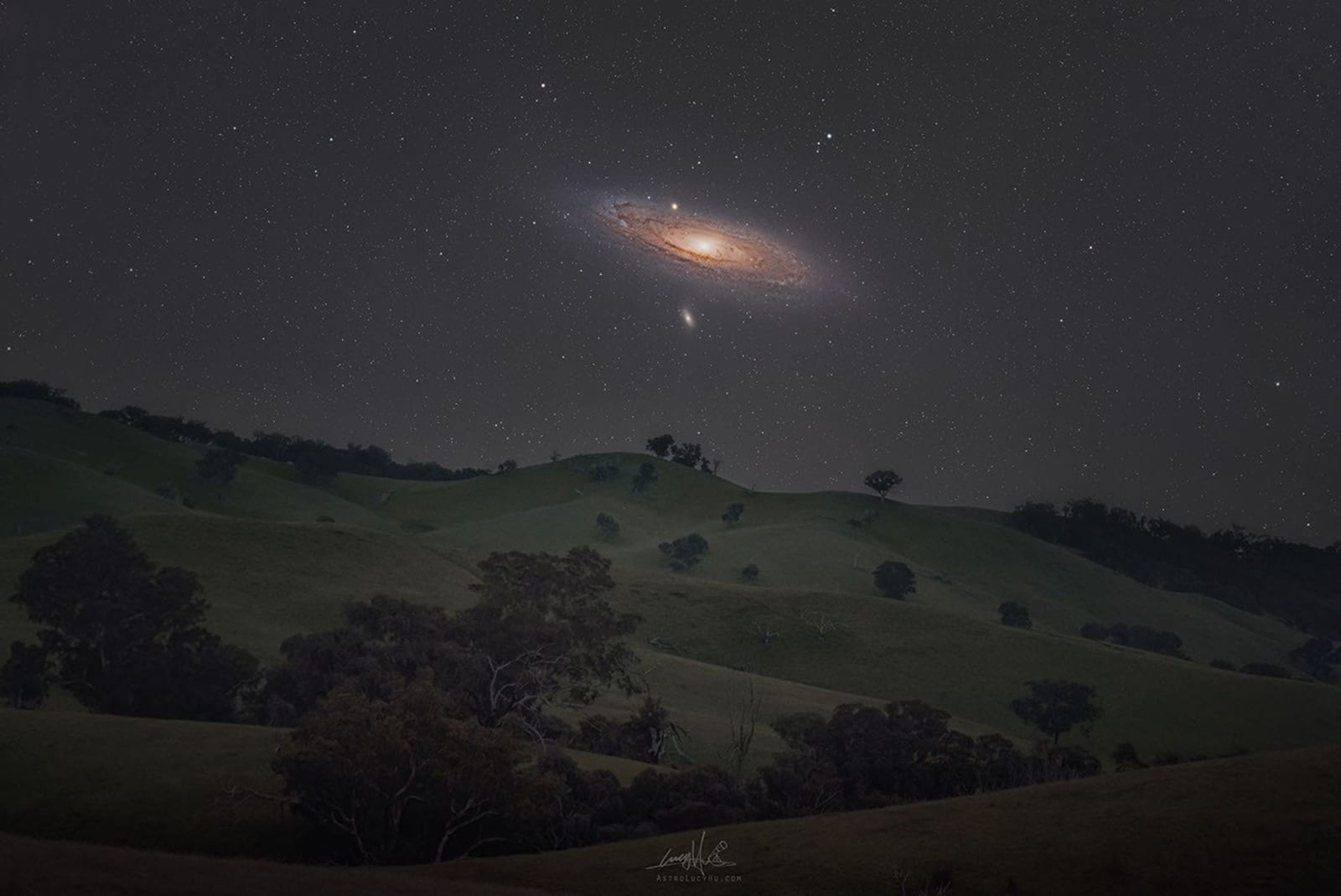
APODScienceAPODAPOD: 2026 October 23 –…Today’s APODArchiveSubmissionsIndexSearchCalendarRSSEducationAboutDiscuss APOD Astronomy Picture of the Day Discover the cosmos! Each day a different image or photograph of our fascinating universe is featured, along with a brief explanation written by a professional astronomer. Andromeda in Southern Spring Explanation: Looking toward the north from Mullion, New South Wales, Australia, the Andromeda […]
What happens when your name evokes laughter or ridicule? Research points to negative life outcomes, but some people learn to embrace unfortunate names.