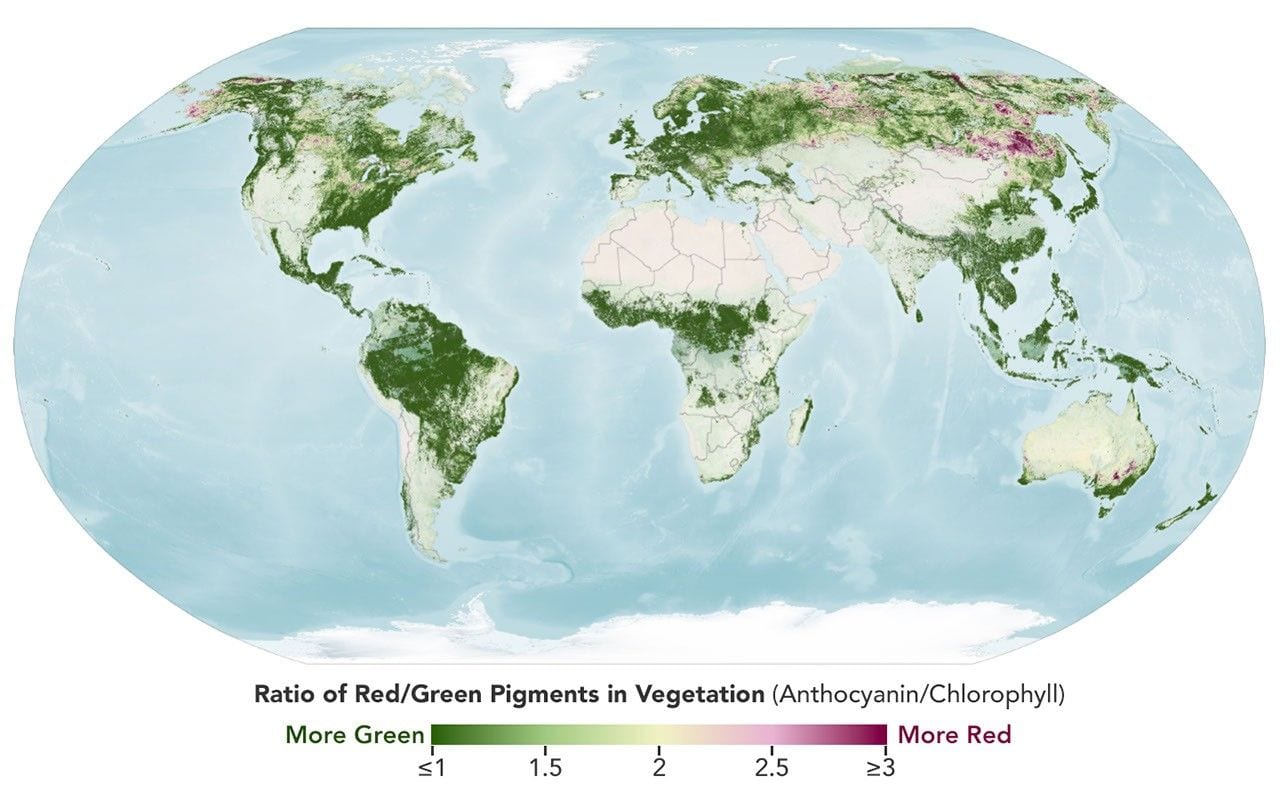
Hunting Red Leaves with Satellites
A modern satellite makes it possible to pursue the ancient tradition of leaf-peeping in a whole new way.
International news in seven languages
A modern satellite makes it possible to pursue the ancient tradition of leaf-peeping in a whole new way.
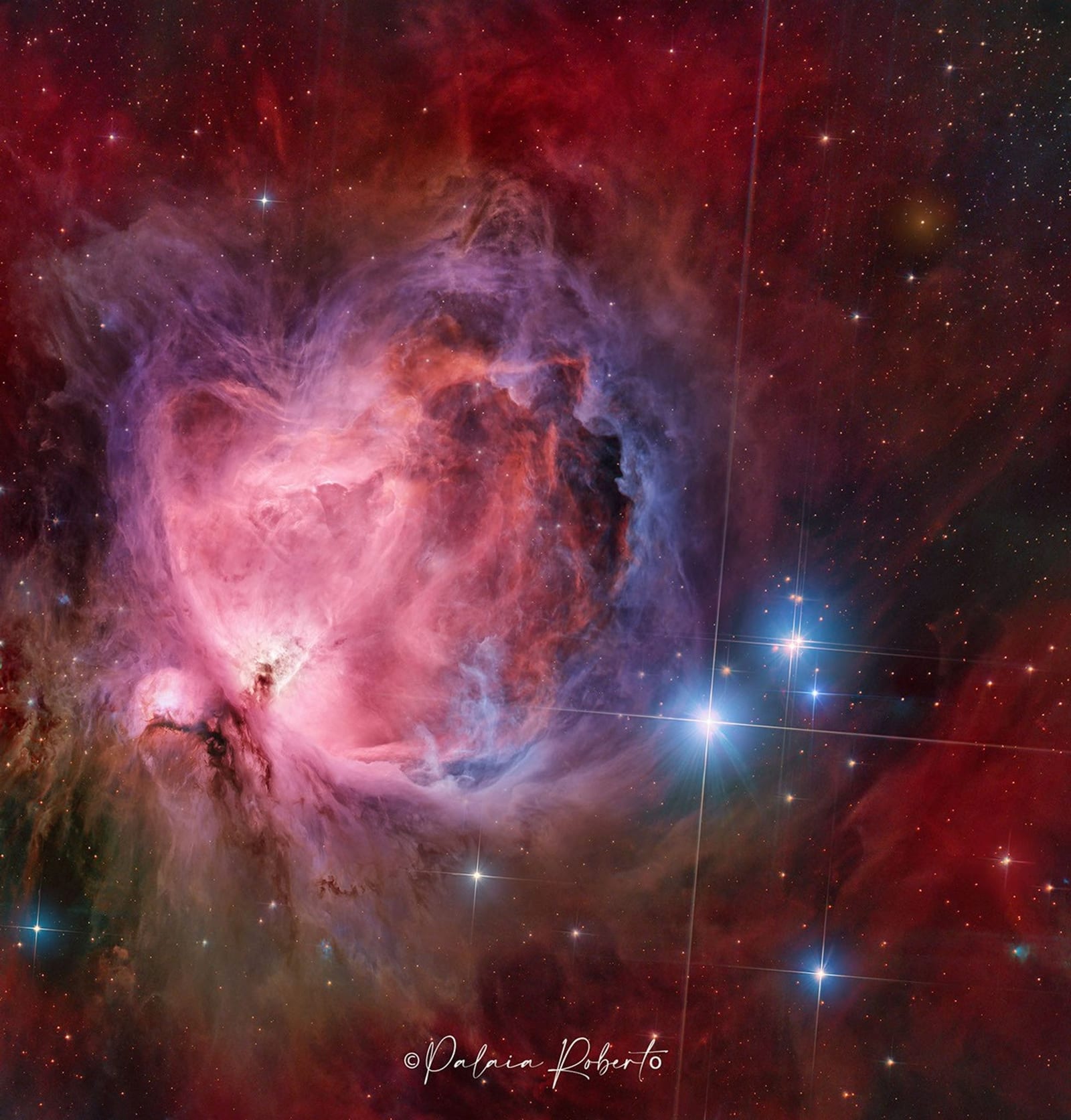
APOD Science APOD APOD: 2026 October 26 – M42:… Today’s APOD Archive Submissions Index Search Calendar RSS Education About Discuss APOD Astronomy Picture of the Day Discover the cosmos! Each day a different image or photograph of our fascinating universe is featured, along with a brief explanation written by a professional astronomer. M42: The […]
Three months on from a devastating wildfire, the RSPB says it will take 20 years to recover.
Fairstead Recreation Ground is being planted with wildflowers to benefit insects and pollinators.
The spill of 18 tonnes of plastic pellets happened in July but there is still a lot we do not know.
The BBC joins environmental enforcement officers as they sift through illegally-dumped waste for clues.
Robin Bennett says he created the app after getting frustrated by the amount of rubbish beside roads
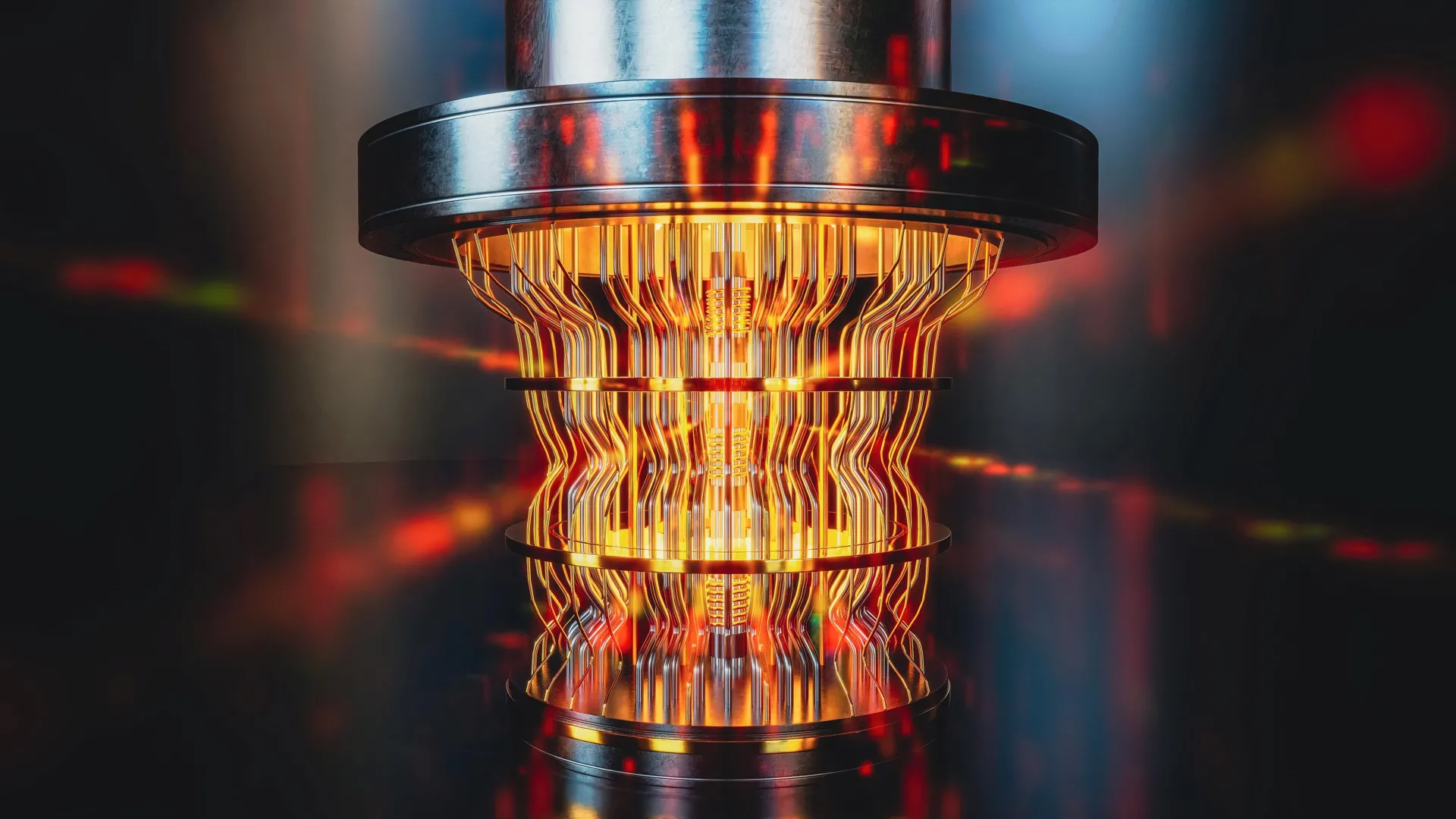
Scientists have discovered a way to operate multiple silicon qubits simultaneously with remarkable accuracy, overcoming a major challenge in scaling up quantum computers. Their new technique maintained accuracy of approximately 99.9% even when all five qubits were running at once, opening the door to larger and more powerful quantum processors.
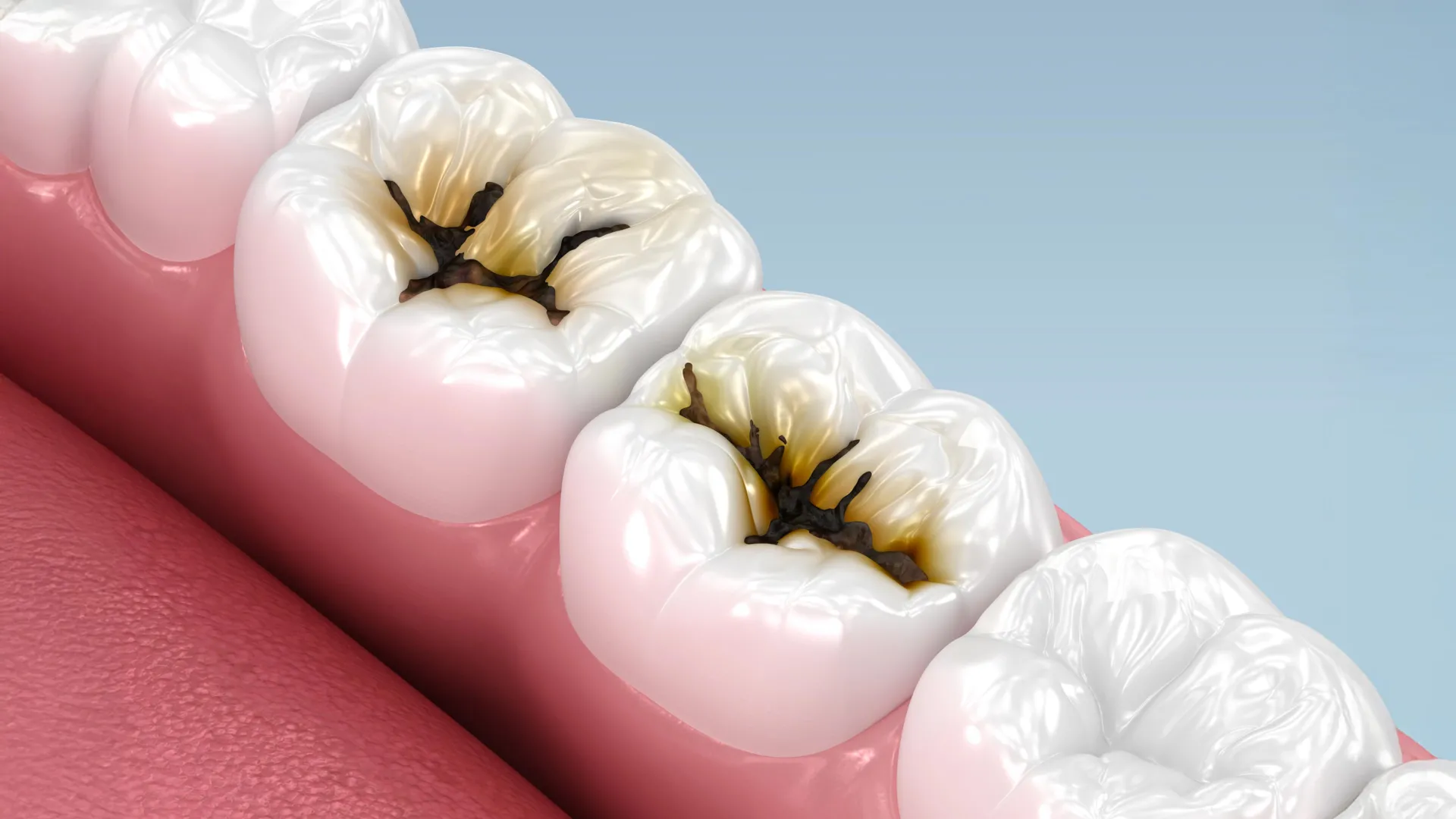
A simple liquid painted onto teeth in seconds can stop cavities without drilling, injections, or anesthesia, according to a major clinical trial involving young children. The inexpensive treatment could spare thousands of children painful dental procedures and surgery while paving the way for broader FDA-approved use.
From remote monitoring of cattle to automation of processes that took up valuable time, farmers in NI are rapidly becoming skilled in technology.
Flooding, travel disruption and fallen trees - Storm Boelo has left it's mark across Scotland.
A superconducting material studied for 40 years has turned out to be far more complex than scientists believed. Advanced 3D imaging revealed a hidden patchwork of crystal structures, with unusually wide boundaries that may weaken superconductivity. The discovery challenges decades of scientific assumptions and could explain why some superconductors outperform others.
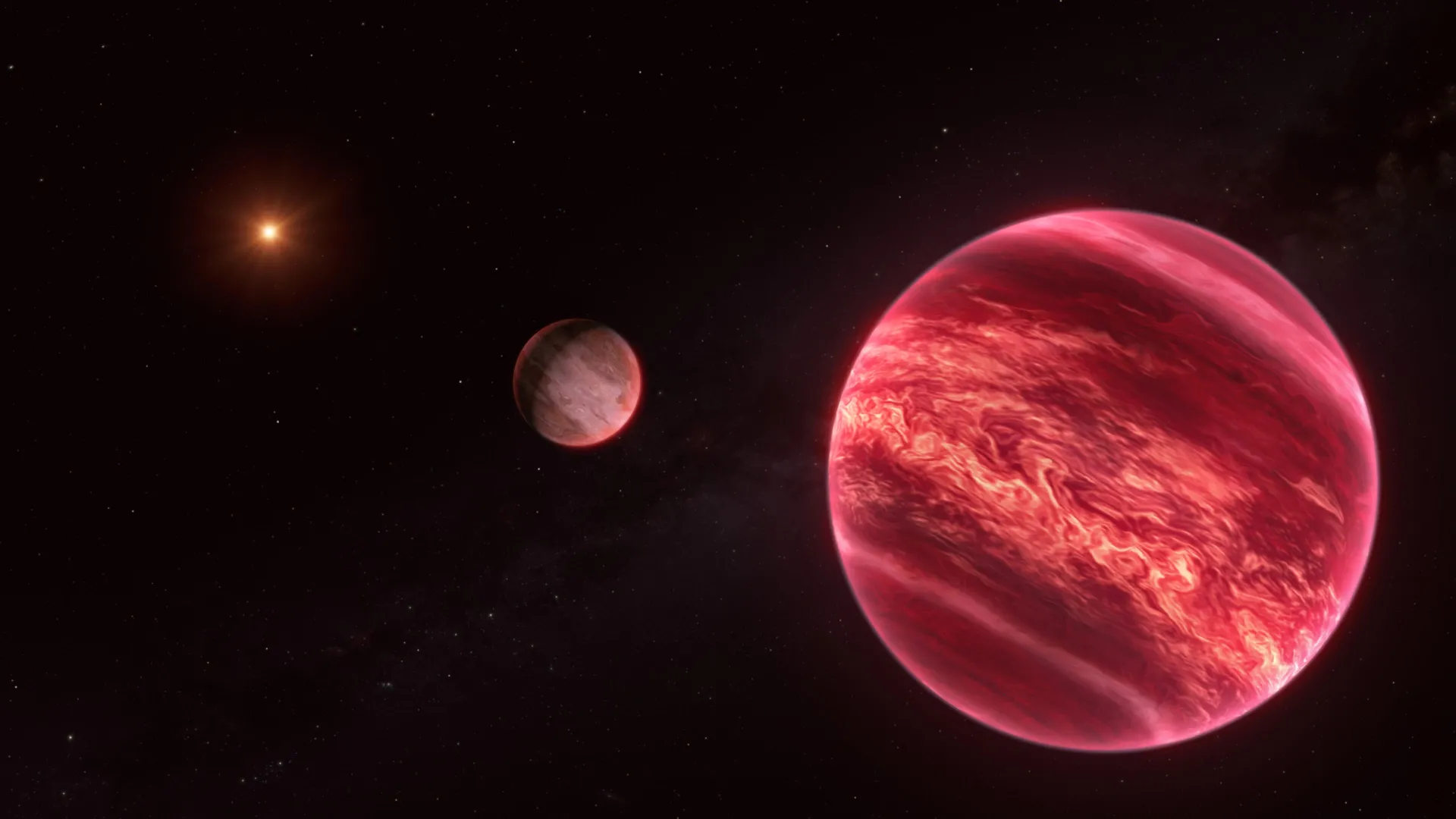
Astronomers have uncovered evidence of a bizarre, potentially historic discovery: the first moon ever detected beyond our Solar System. Unlike familiar moons, this mysterious object is at least as massive as Jupiter and orbits a brown dwarf, which itself circles a star. The unusual arrangement challenges traditional definitions of planets and moons, leaving scientists unsure what to call it.
A cannabis-derived ingredient commonly found in sleep gummies may be more habit-forming than previously thought, with new research showing that repeated exposure caused tolerance and withdrawal symptoms in mice. Scientists warn that CBN may carry risks similar to THC, although its long-term effects in humans remain largely unknown.
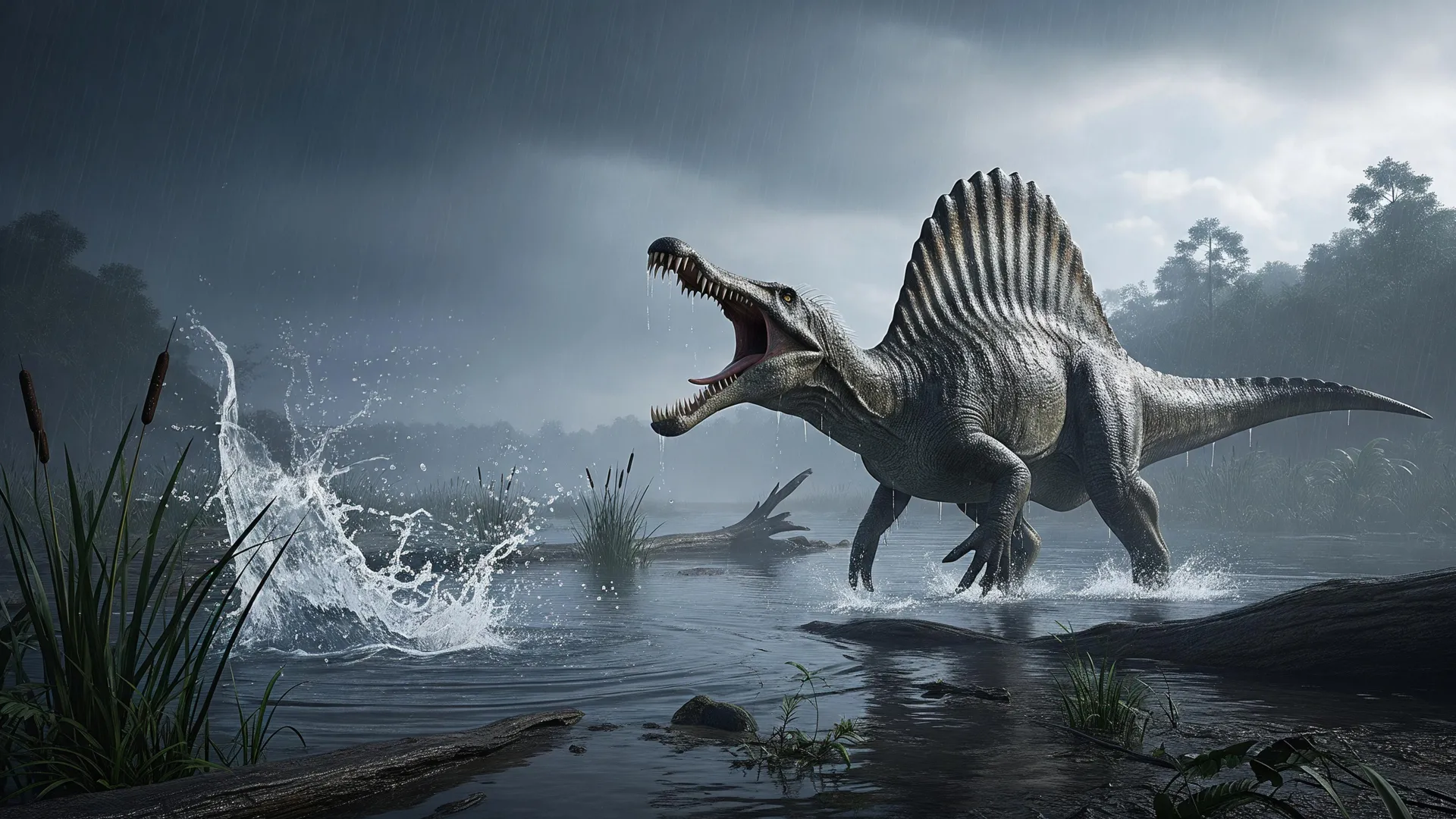
Millions of years after animals first conquered land, some took an extraordinary evolutionary U-turn and returned to the water. Using machine learning and thousands of fossil measurements, Yale scientists have uncovered surprising clues about which prehistoric creatures truly became aquatic. Their findings suggest that Spinosaurus spent most of its life underwater, while some ancient marine reptiles previously thought to be fully aquatic actually spent considerable time on land.
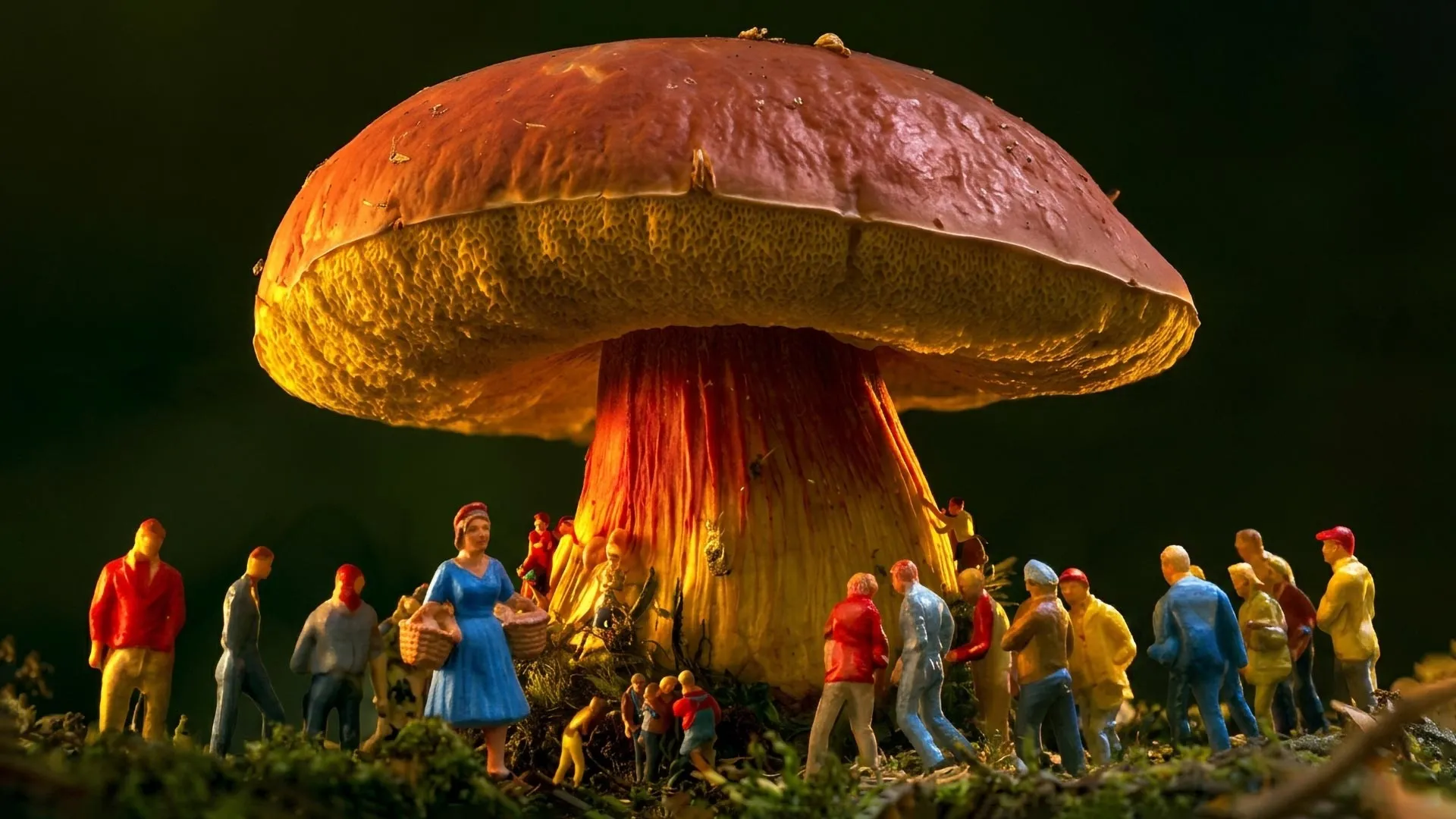
For nearly a century, people in distant parts of the world have reported a bizarre experience after eating certain wild mushrooms: seeing dozens or even hundreds of tiny, colorful humans moving through the real world. Now, scientists have identified a mushroom species, Lanmaoa asiatica, responsible for these extraordinary hallucinations in China and the Philippines.
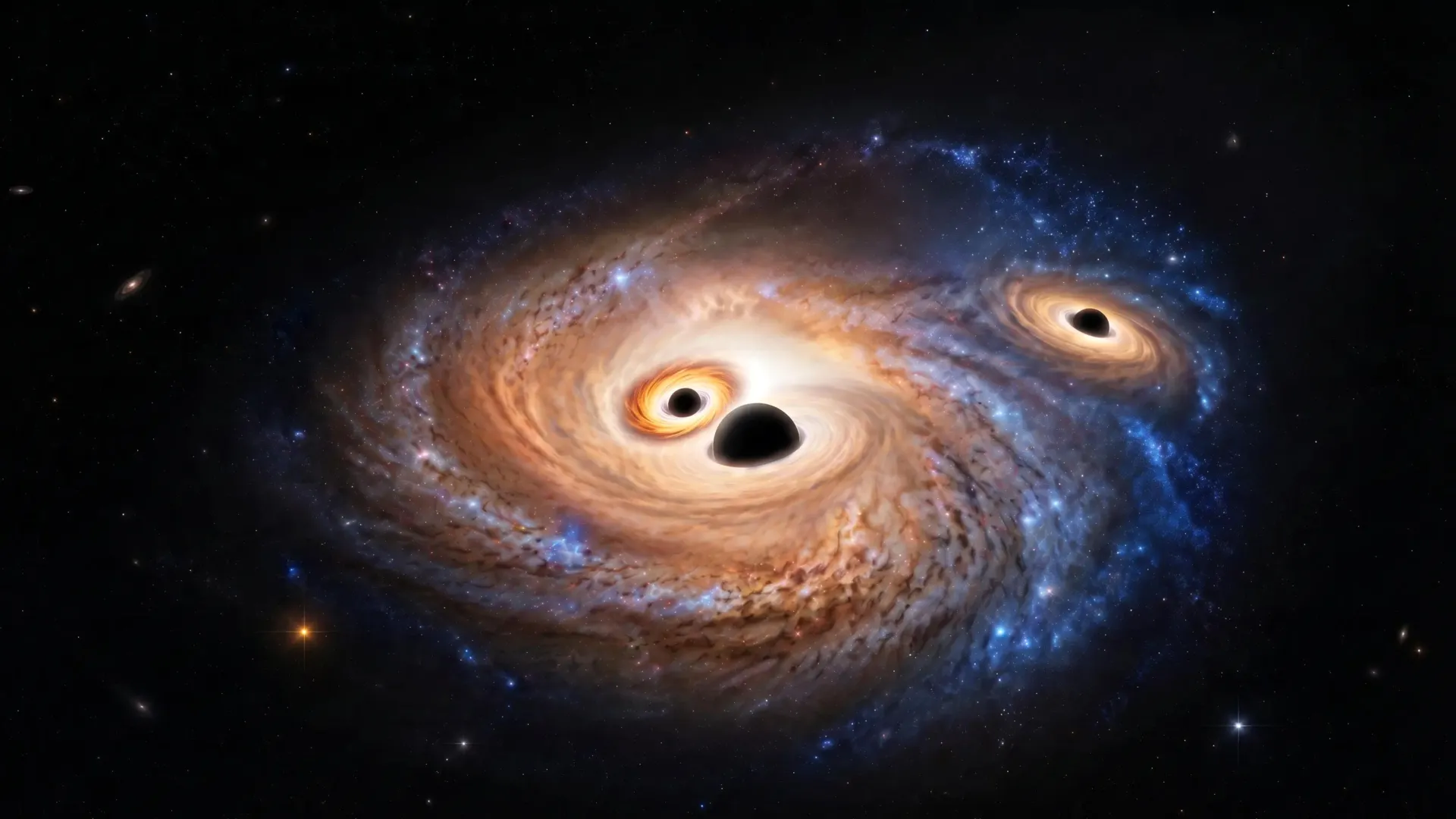
Astronomers have discovered three actively feeding black holes inside a single galaxy more than 12.5 billion light-years away, revealing a remarkable scene from the universe’s infancy. Two of the black holes are separated by just 620 light-years and are expected to eventually merge, while a third lurks farther away. One weighs an astonishing 80 million suns, and another is growing faster than conventional theories predict.
A common, inexpensive medication could hold an unexpected clue to preventing dementia. Researchers found that older adults with a specific genetic profile had a 70% lower relative risk of dementia when taking low-dose aspirin, even though previous studies found no overall protective effect. The discovery suggests that genetics could help explain why some people benefit while others do not.
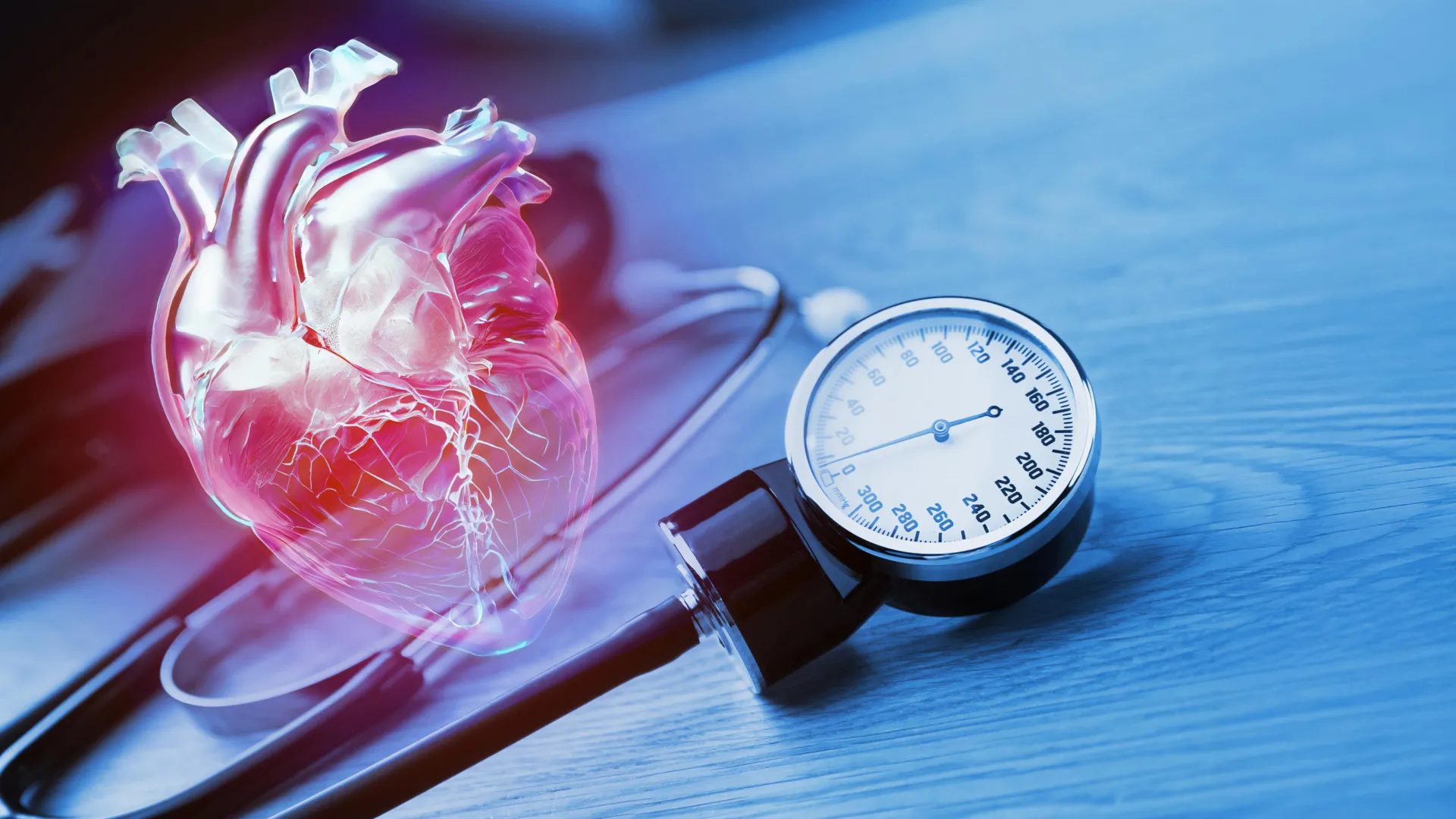
Missing blood pressure medication could mean losing much of its protection against heart attacks and strokes, according to an analysis of more than 91,000 people. Patients who consistently took their medication experienced an 11% reduction in major cardiovascular events, while those who missed too many doses saw little or no measurable benefit.
AI tools learn from biased records and may deepen discrimination against minorities without oversight, researchers say.