- Perseverance Home
- Science
- News and Features
- Multimedia
- Mars Missions
- Mars Home

Written by Margaret Deahn, Ph.D. candidate at Purdue University
Oct. 19, 2026
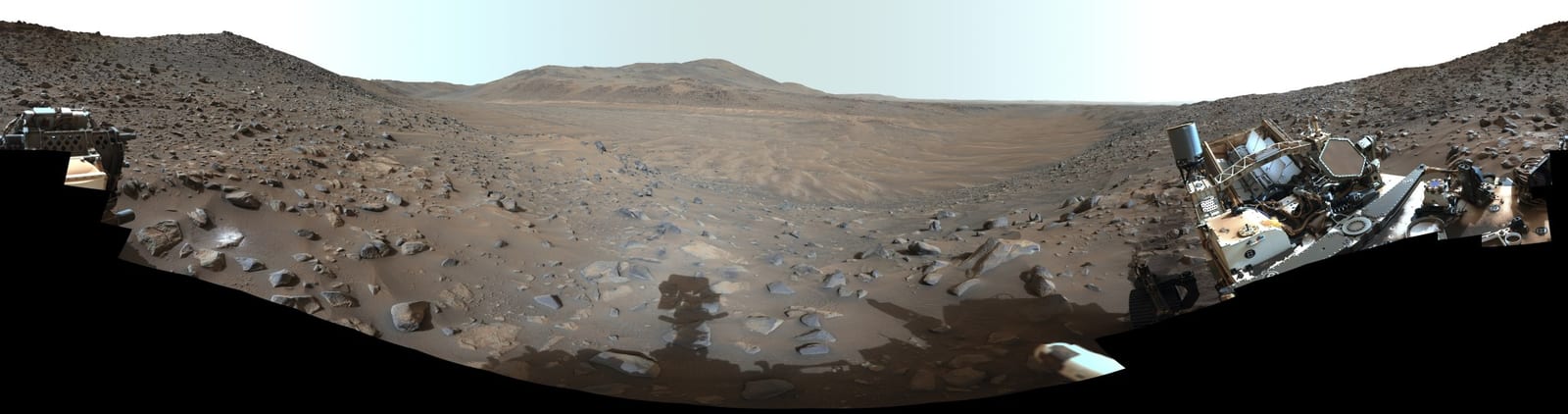
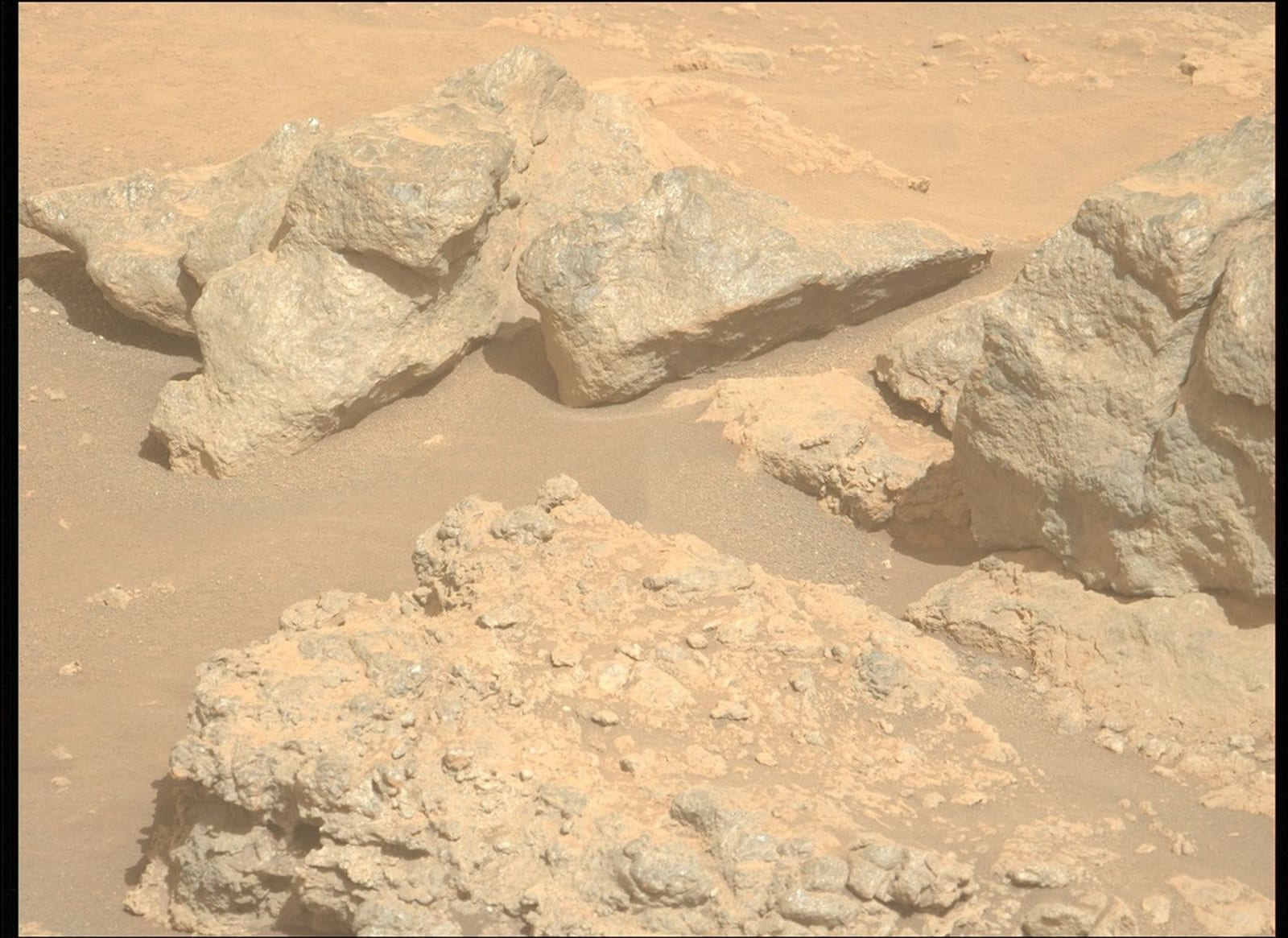
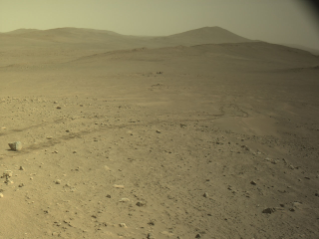
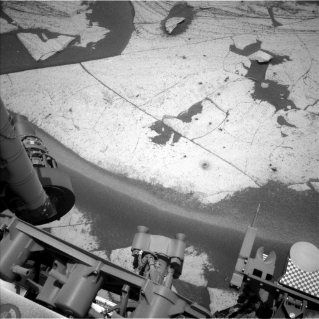
Once upon a time, NASA’s Mars 2020 rover investigated the southern border of “Idubi,” an outcrop composed primarily of an igneous mineral geologists call olivine. The rover’s “eyes” captured a very exciting geologic feature during its traverse — a contact between distinct rock types that could tell a story about the history of this region. This contact is clearly observed at a target named “Tinga.”
At “Tinga,” there are distinct geologic units in close contact with one another. The lowermost unit is likely a polymict (made of many types of rocks) breccia (made of angular clasts). Breccia is generally formed by violent geologic processes such as an impact event — this breccia may have been formed by an impact similar to the one that created Jezero crater — or even Jezero itself! See a recent rover blog post for more information on the potential breccia in this region.
However, breccia is only the first chapter in the story of our target “Tinga.”
The higher-standing, dark rocks could be associated with the nearby olivine-bearing unit at “Idubi,” which also appears to extend onto the plains beyond the Jezero crater rim. These dark rocks at “Tinga” may be part of this olivine-bearing unit, or they may represent a part of the breccia that was heated, or “baked,” when it came in contact with the hot rocks of “Idubi.” Further in situ investigation of this particular outcrop is needed to determine how the high-standing rocks we observe at this contact are related to this broader unit.
“Tinga” tells a tale about distinct geologic events that occurred just outside Jezero’s crater rim, and the Mars 2020 rover will continue to reveal Jezero’s origin story and exciting geologic history.
-
Want to read more posts from the Perseverance team?
-
Want to learn more about Perseverance’s science instruments?
Explore More

Discover More Topics From NASA
All Mars Resources
Explore this collection of Mars images, videos, resources, PDFs, and toolkits. Discover valuable content designed to inform, educate, and inspire,…
Rover Basics
Each robotic explorer sent to the Red Planet has its own unique capabilities driven by science. Many attributes of a…
Mars Exploration: Science Goals
The key to understanding the past, present or future potential for life on Mars can be found in NASA’s four…
Mars Perseverance Rover
The Mars Perseverance rover is the first leg the Mars Sample Return Campaign’s interplanetary relay team. Its job is to…