Advertisement
Advertisement

Politics

In the middle of the stress of Trump... What letters did McRon and Carney have in San Pierre and Miclon?

French President Emmanuel McRon welcomed the beginning of a new phase in relations with Canada, during his reception by Canadian Prime Minister Mark Carney in the San Pierre and Miclon archipelago, the only French territory remaining in North America. Both leaders were keen to underline the sovereignty of their countries in the face of the pressure of President Donald Trump.

Elections in Germany: Friedrich Merz's survival holds only one thread

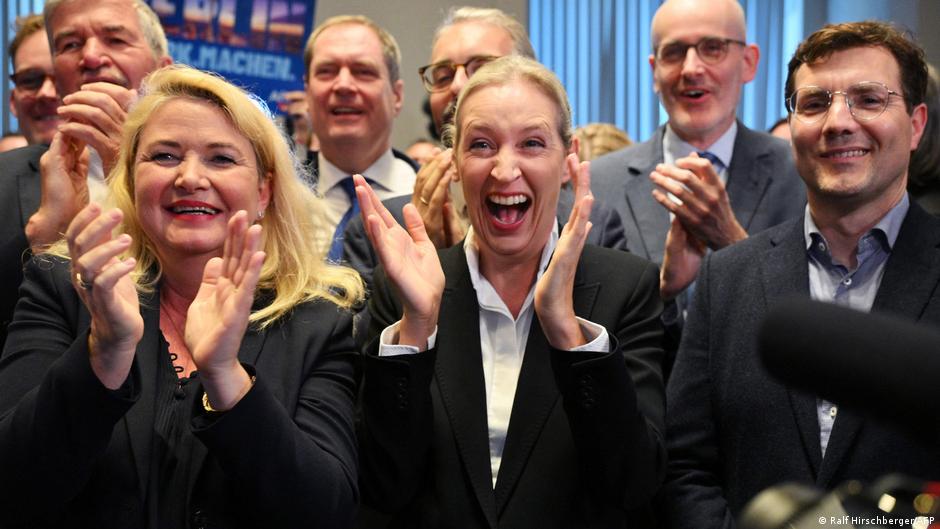
The German regional elections in Mecklenburg-Western Pomerania and Berlin both marked the defeat of the same party: Friedrich Merz's CDU. After the recent shock caused by the wide-ranging victory of the far right in Saxony-Anhalt, already analysed as a failure of the Chancellor's policy, can Friedrich Merz survive these two new setbacks?

McRon applauds a new phase in relations with Canada and confirms France ' s sovereignty over San Pierre and Miclon.

French President Emmanuel McRon welcomed the start of a new phase in relations with Canada and stressed the launch of talks to discuss how Ottawa could increase its support for Europe in the area of energy. During his reception of Canadian Prime Minister Mark Karni in the San Pierre and Miclon archipelago, the only French territory remaining in North America, the leaders were keen to emphasize the sovereignty of their countries in the face of the pressure of President Donald Trump.

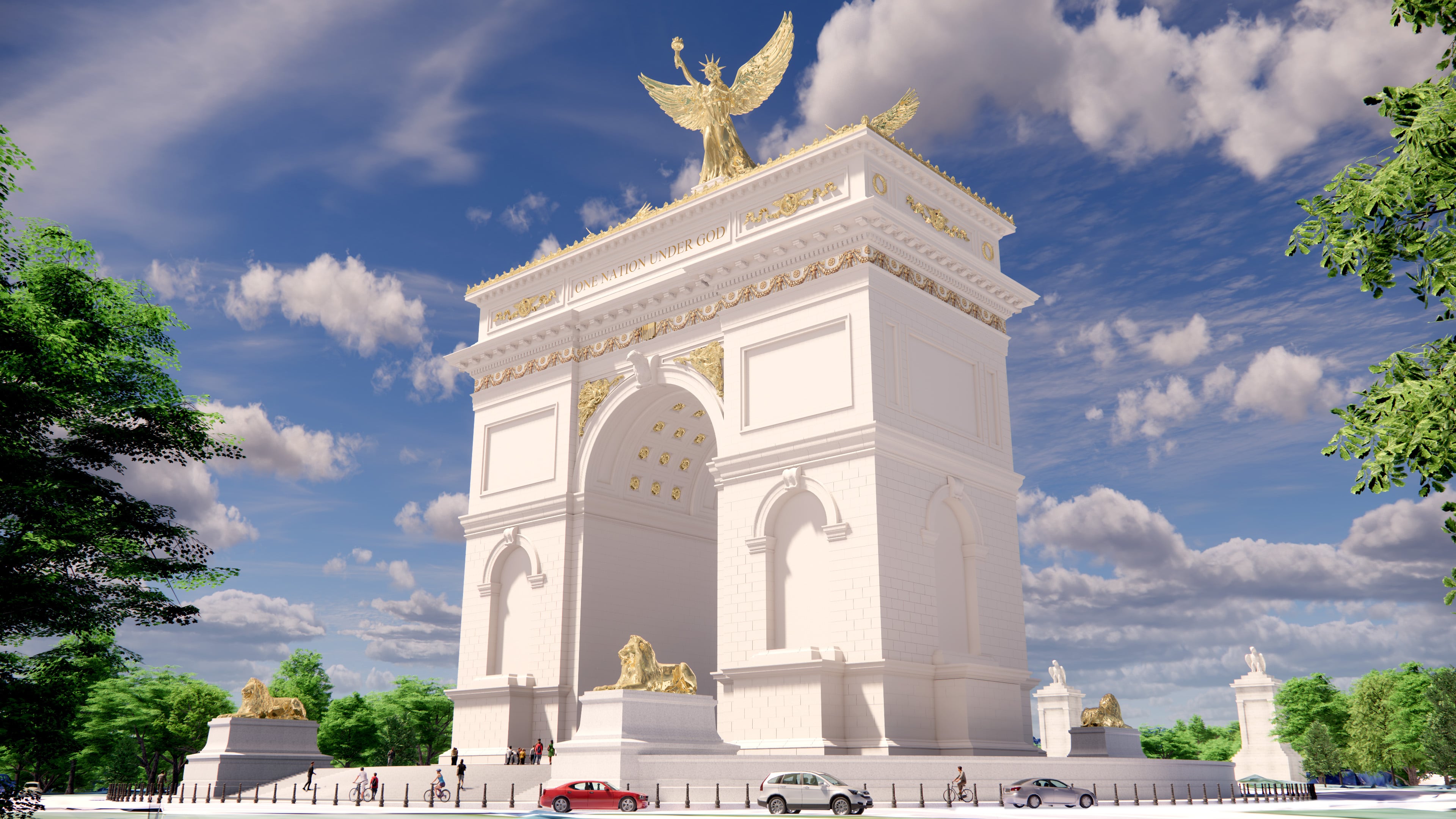
Drones and snipers: Trump announces a "military complex" in the arch of Washington's triumph

American President Donald Trump revealed that the bow of the triumph he plans to build in Washington D.C. will serve as a "first-class military complex," with the capacity to house drones and snipers, as well as to store ammunition. The transformation of the monument was decided "at the express request of the Armed Forces" and for reasons of national security, added the Republican, which pursues a controversial reform of the urban landscape of the American capital.

In San Pedro and Miquelon, Macron and Carney defend sovereignty and cooperation between France and Canada

This Sunday, French President Emmanuel Macron received Canadian Prime Minister Mark Carney in San Pedro and Miquelon, a French North Atlantic archipelago off the coast of Newfoundland, Canada. The symbolic visit serves to strengthen cooperation in sectors such as fishing, security and energy, and to ratify French sovereignty in the territory, weeks after Donald Trump published an image in which the islands appeared covered by an American flag.

Italy: Meloni announces project to limit the number of foreigners in classrooms and ban burka

In a meeting with the young people of her party, Italian Prime Minister Giorgia Meloni reported that her Government will promote a bill to limit the number of foreign students in each classroom. The initiative also seeks to prohibit the use of burka and niqab inside schools and to force parents of students with adaptation problems to take Italian classes.

Advertisement

Macron, Carney hail new chapter in France-Canada ties at symbolic archipelago meeting

French President ​Emmanuel Macron and Canadian Prime Minister Mark Carney on ​Sunday called for stronger bilateral ties in the face of new global threats at a meeting on Saint Pierre and Miquelon, a French territory off Canada's Newfoundland. The first-ever visit by a Canadian leader to the North Atlantic archipelago came as both countries have increasingly awkward relations with the US.

Merz admits a "disaster" in two regional elections, but promises to continue with its reforms

The German Chancellor Friedrich Merz described Sunday as "disaster" the strong setback of his party, the CDU, in two regional elections, but he committed himself to continue with his reform plan. The extreme right-wing party Alternative for Germany (AfD) was first in the north-eastern state of Mecklemburgo- Western Pomerania, according to the polls at the urn foot, and also gained ground in another election held in Berlin.

Exit polls show 'disaster' for Merz' CDU party in two state elections

Germans headed to the polls today in two state elections - in Berlin and Mecklenburg-Western Pomerania. Exit polls suggest a dramatic loss for the Chancellor Freidrich Mertz's Christian Democratic Union party. Details by FRANCE 24 correspondent in Berlin, Jörg Taszman.

Regional in Germany: far right progresses, historical defeat of conservatives

Friedrich Merz and his party, the CDU, recorded on Sunday what the German Chancellor called "desaster" in regional elections. In Mecklenburg-Western Pomerania, the Conservative party failed to get elected to the regional assembly, failing to reach the 5% elimination bar, a first in the country's history since 1945. In Berlin, the radical left, Die Linke, is ahead of the Christian Democrats and is in a position to ravage their town hall.

Elections in Germany: Merz "is in an uncomfortable situation"

Nearly four million German voters are called to the polls on Sunday for two regional elections where the progress of the far-right AfD party and the radical left could cause further turmoil in Berlin and affect Chancellor Friedrich Merz, already very fragile. We're talking to our columnist Antoine Mariotti.

Elections in Germany: CDU threatened by extreme right

Will German Chancellor Friedrich Merz survive Sunday's regional elections? The debate was opened after the recent electoral failure of its Conservative party in Saxony-Anhalt, where the far right achieved an overwhelming victory.

Advertisement

Elections in Germany: the far right party AfD leads

The polling stations closed in Germany, where two regional elections were held on Sunday, 20 September. Our correspondent Caroline du Bled evokes the first results with us, and Antoine Mariotti analyses them.

Germany’s Merz admits ‘disaster’ in state elections, vows to press ahead with reforms

German Chancellor Friedrich Merz on Sunday described his CDU party's heavy losses in two regional elections as a "disaster", but vowed to push ahead with a reform drive. The far-right Alternative for Germany (AfD) party took first place in ​the northeastern state of Mecklenburg-Western Pomerania, exit polls showed, and also gained in strength in another election in Berlin.